
By Kada Travel
You’ve seen it in movies, heard it in travel stories…
You’re heading to Cusco, La Paz, the Uyuni Salt Flats, or even Quito, and a very common question starts to pop up:
Is altitude sickness actually a thing?
Spoiler alert: it is.
But it’s also totally manageable — if you know how to prepare for it.And that’s what we’re here for: to explain what no one else really tells you.
What Is Altitude Sickness?
Also known as soroche, altitude sickness happens when your body doesn’t get enough oxygen at high elevations — usually above 2,400 meters (7,800 ft).
Places like:
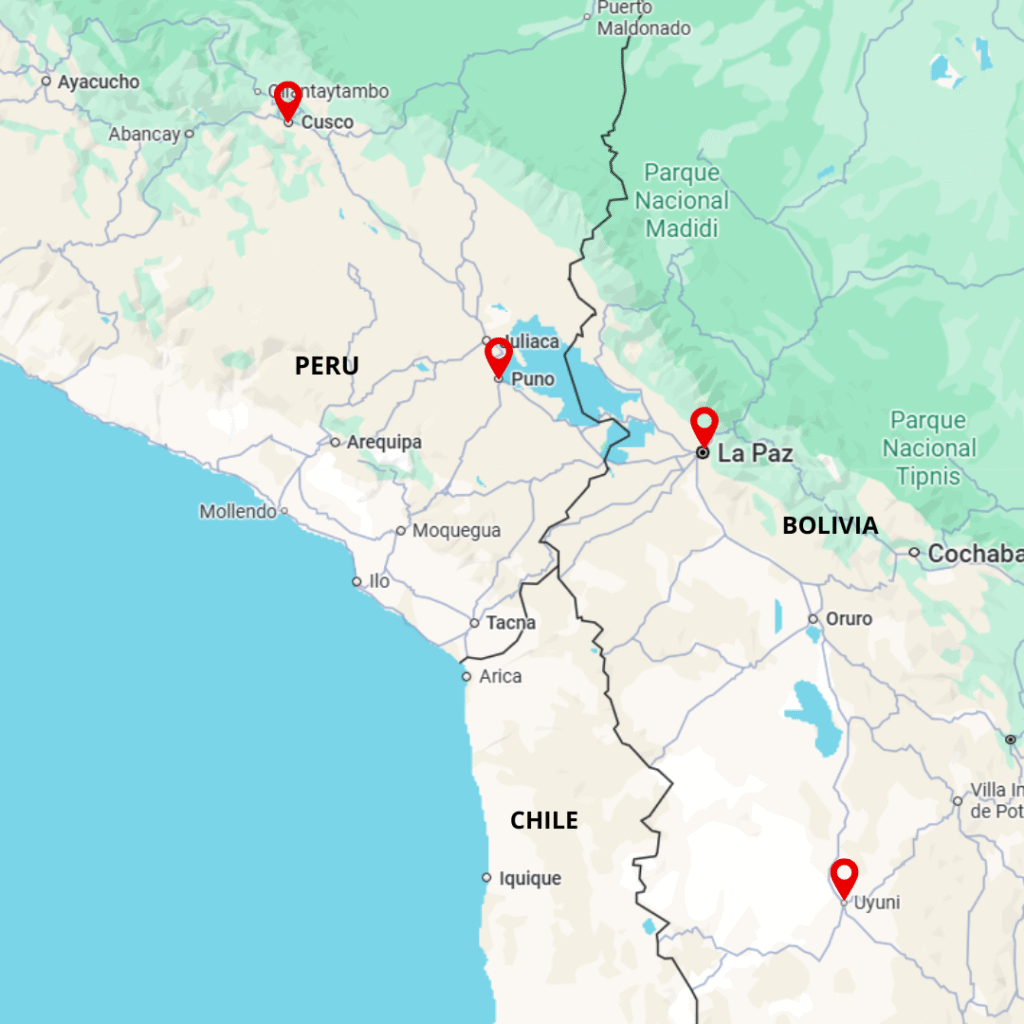
- Cusco (3,400 m / 11,155 ft)
- La Paz (3,650 m / 11,975 ft)
- Puno / Lake Titicaca (3,800 m / 12,467 ft)
- Uyuni (3,650 m / 11,975 ft)
…require your body to adapt. And that process can cause discomfort.
What Are the Symptoms?
The most common:
- Headache
- Dizziness or “foggy” feeling
- Nausea
- Fatigue with minimal effort
- Trouble sleeping
It’s not dangerous in most cases, but it can mess up your plans if you don’t take care of it.
Who Can Get It?
Anyone.
It doesn’t matter if you’re young, athletic, or a frequent traveler — it’s about biology, not toughness.
Some people feel great on day one.
Others need to take it slower.
The key is to listen to your body and travel smart.
How to Prevent Altitude Sickness
Here are our most effective tips (based on helping hundreds of travelers):
1. Take it slow the first day
Avoid strenuous activity. No intense tours or heavy lifting right after arrival. Let your body adjust.
2. Stay hydrated
The dry mountain air dehydrates you quickly. Water, water, and more water.
3. Eat light
Go easy on heavy or greasy foods the first day — digestion slows down at altitude.
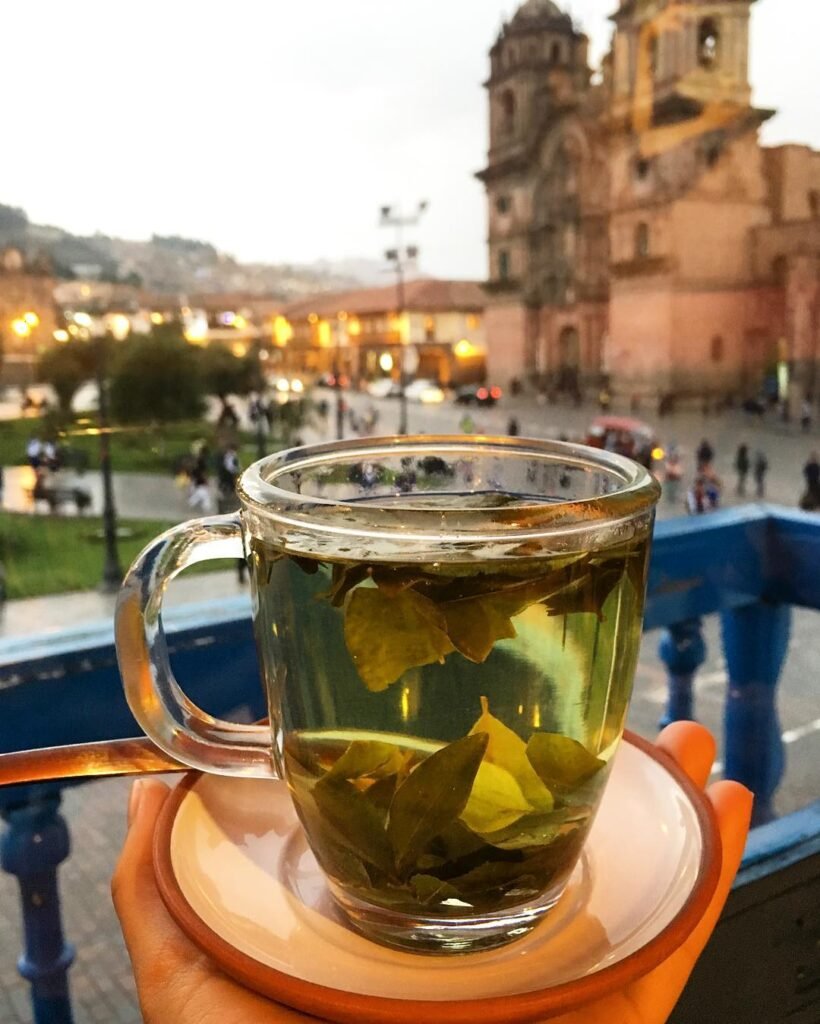
4. Try coca tea
Common in Peru and Bolivia, coca tea helps improve oxygenation and is a local staple.
5. Ask about preventive meds
Drugs like acetazolamide (Diamox) can help prevent symptoms. Talk to your doctor before the trip.
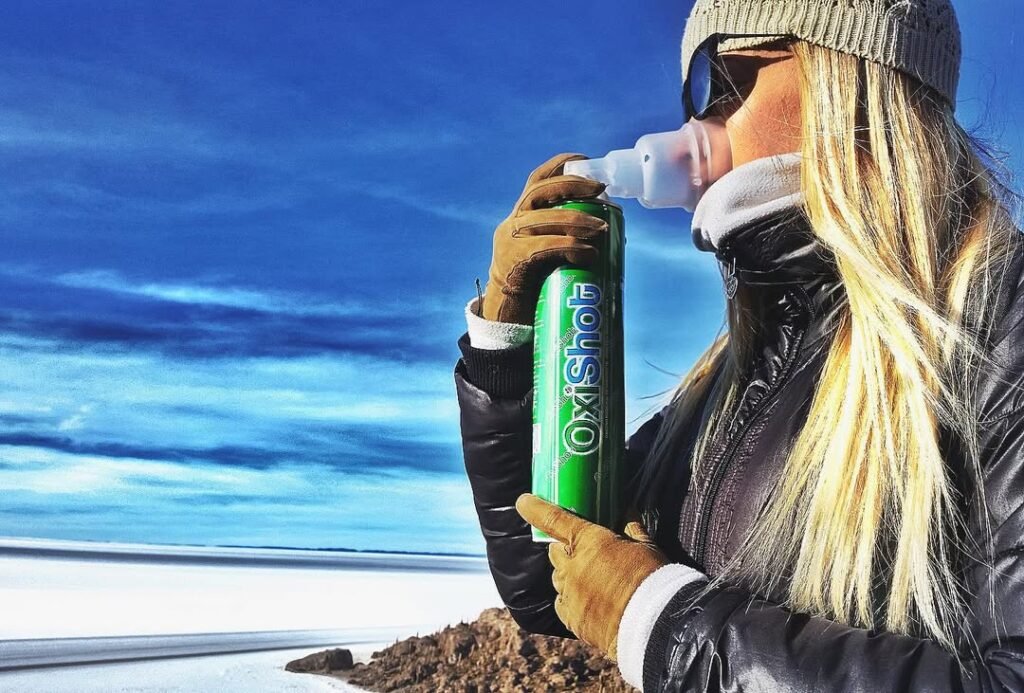
6. Carry an Oxishot
An Oxishot is a small portable canister with up to 8 liters of compressed oxygen.
It helps reduce headaches, fatigue, and minor breathing discomfort.
Available in pharmacies or local shops in Cusco for about S/ 45 (~$14 USD).
What If I Still Feel It?
Take a breath. You’re not alone — sometimes the body just needs a bit more time.
What to do:
- Rest and avoid exertion
- Sip warm herbal teas (coca, muña, ginger)
- Use mild painkillers if needed
- Let your guide or hotel staff know — they’re used to helping with this
In very rare cases, descending or using supplemental oxygen may be necessary — but it’s highly unlikely with proper care.
We’ve Been There Too
Some of us at Kada Travel have felt altitude sickness firsthand.
And we’ve helped many travelers manage it with ease.
That’s why when we design trips to high-altitude destinations, we build the itinerary around your wellbeing:
✔ Soft landings
✔ Time to adapt
✔ Flexible pacing
✔ Comfortable hotels
✔ 24/7 local assistance
Because great travel isn’t just about where you go — it’s about how you feel along the way.
Want to plan a stress-free trip to high altitude?
Let us help you create a journey that respects your rhythm — and lets you enjoy every step without worrying about altitude.
Found this blog useful? Share it with your travel buddy.
And if you want more real, honest travel tips, follow us on social or join our newsletter.
No fluff, just experiences that matter.
With love (and oxygen),
The Kada Travel Team