Destinations· 8 min read·16 October 2024
Lima's Most Exclusive Neighbourhoods: Barranco, Miraflores and San Isidro
Three neighbourhoods, three temperaments. How to choose a base in Lima according to the trip you are building.
By Kada Travel Editorial
To walk from Barranco to Miraflores along the malecón, on a cool May morning, is probably the best way to read Lima. Five kilometres of cliff above the Pacific, surfers below, paragliders above, Republican-balcony houses on one side, glass towers on the other. The walk, an hour and a half at unhurried pace, crosses the three neighbourhoods that matter to the luxury visitor: Barranco to the south, Miraflores in the centre, San Isidro to the north. Each is a different version of the same city.
This is not a ranking. It is a map of temperaments. The question is not which neighbourhood is best but which one matches the traveller, the moment of the journey, the kind of evening sought.
Barranco: the art neighbourhood
Barranco was, throughout the nineteenth century, the weekend seaside resort of Lima's aristocracy. Families took the train down from the centre, rented mansions with wooden balconies and gardens dropping into the ravine, and stayed until the end of summer. The ravine still exists —the Bridge of Sighs crosses it— and many of the mansions too. The difference is that now they are galleries, hotels, restaurants and artists' studios.
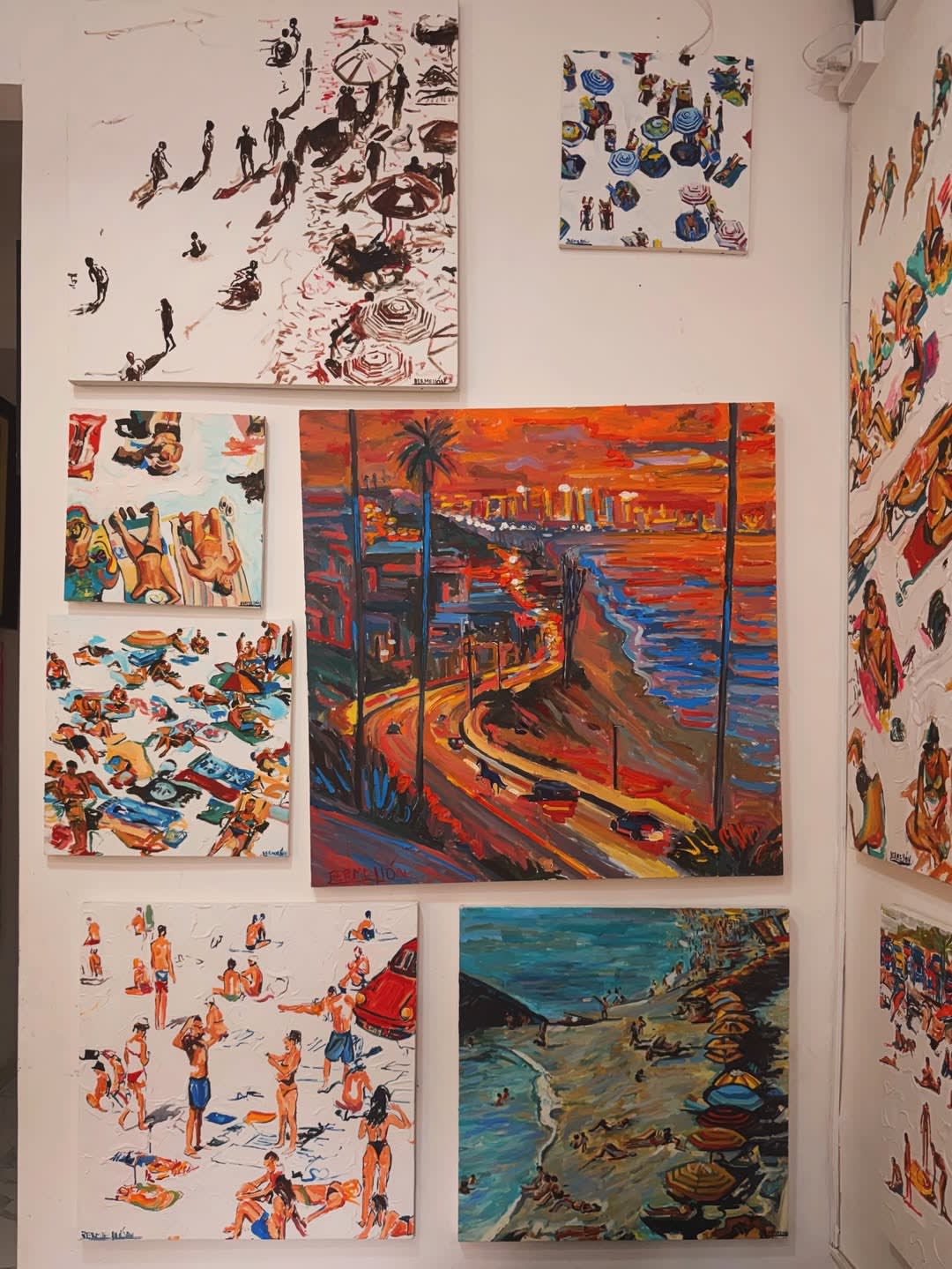
The neighbourhood is small: a square kilometre, organised around the municipal park, the Bajada de los Baños and Avenida Sáenz Peña. Walkable in an afternoon. Within that square sit MATE (Mario Testino's foundation), MAC (the Museum of Contemporary Art), Lucía de la Puente Gallery —the country's most established—, Wu Galería —emerging art— and Calle Domeyer, where the studios cluster.
Hotel B is the usual base. A 1914 mansion reimagined by Lucía de la Puente with her own collection on the walls: twenty-four rooms, a rooftop pool, a curated library. The service is intimate —breakfast served in the courtyard, no menu, by request. It is a hotel for those who want to disappear from the world for three nights and have art instead of television.
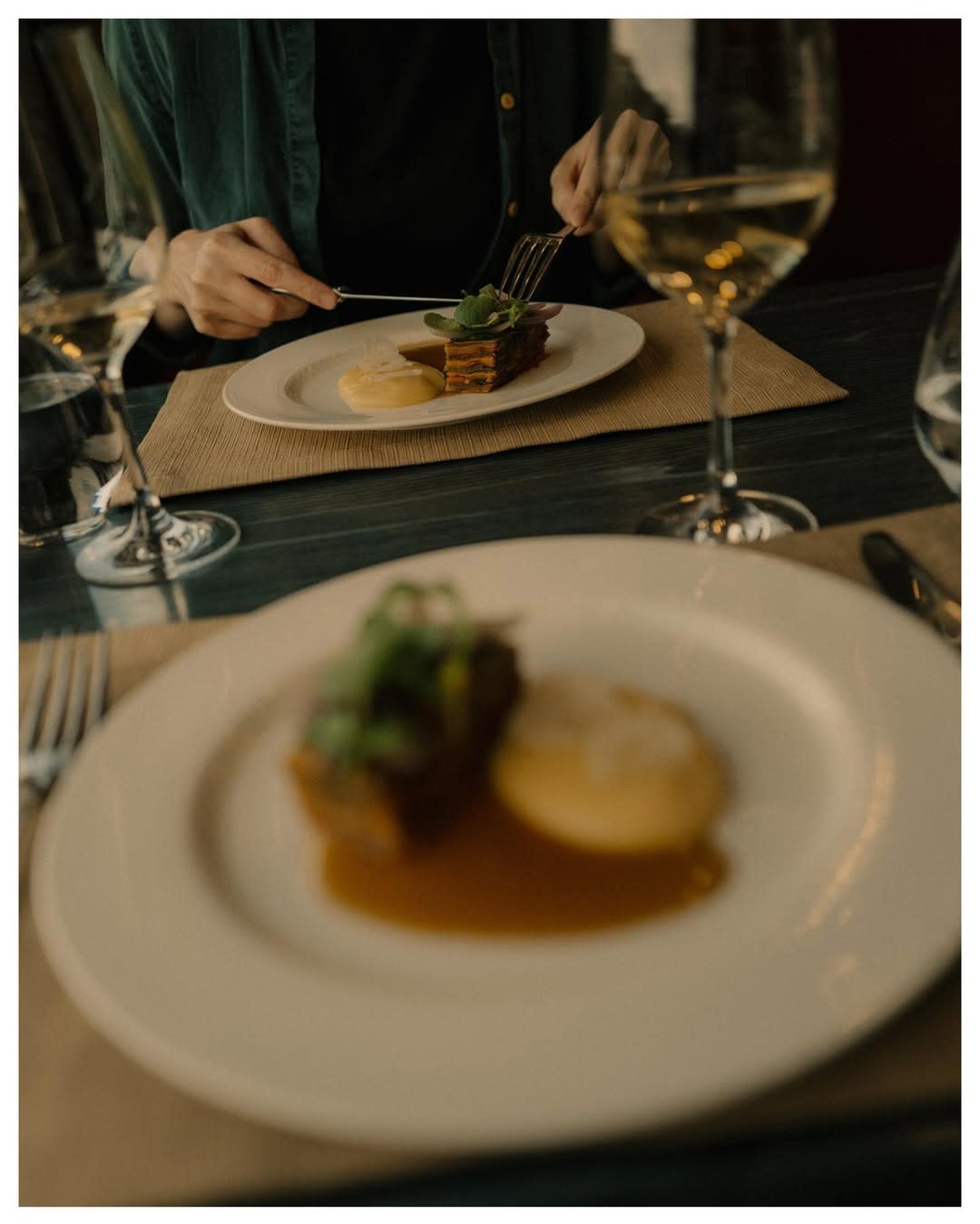
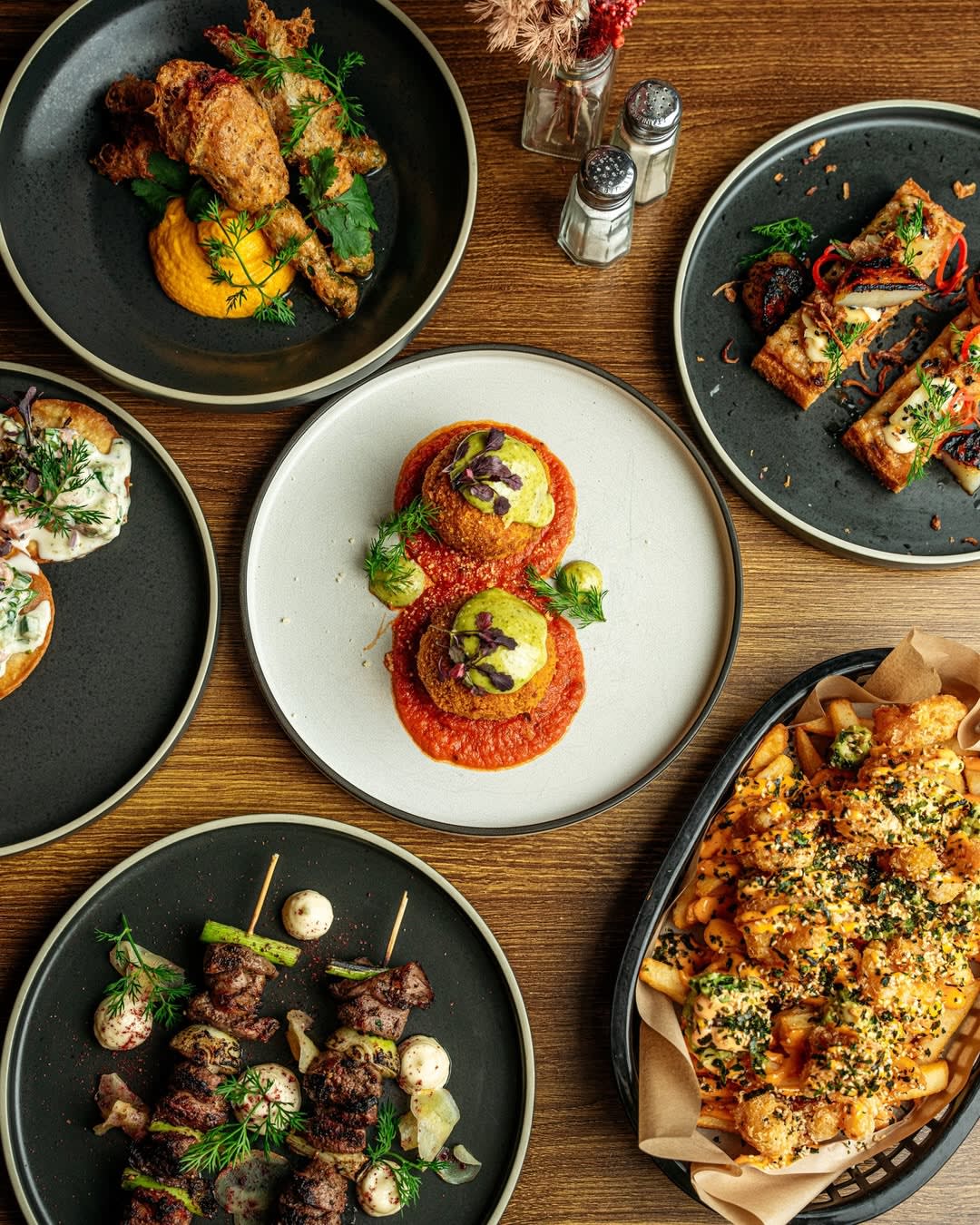
Eating in Barranco, beyond Virgilio Martínez's Central, includes Cala (coastal cuisine in the old tram station with malecón views), Isolina (homestyle Creole in the picantería tradition of the 1940s), and La 73 (contemporary Peruvian, accessible, lively). Evenings are quiet until eleven; after that, the bars on Sáenz Peña —Ayahuasca, Victoria Bar, Barra 55— fill with a local crowd of thirty- to forty-year-olds.

Miraflores: the cosmopolitan city
Miraflores is what the foreign visitor usually associates with Lima. It is the most international neighbourhood, the one with the most hotels, the one connecting the Pacific with Avenida Larco as a vertebral column. Density is greater than in Barranco —fifteen- to twenty-storey buildings, restaurants on every block, considerable traffic— but so is the offering.
Parque Kennedy, in the heart of the neighbourhood, is the main square in Lima dialect: park cats, used-book sellers, anticucho grills at night. Around it, the boutiques of Peruvian designers: Meche Correa for high-end alpaca; Sumy Kujon, contemporary jewellery with Peruvian stones; Mozh Mozh, contemporary textile by Sumy Kujon; Las Pallas, one of the country's first folk-art shops.
Miraflores concentrates Lima's major international hotels. Belmond Miraflores Park, on the malecón, is the most considered: cliff-edge pool, panoramic Pacific view, eighty-eight rooms. JW Marriott, also on the seafront, offers the standardised Marriott version. Hilton Lima Miraflores is uphill, with no sea view but three minutes from Larcomar.
The tables that matter in Miraflores are Maido, Mayta, Astrid y Gastón —technically in San Isidro but five minutes by car—, and La Mar for midday ceviche. For a dinner outside the ranking, we recommend La Picantería by Héctor Solís, where Northern Peruvian cuisine is served without pretension.
San Isidro: power, quietly
San Isidro is where Lima's money sleeps. It is the neighbourhood of banks, embassies, presidential residences, the four-thousand-square-metre garden houses that still survive hidden behind tall walls. The neighbourhood's calm —less traffic, more trees, institutional rhythm— is its main value.
El Olivar, a park of five thousand olive trees planted in the sixteenth century, is the heart. A walk along its paths at dawn, before seven, is one of the rituals we recommend to our guests: three thousand trees, squirrels, birdwatchers with binoculars, a silence that in a city of ten million inhabitants seems impossible.
The flagship hotel is Country Club Lima Hotel. Built in 1927 in neo-colonial Republican style, it preserves the original library with first editions, the historic bar —where the pisco sour recipe still served was invented— and a service inherited generation by generation. The room is secondary: what matters are the common spaces. The Westin Lima, in a forty-six-storey glass tower, offers the counterpoint: panoramic views, semi-Olympic pool, Maras —the restaurant on the top floor— as one of the best private dinner reservations in Lima.
For dining in San Isidro: Astrid y Gastón at Casa Hacienda Moreyra; La Rosa Náutica, technically in Miraflores but on the seafront; and Maras at the Westin for a dinner with view. Lunches happen at La Pescadería de Lobito —fresh fish, minimalist setting— or at El Mercado, chef Rafael Osterling's space.
Choosing a base
For a first trip to Lima, we recommend Miraflores. It is the base with most connections, most nearby dining options, most service density. For a second trip or for those who prioritise atmosphere over efficiency, Barranco. San Isidro is the choice for the institutional traveller or for those combining Lima with business who need the financial-district rhythm.
The three neighbourhoods are fifteen minutes apart by car outside rush hour. Staying in one does not mean giving up the others. Most of our guests spend breakfasts and mornings in their base neighbourhood, and move to the others for dinners and cultural visits.
Written by Kada Travel Editorial
Frequently Asked
All three are safe within the usual tourist zones. San Isidro is the most institutional. Miraflores has more visible police presence. Barranco is more residential. The standard precautions of any large city suffice.
An Uber between Barranco and Miraflores costs 8 to 15 soles (USD 2-4); between Miraflores and San Isidro, 10 to 18. Hotels offer private transfers at fixed rates. For evenings we recommend Uber for simplicity.
Yes, especially in late afternoon. Five kilometres of cliff, paragliders aloft, Pacific view, parks every five hundred metres. We recommend walking it from north to south (Larcomar toward Barranco) to arrive in Barranco at aperitif hour.
Not relevant. All three sit between 50 and 150 metres above sea level. Lima is a coastal city; altitude sickness is not an issue here. It will be on the fourth day, in Cusco.
Yes, along the malecón. Five kilometres, an hour and a half at unhurried pace. It is the walk we most recommend to our guests on day one. The end, at the Lighthouse Park or at Larcomar, leads naturally into dinner.
Rooms at Hotel B in Barranco and Country Club Lima Hotel in San Isidro are comparable (USD 450-650 per night). Belmond Miraflores Park sits in the upper range (USD 550-800). The most expensive cocktail is at the Country Club; the most expensive dinner is at Maido.
Design Your Journey
Design your bespoke Peru journey
We talk. We listen. Then we design an itinerary that belongs only to you.
Start Planning