Madre de Dios, Tambopata
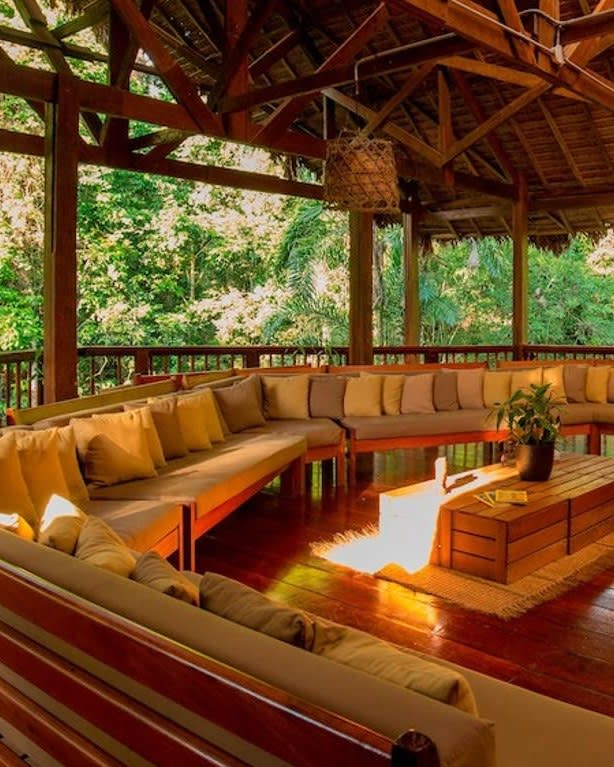
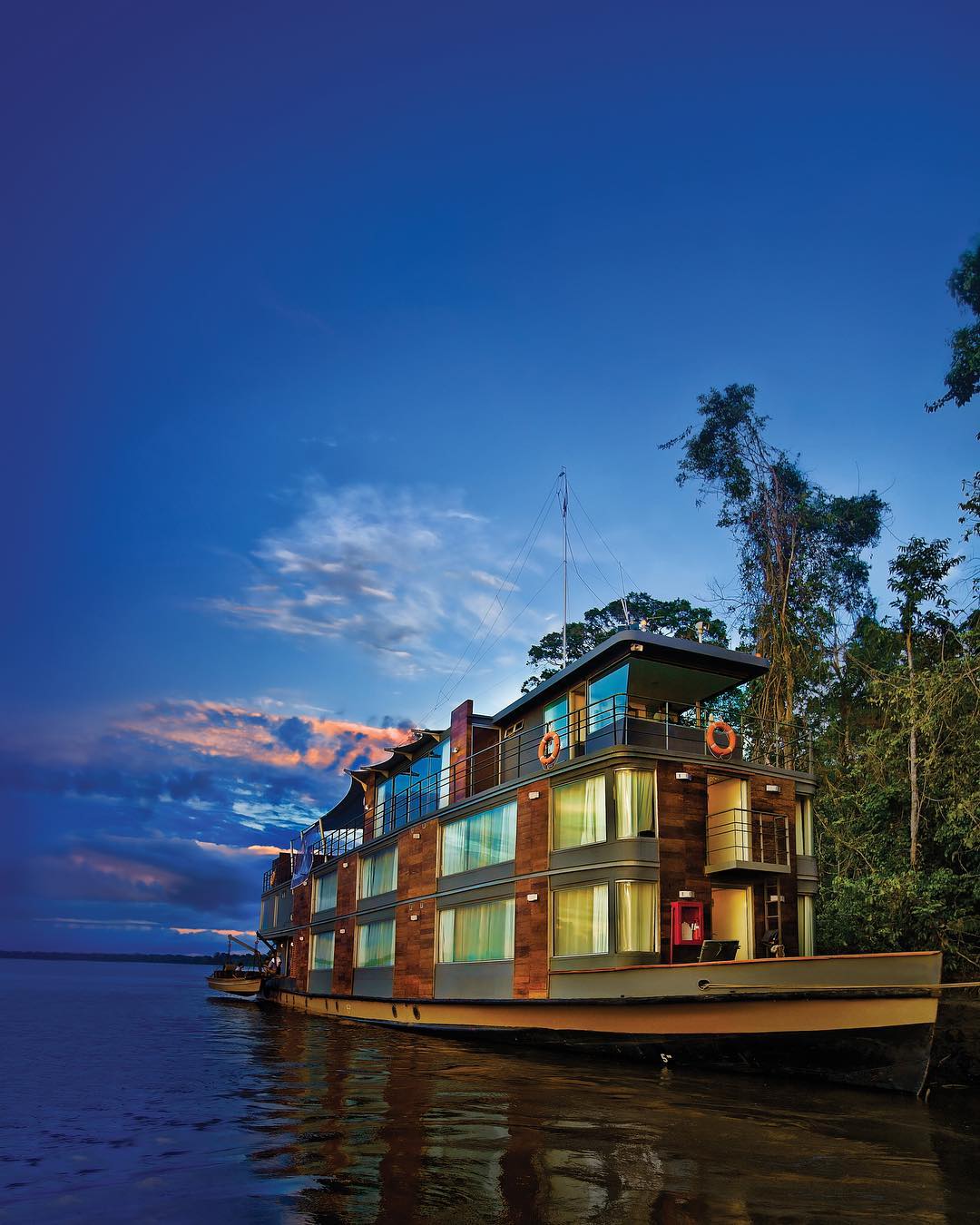
Inkaterra Reserva Amazónica
Chosen for its details, its service, and its sense of place.
Discover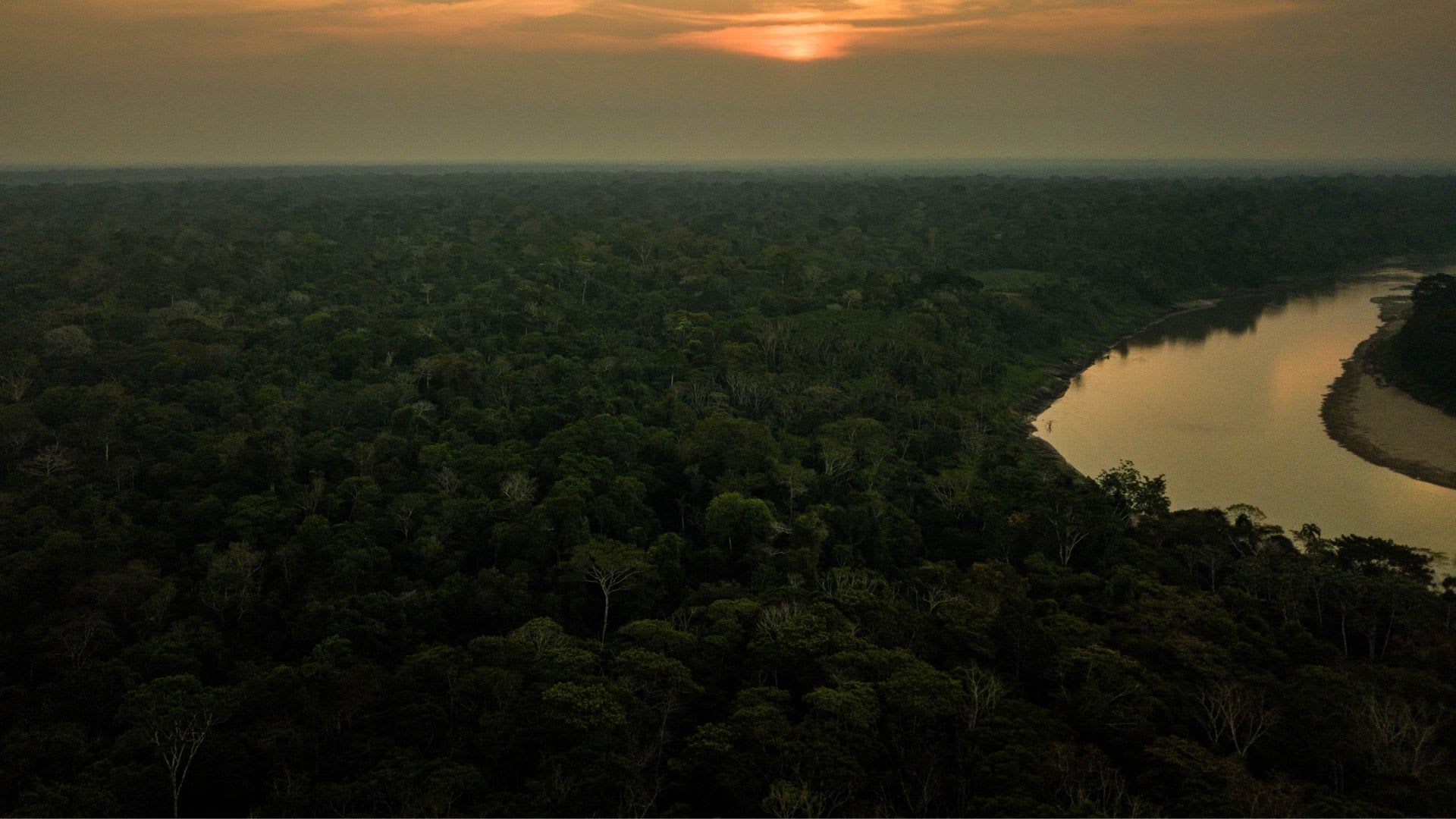
Untamed wilderness and ecological luxury
Peru · Iquitos / Puerto Maldonado
The Coordinate
Jungle & Amazon, Peru-10.5000°, -71.0000°
The Chronicle
The Peruvian Amazon holds 10 percent of all species on earth in a territory the size of France. Tambopata, Manu and the Iquitos corridor each offer a radically different face of the same wilderness. Our naturalist guides have spent decades reading this ecosystem — tracking jaguars by pawprint, identifying macaws by wingbeat, anticipating river dolphin movements by current. We place you inside the forest, not beside it.
The Territory
I
Territory · 01 / 03
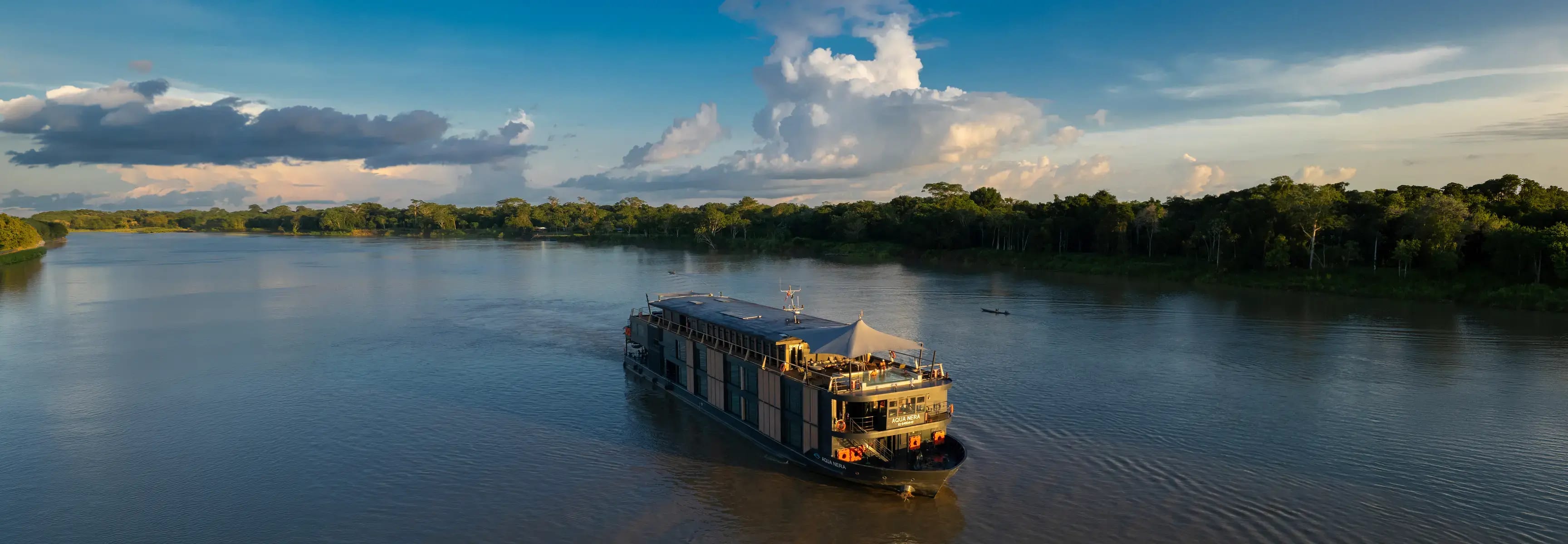
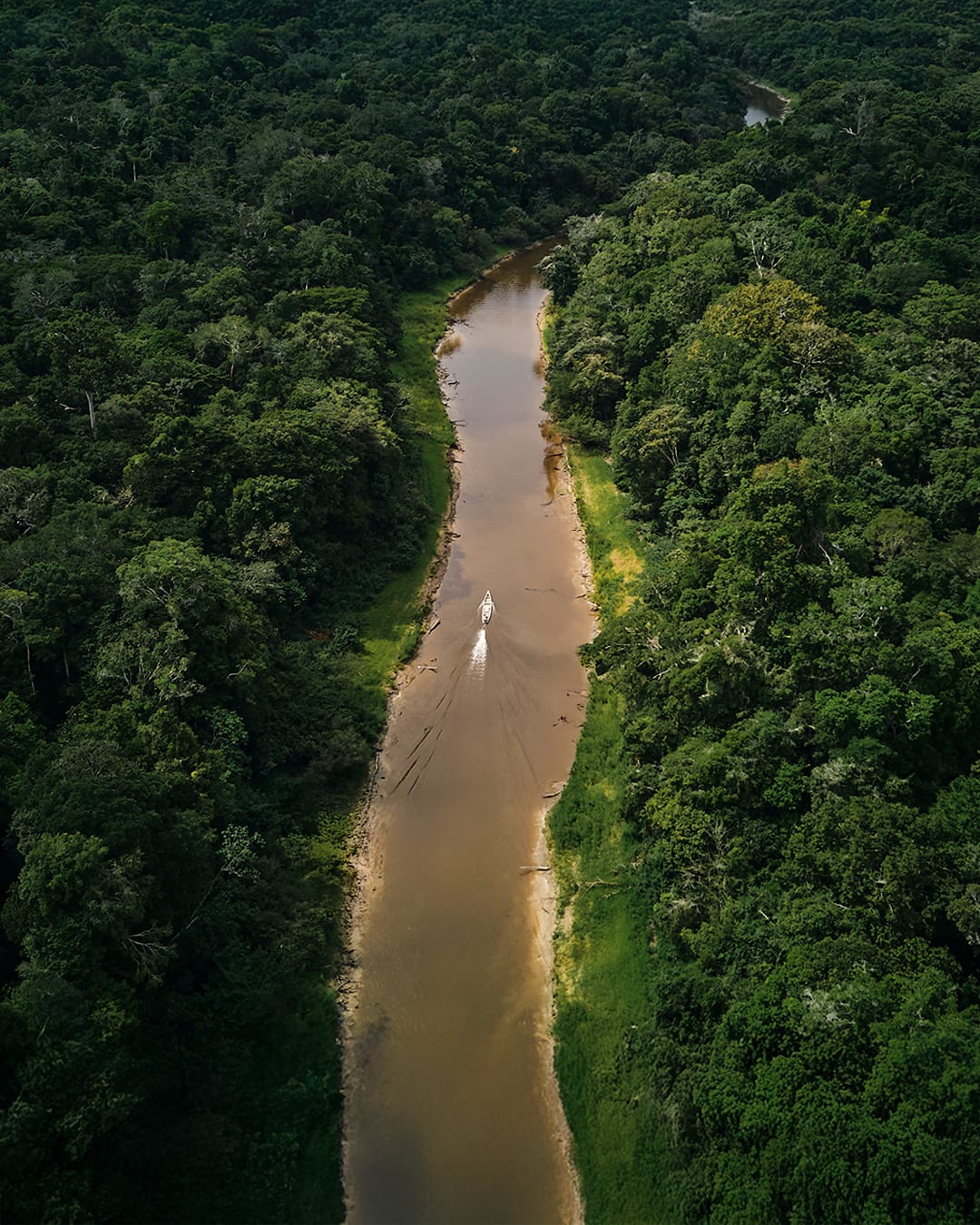
Iquitos is the world's largest city inaccessible by road — reachable only by river or air — and the gateway to the northern Amazon corridor. The Pacaya-Samiria National Reserve, three times the size of the UK's National Park system, is best explored by private river expedition: motorised skiff by day, lodge by night. Pink river dolphins, giant Victoria lilies and flooded forest canopy characterise this zone.
II
Territory · 02 / 03
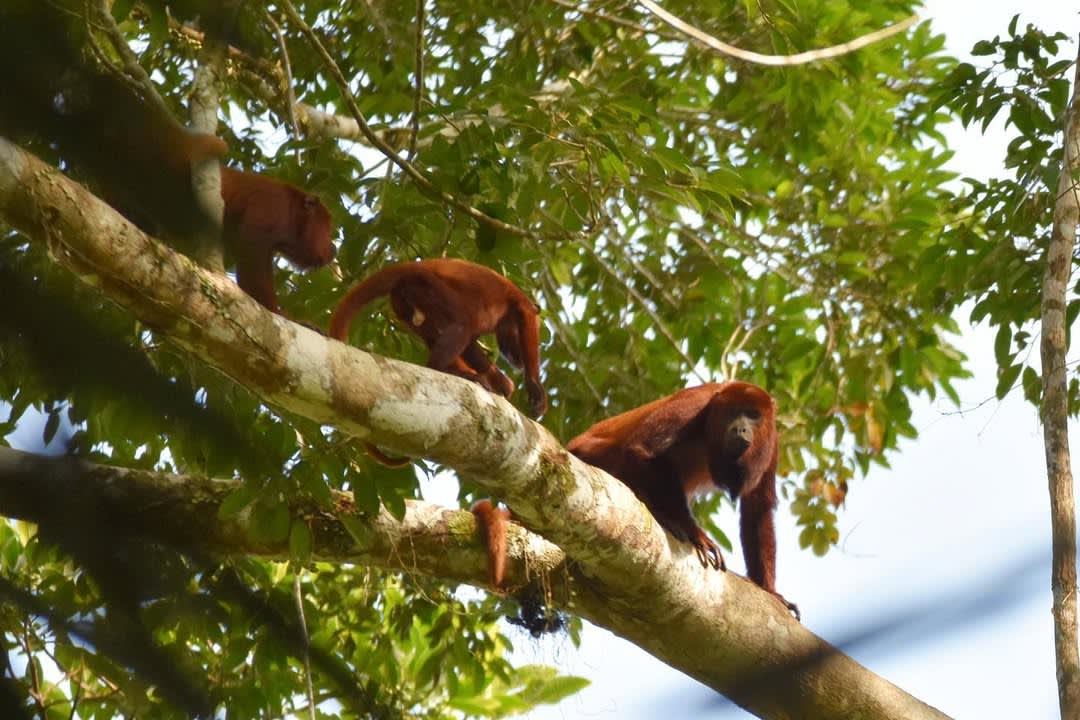
The most accessible of Peru's premier jungle destinations — a 30-minute flight from Cusco into a UNESCO Biosphere Reserve. The Tambopata Research Center sits adjacent to one of the world's largest macaw clay licks: up to 1,000 birds arrive each morning in a spectacle of primary colour. Resident species include giant river otters, black caimans, tapirs and all six species of Peruvian cat. We arrange private riverside lodge camps with specialist naturalist guides.
III
Territory · 03 / 03
The most biodiverse protected area on earth, and one of the most strictly controlled. Manu's core zone is accessible only by river, which means its wildlife has limited contact with humans — resulting in encounters of extraordinary intimacy. The cloudforest transition zone at 1,500 metres hosts spectacled bears and cock-of-the-rock birds. Manu requires advance permits; we handle all logistics and pairing with permitted research lodges.
The Calendar
Water levels drop, concentrating animals at remaining water sources. This is the optimal period for mammal sightings — tapirs at clay licks, giant otters at oxbow lakes, cats on exposed riverbanks. The macaw clay lick at Tambopata is most active in June and July. Trails are accessible and river travel is swift. Lodge availability is limited; book six to nine months in advance for this window.
The Amazon floods, transforming the forest into a navigable inland sea. Canoe expeditions reach treetop level through flooded forest. Birdlife is exceptional — nesting season means activity at every level of the canopy. Some remote lodges close during peak flood (February–March); river dolphin sightings increase as fish enter the forest. A smaller number of visitors makes for a profoundly solitary experience.
Visual Essay
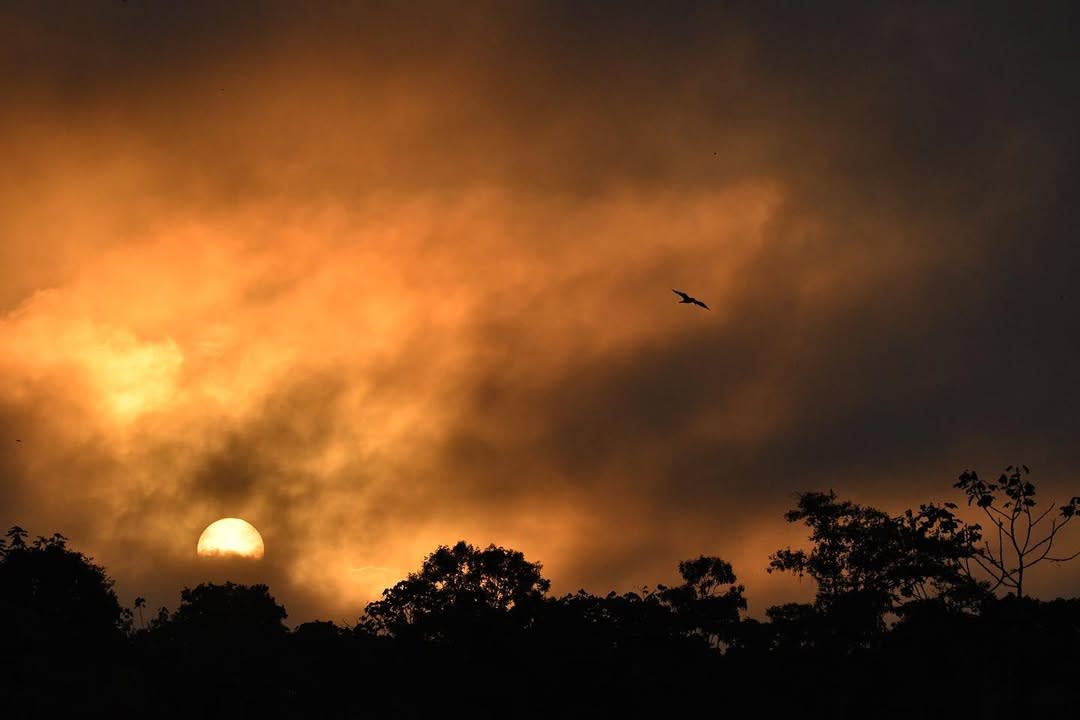
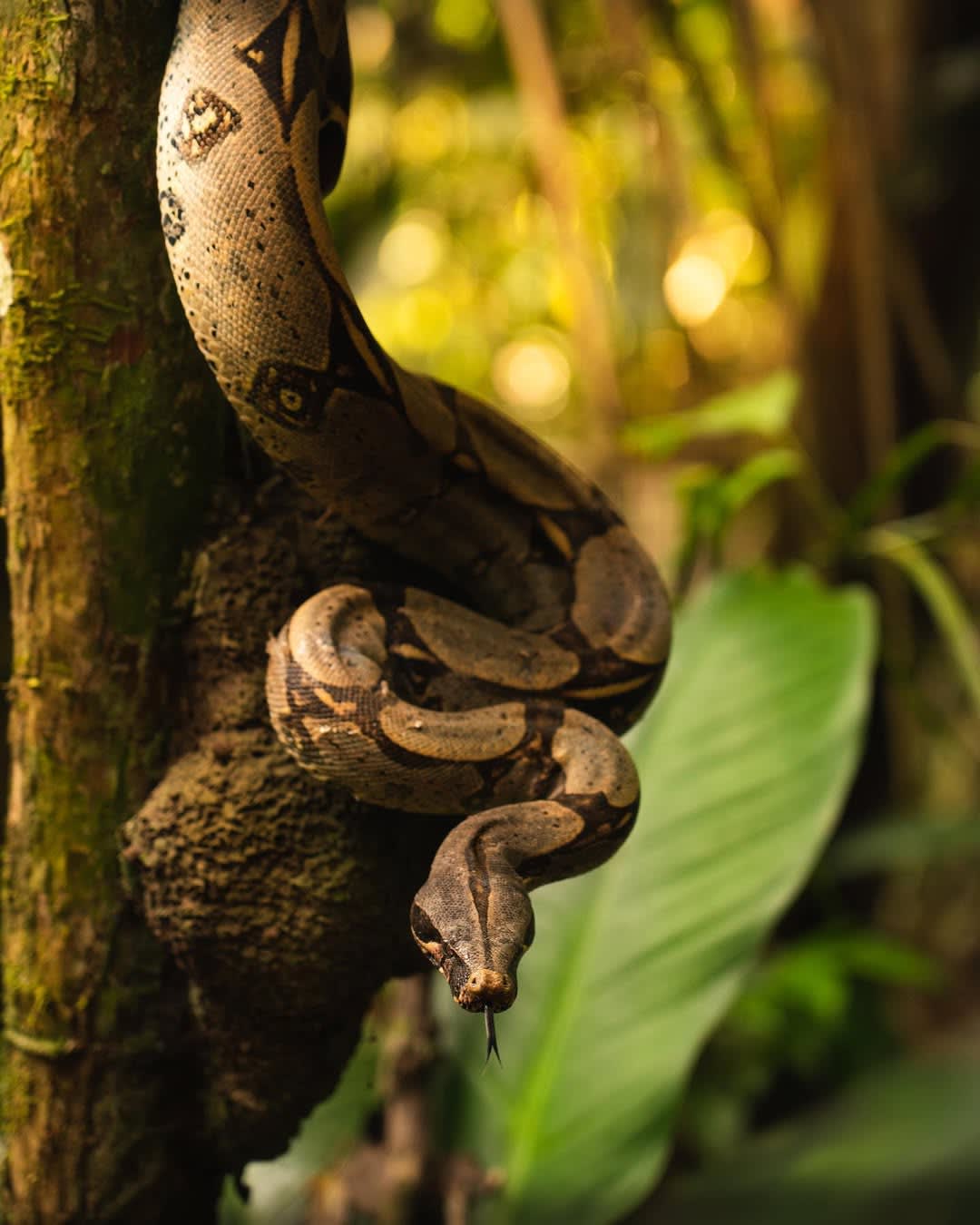
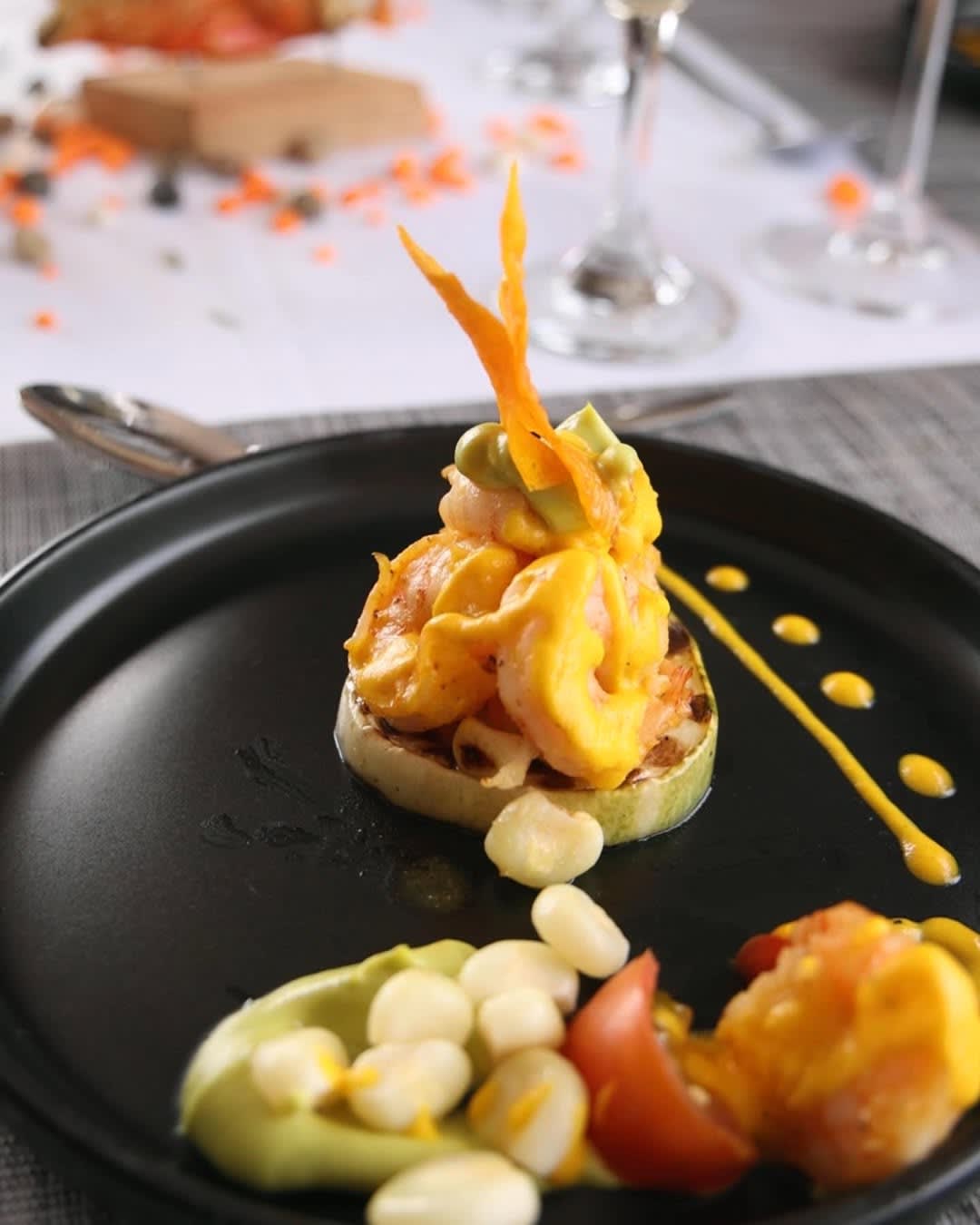
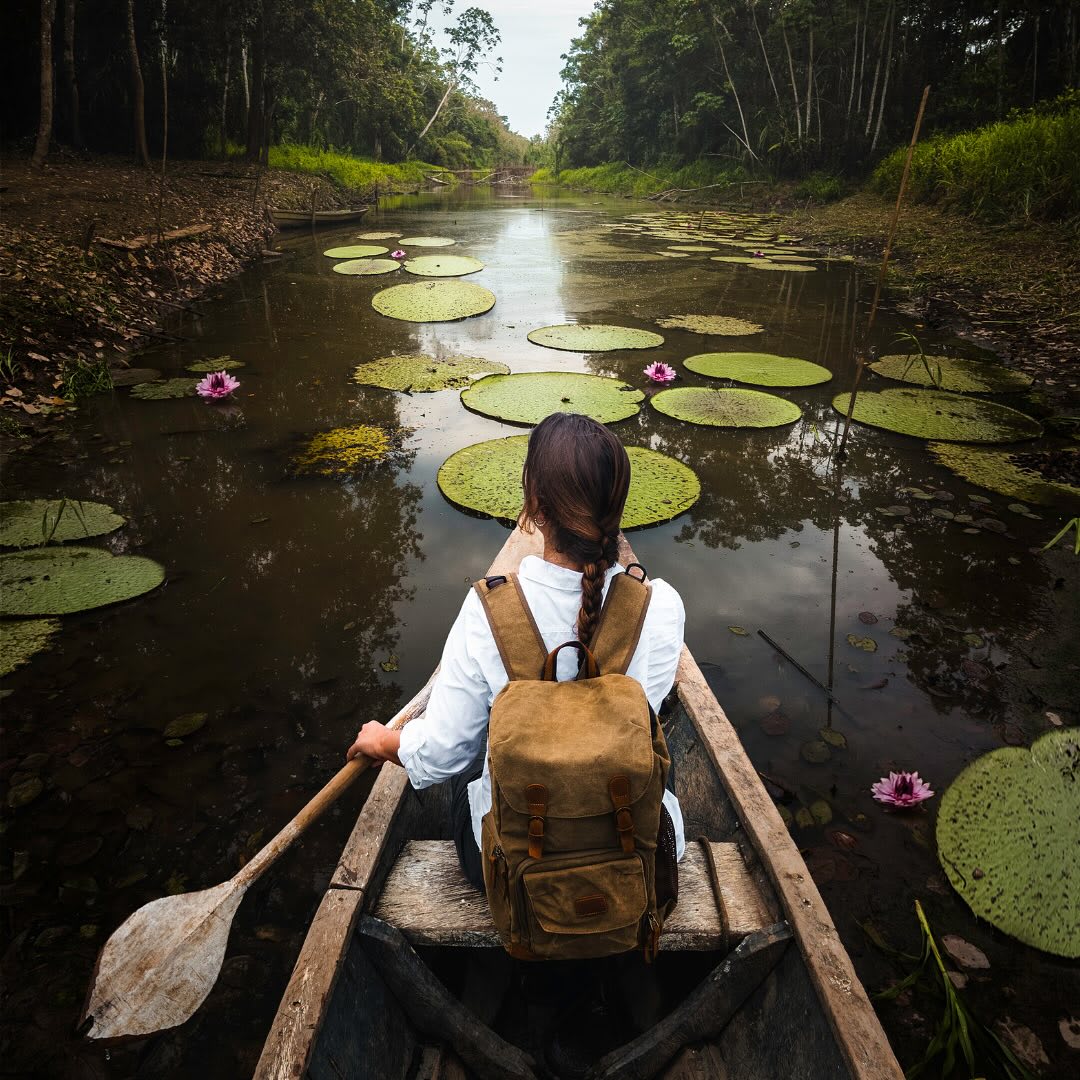
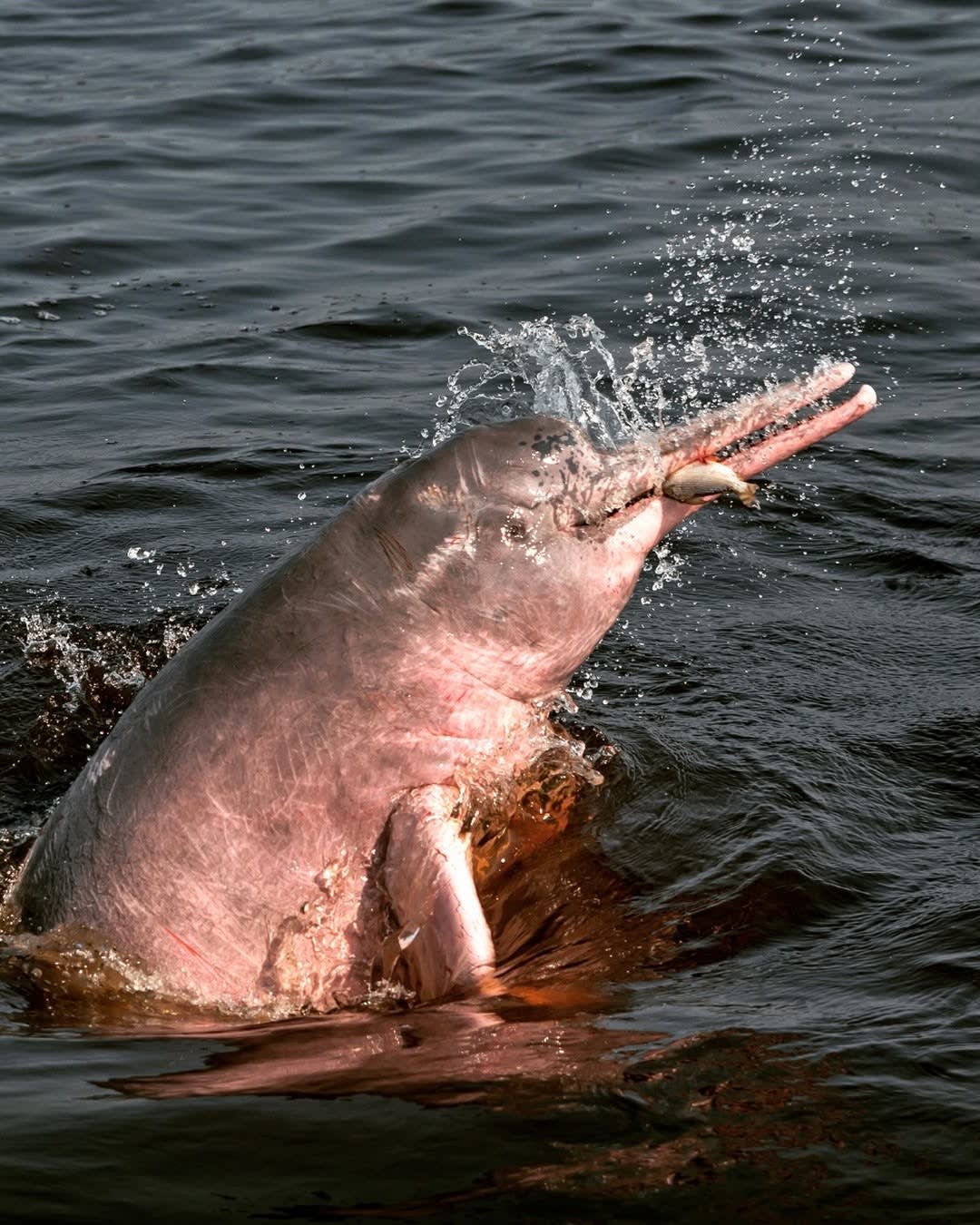
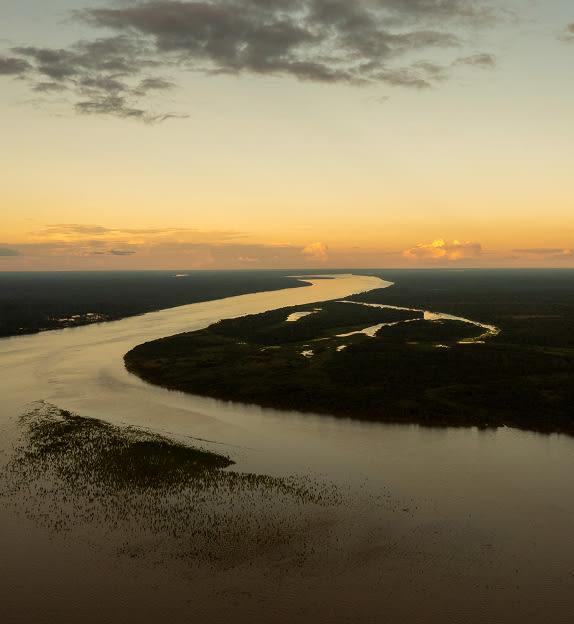
Photographs curated by Kada Travel · Jungle & Amazon
The Curation
I
Experience · 01 / 05
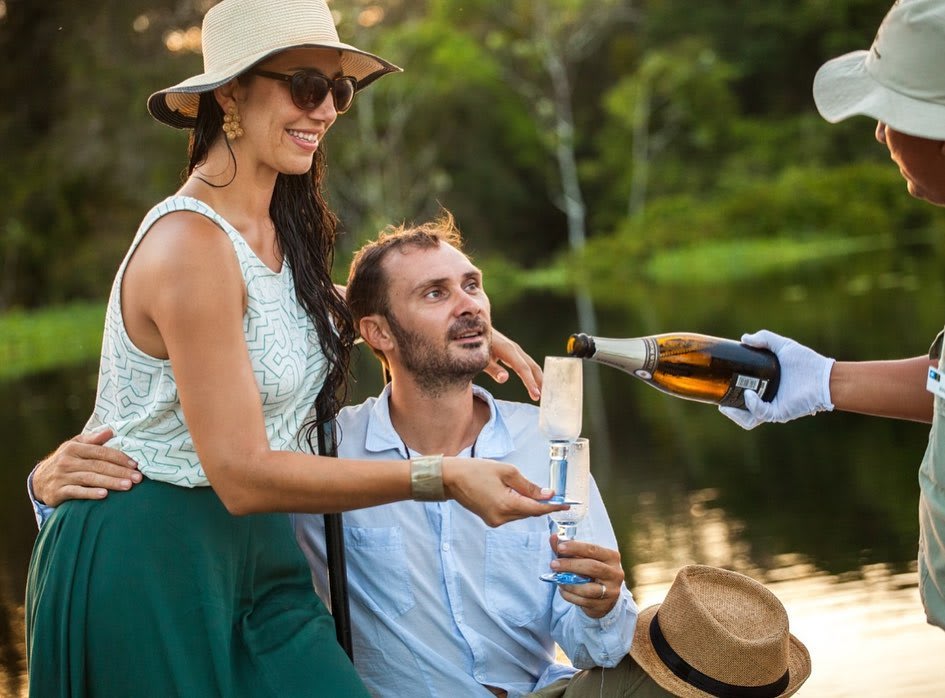
Elevate your perspective with a private gourmet dinner served on a platform suspended 30 metres above the ground. Surrounded by the emerald embrace of the rainforest's crown, enjoy a tasting menu of jungle-fusion cuisine as the sunset paints the sky in shades of violet, and the symphony of the forest begins its nightly performance.
II
Experience · 02 / 05
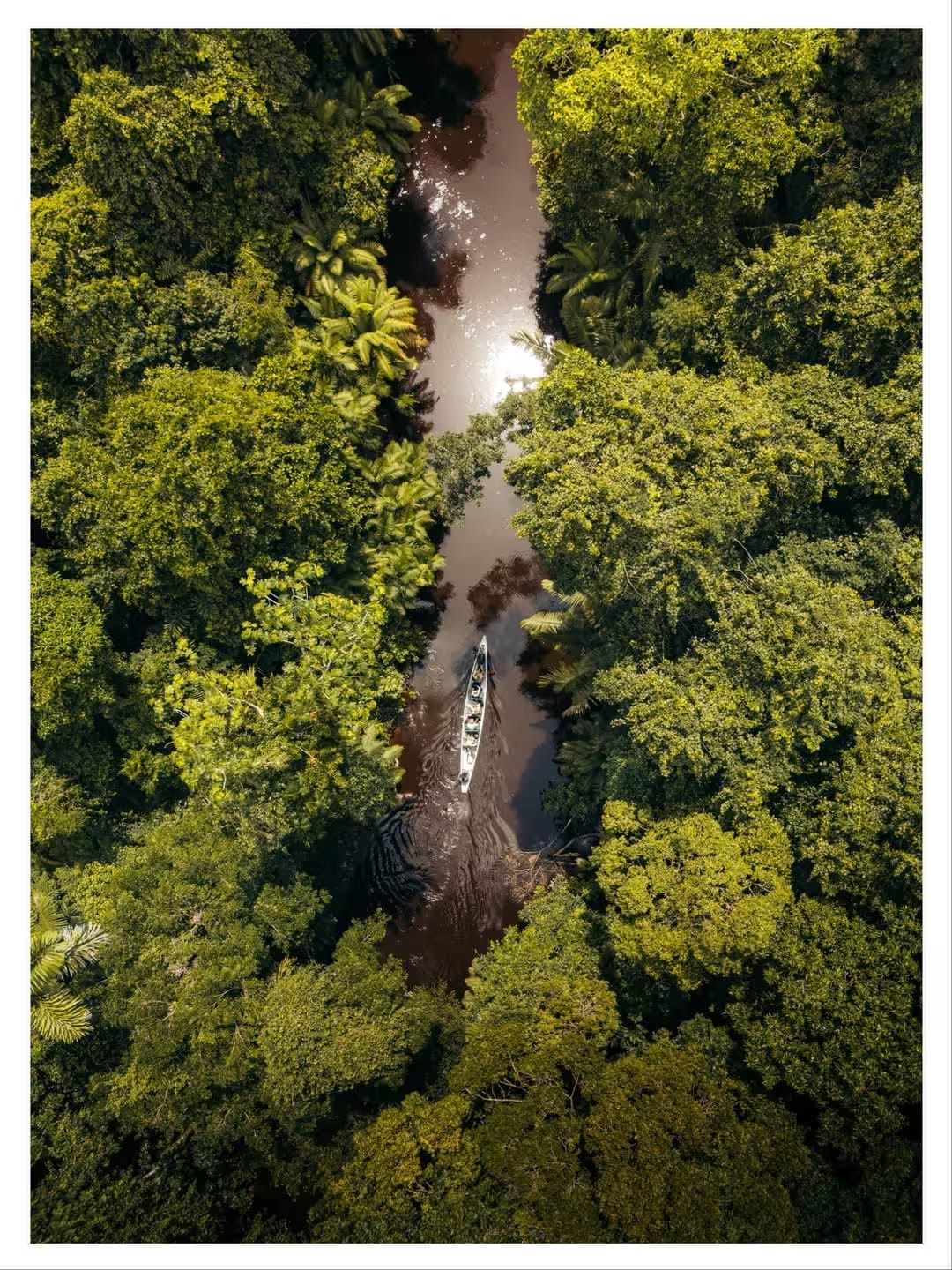
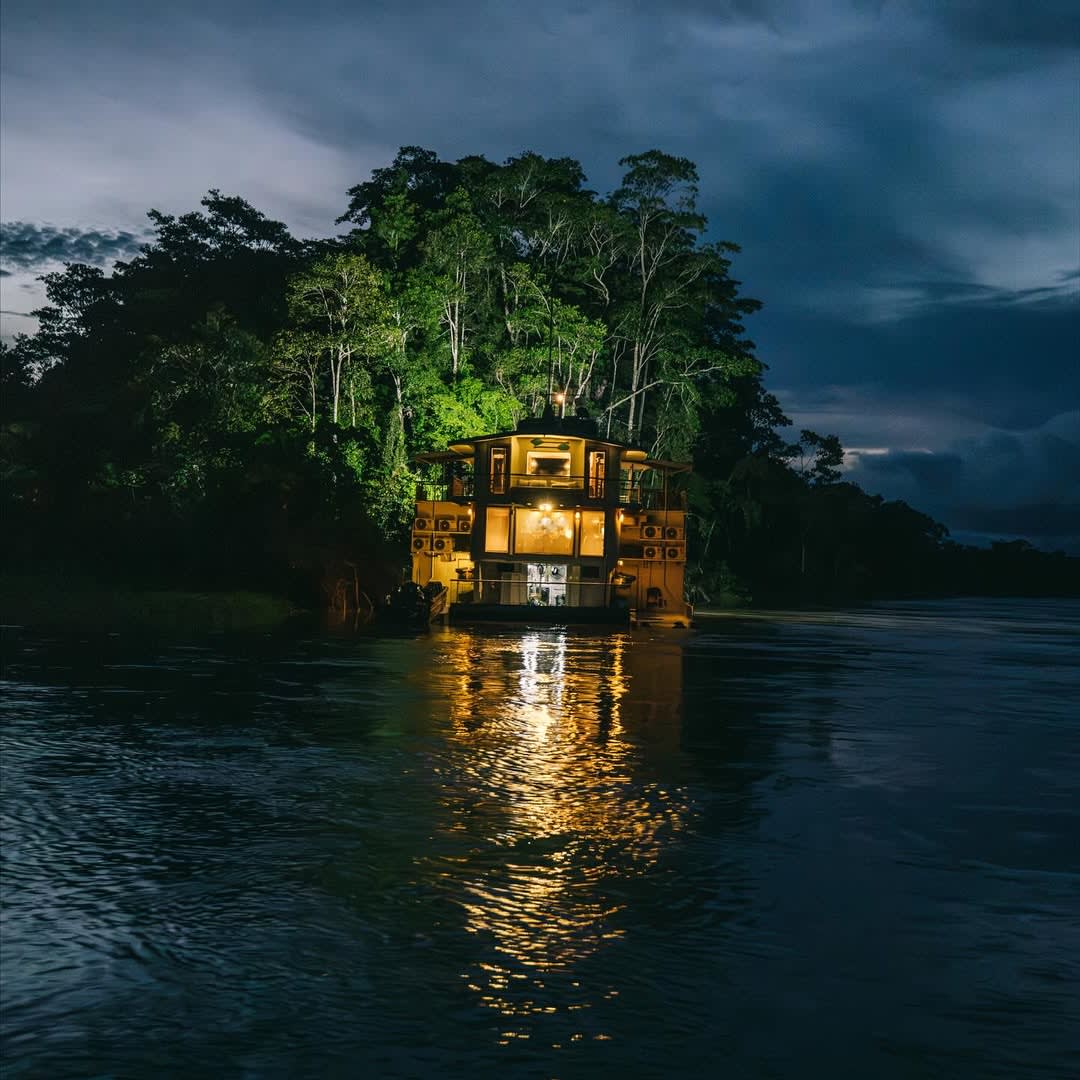
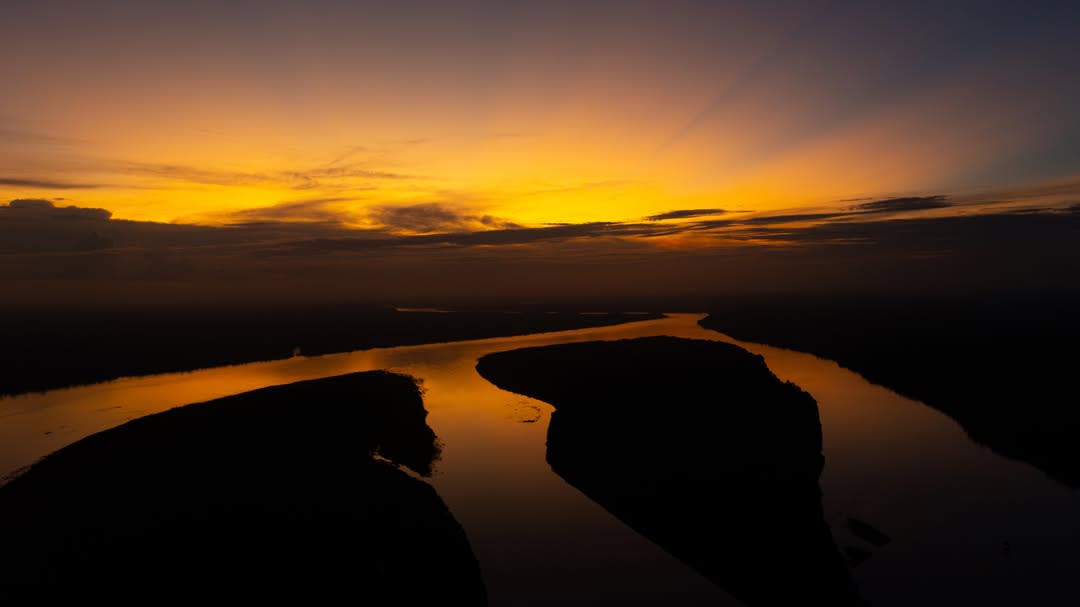
Explore the Pacaya Samiria National Reserve aboard a private, luxury river skiff. Navigate through black-water creeks that act as perfect mirrors for the towering trees and clouds above. Guided by experts who identify macaws by the beat of their wings, this silent journey offers intimate encounters with pink river dolphins and prehistoric hoatzin birds.
III
Experience · 03 / 05
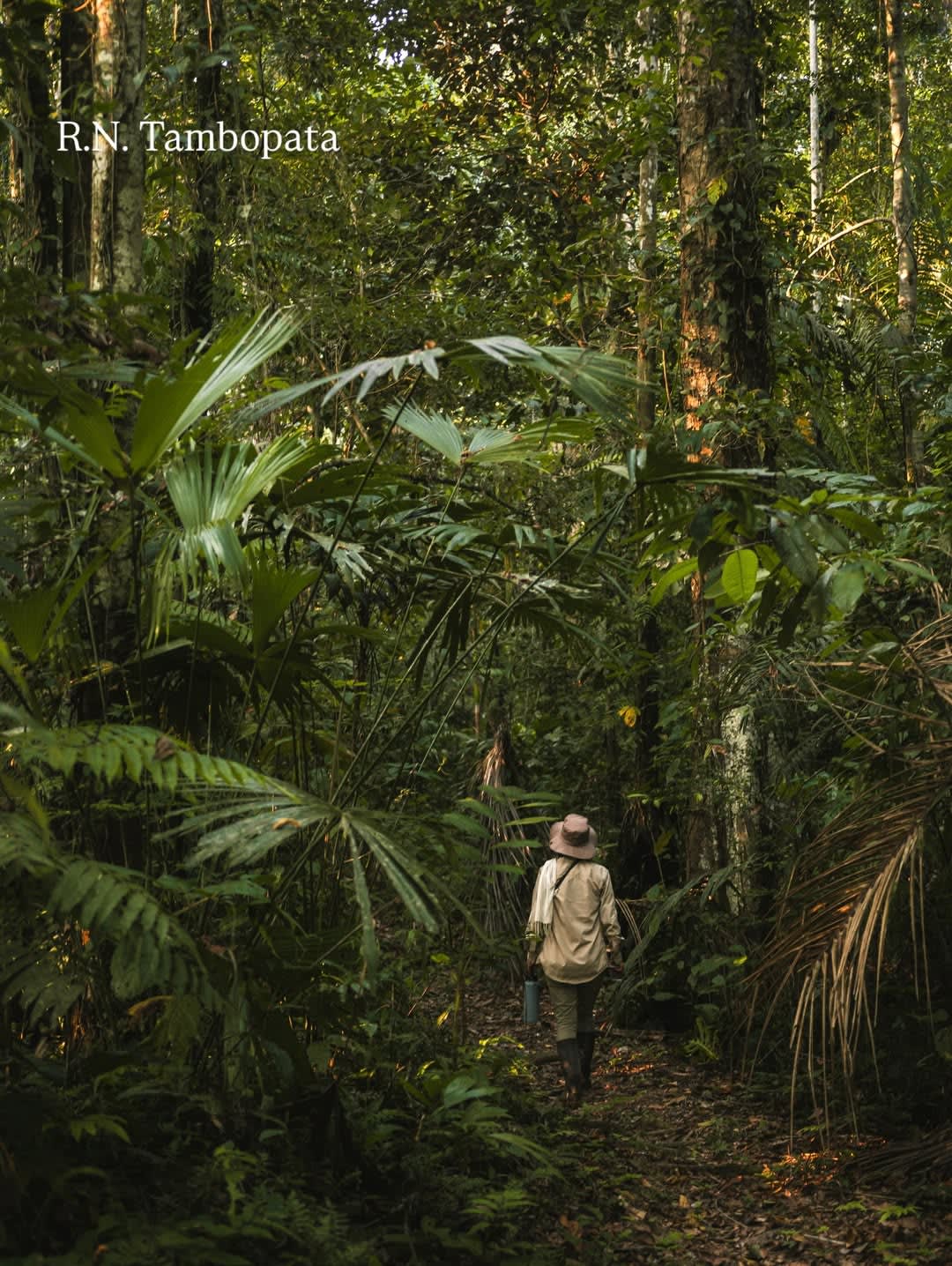
Embark on a private tracking expedition in the heart of Tambopata or Manu. Accompanied by trackers who read the jungle like a manuscript, you will follow the subtle signs — a print in the mud, a scent in the air — to find the continent's most elusive predator. This is a lesson in patience and profound connection with the wild.
IV
Experience · 04 / 05
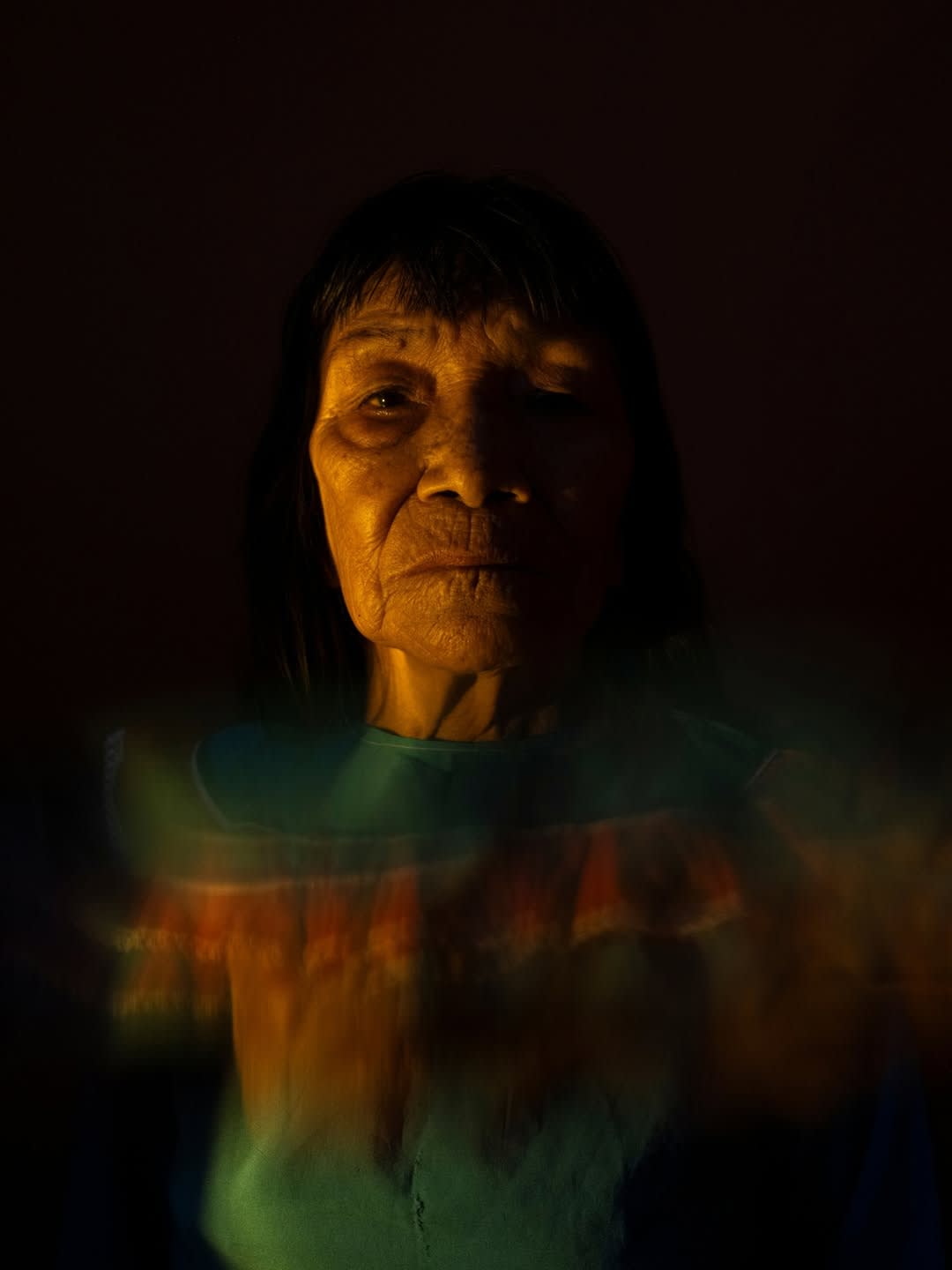
Discover the Living Pharmacy of the Amazon with a private encounter led by an indigenous elder. Learn about the ancestral uses of master plants and participate in a cleansing ritual that honours the spirit of the forest. It is a deep, respectful dive into the cosmogony of the tribes that have guarded this green labyrinth for millennia.
V
Experience · 05 / 05
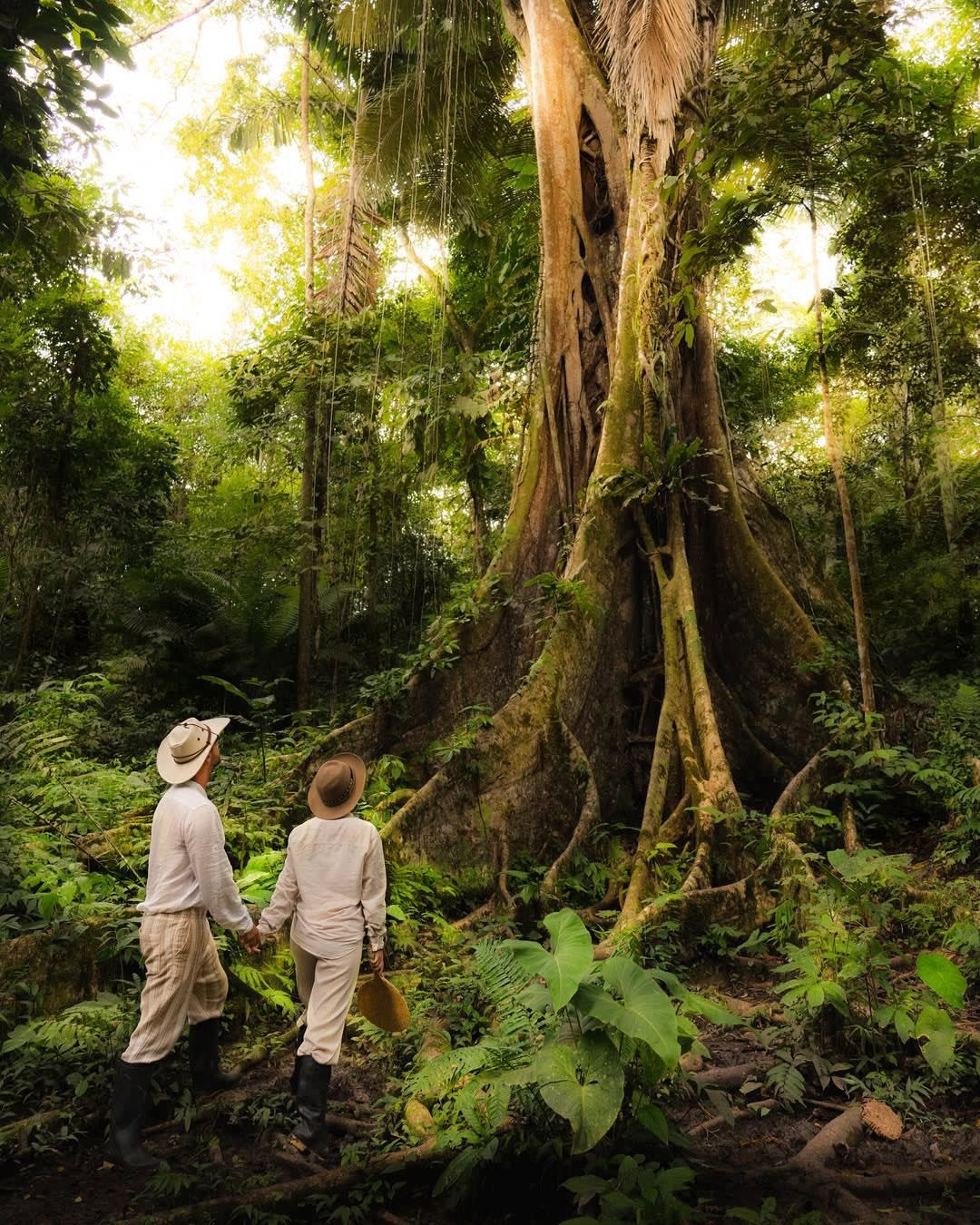
Venture into the forest after dark, when the shadows come alive. With high-end thermal equipment and the sharp eyes of our naturalists, witness the glowing eyes of caimans along the riverbanks and the intricate world of bioluminescent fungi and nocturnal primates. It is a sensory experience where sound takes precedence over sight.
Kada Unfolded
Three Unfolded experiences our Travel Directors curate in the most biodiverse forest on Earth.
Wildlife · Tambopata
The Collpa Chuncho at 5:30 AM: 300+ scarlet, blue-and-yellow, and red-and-green macaws on Tambopata's riverine clay cliff, private blind, licensed biologist. A Kada Unfolded experience.
Wildlife · Tambopata
Nocturnal wildlife walk in Tambopata with a herpetologist: black caimans, poison-dart frogs, tarantulas, and nocturnal primates after dark in the reserve. Private, silent, scientific. A Kada Unfolded experience.
Expedition · Pacaya Samiria
Pacaya-Samiria National Reserve by luxury river vessel: 4-7 days in the flooded Amazon, pink boto dolphins, black caimans, anacondas, and manatees in Peru's largest protected reserve. A Kada Unfolded experience.
Continue the Conversation
Deeper journeys · Different perspectives
Start Planning Your JourneyLuxury Travel · Peru
Reflections from the road — an intimate journal of the places and moments that define our journeys.