Destinations· 9 min read·13 December 2024
Colca Canyon: How Many Days and Where to Stay
Twice as deep as the Grand Canyon — and why two nights is the minimum to see the condor without crowds.
By Kada Travel Editorial
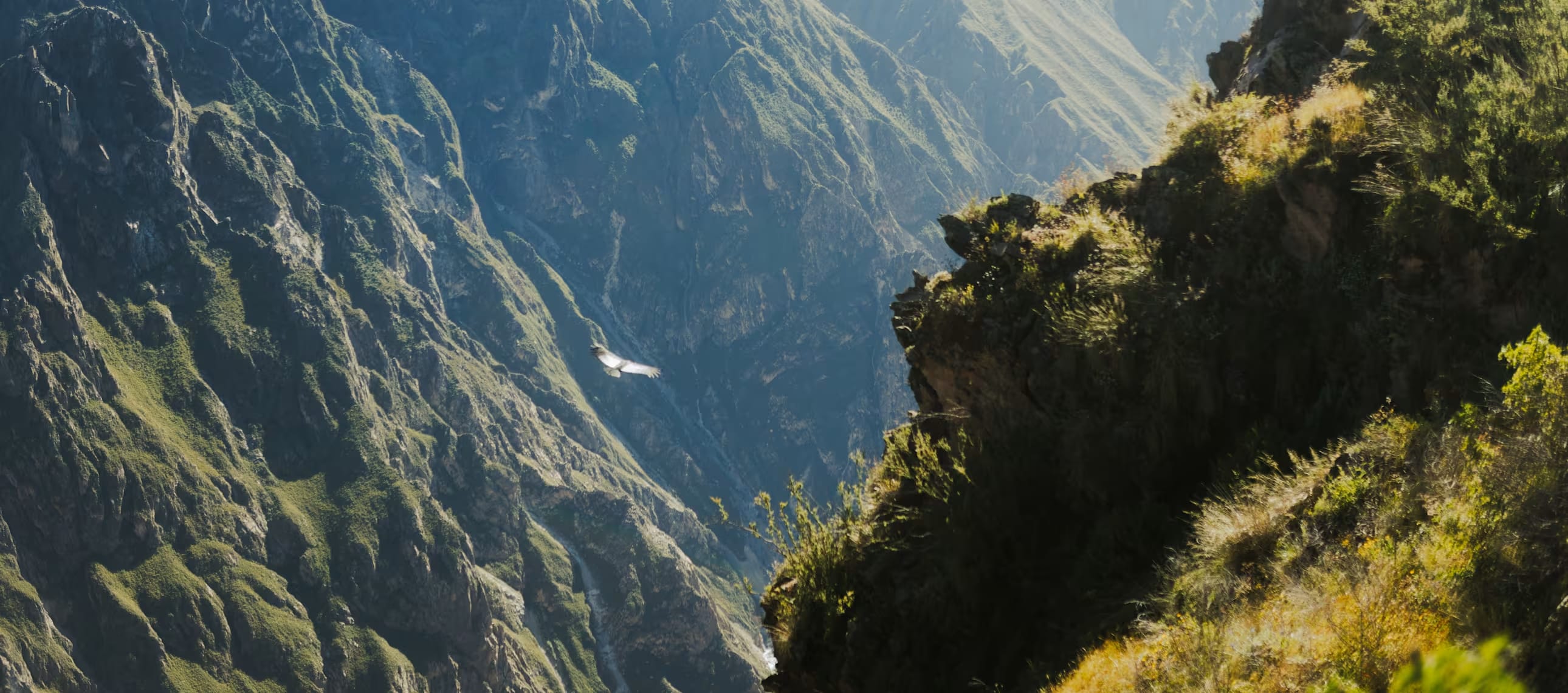
The Colca Canyon drops 3,270 metres from the altiplano rim to the Colca river below. Twice as deep as the Grand Canyon and a quarter deeper than the Cotahuasi Canyon (also Peruvian, also in Arequipa, neighbouring Colca). The figure is geographical and abstract until the visitor leans over the Cruz del Cóndor at seven thirty in the morning, before the first group, and feels the three-thousand-metre thermal current rising from the canyon floor. That is when one understands why condors —birds of three-metre wingspan, heavy, unable to fly without thermal lift— chose this place to live.
Colca is the second destination on the southern Peru route after Arequipa. It sits four hours by private car from the white city, on an asphalted road climbing from Arequipa's 2,300 metres to the 4,910 of the Patapampa pass before descending to the 3,700 of the Colca valley. The altitude matters. This guide arranges the most frequent question —how many days for Colca— and its parallel —where to stay— around the traveller for whom the itinerary is being designed.
How many days: the short and the long answer
The short answer is two nights. The long is between two and four, depending on the traveller's mood and prior experience.
Two nights is the minimum. Arrival in Chivay (the valley's capital) on day one morning, lunch, acclimatisation afternoon with a visit to La Calera thermal baths. Day two: six AM departure to Cruz del Cóndor, afternoon in valley villages (Yanque, Maca, Coporaque), return to hotel. Day three: morning departure to Arequipa. The condensed version that covers the essentials without feeling rushed.
Three nights permit a full exploration day. Visit to the pre-Inca terraces of Coporaque and Yanque (the most extensive agricultural terraces in Peru, in continuous use since the eighth century), a hike to the rock paintings of Mollepunko, and optional: descent to the canyon floor —three hours down, four up— to the Sangalle oasis. The version we recommend for couples and for travellers with naturalist or cultural interest.
Four nights are for serious trekking. Colca has three three-day trek routes: Cabanaconde-Sangalle-Cabanaconde (the classic, canyon descent), Cabanaconde-Tapay-Sangalle (the long, through two canyon villages), and the route to Choquetacarpo (the most remote terraces). All three require guide and porters —the canyon-floor villages have no roads, only paths.
The condor, without crowds
Cruz del Cóndor is Peru's most-visited viewpoint after Machu Picchu. Twenty thousand people per year, concentrated between nine and eleven in the morning, when condors use the first thermals to rise from the canyon floor. The viewing window is real but short: from eleven the wind shifts and the condors disappear from sight.
To avoid the crowds, we recommend arriving at seven AM —two hours before the group-tour buses. At that hour the viewpoint is empty, the sun has not climbed, and the condors still rest on the canyon walls. The first launch is at eight. Between eight and nine thirty, fewer than a hundred people are at the viewpoint. After ten, the Arequipa tour buses arrive with five to eight hundred daily visitors.
The number of condors visible varies. On a good day, twelve to twenty. On an average one, five to eight. The current canyon population is estimated at one hundred and twenty condors —more than halved in fifty years through lead-poisoned carrion and illegal hunting. It is the most accessible Andean condor population on the continent.

The terraces: Colca's other story
The canyon is famous for the condor, but Colca's true depth is in its agricultural terraces. The Collagua culture, predecessors of the Incas in this valley, built stepped terraces on the canyon walls fifteen hundred years ago to grow quinoa, kiwicha, maize and potato at impossible altitudes. The Incas inherited them, expanded them and integrated them into the empire. They are still in use: forty thousand hectares of active terraces, cultivated by the same Collagua families who have lived in the valley for centuries.
We always recommend including, on day two of the itinerary, a guided visit to the terraces of Coporaque or Yanque with a local agronomist. Two hours of walking the terrace paths, explanation of the irrigation system (pre-Hispanic canals still in use), recognition of native varieties (more than two hundred kinds of potato in this valley alone). It is the visit that transforms Colca from landscape into a living cultural system.
Colca is not a canyon with condors. It is a fifteen-hundred-year-old agricultural system still cultivating the cordillera with techniques the rest of the world has forgotten.
Kada Travel
Where to sleep: three levels, three atmospheres
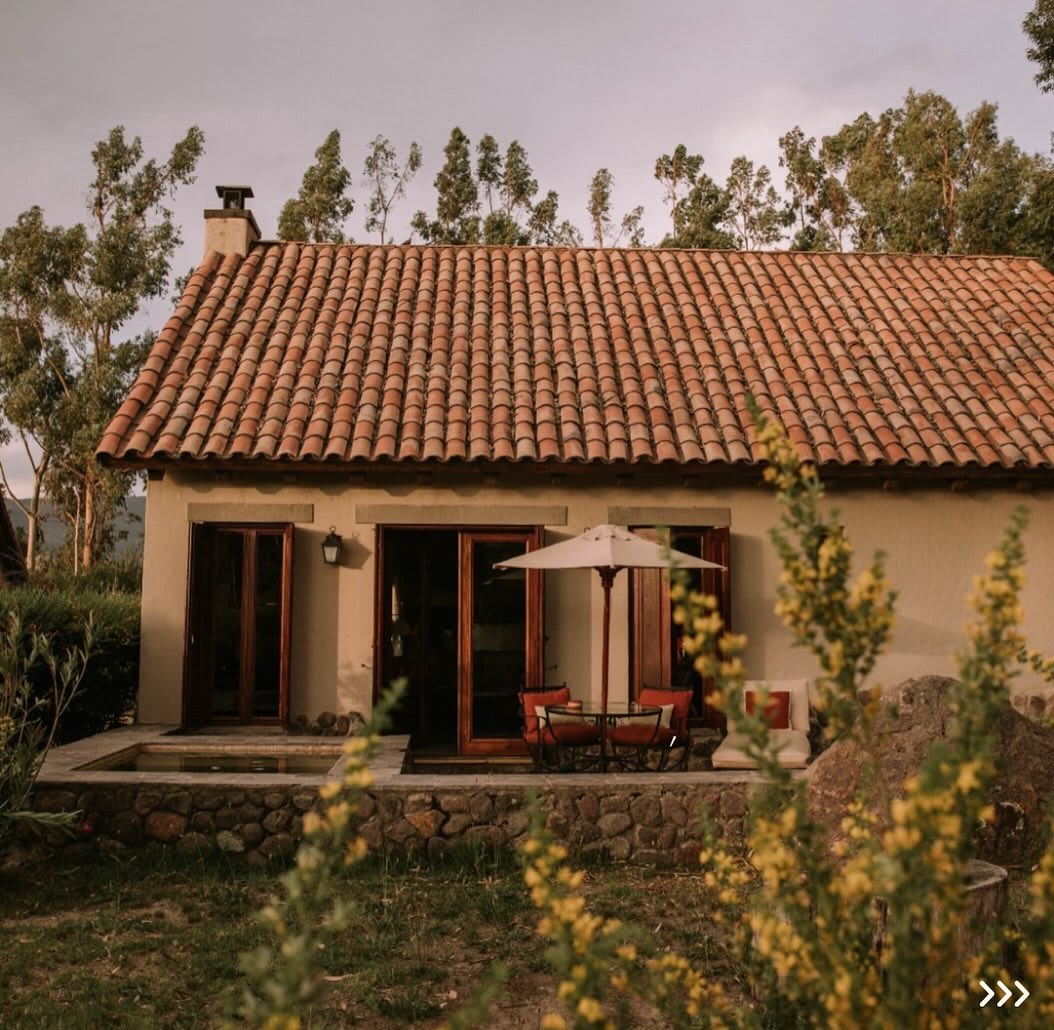
Belmond Las Casitas del Colca is the valley's flagship hotel. Twenty independent casitas on a restored colonial hacienda in Yanque, each with private thermal pool, organic gardens supplying the restaurant, and full Belmond service (butler per casita, private transfers, exclusive excursion guide). The most expensive hotel in Colca and the most recommended for honeymoon.
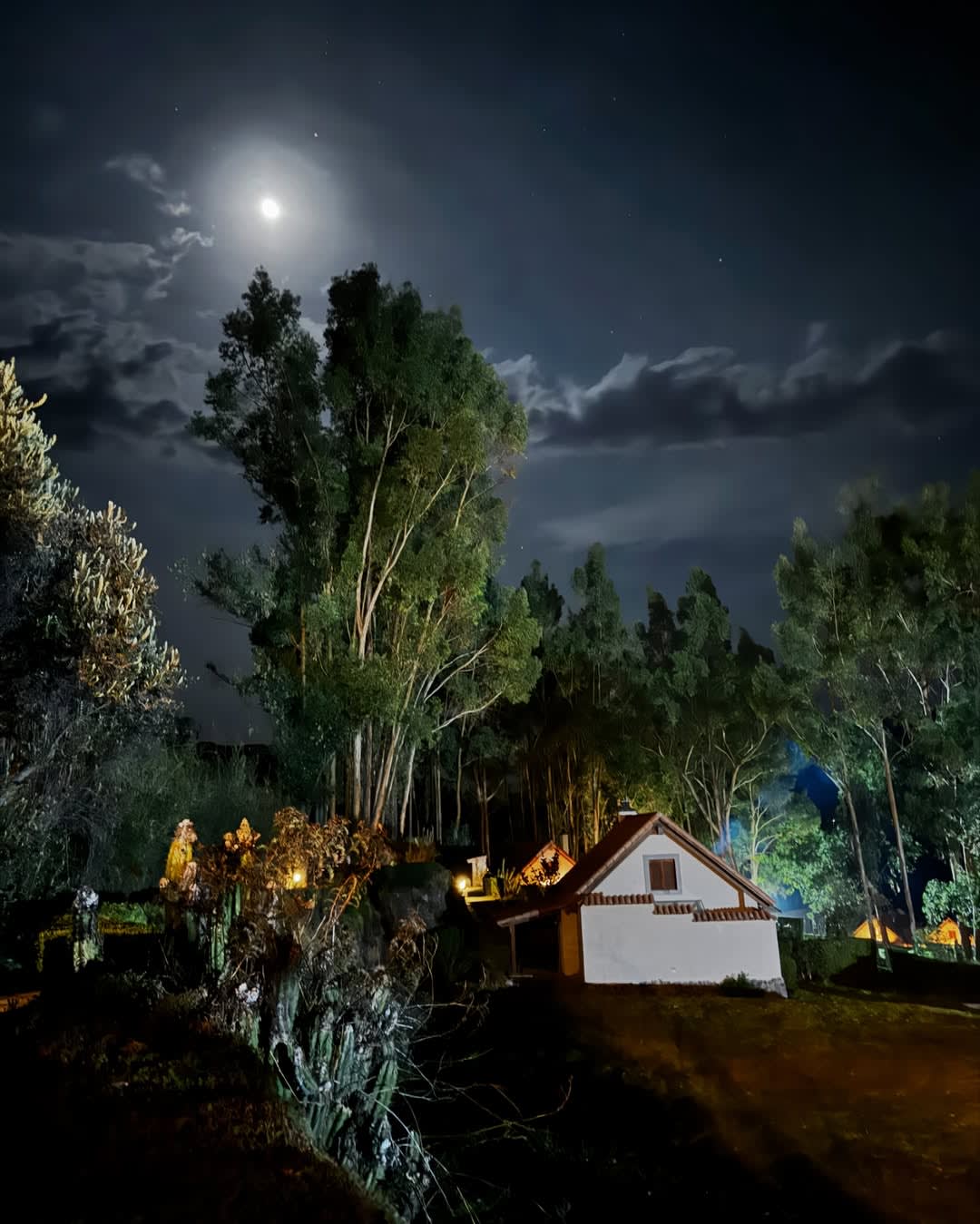
Colca Lodge Spa & Hot Springs, in Coporaque, is the intermediate option. Rustic rooms with stone walls and thatched roofs, four natural thermal pools at the river's edge, spa, and the most Andean atmosphere of the valley hotels. The hotel we most recommend for couples valuing place over luxury.
Aranwa Pueblito Encantado del Colca, in Sibayo, is the contemporary option. Modern architectural design with local materials, thirty-five rooms, heated outdoor pool with canyon view. Good service, correct food, location fifteen minutes from Chivay. Recommended for families.
For tighter budgets, Casa Andina Standard Colca in Chivay is the functional option: chain hotel with correct service, in the village centre, with access to La Calera thermal baths five minutes on foot.
The altitude: what to know
Chivay sits at 3,633 metres, and Colca valley hotels between 3,500 and 3,700. Higher than Cusco. Cruz del Cóndor is at 3,700, and the Patapampa pass on the road from Arequipa, at 4,910. Altitude sickness, especially at the pass, is likely.
Recommendations, in order: acclimatise two nights in Arequipa (2,335) before climbing; hydrate heavily during the private-car drive; drink coca tea on arrival; have a light dinner the first night; sleep early. People combining Lima→Arequipa→Colca in four days usually have at least one headache the first night in Chivay. Those continuing Lima→Arequipa→Colca→Cusco usually arrive in Cusco better adapted —Colca, in this sense, serves as natural acclimatisation for the rest of the southern trip.
How to combine it with Peru
Colca fits within the southern Peru circuit. Lima (3 nights) → Arequipa (2) → Colca (2) → Arequipa (optional, 1) → flight to Juliaca and transfer to Puno (2 Titicaca) → flight to Cusco (4-5 Cusco-Valley-Machu Picchu) → return Lima. Fourteen to fifteen days total.
For travellers with less time, we recommend sacrificing Puno over Colca. Lima→Arequipa→Colca→Cusco is eight to ten days total and leaves the traveller with the best version of each destination. Puno and Titicaca, though emblematic, require three nights minimum to be done well and feel rushed with less.
Written by Kada Travel Editorial
Frequently Asked
Yes. The terraces, the valley villages, the thermal baths and the altitude itself are the experience. The condor is the icon, but Colca is more than the bird. Three days in the valley give the full picture.
Over 90% of days between May and November, in the 8-10 AM window. The rainy season (December to March) reduces sightings due to high cloud cover.
The road is paved to Chivay and well maintained. The Patapampa pass (4,910m) may have snow between June and August; in that case drivers wait for clearance. The drive takes four hours with two mandatory stops —Patapampa and Chivay viewpoints.
Not regularly. There are private overflights from Arequipa via Helicusco, but only by exclusive contract with reserve authorisation. The guided foot descent remains the usual way.
Yes, especially those at Colca Lodge —at the river's edge, natural, no chlorine. La Calera baths in Chivay are more popular and less intimate; better at night. For us, dawn baths at Colca Lodge are the most memorable moment of the trip.
Layers: cold mornings (5°C), warm midday (22°C), cold nights (8°C). Thermal layer for the Cruz del Cóndor morning. Strong sunscreen (UV radiation at 3,700m is intense). Wide-brim hat. Trekking poles if hiking. Zoom lens for condors.
Design Your Journey
Design your bespoke Peru journey
We talk. We listen. Then we design an itinerary that belongs only to you.
Start Planning