Destinations· 10 min read·8 October 2024
Lima in VIP Mode: The Art of Inhabiting the Capital in Two or Three Days
Beyond Miraflores and the 50 Best, a considered guide for the days when Lima is the destination and not just a layover.
By Kada Travel Editorial
There is a moment, just after five in the afternoon, when the sun enters obliquely through the windows of the bar at the Country Club de Lima and the bartender, without a word, begins to prepare pisco sours. It is not a ritual staged for guests: it is the daily liturgy of a city that has turned the aperitif into a private art. The light is English, the wood is Peruvian, and the silence —because the bar is silent, even when full— is a relief from the Lima of traffic the guest has just crossed to get there.
That contrast —noise outside, ceremony inside— is the first lesson of Lima. The city does not deliver itself whole to the rushed visitor. You have to know where to look, when to cross, in which neighbourhoods to step out of the car. This guide gathers two itineraries —one of two nights, one of three— for travellers who pass through Lima as they would through a mid-sized European city: with time, with reservations, with expectation.
Day one: the south, slowly
The first day always begins from the south. Not by tourist whim, but because geography requires it: the airport sits in Callao, the good hotels in San Isidro, Miraflores and Barranco, and the natural order of discovery runs from the most institutional to the most bohemian.
San Isidro is the neighbourhood of Lima's financial power. El Olivar —a park of olive trees planted in the sixteenth century by the conquistadors and which still produces oil every year— is the green heart of the area. Around it, glass buildings from the 1990s, diplomatic residences and two hotels in the conversation: the Country Club Lima Hotel, a 1927 colonial-republican building with its own library and original art; and the Westin, a forty-six-storey glass tower with the best panoramic view of the city. We have breakfast at the first, dinner at the second.
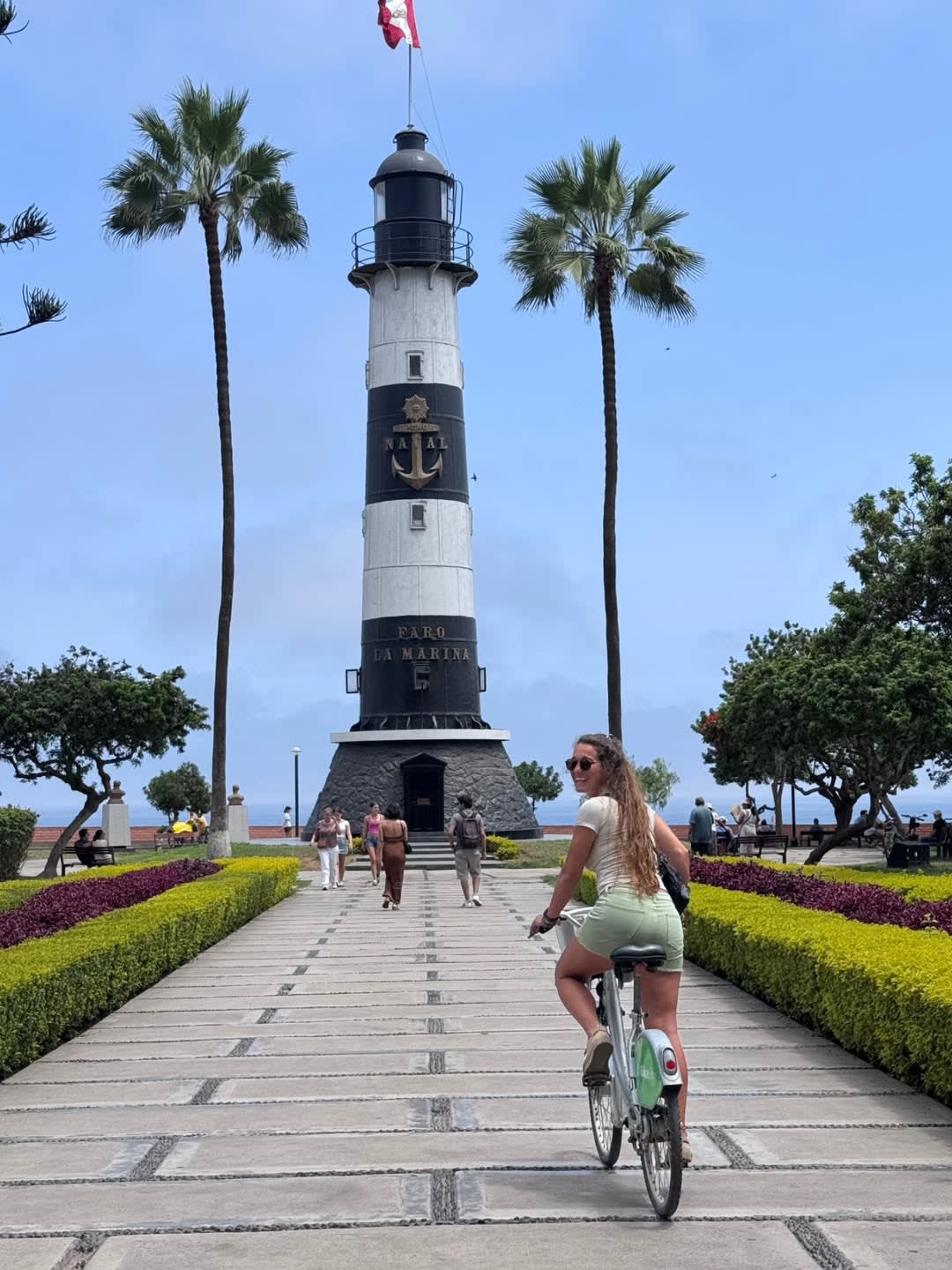
Miraflores is the next stop, fifteen minutes by car and a different emotional register. Avenida Larco descends to the seafront on a gentle slope, lined with boutiques of Peruvian designers —Meche Correa for alpaca, Sumy Kujon for jewellery, Mozh Mozh for contemporary textiles. At the end, the malecón itself: five kilometres of cliff above the Pacific, with paragliders aloft on clear days and Víctor Delfín's El Beso, probably the most photographed sculpture in Peru.

The table, no shortcuts
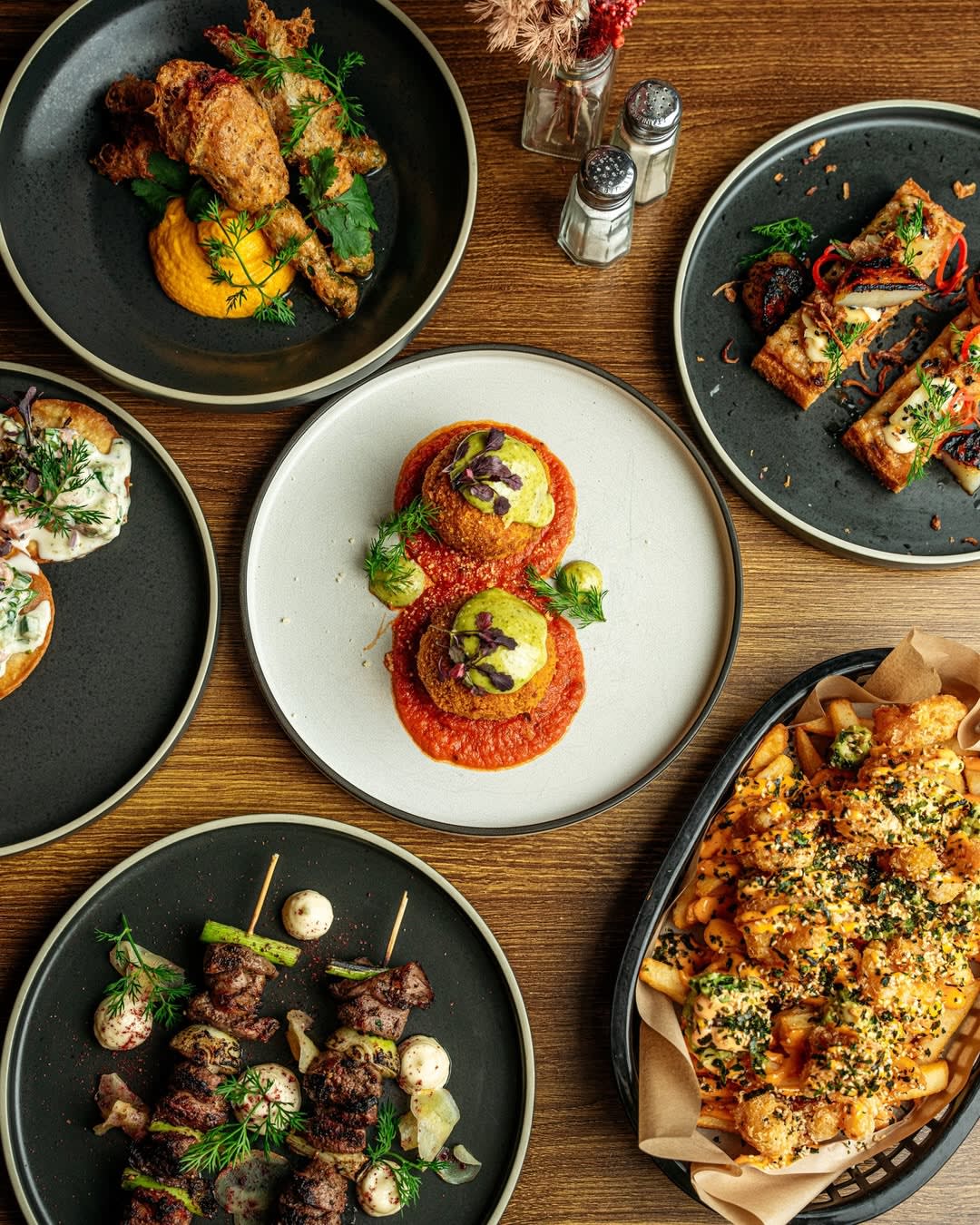
Lima has been —repeatedly, since 2013— a capital in global gastronomic discussion. But the phrase, worn thin, conceals what matters: Lima's cuisine is not understood by the ranking but by geography. A country with five vertical seas —desert, mountain, jungle, coast, puna— pours all of it onto Lima by gastronomic railway.
Three tables set the rhythm of the considered traveller. Central, in Barranco, with its altitudinal menu travelling Peru's ecological tiers; Maido, in Miraflores, with Nikkei cuisine in its most rigorous version; and Mayta, also in Miraflores, where Jaime Pesaque cooks coastal Peruvian in editorial register. All three require reservations two or three months ahead. With less margin, complementary options are not lesser: Astrid y Gastón in the old Casa Hacienda Moreyra in San Isidro; La Mar for midday ceviche; Cosme for lesser-known Peruvian wines.
The common mistake is to attempt all three tables in three nights. Peruvian cuisine is dense: each tasting is a three-hour journey, with pisco at the start and a dessert at the end that destabilises. We suggest one table per evening, with brief lunches —the bar at Cala in Barranco, Sonia in Chorrillos for fresh fish over white rice— to avoid arriving saturated to dinner.
Lima's cuisine is not understood by ranking, but by geography: a country of five vertical seas, returned to the table.
Kada Travel
Day two: the centre and what came before
The second day begins in the historic centre. The Plaza Mayor —called Plaza de Armas until the twentieth century— is surrounded by the Cathedral, the Government Palace, the Archbishop's Palace and the Municipal Palace. What matters is not the buildings but the balconies: enclosed cedar balconies carved in the seventeenth century, brought from the Maghreb by converted Moors, restored under Mayor Andrade in the 1990s. The Casa de Aliaga, the only colonial house lived in by the same family since 1535, opens its rooms to private visits; book ahead.
After lunch —Bar Cordano for popular tradition, Mercado Surquillo if you prefer ceviche next to its source—, the afternoon belongs to a museum. If there is time for only one, we recommend Larco. The Rafael Larco Hoyle collection, in an eighteenth-century mansion in Pueblo Libre, holds 45,000 pre-Columbian pieces (ceramics, gold, textile) and permits the only open-storage visit to a museum collection in Latin America. With time for two, MALI —the Museum of Art of Lima— in Parque de la Exposición, with the country's best Republican collection.
For the visitor who has never set foot on a pre-Columbian site, the route to Pachacámac at sunrise on the second day is indispensable. Thirty-five kilometres south of Lima, on the coastal highway, lies the most important pre-Inca sanctuary on the central coast: a ceremonial city inhabited since 200 AD, with an Inca Sun Temple atop earlier sanctuaries. The private guided visit with an archaeologist from the site museum lasts two hours and costs an entire morning —but it is the kind of visit that reorders the rest of the trip to Peru.
Day three (optional): Barranco at length
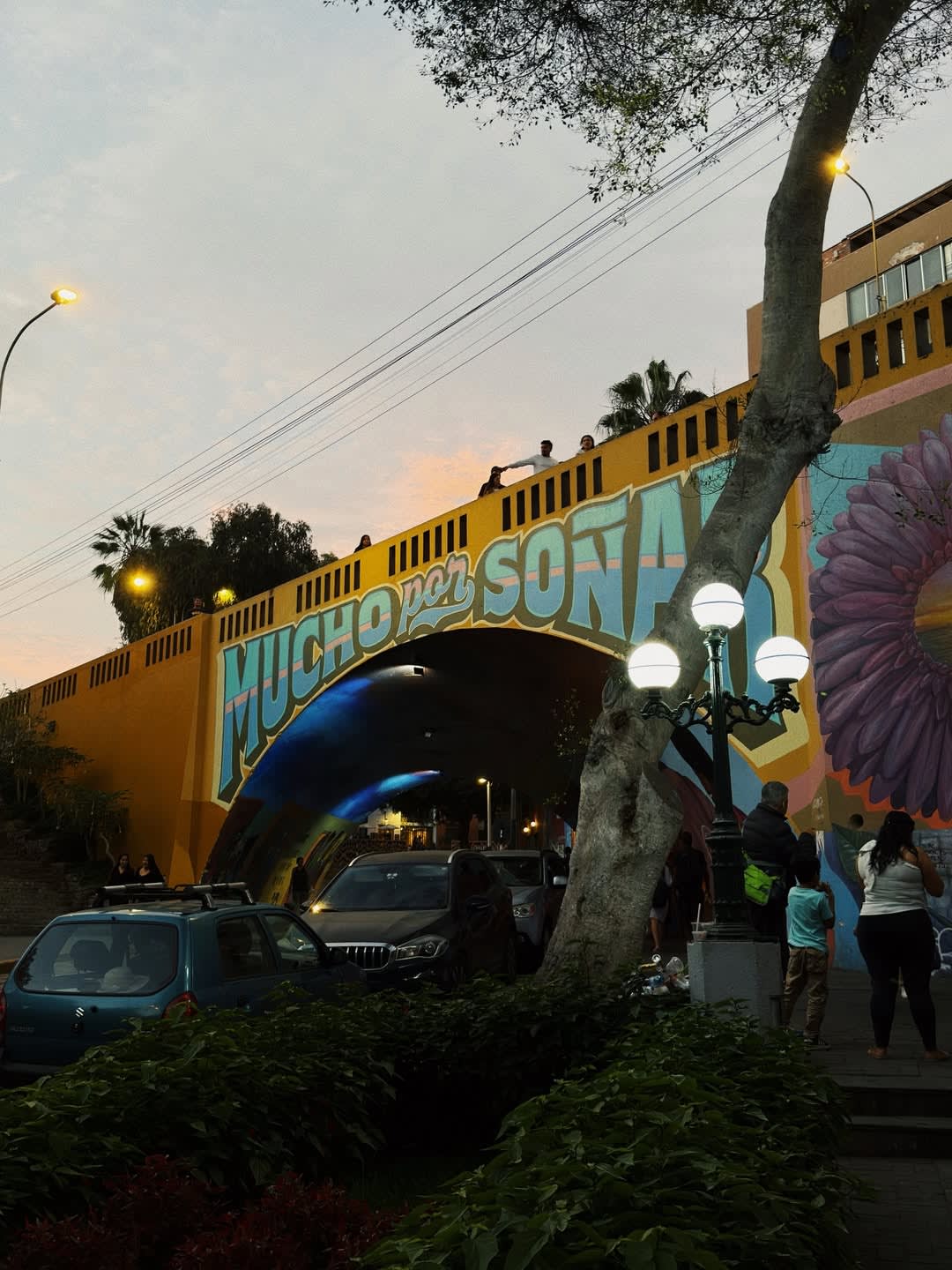
Travellers who can spare the third night dedicate a day to Barranco. The neighbourhood —the old Republican-era weekend resort— now concentrates Lima's contemporary art scene. The Museum of Contemporary Art (MAC), small but rigorously curated, sits in the upper part of the district. MATE, the foundation of photographer Mario Testino, has rotating fashion and portrait exhibitions and a courtyard café. The galleries —Lucía de la Puente, Wu Galería, Yvonne Sanguineti— cluster on Avenida Sáenz Peña and Calle Domeyer.
Staying in Barranco is a conscious decision. Hotel B —a 1914 Republican mansion reimagined by Lucía de la Puente with her own art collection— is the only five-star in the neighbourhood and is worth the two nights. The rooftop pool, the dinners in the mansion's drawing room, breakfast in the courtyard: everything built as a private house first and a hotel second.
Where to sleep, which to choose
Three hotels concentrate our guests in Lima. The Country Club Lima Hotel in San Isidro —tradition, library, historic bar, jacket included— for travellers who value liturgy. Belmond Miraflores Park on the seafront —Pacific views, cliff-edge pool, international service— for first-time visitors. Hotel B in Barranco —art, intimacy, mansion— for the returning traveller.
For the through-traveller, an intermediate alternative is the Hotel Las Brisas del Titicaca in Miraflores, smaller and quieter; or the Iberostar Selection Miraflores if location matters more than atmosphere.
A note on timing
Lima is a traffic city. The distance between Miraflores and the historic centre —ten kilometres on the map— can take fifteen minutes at dawn and forty-five at five in the afternoon. This reorders itineraries: visits to the centre always happen early (the Archbishop's Palace opens at nine), dinners are reserved near the hotel, and the last night dines close to the airport if the flight is morning —the Hotel Costa del Sol Wyndham at the airport has a decent restaurant and saves an early start.
Three days in Lima mark the border between the rushed traveller and the considered one. Two days let you see the city; three days let the city look back. And in Lima, that is what changes the entire trip to Peru.
Written by Kada Travel Editorial
Frequently Asked
Yes, within the usual tourist zones —Larcomar, the malecón, calle Berlín in Miraflores; Avenida Sáenz Peña, the municipal park in Barranco. We recommend a taxi or Uber for returning to the hotel after midnight, more for comfort than real safety concerns.
San Isidro for institutional or business travellers, Miraflores for first-time visitors, Barranco for returning ones. All three are fifteen to thirty minutes from the airport outside rush hour.
Reservations open two to three months in advance on their official sites. For our travellers, the planning team handles the booking as part of the package; we coordinate day and time when designing the itinerary.
Yes, with a private guide and always in the morning. The Plaza Mayor, colonial balconies, Casa de Aliaga, San Francisco with its catacombs and the Santo Domingo Convent are doable in a three-hour morning. Without a guide, the experience falls short.
Museo Larco. Lima's most complete pre-Columbian collection, housed in an eighteenth-century mansion in Pueblo Libre. It also has a decent restaurant for lunch —Café del Museo— and the visit ends with a view of the garden.
Two nights at the start of the trip and, if the logistics allow, one at the end. Two nights at the start give time for cuisine, museum and neighbourhood. The final night, if the international flight is late, allows for a final unhurried dinner.
Design Your Journey
Design your bespoke Peru journey
We talk. We listen. Then we design an itinerary that belongs only to you.
Start Planning