Destinations· 7 min read·30 October 2024
Why Lima Deserves More Than Twenty-Four Hours in Your Peru Itinerary
The mistake of treating Lima as a stopover before Cusco — and the four reasons that make it a destination.
By Kada Travel Editorial
The standard itinerary to Peru gives Lima twenty-four hours. Evening arrival, hotel, quick dinner in Miraflores, morning flight to Cusco. It is the formula agencies standardise, the one many travellers accept without question, and the one we recommend not following. Lima is not a stopover. Lima is a destination. And the difference between the two changes the entire trip to Peru.
Four reasons, in order of importance for our travellers, justify the two or three nights.
First reason: the table
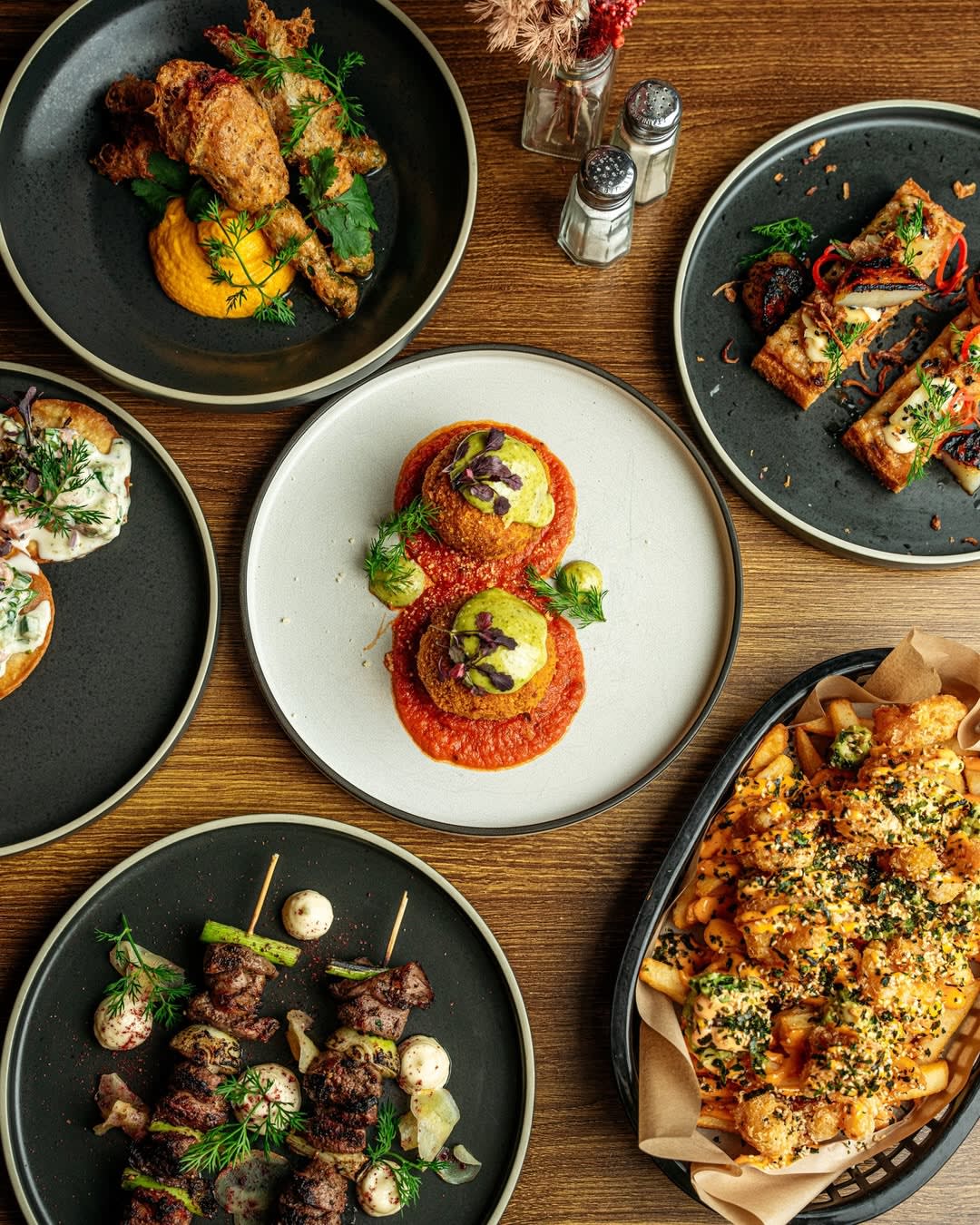
Three Peruvian restaurants sit permanently on the list of the world's fifty best —Central, Maido, Kjolle— and another twelve orbit the ranking. This is not tourist marketing: it is a fact repeated for ten years by independent juries. Lima's gastronomic density is comparable only to Tokyo and San Sebastián. The difference with Cusco —where there are good restaurants but the atmosphere is altitude-marked, mountain food, short timing because of acclimatisation— is that in Lima dinner is the central activity of the evening, not a break from the day.
To experience even one table at any level, an entire night is needed. Maido or Central run three hours with sixteen to twenty courses. The sommelier passes by the table once with the pisco and Peruvian wine list. The hostess recommends not walking afterward. Twenty-four hours in Lima allow only one dinner —and that dinner, without the next morning to process it, stays in the stomach instead of in the memory.
Second reason: cultural context
Travellers who reach Cusco without passing through Pachacámac, the Larco Museum, MALI, arrive at the Inca ruins without the tradition that precedes them. Pre-Inca cultures —Caral, Chavín, Paracas, Mochica, Chimú— occupied Peruvian territory for more than three thousand years before Tawantinsuyo. The Incas, in imperial form, lasted barely ninety years. Peru's longest history is not Inca: it is pre-Inca.
Lima keeps the archive. The Larco Museum holds 45,000 pieces of Mochica, Chimú, Chancay and Lima cultures. The Museum of Pre-Columbian Art has the condensed version for Cusco, but the original is here. Pachacámac is the ceremonial site that was active thirteen centuries before the conquest. To see Machu Picchu without having seen Pachacámac is like seeing Versailles without ever having stepped into a Romanesque temple —you understand what you see, but not where it comes from.

Third reason: reverse acclimatisation
Cusco sits at 3,400 metres. Lima at fifty. The difference, physiologically, is an hour and a half of altitude after a nine-hour international flight. Arriving in Lima at night, sleeping, leaving for the airport at six the next morning and landing in Cusco by eleven is the sequence that produces the most cases of acute altitude sickness —not because the altitude is extreme, but because the body has had no real rest since Madrid or New York.
Two nights in Lima act as reverse acclimatisation: the body recovers circadian rhythm, hydration, normal eating, and reaches Cusco with reserves. More importantly: Lima at sea level allows the first digestion of a Peru trip —heavy food, pisco, ceviche, red wine— without altitude aggravating the symptoms. Travellers who go straight from Maido to the Belmond Cusco in twenty-four hours pay for the change.
Fourth reason: the rhythm
This is the subtlest reason and the most important. Lima is a coastal city of ten million inhabitants, marked by the rhythm of the Pacific, winter mists, long lunches, five-o'clock aperitifs. Cusco is an Andean city of half a million, marked by the altitude rhythm, early dawns, frugal dinners. The transition between the two —if made in twenty-four hours— is violent. The traveller arrives in Cusco with Lima's body and takes three days to find Cusco's body. They lose, as a result, half the Sacred Valley.
Three days in Lima permit a gradual change: first night for jet lag, second for the serious dinner, third for the transition —light dinner, early sleep, dawn flight to Cusco. It is the architecture of the considered trip.
Lima is not a stopover. Lima is a destination. And the difference changes the entire trip to Peru.
Kada Travel
The itinerary we recommend
For a ten-day Peru trip, we devote three nights to Lima at the start. Day one: evening arrival, hotel dinner, rest. Day two: morning at Pachacámac, lunch at Café del Museo Larco with visit afterwards, free afternoon, dinner at Maido or Central. Day three: morning at MALI or the Miraflores malecón, lunch at Cala (Barranco), afternoon of galleries, dinner at Huaca Pucllana. Day four: morning flight to Cusco.
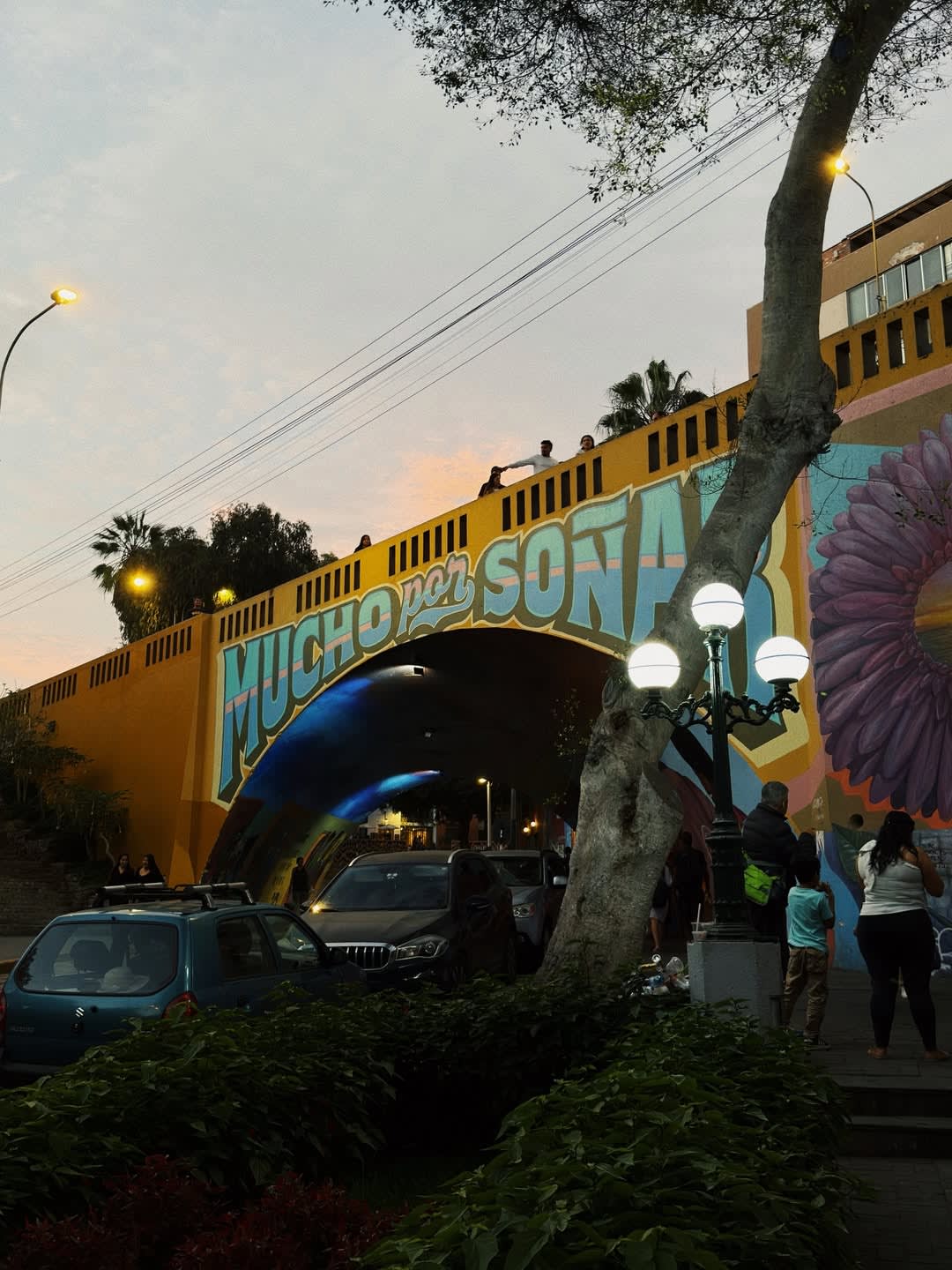
For a fourteen-day trip, we add a fourth night with a full day in Barranco —MATE, MAC, lunch at Isolina, time on the malecón at sunset— or a day at the Callao docks, Real Felipe fortress, the extended historic centre. Lima holds material for a week without saturation.
Travellers who give Lima more time at the start receive more at the end. The rule is simple: Peru is not understood without its capital. And the capital, if treated as a stopover, is not understood.
Written by Kada Travel Editorial
Frequently Asked
Two. One night is a stopover; with two there is time for one table, one museum and a morning visit to Pachacámac. Three is optimal: it adds Barranco and allows digestion.
Cusco deserves four or five nights; the Sacred Valley, three or four more. But if the full trip is ten days, two in Lima at the start improve the rest. The mistake is to take from Lima, not to add to Cusco.
Lima does not acclimatise to altitude —it sits at sea level— but it allows post-flight rest, hydration and normal eating routine. The body arrives in Cusco better compensated, which reduces altitude symptoms.
Lunch at La Mar or dinner at Maido, rest, Cusco flight. The reality is one night reveals little; we recommend extending one night at the end of the trip before the return flight.
June to October is the garúa season: grey skies, no rain but high humidity. It does not harm cultural visits but limits the malecón experience. December to April brings sun and 25-30°C; it is the best season visually.
Yes, especially if going only to Machu Picchu. The more focused the trip, the more necessary the context. One night in Lima in this case is worth it for the ceviche and for the altitude reset.
Design Your Journey
Design your bespoke Peru journey
We talk. We listen. Then we design an itinerary that belongs only to you.
Start Planning