Experiences· 7 min read·4 March 2025
Wildlife Photography Safaris in the Peruvian Amazon
Three lodges with programmes for professional photographers —from the Chuncho clay lick to tower viewpoints.
By Kada Travel Editorial
The Peruvian Amazon has the planet's greatest terrestrial biodiversity —1,800 bird species, 200 mammals, 1,200 butterflies in a single zone. For professional or serious amateur photography, visiting a standard lodge is not enough: a specific programme with specialist guide, hides at clay licks, and schedules coordinated with fauna activity is needed. This guide describes three premium options in Tambopata and Manu.
Tambopata Research Center — The most complete option
Tambopata Research Center, mentioned in our lodges guide, is the operator with the best photographic infrastructure in Peru. Three hours by boat from Puerto Maldonado, within the Bahuaja-Sonene National Park reserved zone. Twenty-four cabins, resident biologists, and direct access to the Chuncho clay lick —the world's largest macaw clay lick, with 200-400 red and green macaws each dawn.
The six-night photographic programme includes: three mornings in the clay-lick hide (covered structure 30 metres from the cliff), a full day in tower-viewpoint (40 metres above forest canopy for canopy-bird photography), three night outings with infrared lights for nocturnal fauna (poison dart frogs, opossums, kinkajous), and exclusive guide (not shared with other passengers). Cost: USD 4,800-6,500 per person, all-inclusive.
The option for professional photographers producing editorial or commercial content.
Refugio Amazonas — Intermediate programme
Refugio Amazonas, also from Rainforest Expeditions, offers a more accessible photographic programme. Four-night duration with two mornings at smaller clay lick (Collpa El Gato, 50-100 macaws), an afternoon at oxbow lake for giant otters, a night at tower-viewpoint, and two night outings. Specialised guide but shared with 3-4 other photographers.
Cost: USD 2,200-3,200 per person. Recommended for serious amateur photographers or first-time Amazon travellers wanting photographic focus.
Manu Wildlife Center — Jaguar focus
The Manu Wildlife Center, in the Manu National Park reserved zone, is the lodge with the best jaguar-sighting probability in Peru —40-60% in dry season, according to the operator. The seven-night photographic programme is focused on large mammals: jaguars on Manu river beaches in dry season (July-October), tapirs at salt clay licks, river otters at oxbow lakes, woolly monkeys in tall forest.
Manu access is difficult (10-12 hours by car from Cusco plus 4-6 hours by boat, or private charter flight). The lodge itself is basic —no air conditioning, lights off at 9 PM with generator— but fauna compensates. Cost: USD 5,500-7,800 per person, all-inclusive.
Recommended for serious photographers with time (minimum 9-10 trip days) and tolerance to difficult logistics.

The required equipment
For serious Amazon fauna, minimum equipment is: camera with good high-ISO performance (Canon R5, Sony A7 IV, Nikon Z9), 200-600mm telephoto (for distant fauna), robust tripod with fluid head (for video and long exposures), and extra batteries (Amazon humidity reduces their duration).
Premium lodges loan quality binoculars but not cameras. For photographers who travel light, equipment rental option exists in Lima or Cusco with professional brands (USD 80-200 per day per kit).
When to photograph
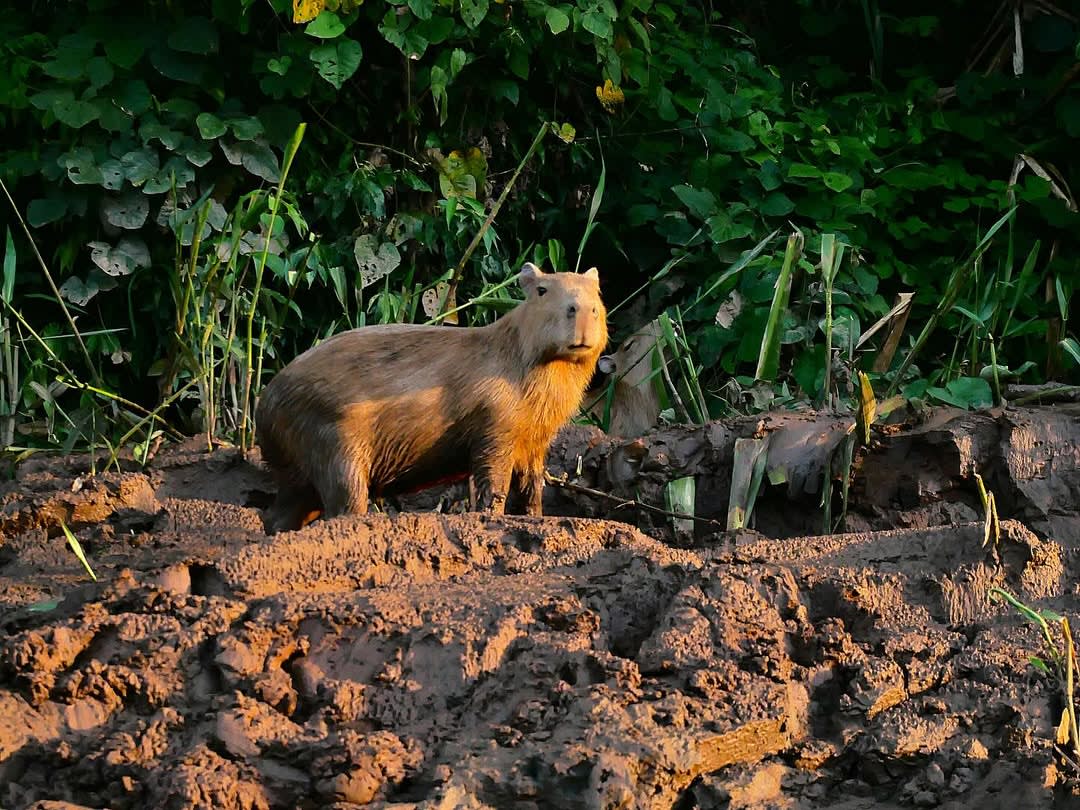
The dry season (May-October) is optimal for terrestrial mammals: river beaches are exposed, fauna concentrates around water, jaguars descend to hunt capybaras. The season for Manu specifically.
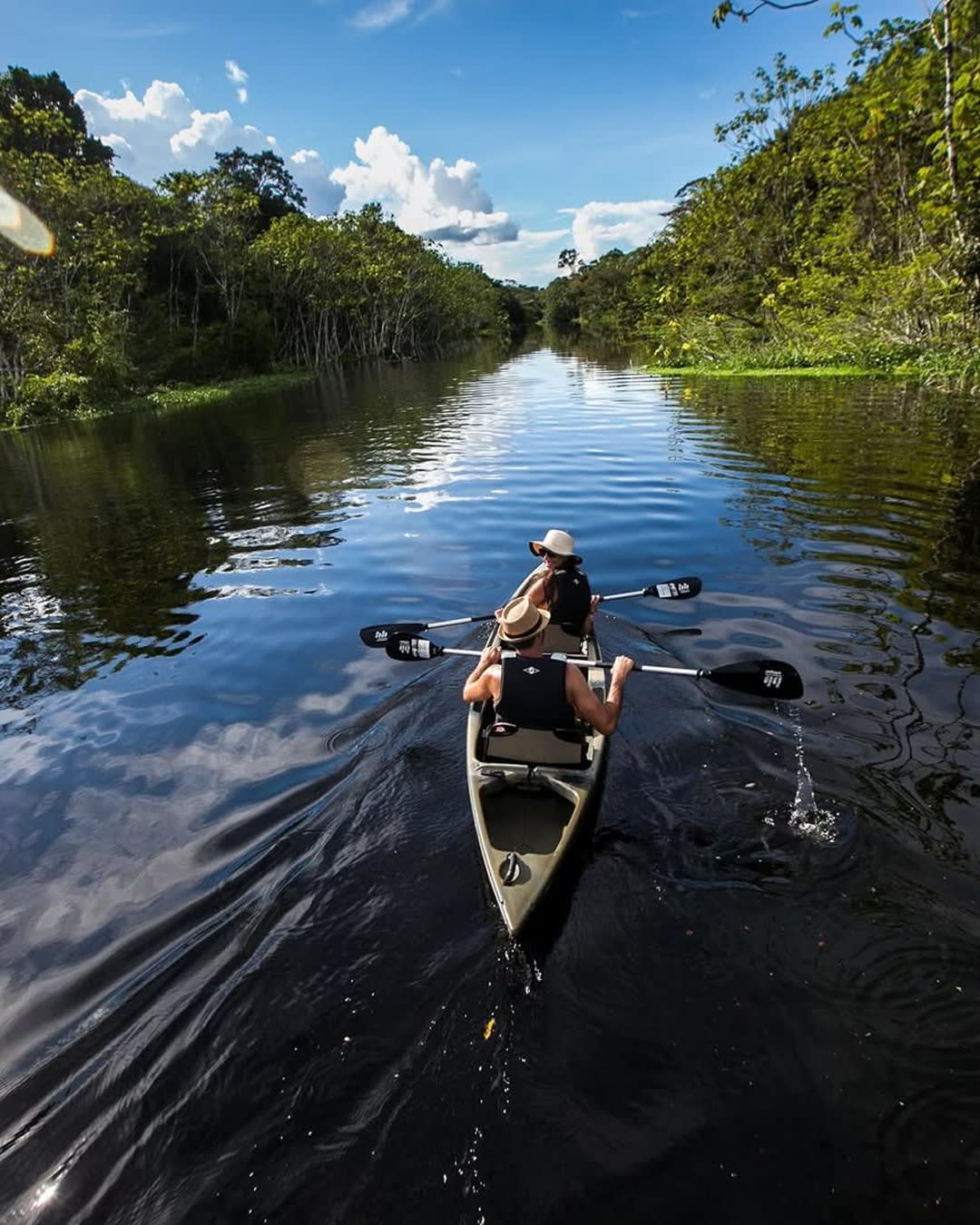
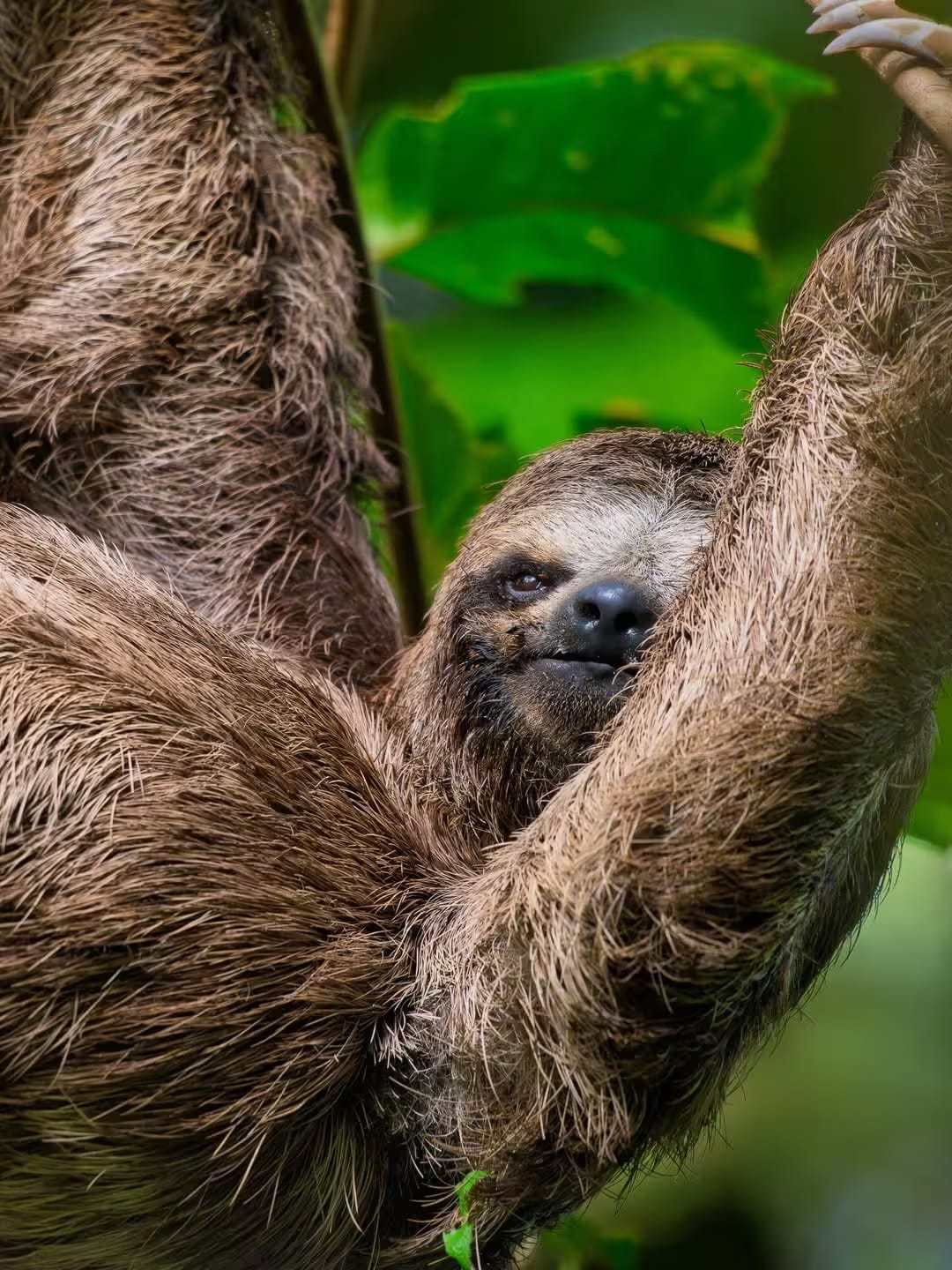
The rainy season (November-April) is optimal for aquatic fauna and migratory birds. Flooded forest allows the small boat to enter canopies to photograph primates and sloths in low trees. The season for Iquitos and Amazon cruises.
The difference between photographing Amazon fauna with standard guide and with specialised guide is radical. The specialised one knows active clay licks, macaw nests, jaguar beaches. Professional photography begins with the operator decision.
Kada Travel
How they are booked
Photographic programmes book three to five months ahead. Spot quantity is very limited (4-8 photographers per month per lodge). The June, July, August months in Manu fill first.
For our travellers, programmes are arranged as part of the Peru trip with coordination of flights to Puerto Maldonado or charter to Manu, and combination with Cusco-Machu Picchu before or after the Amazon block.
Written by Kada Travel Editorial
Frequently Asked
For serious photography, yes. The difference between standard tour (USD 1,200) and photographic programme (USD 4,800) is in exclusive hides, specialised guide and fauna-coordinated schedules.
No, fauna is wild. But probabilities in premium programmes are high: macaw clay lick 80-90%, jaguars in Manu 40-60%, giant otters 60-70%.
Yes, in Lima or Cusco. Professional brands (Canon R5, Sony A7 IV) and 200-600mm telephotos are available. USD 80-200 per day per kit.
Four nights at Refugio Amazonas, six at Tambopata Research Center, seven at Manu Wildlife Center. Fewer nights reduce probability of elusive-fauna sighting.
Only with guide. Night outings are accompanied, with headlamp and always in a group of maximum 4 photographers.
Yes. Tambopata Research Center and Manu Wildlife Center permit filming with special permit. Commercial video requires additional Ministry of Culture permit (USD 200-500).
Design Your Journey
Design your bespoke Peru journey
We talk. We listen. Then we design an itinerary that belongs only to you.
Start Planning