Destinations· 9 min read·24 March 2025
Tambopata, Manu or Iquitos: Which Peruvian Amazon to Choose
Three Amazonian geographies, three temperaments, three calendars — the decision that defines the trip's jungle.
By Kada Travel Editorial
Peru has three doors to the Amazon and each opens to a different jungle. Tambopata, in the south, is the most accessible —35-minute flight from Cusco, lodges with premium service, infrastructure for naturalists. Manu, also in the south, is the most remote: enters by dirt road and river, no affordable luxury, but contains the highest terrestrial biodiversity on the planet. Iquitos, in the north, is the proper Amazon: navigable rivers connecting to Brazil, luxury river cruises, and a unique mestizo culture.
This guide compares the three and proposes how to choose by traveller, days available and exploration mood. The question is not which is best —each is best for something different— but which fits the trip.
Tambopata: the comfortable Amazon
Tambopata sits in Madre de Dios department, southern Peru, on the Madre de Dios and Tambopata rivers. Regional capital Puerto Maldonado is the entry: 35-minute Cusco flight, met by lodge agent, river boat transfer to lodging. Logistics are simple.
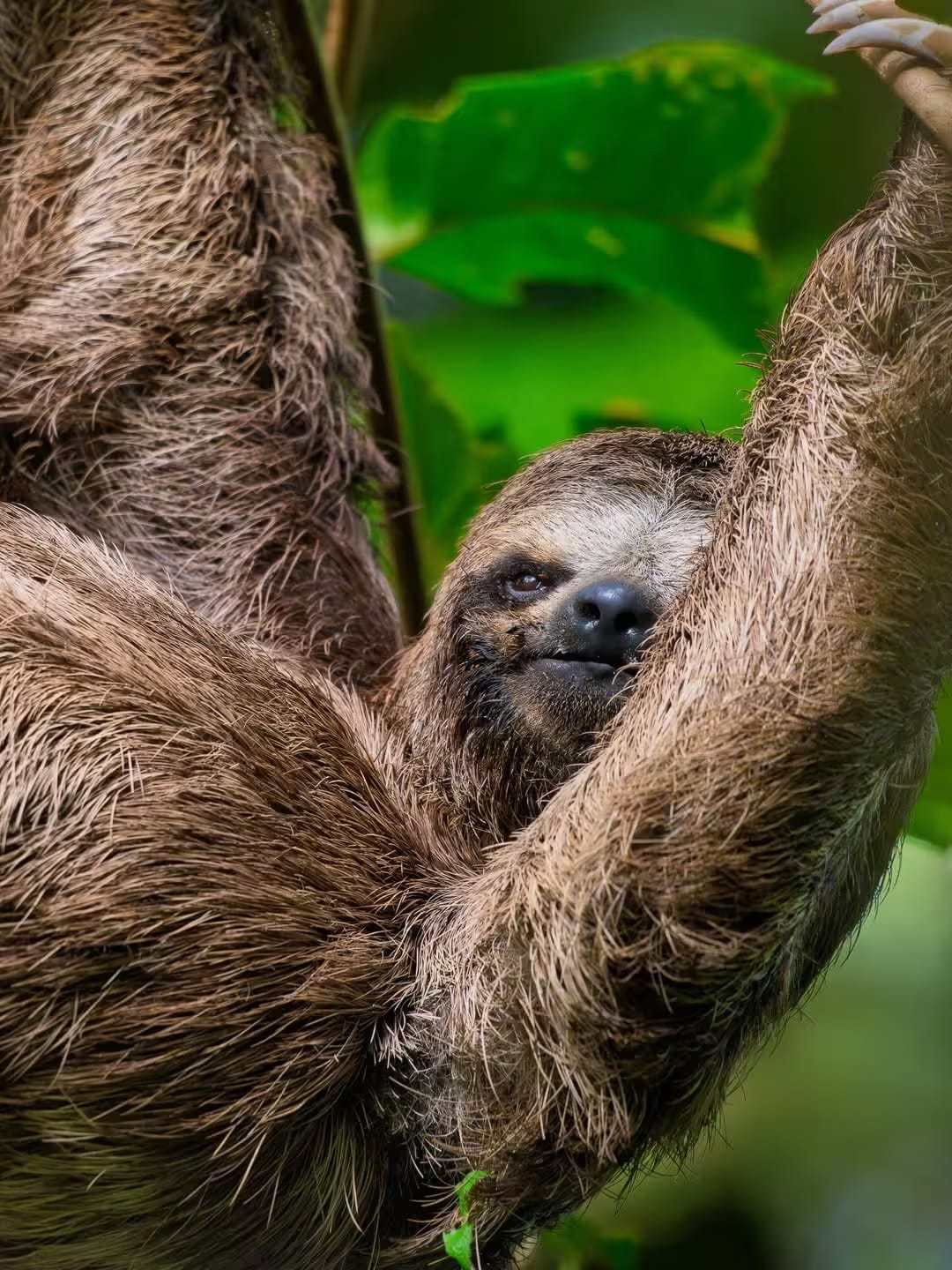
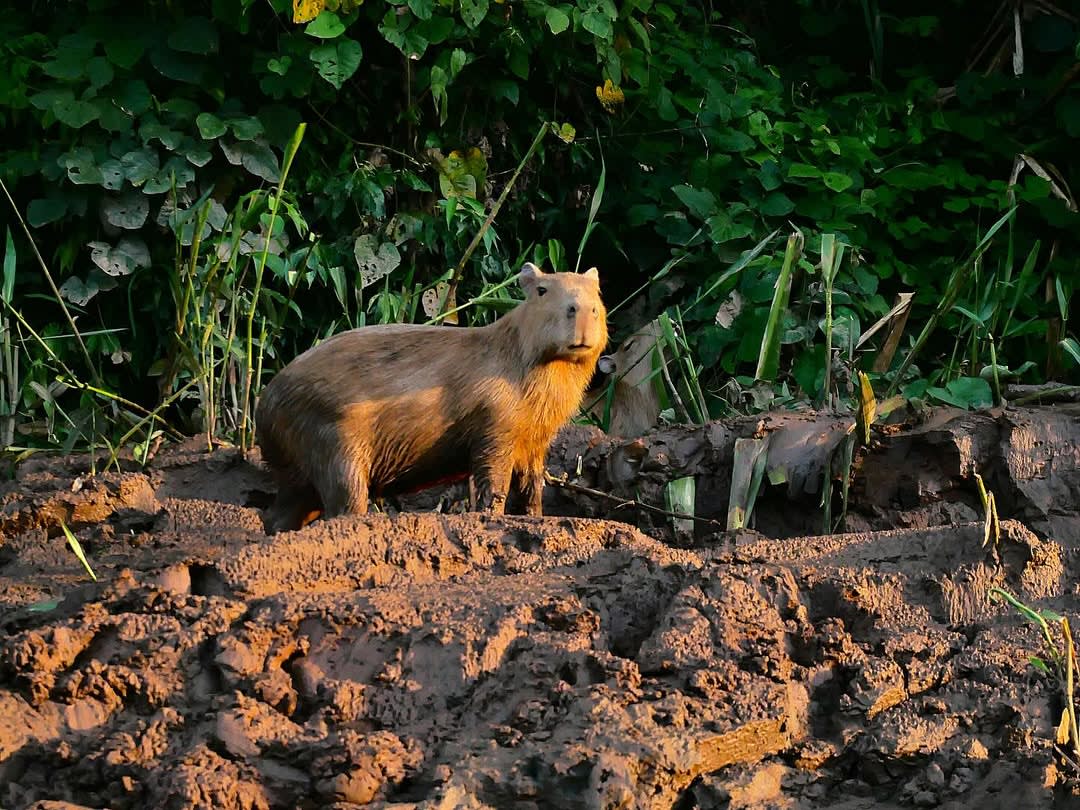
Biodiversity is high. Tambopata National Reserve (274,690 hectares) protects over 600 bird species, 200 mammals, 1,200 butterflies. Classic points are the parrot clay lick (where 200-300 red and green macaws descend each dawn to eat clay), Sandoval Lake (oxbow lagoon with black caimans and giant otters), and forest tower viewpoints (30-40 metre canopy walks).
Premium lodges —Inkaterra Reserva Amazónica, Refugio Amazonas, Tambopata Research Center— offer cabins with private bath, food with local produce, resident naturalist guides, and coordinated activities (you do not go into the forest alone). Typical stay is 3-4 nights. Combinable with Cusco as post-Machu Picchu extension.
Recommended for: first Amazon, families with children over 8, couples wanting nature with comfort, time-limited travellers (3-4 days). What you gain: accessibility, infrastructure, abundant fauna. What you lose: pristineness —the region has illegal mining presence at its edges.
Manu: the pristine Amazon
Manu National Park, also in Madre de Dios, is UNESCO World Heritage since 1987 and biosphere reserve since 1973. 1.7 million hectares with 1,000 bird species, 200 mammals, and the highest concentration of accessible jaguars on the planet. The most virgin Amazon in Peru —and in regulated-tourism South America.
Access is the filter. No commercial flights: enter by road from Cusco (10-12 hours to Pilcopata, on the park boundary) or by private charter flight (USD 4,000-6,000 per group). Then fast-boat navigation on Madre de Dios and Manu rivers (4-6 more hours). Total transfer can take two days.
Lodges are basic. Manu Wildlife Center (in the park's reserved zone) is the most considered, with individual cabins with private bath, but no luxury in conventional sense —no pools, no air conditioning, lights off at 9 PM with the generator. The compensation is the fauna: jaguars on river beaches in dry season, river otters, tapirs at salt licks, woolly monkeys in the forest.
Reasonable minimum stay is 6 nights. Truly advisable: 8-10 nights. Not a three-day Amazon.
Recommended for: the exceptional traveller with two or more weeks in Peru, serious naturalists, professional photographers. Not recommended for families with small children, travellers with health issues, or those seeking comfort.
Iquitos: the navigable Amazon
Iquitos is the world's only large city without road access. 470,000 inhabitants, founded in 1864 on the Amazon river, connected to the rest of Peru only by air (Lima-Iquitos flight 1h 50min) or river boat (3-5 days from Pucallpa). This geographic singularity defines the entire experience.
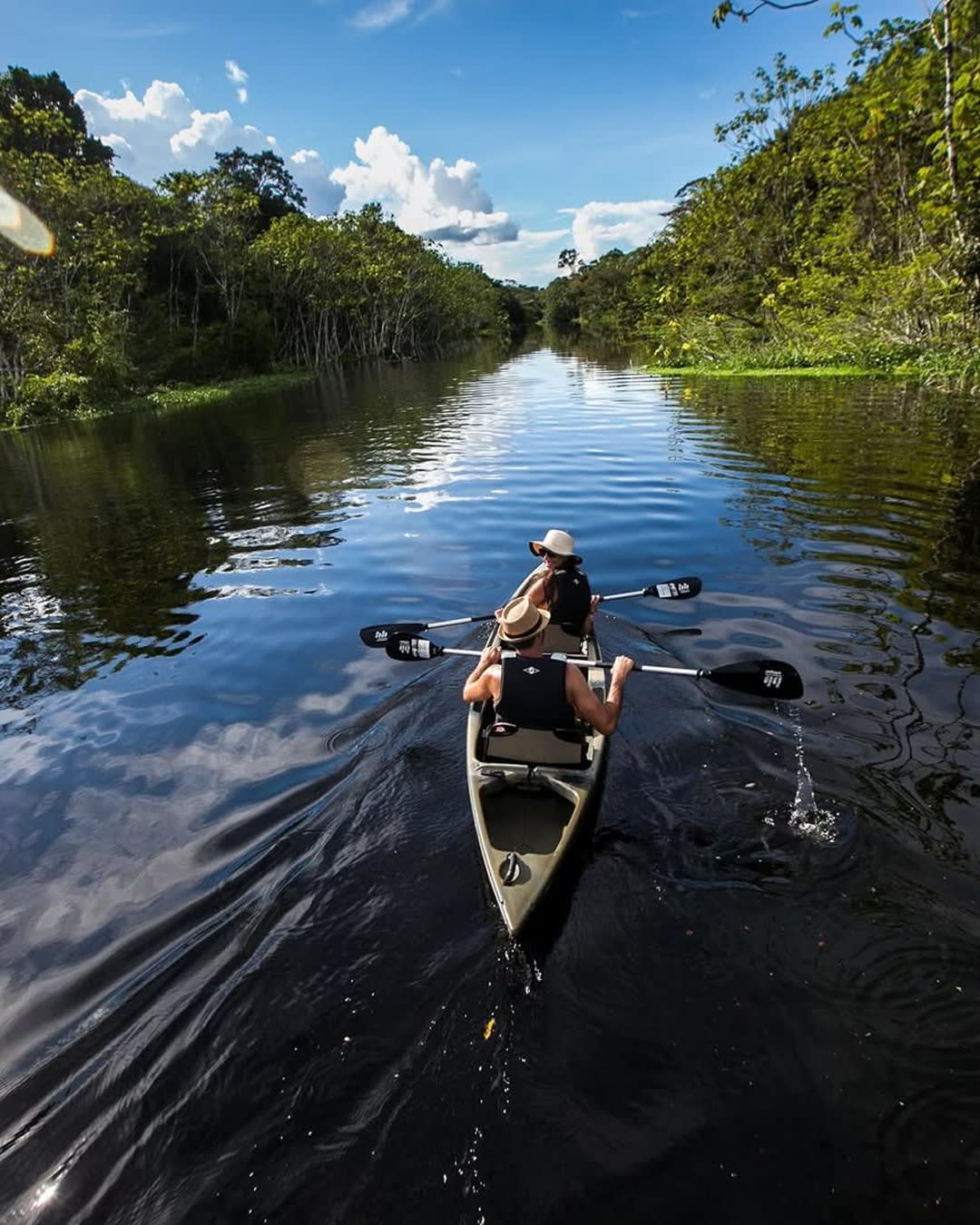
Northern Peruvian Amazon includes the Pacaya-Samiria National Reserve (2 million hectares, Peru's largest river reserve), where fauna is observed from boat through flooded forest. Different geography from Tambopata or Manu —less trail, more navigation, more prominent aquatic fauna (pink dolphins, pirarucu, charapas).
Luxury offering is river cruises rather than lodges. Aqua Expeditions (Aria Amazon, Aqua Nera), Delfin Amazon Cruises (Delfin I, II, III), Jungle Experiences (Zafiro). Suite cabins with river view, dining room with tasting menu, small-boat outings twice daily for fauna spotting. 3-7 night stays, all-inclusive.
Recommended for: honeymooners, travellers who prefer to navigate over walk, aquatic-fauna photographers, first Amazon with maximum comfort. What you gain: boat comfort, river view, elaborate cuisine, aquatic fauna. What you lose: the closed-forest feel lodges provide.
Comparison
Access: Tambopata easy (35 min flight + 1h boat), Manu difficult (10h drive + 4h boat, or charter flight), Iquitos comfortable (1h 50min flight + 1h boat to lodge).
Minimum days: Tambopata 3, Manu 6, Iquitos 4 (cruise).
Comfort: Iquitos maximum (cruises), Tambopata mid-high, Manu basic.
Biodiversity: Manu superior, Iquitos specialised in aquatic fauna, Tambopata solid.
Luxury price: Tambopata USD 1,200-1,800 per person/3 nights; Manu USD 3,500-5,500/6 nights; Iquitos USD 3,000-7,000/4 nights depending on cruise.
Tambopata is the Amazon people know. Manu is the Amazon that exists. Iquitos is the Amazon you navigate. All three are real; none replaces the others.
Kada Travel
How to combine it with the trip
Tambopata combines perfectly with Cusco-Sacred Valley-Machu Picchu: Lima → Cusco → Tambopata (3-4 nights) → Cusco → Machu Picchu → Lima. Total 12-14 days. The standard formula.
Manu requires its own itinerary. Lima → Cusco → Manu (6-8 nights) → Cusco → Machu Picchu (3 nights) → Lima. Total 14-18 days. Not a secondary Amazon.
Iquitos combines by direct flight from Lima, no Cusco involved. The option for those who travel to Peru twice: first time Cusco-Lima-Tambopata; second time Iquitos by cruise. Or for fourteen-day travellers wanting all three classic cities plus jungle (Lima → Cusco → Machu Picchu → Lima → Iquitos → Lima).
Written by Kada Travel Editorial
Frequently Asked
Tambopata and Manu: May-October (dry season, easier wildlife spotting). Iquitos: November-May (high water, navigable access to flooded forest).
Yes. We recommend mandatory yellow fever vaccine, antimalarial prophylaxis for Manu, DEET 30%+ repellent. Premium lodges have mosquito nets and air conditioning in cabins.
Iquitos yes, via Lima-Quito-Galápagos flight. Tambopata or Manu, no: logistics don't close. For Peru+Galápagos combination, we recommend Lima→Cusco→Machu Picchu→Lima→Quito→Galápagos.
Tambopata: 6+. Iquitos cruise: 8+. Manu: 14+ for logistical difficulty and duration.
Manu: 40-60% in dry season (July-October), with 6+ nights invested. Tambopata: 5-10%, rare. Iquitos: practically zero —jaguars are terrestrial and geography is rivers.
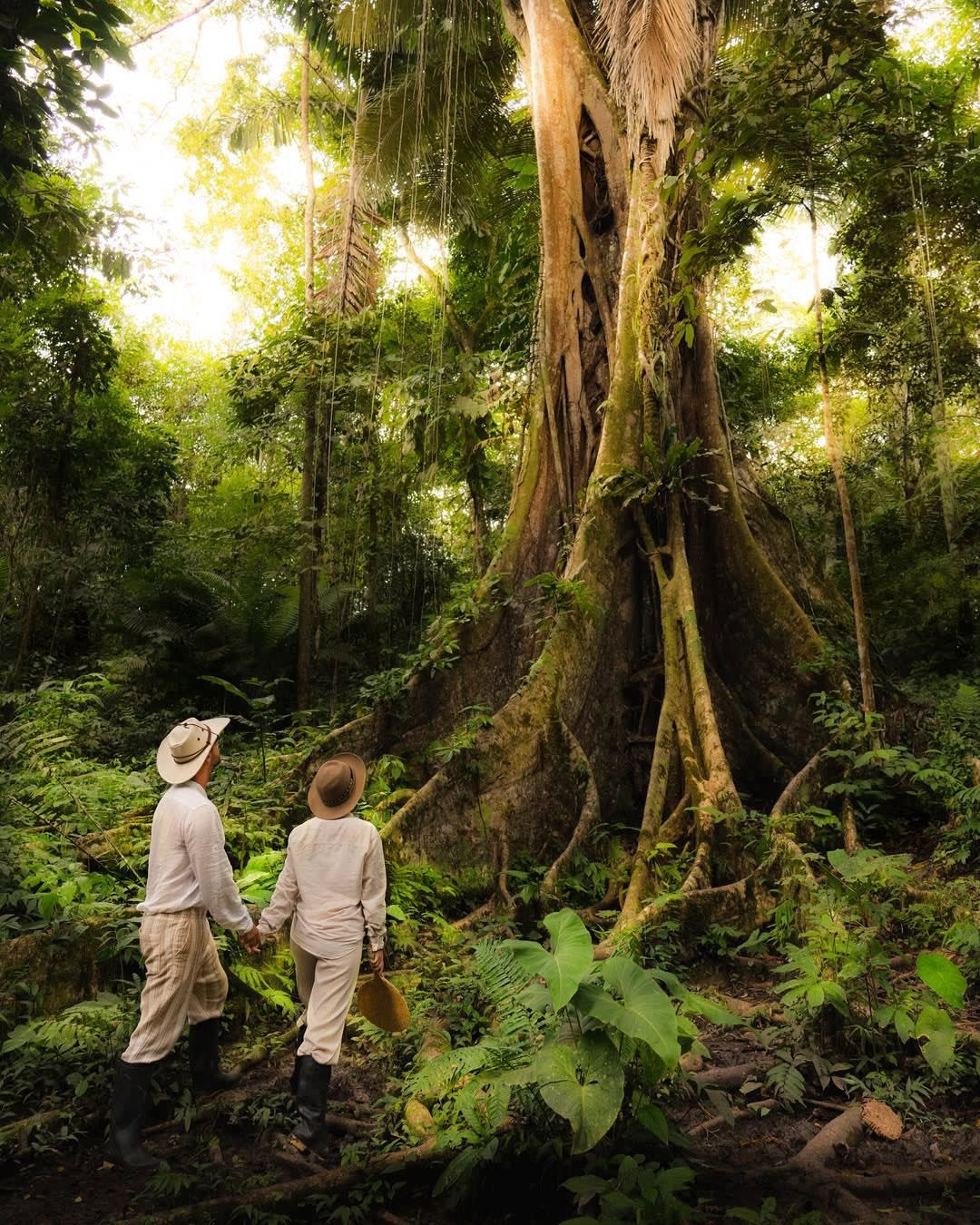
Light-coloured long-sleeve clothing, quick-dry long pants, closed footwear, wide-brim hat, repellent, sunscreen, personal medications, binoculars, camera with 200mm+ zoom.
Design Your Journey
Design your bespoke Peru journey
We talk. We listen. Then we design an itinerary that belongs only to you.
Start Planning