Destinations· 8 min read·3 January 2025
The Andean Explorer Train: Is the Cusco-Puno-Arequipa Route Worth It?
Two nights on rails at 4,500 metres — what you gain in transit and what it costs not to fly.
By Kada Travel Editorial
The Andean Explorer departs Cusco's Wanchaq station at eleven in the morning on a Tuesday —Mondays and Thursdays for Arequipa, Wednesdays for Puno return— and takes forty-five minutes to actually leave the city. Those forty-five minutes cross Cusco's industrial district, the outskirts of San Sebastián, the suburbs where modern Cusco still has not finished defining itself. The speed is slow, almost pedestrian. For the traveller used to jets or private cars, that slowness is a first question. But it is also the first answer to why the train was chosen.
The Andean Explorer is South America's only luxury train-hotel. Operated by PeruRail under Belmond licence since 2017, it offers two routes: Cusco-Lake Titicaca-Arequipa (two nights) and Cusco-Lake Titicaca-Cusco (one night). The concept is borrowed from Europe's Orient Express and Africa's Rovos Rail: private cabins serving as hotels, dining cars, observation car with open bar, dining car with serious kitchen. The difference is altitude. Where the Orient Express crosses Italian countryside, the Andean Explorer climbs the La Raya pass at 4,319 metres.
The route: four hours of altiplano
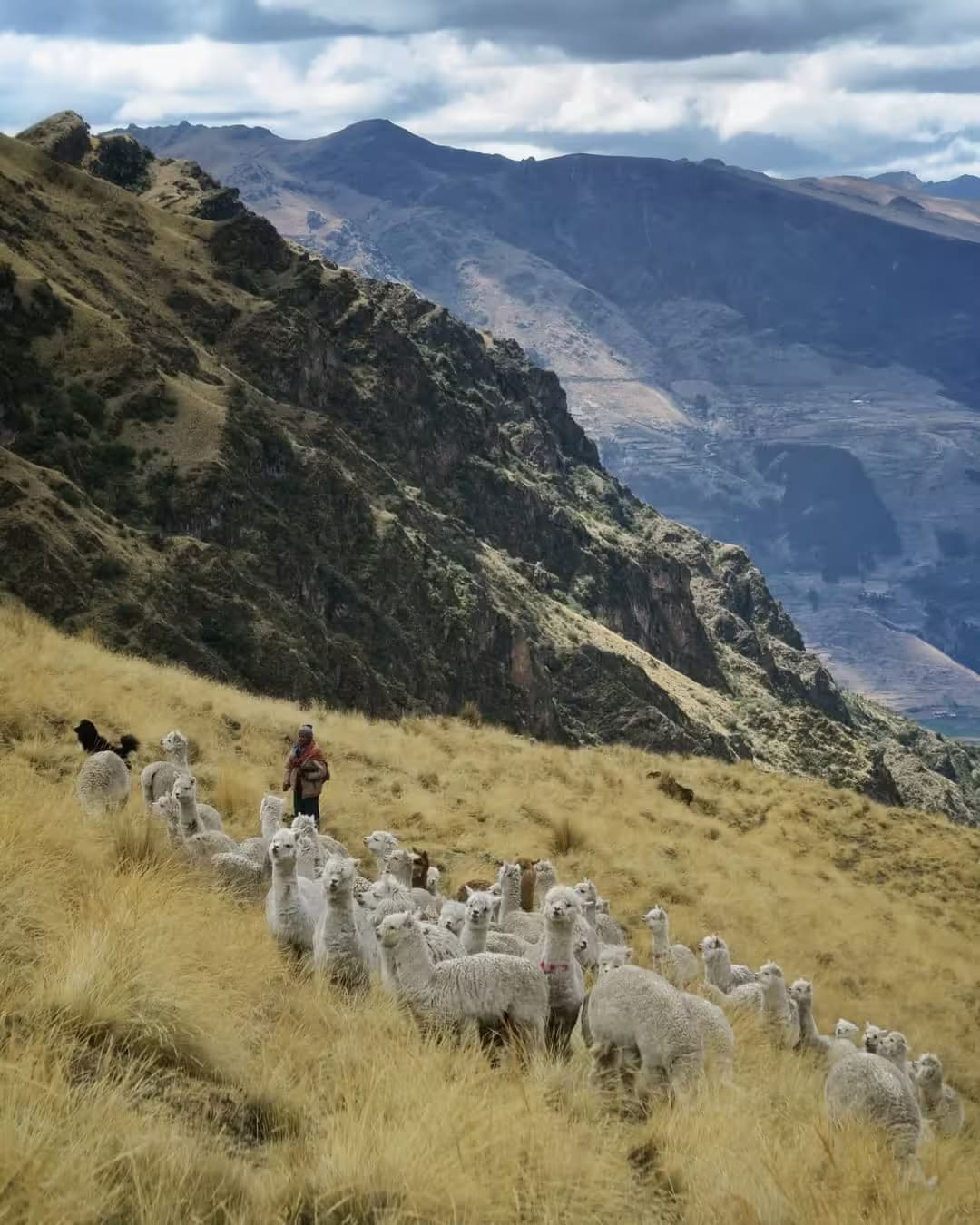
The three-day route begins in Cusco and ends in Arequipa, crossing 390 kilometres of altiplano. Day one: Cusco departure at eleven, lunch in the dining car as the train climbs toward La Raya, arrival in Puno at five thirty in the afternoon. The afternoon is spent on Lake Titicaca with a visit to the floating islands —on the train's own lancha, avoiding the crowded dock— and night on the train docked in Puno.
Day two: dawn over Titicaca, morning navigation to the islands (Llachón or Taquile option), lunch on the train as it descends from altiplano to Juliaca, crossing pampean landscape until the gorge leading to Arequipa. Arrival at Arequipa station at nine thirty in the evening.
Day three: breakfast on the train in Arequipa, descent to the city, free day with private guide. The usual continuation is the Colca canyon or a flight to Lima.
The La Raya pass, on day one, is the climactic moment. The train stops fifteen minutes at an abandoned station at 4,319 metres. Cutting cold, altiplano wind, local vendors with weavings. Passengers descend for photos and to breathe the thin air. The highest point of the entire route, and the only stop in pure open territory.
The cabins, the service
The train has twenty-four cabins. Sixteen are sleepers —double beds, shared bathroom in corridor, shower at car end. Eight are suites with private bath, in-cabin shower, considerably more space. The price difference between sleeper and suite is USD 600 to 1,200 per person for the two-night route. We always recommend the suite: shared bathroom, on a train with twenty-five people, is functional but not editorial.
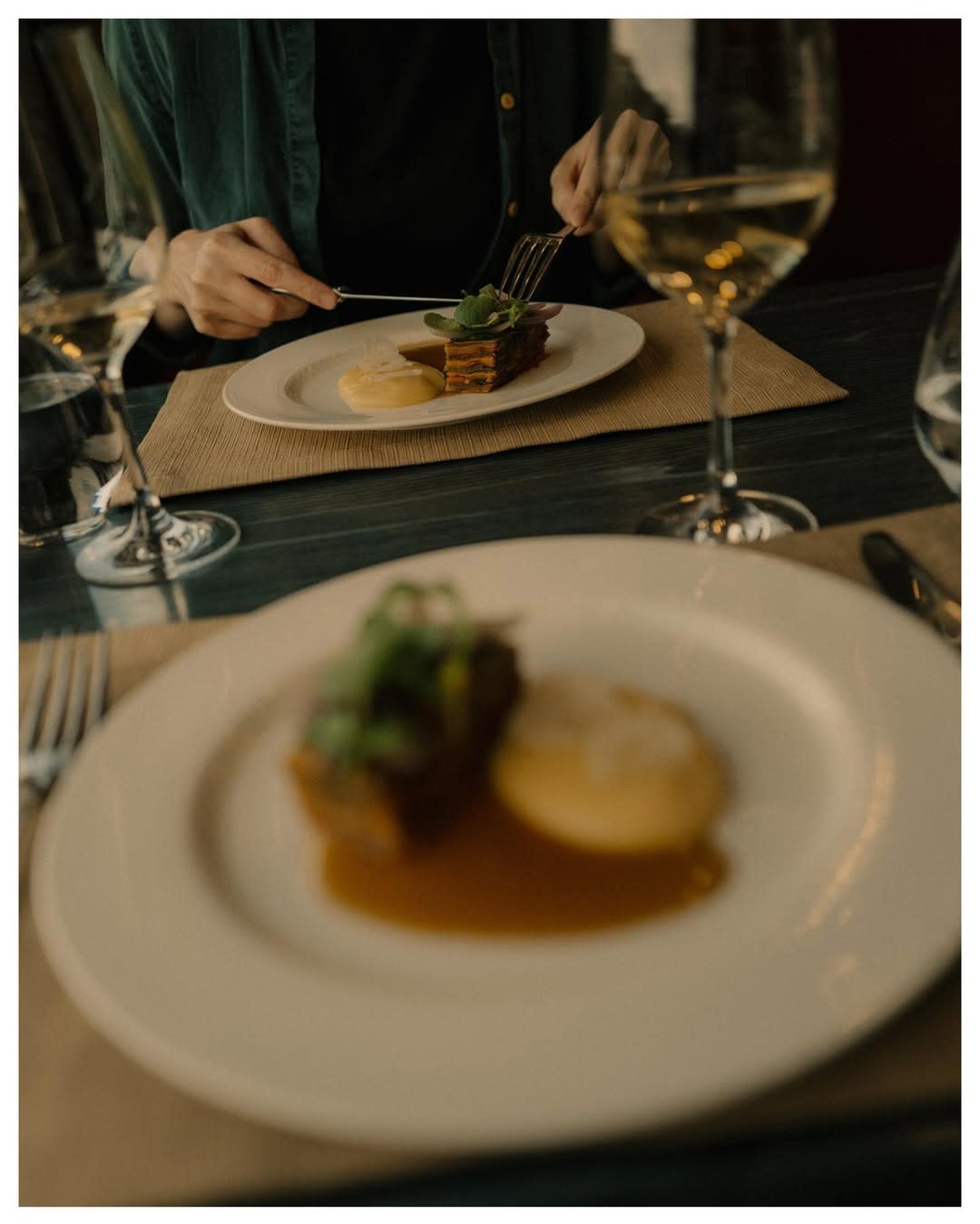
Common spaces are three. The Picchu observation car, last in the train, is a carriage with open balcony at the rear. The sensation —watching the railway recede at 70 km/h, altiplano in the background— is the postcard image of the trip. The Spirit of the Andes dining car serves lunch and dinner with four-course tasting menu signed by Peruvian chef Diego Muñoz; altiplano produce, careful presentation. The Andean Explorer Lounge is the night bar with live music and extensive pisco list.
Service includes butler per cabin, lunch and dinner on train days, all drinks (wine included), Titicaca excursions, transfers to and from the train. Not included: hotels before and after, return flight to Lima, tips (international standard, USD 50 per person for the route).
When it is worth it
The Andean Explorer suits three traveller types: those who value the journey over destination, those combining honeymoon with iconic experiences, and those with time to spare and a wish to cross the altiplano without driving fatigue. For these three, the answer is yes.
For the rest —travellers on tight time, those prone to motion sickness, those whose sleep suffers at sustained altitude— the plane is better. The Cusco-Juliaca-Arequipa flight (with stop) takes six total hours including airports. The train takes thirty-six hours. That difference, in a fourteen-day Peru trip, is two whole days for Cusco or Lima.
The train is not transit. It is one of the trip's experiences, comparable to the Nazca overflight or the Hiram Bingham. The question is not whether it is worth what it costs, but whether it fits the architecture of the journey.
Kada Travel
The two routes compared
The Cusco-Puno-Arequipa route (two nights) is the complete version: three cities, two nights aboard, crossing the entire Peruvian altiplano. Recommended for those with Arequipa-Colca planned at the trip's end who want the connection without driving.
The Cusco-Puno-Cusco route (one night) is the condensed version: Cusco departure, night on the train docked in Puno, Titicaca navigation, return to Cusco the following day. Recommended for those who already plan to continue south by air and want only the train experience plus a Titicaca visit based in Cusco.
Current prices (May 2026): two-night route, USD 1,850 per person sleeper, USD 2,700 suite. One-night route, USD 1,100 per person sleeper, USD 1,700 suite. Double rates —not single— with 30% surcharge for solo cabin.
A final note on altitude
The train maintains ambient pressurisation but is not pressurised like an aircraft. Sustained altitude over twelve hours above 3,500 metres affects some passengers: first-night headache, light sleep, fatigue. Cabins have supplemental oxygen on request. We recommend travellers not yet acclimatised (just arrived from Lima to Cusco) take the train on day three of the trip, not earlier. And not to consume more than a glass of alcohol the first night, even though the open bar makes it easy.
For our travellers, the Andean Explorer is integrated into the itinerary with Virtuoso preferential rates, guaranteed six-month-ahead reservation, and coordination of the complete journey: transfers from the Cusco hotel to the train, Titicaca excursions, and onward to Arequipa or return. Kada manages the experience as a whole, not as a transport transaction.
Written by Kada Travel Editorial
Frequently Asked
Two-night route: USD 1,850 to USD 2,700 per person, double. One-night route: USD 1,100 to USD 1,700. Single supplement: 30%. Rates valid as of May 2026.
When time is limited (less than two weeks in Peru), when the traveller is prone to motion sickness, when sleep at altitude is a concern, or when fitting more activities in fewer days is preferred. In those cases, the flight.
Yes. The line is well maintained and top speed is 70 km/h. Motion is mild and constant; only on the tight curves of the gorge before Arequipa are there notable jolts.
The train does not admit children under 12. The reason is sustained altitude and the adult dynamic of service (long dinners, open bar). For families, we recommend air travel and hotel nights.
Yes. The two-night route departs Cusco on Mondays (ending Fridays in Arequipa). The one-night runs Wednesdays. No daily service.
Yes. The difference between shared and private bathroom, over two nights, is decisive for rest. More cabin space, nearby shower, better sleep. The upgrade is worth the cost.
Design Your Journey
Design your bespoke Peru journey
We talk. We listen. Then we design an itinerary that belongs only to you.
Start Planning