Experiences· 4 min read·16 September 2026
A Night on the Highest Lake
Titicaca without the excursion: sailing at sunset, sleeping on an island with no vehicles, and a sky at 3,800 metres with not one artificial light.
By Kada Travel Editorial
The mistake with Titicaca is treating it as an excursion. You leave Puno at seven, visit the floating islands alongside every other launch, have lunch in a community and return by four. All correct, all predictable, and none of it explains why this lake carries the weight it does in Andean cosmology.
What explains it happens after five in the afternoon.
Sailing once the lake empties
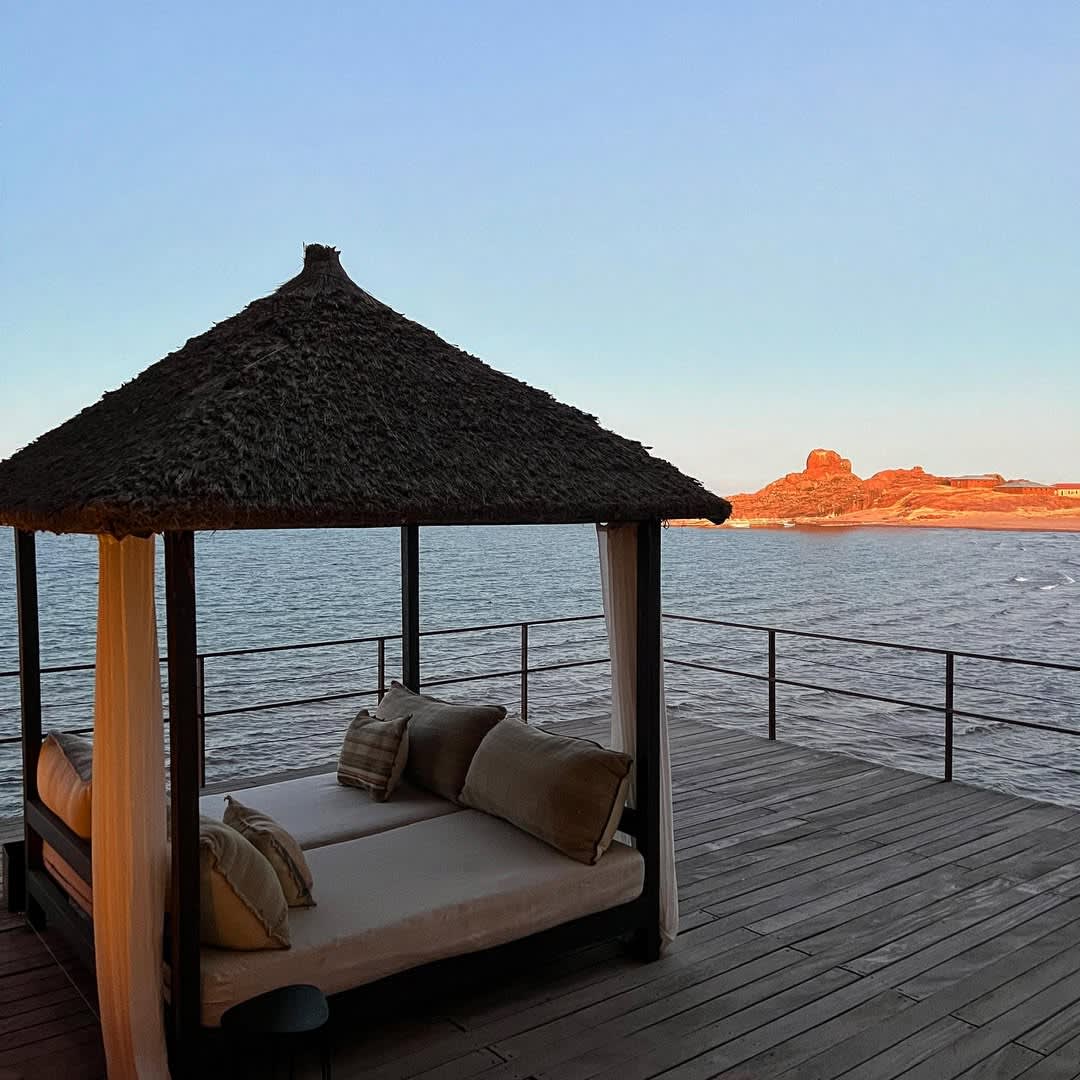
By that hour the excursion boats have turned back toward the port, and the water — an aggressive, almost electric blue at midday — turns silver and completely flat. A lake of eight thousand square kilometres without a single vessel in sight produces a silence unlike the desert's or the mountain's: it is a silence with an echo.
Sleeping on the far side
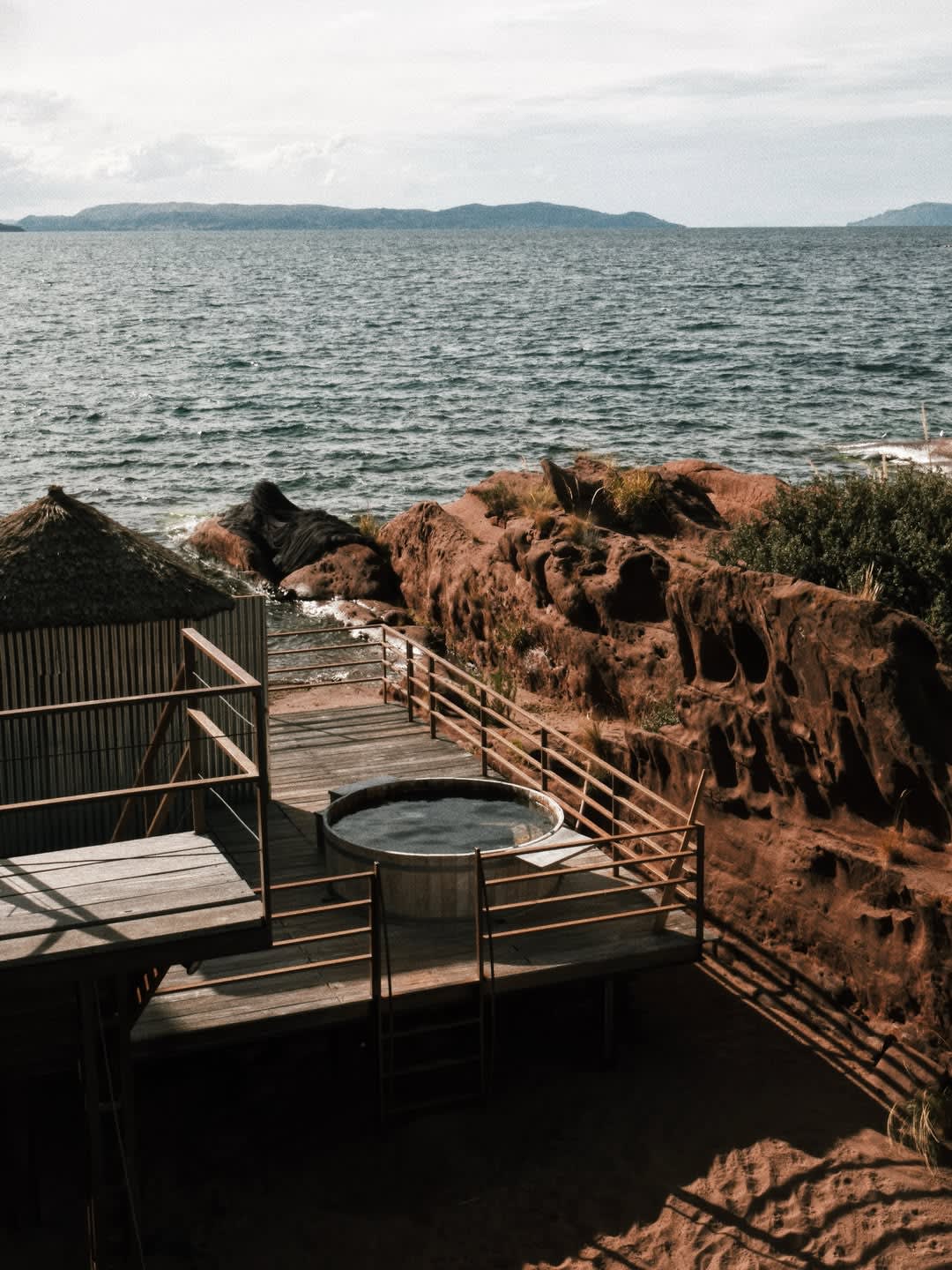
There are islands with no cars because there are no roads, where electricity arrives sparingly and late. You dine early, walk up to some high point without a torch because the moon is enough, and by nine at night there is nothing left to do but look upward. At 3,800 metres with not one artificial light on the horizon, the altiplano sky has a density difficult to describe without sounding overstated, so we will not attempt it.
And the morning, which is cold and worth it
Dawn over the lake comes with the Bolivian cordillera catching light on the far side of the water. It is cold — near zero — and you go out anyway, cup in hand, for fifteen minutes. Afterwards you can go back to bed.
Titicaca is not a place to visit. It is a place to stay one night.
Written by Kada Travel Editorial
Frequently Asked
It depends where. There is simple community lodging and there are options with heating and a private bathroom — we work with both, and the choice changes the experience considerably.
3,812 metres. The first night on the altiplano is usually restless; that is why we never schedule Titicaca as the first stop of a southern trip.
May to September for clear skies — and colder nights. In the rainy season there is more cloud, but also the most spectacular sunsets of the year.
Yes, the lake is shared and the crossing is viable. It is best decided at the start of the design, because it changes the entire southern route.
Design Your Journey
Design your bespoke Peru journey
We talk. We listen. Then we design an itinerary that belongs only to you.
Start Planning