Destinations· 9 min read·10 March 2025
Inca Trail, Short Inca Trail and Salkantay: A Comparison
Four days, two days or five — what you gain and lose with each route to Machu Picchu.
By Kada Travel Editorial
There are three ways to reach Machu Picchu on foot. All three can be booked with luxury service —porters, geodesic tents, in-camp chef, altitude gear— but each demands different things from the walker. This guide compares the classic Inca Trail, the short Inca Trail and the Salkantay route, and proposes how to choose based on physical condition, days available and traveller mood.
Classic Inca Trail: four days, one ceremony
The classic Inca Trail is a 43-km route the Incas traced in the fifteenth century as ceremonial path between Ollantaytambo and the citadel. Walked in four days with three nights of camping. Arrival is through the Sun Gate (Inti Punku) at dawn on day four, before the site opens to the public —the privilege justifying all the effort.
Daily quota is 500 people, including guides and porters. Actual hikers are 200. Permits are reserved six to eight months ahead for high season (May-September). The trail closes in February for maintenance.
Physically demanding. Four days with progressive loads (light backpack, porters carry equipment and tents), two passes above 4,000 metres (Warmiwañusca at 4,215 m, Runkuracay at 3,950 m), long descents on Inca steps, nights below 5°C in May and June. For luxury travellers, service includes extra porters (one porter per hiker), insulated-floor geodesic tents, private chemical toilets, chef cooking with valley produce.
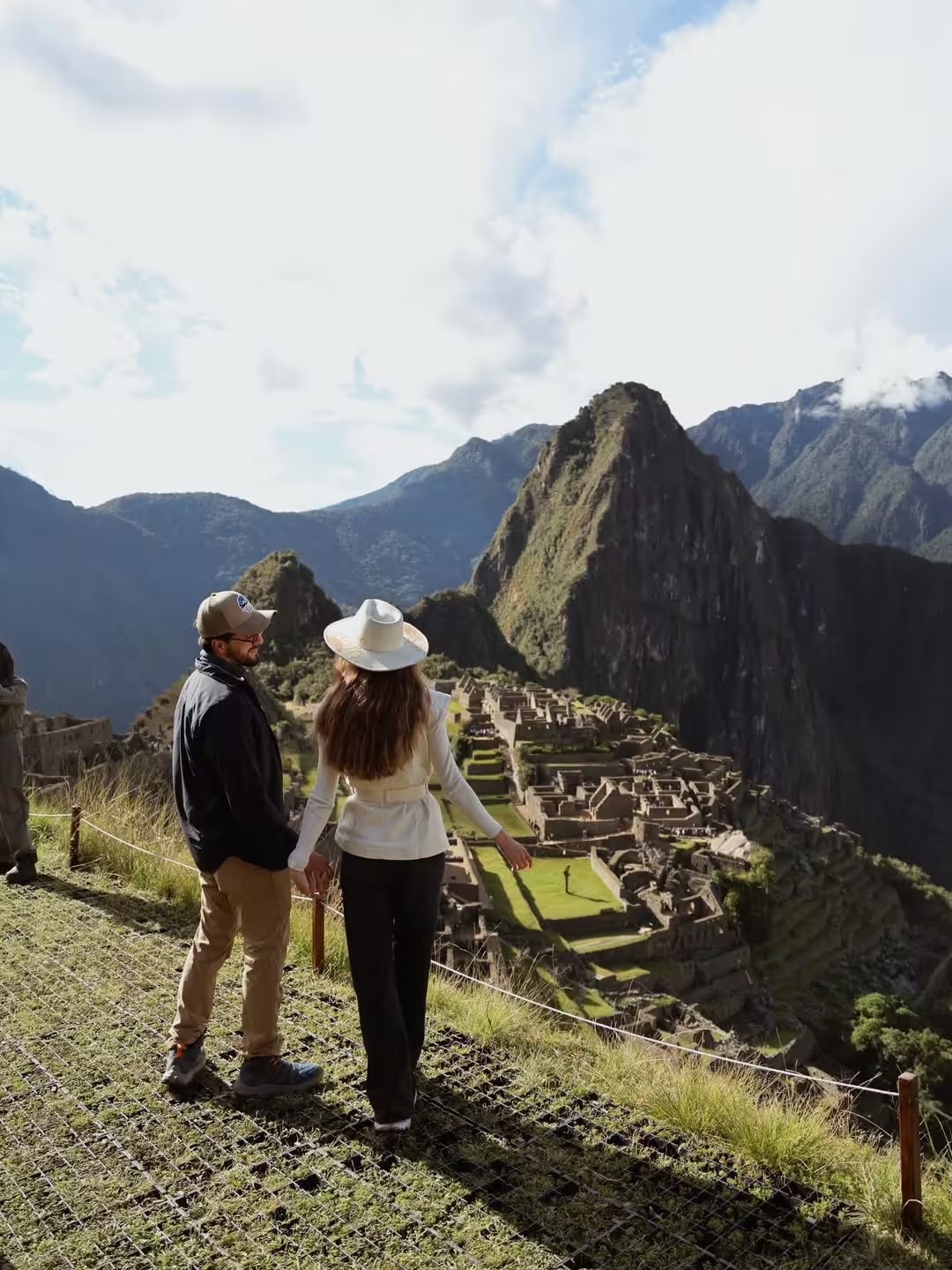
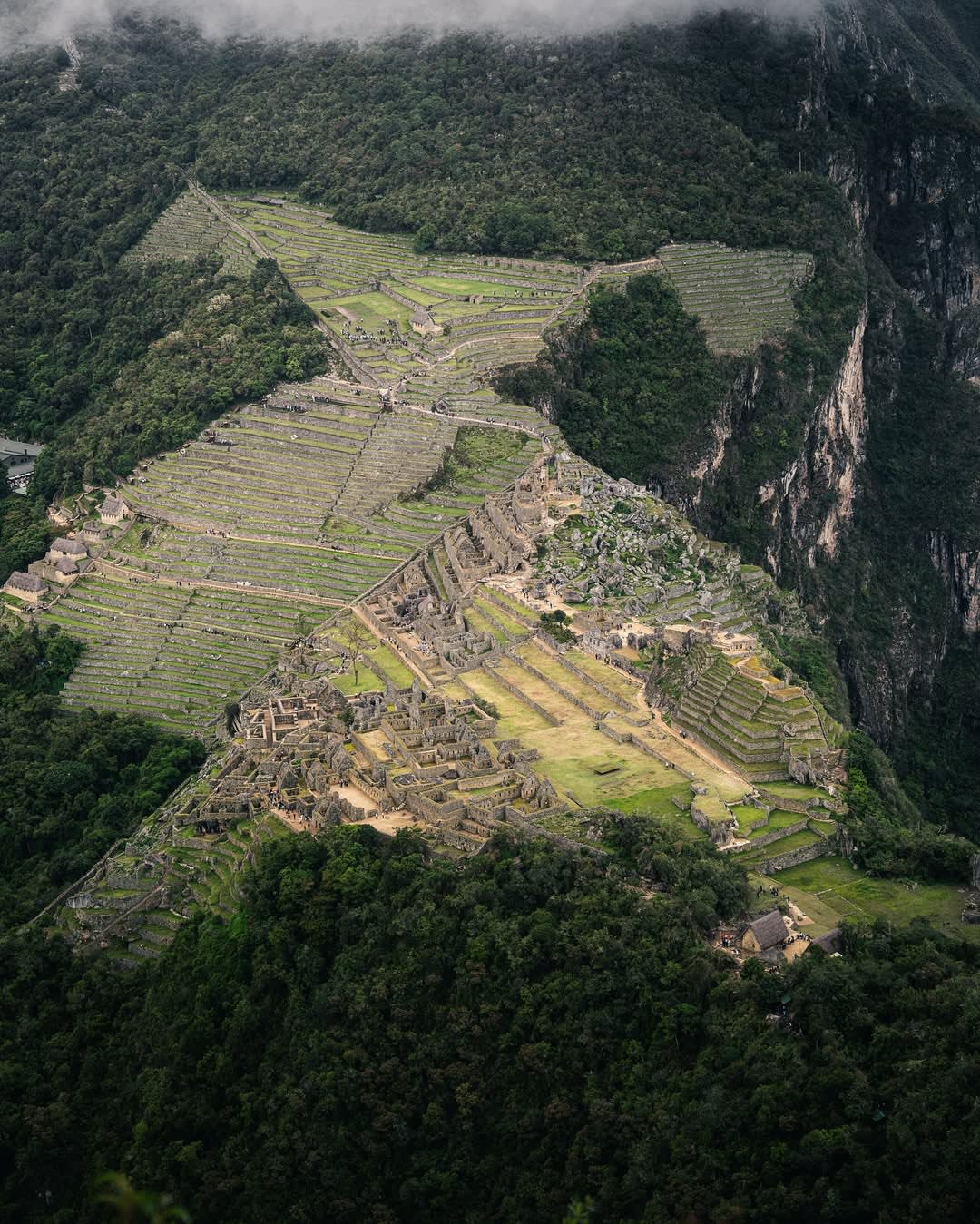
The reason we recommend the classic, despite the demand, is the arrival. The Sun Gate at day-four dawn —Machu Picchu appearing below in backlight, still empty of daytime visitors— is probably Peru's best postcard. And it is earned, not bought.
Short Inca Trail: two days, half the privilege
The short Inca Trail is the condensed version. Take the train from Ollantaytambo to kilometre 104, walk six hours to the Sun Gate, enter the site late afternoon, sleep in Aguas Calientes, and return to the site the next day for the full visit. Total: two days, one hotel night (no camping).
The advantage is real: walk the last day of the classic trail, arrive by the Sun Gate, avoid the four-day trek and three tent nights. The walk is demanding —six continuous hours, 700 metres of positive elevation, arrival at 2,700 m— but not technical. No special equipment required.
Quota is smaller than the classic (250 daily total). Reserve three to four months ahead. The option we recommend for travellers who want to earn the Sun Gate entry but cannot commit four days of their Peru itinerary to trekking.

Salkantay: five days, another geography
The Salkantay route is the alternative for those who did not get a classic Inca Trail permit, or those seeking a different geography. It does not end at the Sun Gate —the last day takes a train from Hidroeléctrica to Aguas Calientes— but it crosses the Salkantay snow-peak pass at 4,630 metres and descends through cloud forest to Lucmabamba.
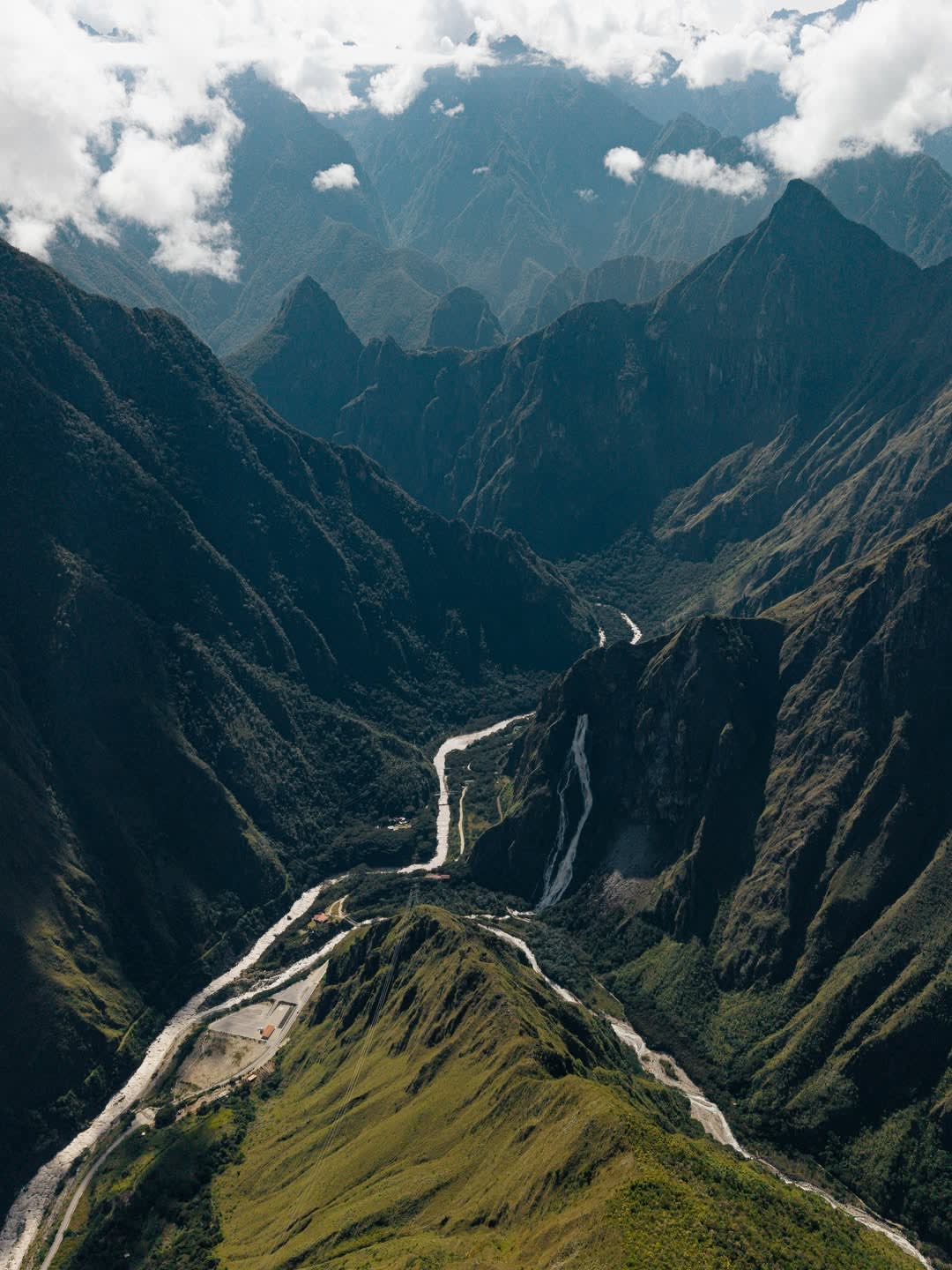
Five days, four nights. Day one starts in Mollepata (three hours from Cusco by car), climbs to Soraypampa camp with first view of the snow peak. Day two is the most demanding: Salkantay pass at 4,630 m, descent to 3,900 m. Day three is ecosystem-focused: from altiplano to cloud forest. Day four crosses Santa Teresa valley to Hidroeléctrica. Day five, train to Aguas Calientes and site visit.
The difference from the classic is pristineness. Salkantay has five times fewer hikers (no permit limit, but logistics deter mass) and crosses a more virgin landscape. For luxury travellers, camps can be geodesic tents or heated transparent domes —Mountain Lodges of Peru runs the premium service. The option for those who value landscape over Inca ceremony.
The three routes end at Machu Picchu, but only two end at the Sun Gate. The difference is not geographical: it is ceremonial. Walking the classic or the short means entering where the Incas entered.
Kada Travel
Quick comparison
Days: Classic 4, Short 2, Salkantay 5.
Distance: Classic 43 km, Short 12 km, Salkantay 60 km.
Maximum altitude: Classic 4,215 m, Short 2,700 m, Salkantay 4,630 m.
Sun Gate arrival: Classic yes, Short yes, Salkantay no.
Daily quota: Classic 500 (200 hikers), Short 250, Salkantay no limit.
Book: Classic 6-8 months, Short 3-4 months, Salkantay 1-2 months.
Luxury price: Classic USD 2,500-3,500, Short USD 800-1,200, Salkantay USD 2,000-3,000 (per person, all-inclusive).
How to choose
If physical condition is good and 4-5 days are available: Classic. The complete ceremonial experience.
If condition is good but time is scarce (2-3 days): Short. Gives the ceremonial ending without the four-day commitment.
If condition is excellent and pristine landscape is sought: Salkantay. The most demanding route but also the most solitary.
If condition is average or untrained: no foot route. The train to Aguas Calientes is the right option. No shame in that —ill-prepared hikers are the main cause of emergency evacuations on these trails.
Written by Kada Travel Editorial
Frequently Asked
Yes, with certified professional guide. Evacuations for altitude sickness or injury are rare but occur. Luxury operation includes oxygen tank, complete first-aid kit and emergency horse.
The classic Inca Trail has no official minimum age, but we recommend 14. For the short, 10. For Salkantay, 16 due to physical demand.
The classic Inca Trail has maximum stage times. For slow walkers, the short is better. For private groups, we can extend the classic to five days with an extra camp.
May-September. The classic trail closes all of February. Salkantay can be walked year-round but December-March is wet.
For the demanding hiker with sensitive back, yes: extra porters, private tent, chef and private bathroom change the experience. For experienced hikers, the standard version works.
Another level. Five to eight days, remote site, no infrastructure. For the exceptional traveller. The Choquequirao-Machu Picchu nine-day version is one of Peru's most demanding treks.
Design Your Journey
Design your bespoke Peru journey
We talk. We listen. Then we design an itinerary that belongs only to you.
Start Planning