Culture & Stories· 9 min read·1 December 2024
Who Were the Incas: History of the Empire in Five Chapters
From Cusco to Tahuantinsuyo, from sun cult to encomienda — the twelve rulers and their five hundred years of transformation.
By Kada Travel Editorial
To understand Peru one cannot skip the Inca Empire. But the common version —ancient civilisation, golden city, tragic conquest— is insufficient and ahistorical. The Inca Empire was not ancient: it existed between 1438 and 1533, contemporary to the European Renaissance. In less than 100 years it grew from small kingdom to the largest empire of the Americas. This guide describes the history in five chapters so the Peru trip has the depth it deserves.
Chapter I — Before the empire: 1200-1438
The pre-Inca peoples of the Cusco valley were farmers and herders. Lived in stone huts, raised llamas and guinea pigs, cultivated potato, quinoa and maize. The Cusco leader, called Sinchi (chief), was one among many in a multi-ethnic region with dozens of small kingdoms.
The Chankas, neighbours to the northwest, were the main rival. Around 1430-1438, the Chankas decided to expand and launched massive attack against Cusco. The Cusco Sinchi, called Wiracocha, fled. His son, called Cusi Yupanqui, decided to stay and defend the city with loyal warriors.
The defence was successful. Cusi Yupanqui defeated the Chankas at the battle of Yawarpampa ("blood plain"). Took the name Pachacuti ("world transformer") and proclaimed himself Sapa Inca. It is 1438. The empire begins.
Chapter II — Imperial expansion: 1438-1493
Pachacuti governed until 1471. In 33 years transformed Cusco from small kingdom into capital of a regional state. His son, Tupac Yupanqui, governed 1471-1493 and multiplied the empire. By 1493, Tahuantinsuyo (the "four united quadrants") covered from southern Colombia to central Chile, a 4,000 km strip from north to south.
The Inca Empire reached:
10-15 million inhabitants in 200+ different ethnicities.
40,000 km of imperial roads (Qhapaq Ñan, UNESCO Heritage since 2014).
2,000+ tambos (imperial stations for army, messengers and administrators).
A capital, Cusco, with 100,000-200,000 inhabitants (larger than any contemporary European city except Paris, Constantinople and Naples).
The empire was administered with a system unique in human history: without currency, without alphabetic writing, without wheels in productive use. Administration worked with quipus (knotted cords for accounting), decimal system (1/10/100/1,000/10,000 units), and chasqui communication (relay runners, 240 km per day).
Chapter III — Pachacuti, the architect of modern Cusco
Pachacuti not only conquered: architecturally transformed Cusco. Before him, Cusco was rustic stone huts. After him, it was city of palaces with millimetric-precision carved stone.
Pachacuti's emblematic works include:
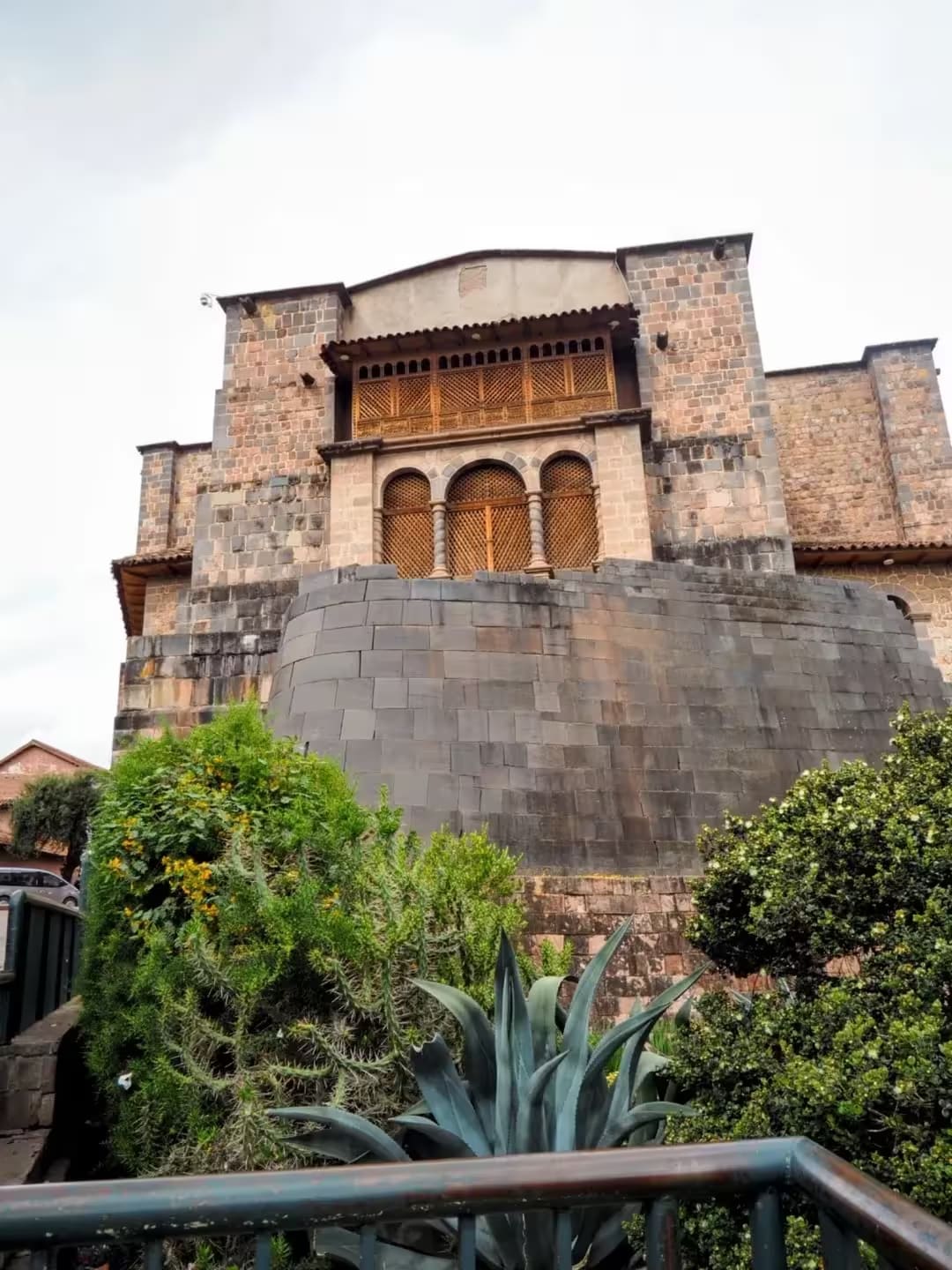
Coricancha ("Gold Enclosure"): main Sun temple, gold-covered walls, gardens with plants made of gold and silver. Today only the base remains, on which the colonial church of Santo Domingo was built.
Sacsayhuamán: fortress-temple atop above Cusco, with zigzagging walls of giant stones (some 200 tonnes) assembled without mortar, with precision joining them without visible gap.
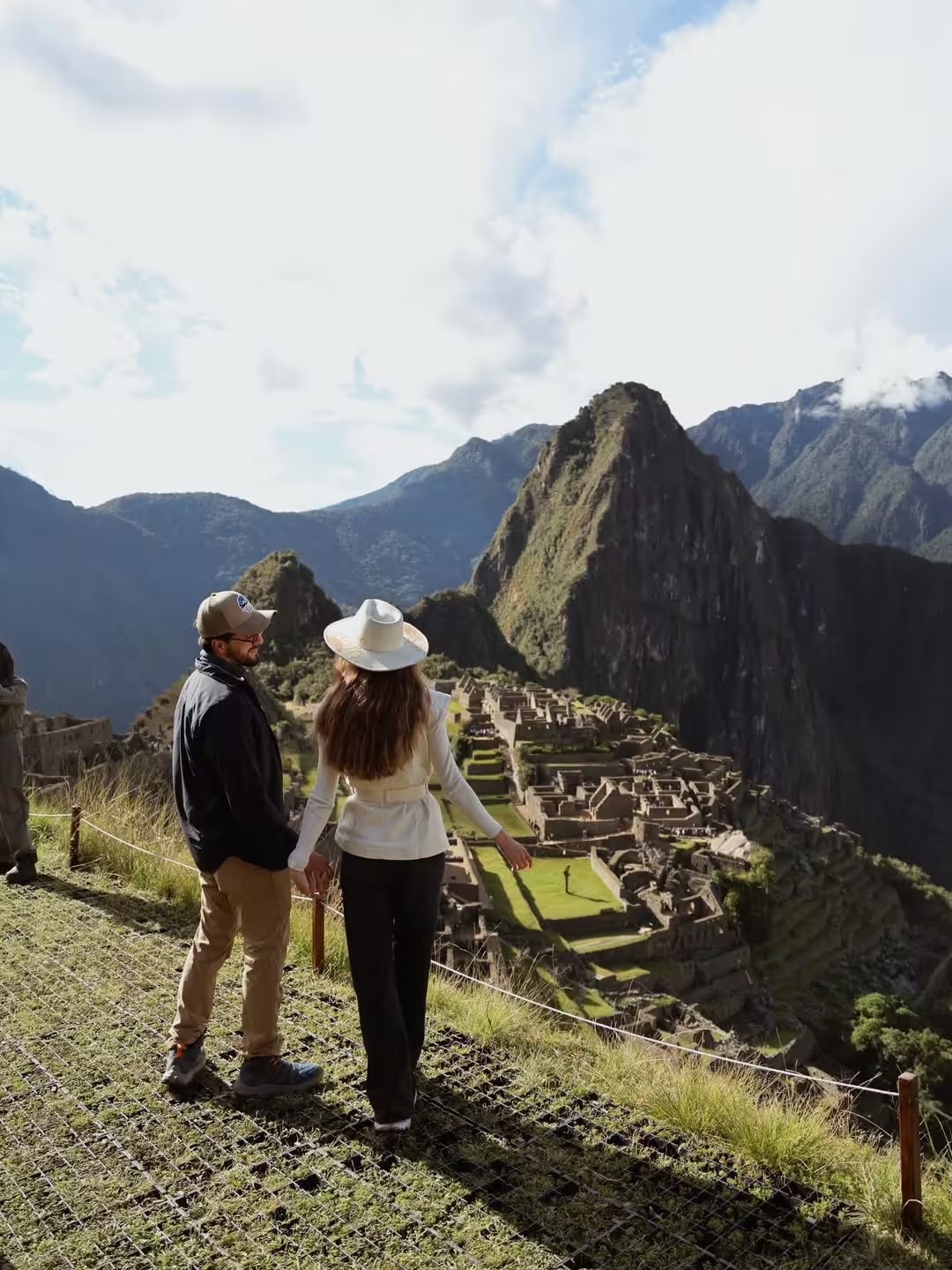
Machu Picchu: citadel built around 1450 as Inca royal retreat and religious centre. Strategically located on the boundary with Amazonian jungle.
Ollantaytambo: military-religious complex with agricultural terraces and temples. Only Inca site where they successfully resisted the Spanish in 1537.
Tipón: complex of fountains, canals and terraces for agricultural experimentation. Was water laboratory for the imperial court.

Chapter IV — Crisis and conquest: 1525-1533
The Inca Empire reached its peak under the eleventh Sapa Inca, Huayna Cápac (1493-1525). But around 1525, a new disease arrived from the north through commercial contact: smallpox. Huayna Cápac died of the disease in 1525, years before any Spaniard set foot in Peruvian territory.
His death without clear successor provoked civil war between two sons: Huáscar (Cusco-based) and Atahualpa (Quito-based). From 1527 to 1532, the empire weakened internally with this war. Atahualpa won but the empire was fragmented.
In 1532, Francisco Pizarro arrived in northern Peru with 168 men. Atahualpa, just victorious from the civil war, marched toward Cusco with his army of 80,000 soldiers. Pizarro ambushed him at Cajamarca in November 1532. Atahualpa was captured.
Atahualpa offered ransom: a room full of gold and two full of silver. He fulfilled it: 6,000 kg of gold and 12,000 kg of silver were delivered as ransom. Pizarro executed him anyway in July 1533. Execution was by garrotte after forced baptism, not by burning as the myth says.
In November 1533, Pizarro entered Cusco without significant resistance. The Inca Empire had fallen. Total conquest would take decades more, but the political centre was destroyed.
Chapter V — Resistance and legacy: 1533-present
Conquest was not immediate nor complete. Manco Inca, installed by Pizarro as puppet, rebelled in 1536 and besieged Cusco for a year. Failed but established the kingdom of Vilcabamba, Inca refuge in the jungle, lasting until 1572 when the last Sapa Inca, Tupac Amaru I, was captured and executed by Viceroy Toledo's order.
The empire had fallen but culture did not die. During 250 years of Spanish colony, Inca descendants maintained Quechua language, ritual ceremonies (syncretised with Catholicism), textile and agricultural knowledge, and historical memory. The rebellion of Tupac Amaru II in 1780-1781 was the largest indigenous uprising of colonial Spanish America.
In current Peru:
4-6 million Quechua speakers (original empire language).
1.5 million Aymara speakers (highland peoples' language, part of the empire).
40-50% of Peruvian population identifies as mestizo with indigenous ancestry.
The Inca Empire is not dead history: it is living identity. Patabamba textiles, Pachamama payment rituals at Machu Picchu, quinoa on Central menus, Cusco cuisine, all are continuation —not recreation— of Inca and pre-Inca practices.
The most common error visiting Machu Picchu is treating it as ancient ruin. It is contemporary construction to Leonardo da Vinci, made by a civilisation still living in current Peru. The traveller walks on 500-year-old stones, but the culture that created them is not museum: it is in the guide explaining, the weaver selling textile, the chef cooking quinoa. It is a fallen empire but a marching civilisation.
Kada Travel
The twelve rulers (the complete dynasty)
1. Manco Cápac (mythological, Cusco founder)
2. Sinchi Roca
3. Lloque Yupanqui
4. Mayta Cápac
5. Cápac Yupanqui
6. Inca Roca
7. Yáhuar Huaca
8. Wiracocha
9. Pachacuti (1438-1471, empire founder)
10. Tupac Yupanqui (1471-1493)
11. Huayna Cápac (1493-1525)
12. Huáscar and Atahualpa (1525-1533, civil war)
After 1533: Manco Inca (resistance 1536), Sayri Tupac, Titu Cusi Yupanqui, and Tupac Amaru I (last, executed 1572).
Recommended readings
To deepen before or after the trip:
"Conquest of the Incas" by John Hemming (1970): the most rigorous history in English.
"The Last Days of the Incas" by Kim MacQuarrie (2007): for general audience, vivid and well-documented.
"Cuatro tropas peruanas" by Mario Vargas Llosa: novel of the discovery of Machu Picchu.
"Royal Commentaries of the Incas" by Inca Garcilaso de la Vega (1609): primary source from the mestizo chronicler (half Inca, half Spanish).
Written by Kada Travel Editorial
Frequently Asked
A Cusco kingdom existed with eight previous rulers, but as small lordship. Pachacuti (1438) transformed it into empire. What is called 'Inca Empire' begins with him.
They had quipus (knotted cords) recording complex information —accounting, demographics, possibly narrative. Alphabetic writing as such did not develop, but quipus were functional recording system for imperial administration.
Three factors: European disease (smallpox 1525 killed Huayna Cápac and thousands more), civil war 1527-1532 weakened the army, and Atahualpa's capture in 1532 decapitated imperial hierarchy. Without these three simultaneous factors, 168 Spaniards could never have conquered 10 million Incas.
Incas strictly were ethnicity from Cusco. The 'Inca Empire' included 200+ diverse ethnicities, all conquered and incorporated. Speaking of 'Inca descendant' today is imprecise: descendants of Tahuantinsuyo peoples are several.
Quechua language (4-6 million speakers), monumental architecture (Machu Picchu, Sacsayhuamán, Ollantaytambo), road network (Qhapaq Ñan), agricultural techniques (terraces, native potato cultivation), religious cosmovision (Pachamama, Inti), and historical memory sustaining national identity.
Coricancha in Cusco was the empire's religious centre (main Sun temple). Machu Picchu, instead, was important royal retreat but not political nor religious centre of the empire. To understand the empire, Cusco is essential; Machu Picchu is spectacular complement.
Design Your Journey
Design your bespoke Peru journey
We talk. We listen. Then we design an itinerary that belongs only to you.
Start Planning