The Table· 7 min read·30 March 2025
Private Peruvian Cooking Classes: The Best Experiences
Learning ceviche in a chef's home, mastering pachamanca with Andean master, baking cuy in clay oven.
By Kada Travel Editorial
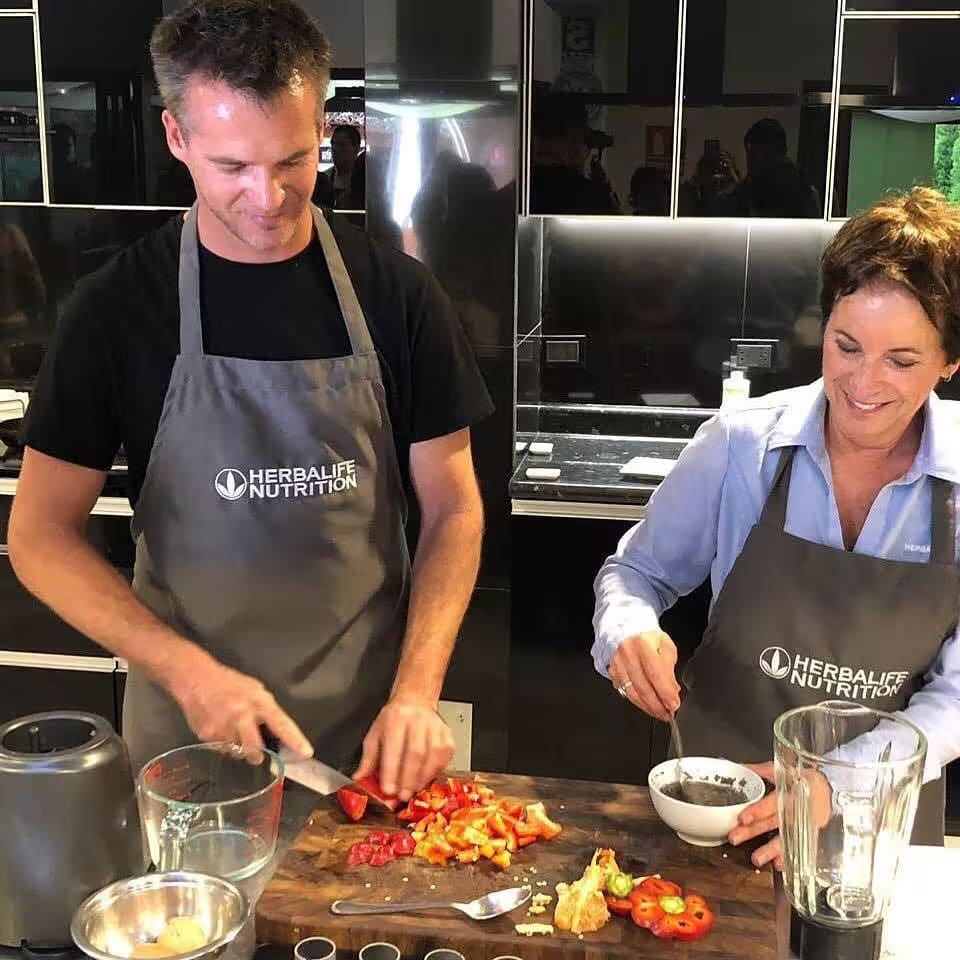
Private Peruvian cooking classes are one of the most-requested experiences by travellers seeking to take something concrete from the trip home. The difference from a gastronomic tour is that the traveller cooks —not only tastes. This guide covers five private-class formats, from the professional chef's home in Lima to the open-air kitchen with Andean master in the Sacred Valley.
Chef's home in Lima
The first format is the private class in chef's home in Lima. Three chefs offer this service: Florencia Aragón (Cusqueña with home-studio in Barranco), Renzo Garibaldi (Osso chef, meat specialist), and Sandra Plevisani (pastry chef).
The typical class lasts 4-5 hours and covers three to five dishes: classic ceviche, lomo saltado, ají de gallina, suspiro a la limeña. The chef receives the traveller at their home-studio, goes to the market to buy ingredients (50 minutes), returns to cook (3 hours) and ends with lunch or dinner with the prepared dishes (1 hour). Wine and pisco included.
Cost: USD 280-450 per person, by chef. Minimum 2 people, maximum 6. Three-week reservation.
Pachamanca with Andean master
The second format is the pachamanca class with Andean master. Pachamanca is the pre-Columbian buried-cooking technique: a pit is dug, volcanic stones are heated, ingredients are buried (cuy, alpaca, native potatoes, broad beans) with muña and plantain leaves, and cooked for an hour underground. The technique is 3,000 years old and remains alive in Andean communities.
The class is held in a community near Urubamba with a local master. Five hours: pit digging (1h), ingredient preparation (1h), buried cooking (1h), lunch (2h). Real technique learning. Cost: USD 180-280 per person. Minimum 4 people, maximum 12. Two-week reservation.
Cusco cooking with valley produce
The third format is the class at a Cusco restaurant with Sacred Valley produce. Marcelo Batata (in San Blas) offers this class on Wednesdays and Saturdays with a menu including soltero de queso, grilled alpaca, quinoa mazamorra and coca tea. The class lasts 3 hours.
Cost: USD 95-140 per person. Minimum 2, maximum 8. One-week reservation. The most accessible and affordable option.
Peruvian pastry with Sandra Plevisani
The fourth format is the Peruvian pastry class with chef Sandra Plevisani. Four hours dedicated to traditional desserts: suspiro a la limeña, mazamorra morada, picarones, alfajores, three milks. The class is held at her home-studio in San Isidro.
Cost: USD 350 per person. Minimum 2, maximum 4. Three-week reservation. Recommended for couples valuing tradition over experiment.
Clay oven in Sacred Valley
The fifth format is the clay-oven class at a Sacred Valley hacienda. Local masters teach traditional baking: Andean bread with quinoa flour, empanadas with alpaca filling, oven potatoes with paria cheese. The oven is lit with eucalyptus wood at 5 AM and maintains constant temperature until 4 PM.
Four hours: oven lighting (30 min), dough preparation (1.5h), baking (1h), lunch (1h). Cost: USD 150-220 per person. Minimum 4, maximum 10. Available at Sacred Valley haciendas —Sol y Luna, Inkaterra Hacienda Urubamba, among others— coordinated through Kada.
Learning to cook Peruvian is not just following recipes. It is understanding ingredients —potatoes changing by altitude, chilis changing by region, lime that is only lime in Peru.
Kada Travel
Experience comparison
For the most complete version of Lima cooking: class with Florencia Aragón in Barranco. Three to five classic dishes.
For unique ancestral experience: pachamanca with Andean master in Urubamba.
For most affordable option: Marcelo Batata in Cusco. USD 95 per person.
For pastry lovers: Sandra Plevisani in San Isidro.
For combination with lodging: clay oven at Sacred Valley hacienda.
What you learn and what you don't
The reality is that in a 4-5 hour class you learn 3-5 dishes. You do not become a Peruvian chef. What you do gain: ingredient knowledge (how to identify Peruvian lime, ají limo, Maras salt), basic techniques (how to "cook" fish with lime, how to macerate pisco, how to assemble pachamanca), and cultural context (origin of each dish, regional importance, family tradition).
To take home: written recipes in Spanish and English, step-by-step photographs, and dry ingredients you can transport (Maras salt, dried ají panca, quinoa, cañihua flour). Cevicherías also gift a bag with ingredients to prepare ceviche at home.
Written by Kada Travel Editorial
Frequently Asked
Pachamanca admits up to 12 people. Others have maximum 4-8. For groups of 15+, we recommend dividing into two consecutive classes.
Florencia Aragón, Renzo Garibaldi and Sandra Plevisani teach in fluent Spanish and English. Marcelo Batata in Spanish with translator. Pachamanca generally in Spanish with translator guide.
All classes adapt the menu to vegetarian and vegan. Pachamanca allows vegetable version with broad beans, potatoes and corn instead of cuy or alpaca.
No. Classes are designed for all levels. Beginners learn basic techniques; amateur cooks deepen knowledge of Peruvian produce.
Pachamanca admits children over 8 (with parents). Chef-home classes admit 10+. Sandra Plevisani has family class with cookies and simple desserts.
The cost includes all ingredients, wine, pisco and the final meal. No additional costs. For optional gift to chef, USD 30-50.
Design Your Journey
Design your bespoke Peru journey
We talk. We listen. Then we design an itinerary that belongs only to you.
Start Planning