Destinations· 7 min read·17 March 2025
Huayna Picchu vs Machu Picchu Mountain: Which to Climb
Two peaks, two opposite views, two restricted-capacity reservations — the decision that shapes the day at the sanctuary.
By Kada Travel Editorial
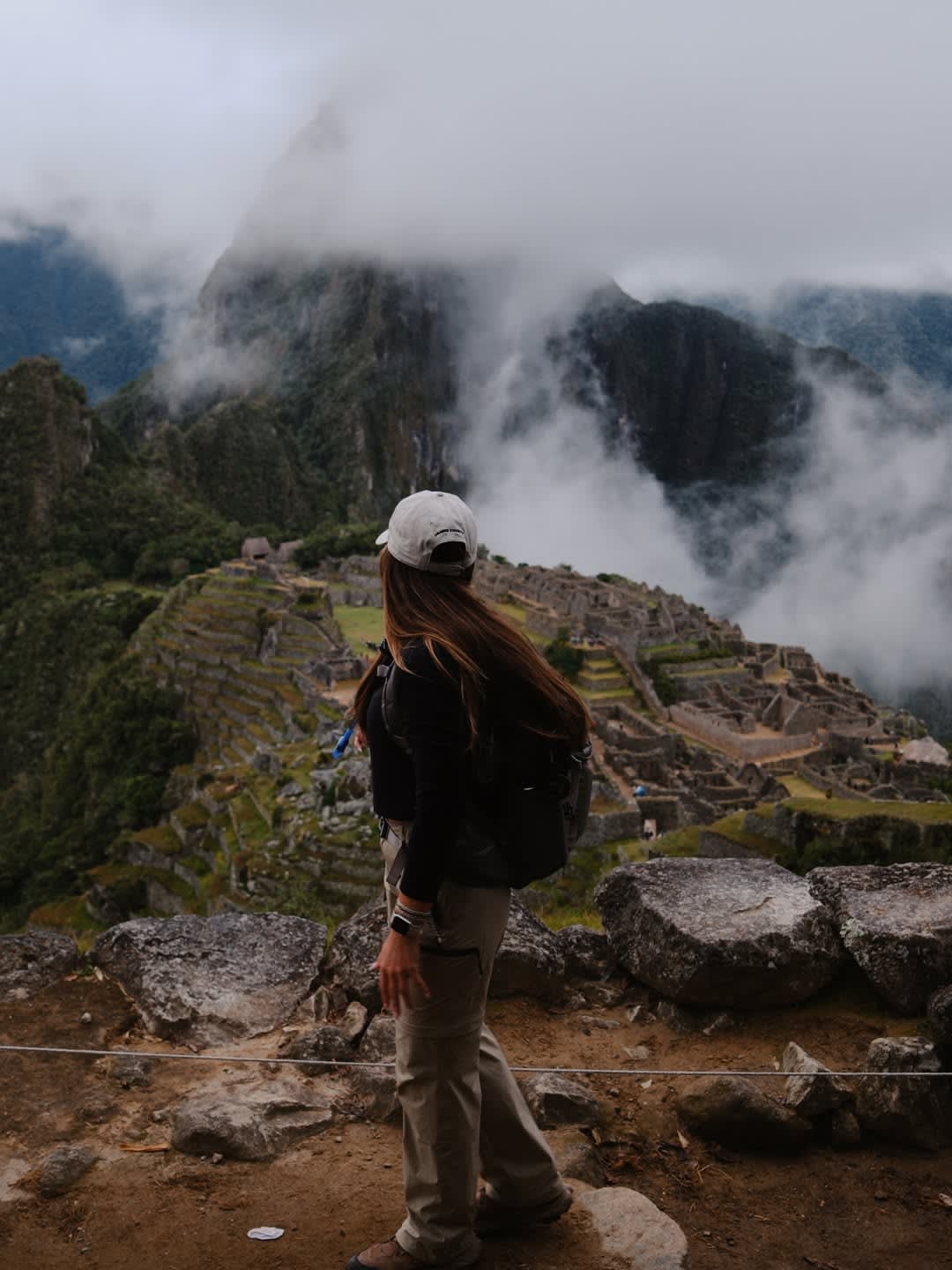
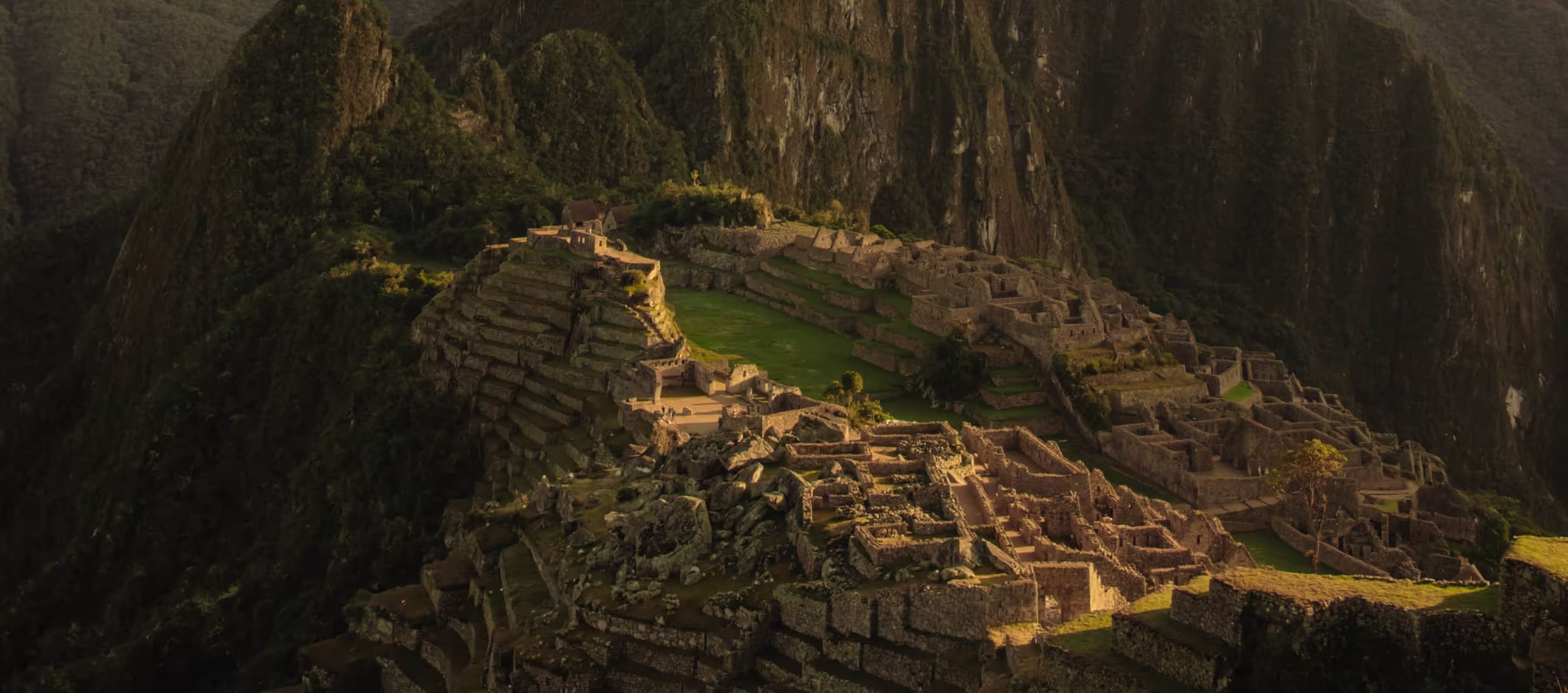
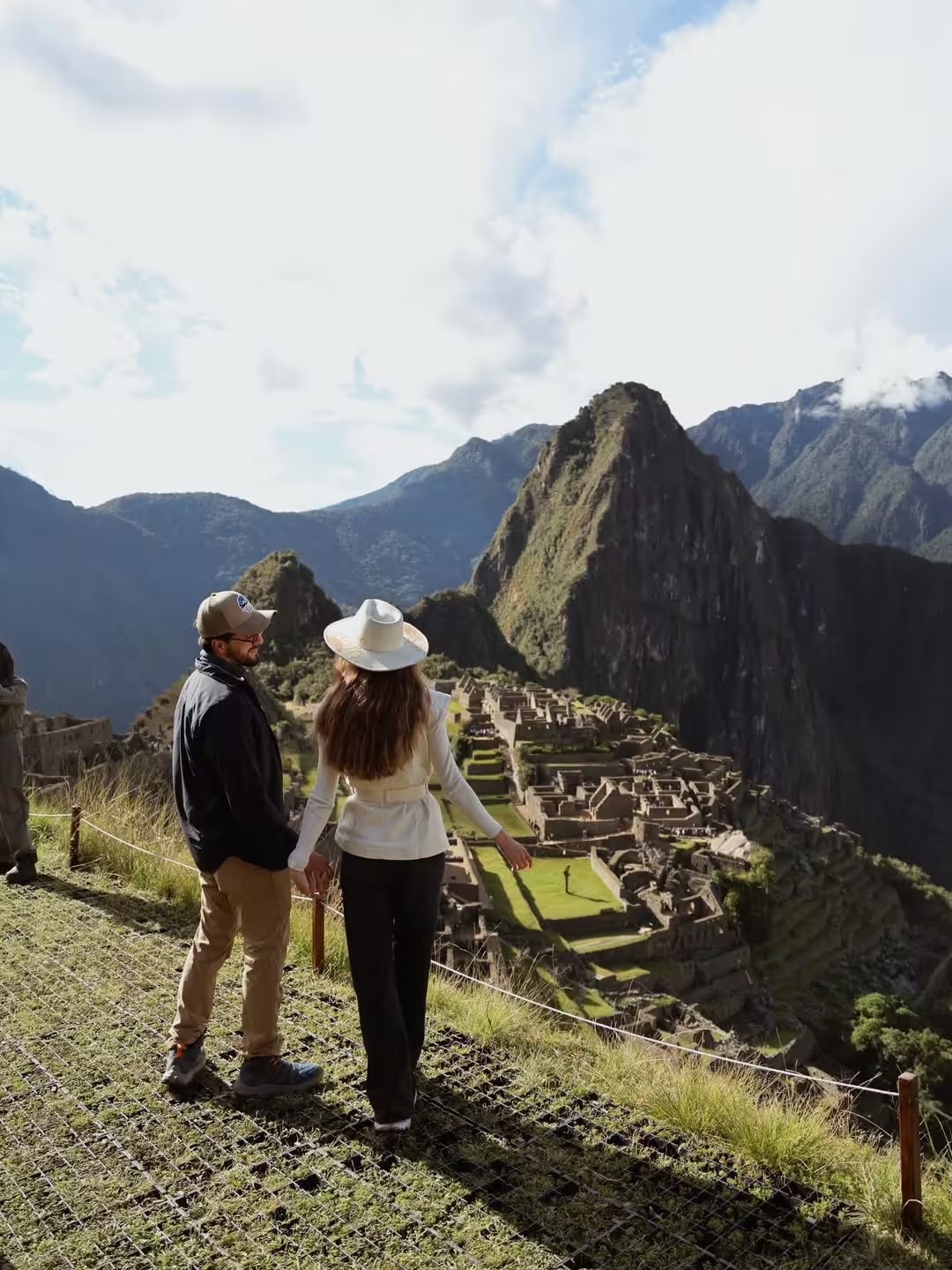
Two peaks flank Machu Picchu. The one appearing behind the site in every photograph —Huayna Picchu, to the north— and the one almost no one recognises —Machu Picchu Mountain, to the south. Both are climbed with combined ticket, both have restricted Ministry-of-Culture capacity, and both give the visitor a second reading of the main site: a zenithal view from above the classic postcard does not allow.
This guide compares the two. The difference is not only altitude —Huayna 2,720 m, Mountain 3,082 m. It is demand, view type, capacity and audience. Adding one to the Machu Picchu day means deciding before buying the ticket: the two options pair with different circuits and cannot both be done the same day.
Huayna Picchu: the iconic peak
Huayna Picchu is the granite pyramid behind the site in every photograph. The climb takes 60 to 90 minutes depending on fitness and weight. Starts at 2,430 metres (trailhead) and rises to 2,720. Elevation is 290 metres but slope is severe: 60% sections, narrow Inca steps, two sections with safety cable for support.
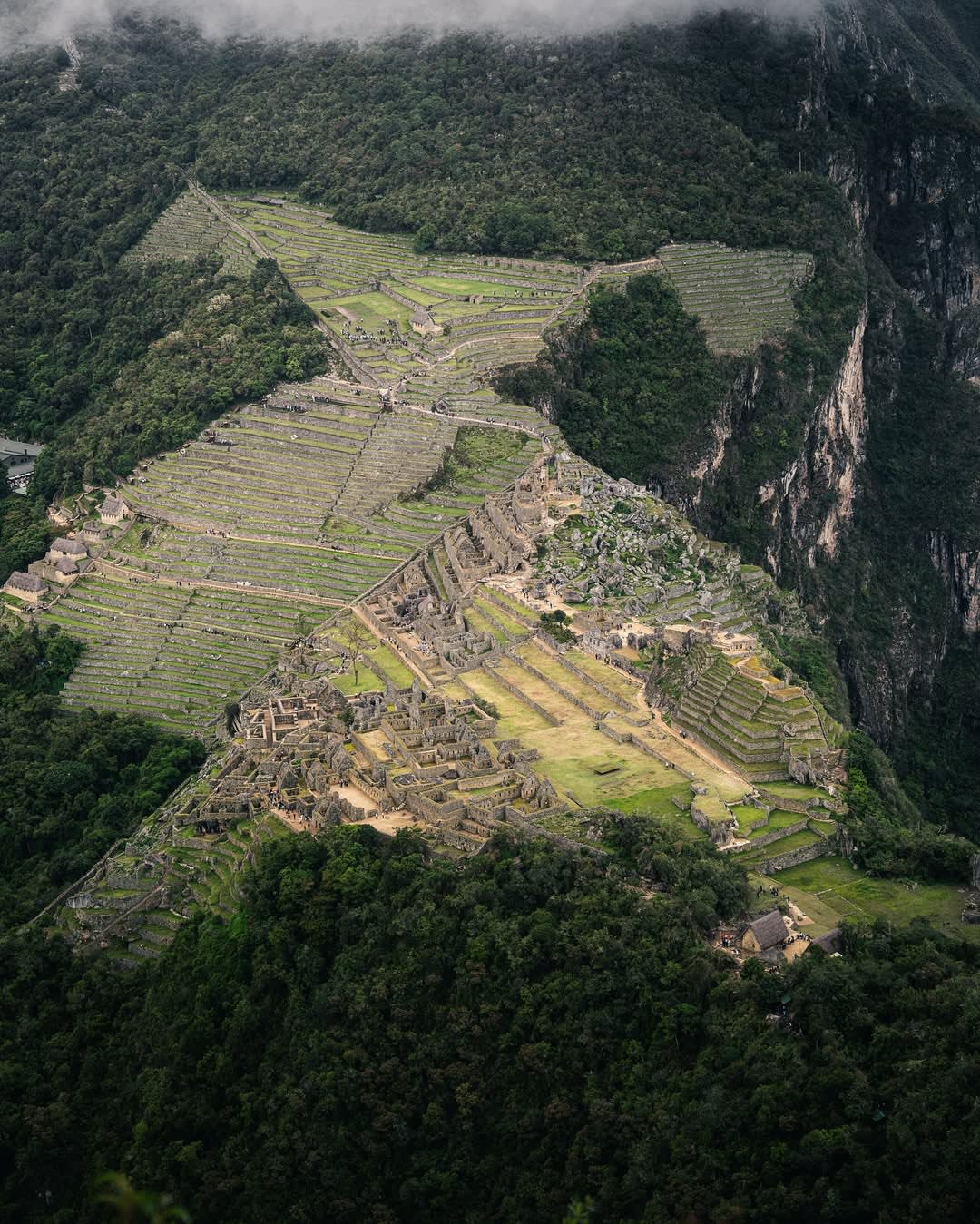
The summit has three points. First, the "Temple of the Moon", at mid-climb in a natural cave with Inca carving. Second, the main summit, with zenithal view of Machu Picchu from above —opposite angle to the postcard, with Urubamba river snaking 600 metres below. Third, the descent on the alternative route, passing the Wayraq Marka terraces, accessible only from the summit.
Capacity: 200 daily in two shifts (7 AM and 10 AM). Mandatorily combined with circuit 4 (industrial). Book three to four months ahead in high season. Recommended minimum age: 12. Not advisable for those with vertigo, fear of heights or cardiac issues.

Machu Picchu Mountain: the opposite peak
Machu Picchu Mountain is the peak opposite the site. Taller (3,082 m), longer climb (90-120 minutes), but technically less demanding: gentler slope, broader path, no cable sections. Exhausting but not terrifying.
The summit view is panoramic rather than zenithal: Machu Picchu seen below to the left, the Urubamba describing a curve, Salkantay and La Verónica snow peaks at the back, the Aobamba gorge to the south. A more open, less framed view than Huayna's.
Capacity: 400 daily in two shifts. Combined with circuit 3. Book two to three months. Recommended minimum age: 10 (the slope is manageable for mountain-experienced children). Not advisable for those with knee problems due to the descent.
Which to choose, by what
If you seek the iconic view —Machu Picchu framed by the peak behind— Huayna wins without question. That image cannot be reproduced from the Mountain or the main site.
If you seek broad panorama —Machu Picchu in its geographic context, with cordillera and valley visible— the Mountain wins. The view is more complete, less enclosed.
If fitness is average— not excellent— the Mountain is safer. Lesser slope, broader path, no cables. For travellers over 60, Mountain over Huayna.
If vertigo or fear of heights: neither. The classic viewpoint from circuit 1 gives a view similar to Huayna's without the cliffs. The option we recommend for those travellers.
The Huayna Picchu photograph —Machu Picchu seen from 600 metres above— is probably Peru's most expensive image, not by cost but by effort. It costs an hour of vertical climb and thirty minutes of descent on narrow Inca steps. Whoever wants it, earns it.
Kada Travel
Practical logistics
Combined tickets are bought at machupicchu.gob.pe. Additional price is USD 25 over the standard USD 65. Includes site entry on the assigned circuit plus peak ascent. Reservation links to passport like any site ticket.
The climb day is demanding. Hotel departure from Aguas Calientes at 5:30 AM, first bus to site at 6 AM, circuit entry at 7 AM, Huayna or Mountain trail entry at 7:30. Climb and descent until 11 AM. Late lunch in Aguas Calientes. Train back to Sacred Valley by late afternoon. Not a day to visit other sites.
What brochures don't show
Huayna Picchu is narrow. The summit has space for 30 people at a time, but only 5 can be at the photo point simultaneously. In high season, the photo wait is 15 to 20 minutes. We always recommend the first shift (7 AM): less wait, better light.
The Mountain has a broad summit (space for 100 people), but the path passes two unprotected rock sections —no cable but the fall would be lethal. For those with vertigo it is problematic despite the gentler slope. A light backpack and trekking poles help.
Written by Kada Travel Editorial
Frequently Asked
Yes but not the same day. Requires two Aguas Calientes nights and two different combined tickets. Advisable only for returning Peru travellers.
No. Huayna has support cables in two sections, but no connection required. The Mountain has no cables. Traction footwear and water are essentials.
Huayna: 3 km total (up and down), 4-5 hours with summit view. Mountain: 4 km, 5-6 hours. Plus the assigned circuit at the main site (another hour).
Subjective. The Mountain is longer; Huayna is more vertical. For runners and triathletes, Huayna is preferable (faster). For traditional hikers, Mountain.
In dry season (May-September), practically nil. In rains (November-March), 30-40% at any afternoon moment. Summits close in mist during rains.
For active couples, yes. The Huayna summit at 8 AM with picnic-style breakfast on the way is one of Peru's most memorable moments. For couples preferring spa, no.
Design Your Journey
Design your bespoke Peru journey
We talk. We listen. Then we design an itinerary that belongs only to you.
Start Planning