Unfolded· 7 min read·7 July 2026
The Pisco Sour at Bar Maury
A private tasting at one of Lima's most storied bars — the cocktail in its five forms, the grape that built it, and the century-long argument it started.
By Kada Travel Editorial
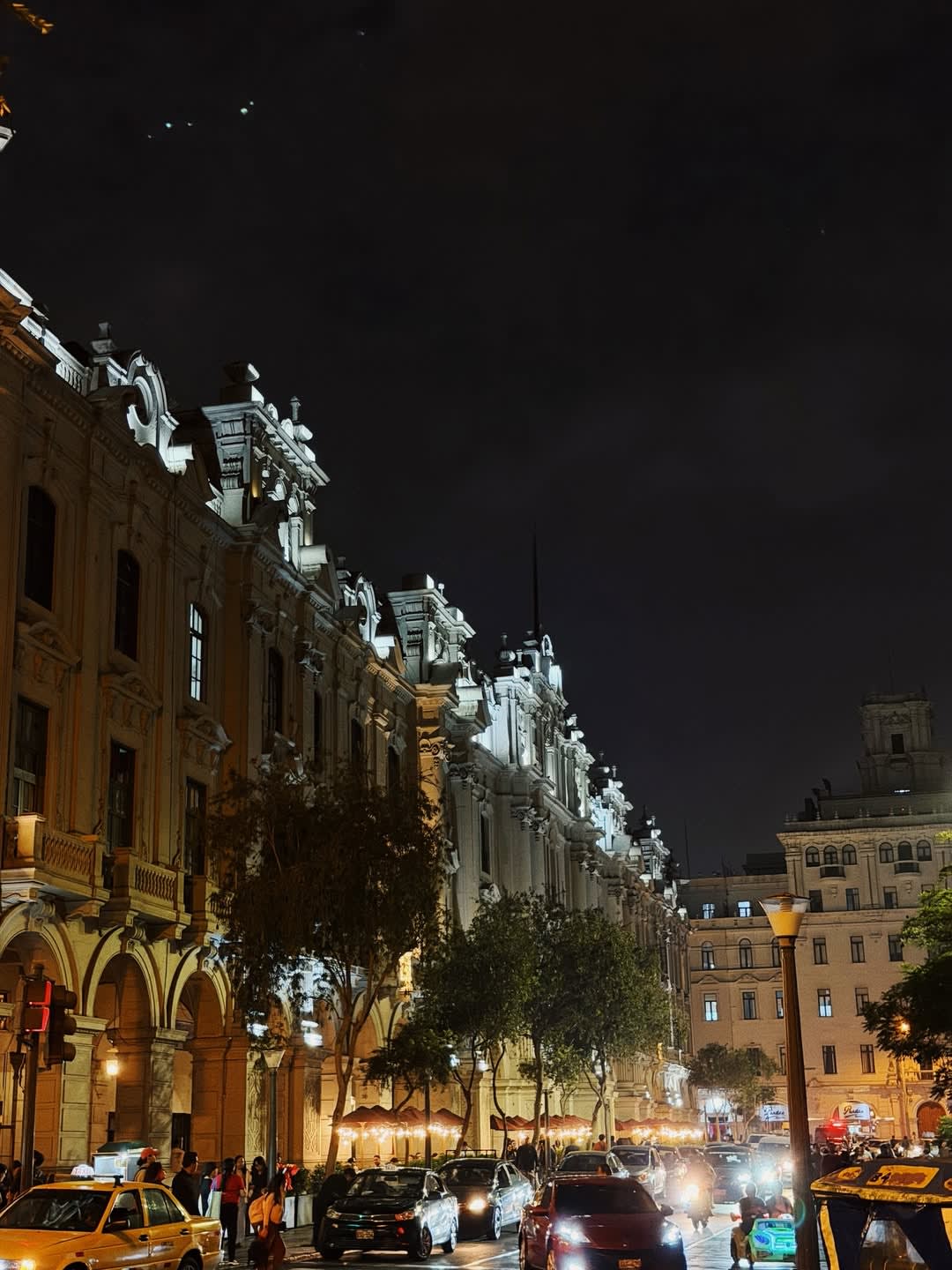
The pisco sour was not imported. It was made in Lima, in 1916, by a North American named Victor Morris who had arrived in the city at the turn of the century, opened a bar on the Jirón de la Unión, and found himself with no Scotch whisky and an abundance of the spirit the Ica Valley had been distilling since the sixteenth century. What he built from it — pisco, lime, simple syrup, egg white, a dash of Angostura bitters over the white foam — entered Bar Maury's repertoire shortly after and did not leave. Bar Maury, on the same historic corridor of Lima Centro, became the institution where the formula was refined, preserved, and eventually fought over by two countries who both claim to have invented the drink.
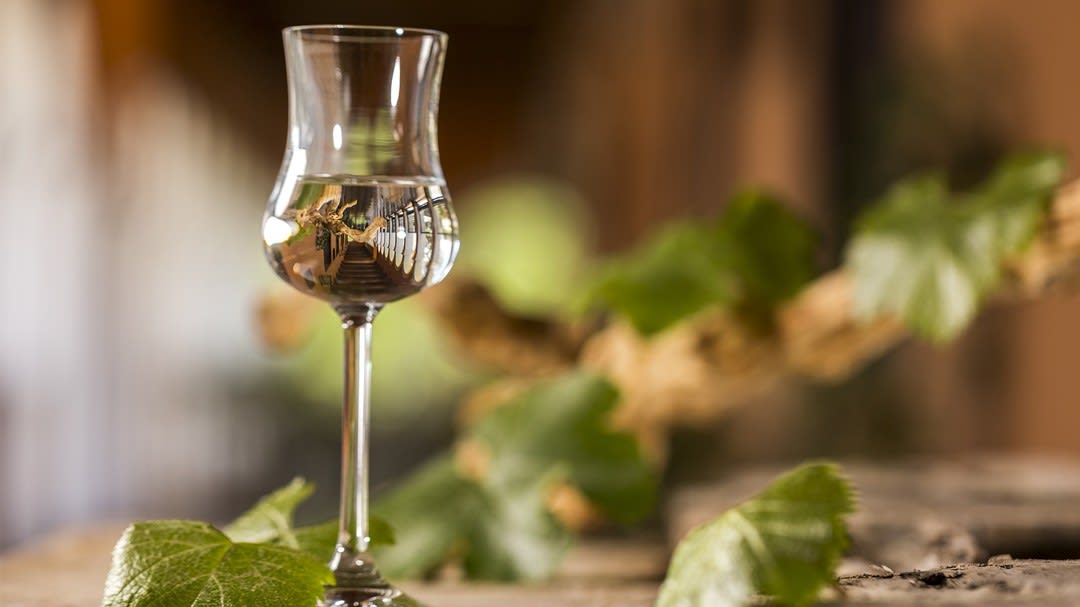
The private tasting we arrange at Bar Maury begins before the cocktail. It begins with the pisco itself — in its five pure forms, in sequence, in the same order the grape's character requires.
The Five Grapes
Peru's Denominación de Origen for pisco specifies eight permitted grape varieties. The five pisco puro styles — made from a single grape variety, without aging or dilution, distilled to final proof and never reduced with water — represent the full spectrum of what the Ica Valley, the Arequipa highlands, and the coastal valleys of Moquegua and Tacna can produce from the same base spirit.
Quebranta is where the tasting begins. Non-aromatic, structured, with a clean intensity that makes it the base grape of Lima's pisco culture — the variety that fills the glasses at cevicherías across Miraflores and that gives the classic pisco sour its backbone. It is not subtle. It is the grape of the working bar, and it tastes precisely like what it is: the distillate of a desert coast that grows its vines in sand, irrigated from Andean rivers, fermented under Pacific sun.
Italia arrives next: aromatic, floral, with a muscat-family character that transforms the spirit into something closer to grappa bianca than to the Quebranta's directness. Where the Quebranta announces itself immediately, the Italia opens slowly, releasing its aromatics in the glass over the first few minutes. Torontel — the third — is herbal and citrus-edged, a grape that arrived in Peru from Andalucía and adapted to the coastal valleys by retaining its aromatics at the expense of its sweetness. Albilla, semi-aromatic and the most delicate of the five, is the variety that produces pisco at its most restrained: present, specific, and easily overpowered by anything else in the room. Moscatel closes the sequence — muscat grape family, honeyed aromatics, the variety that requires the least persuasion to make a guest understand why pisco is not, in any meaningful sense, the same spirit as grappa or brandy.
The five glasses take approximately forty-five minutes to work through properly. By the end, our guests understand something that no pisco cocktail communicates: that the base spirit contains this much range, and that the choice of grape for a pisco sour is a culinary decision rather than a default.
The Argument About Origin
At some point during the tasting — usually around the third glass — the question arrives: do Chile and Peru both make pisco?
Yes. The answer, and what it involves, is the most contested subject in South American drinks. Both countries have been producing a grape distillate under the name pisco for centuries. Peru registered Pisco as a Denominación de Origen in 1991, establishing that the name belongs to a specific geographic region and production method. Chile produces its own version under different regulations — from different grape varieties, with different production standards, and from regions in the Atacama and Coquimbo valleys that Peru does not recognise as pisco-producing territory.
The disagreement has reached the World Trade Organisation, the United Nations, and the diplomatic communications of both governments. It is, for all its absurdity as a dispute between neighbouring countries about a spirit most of the world had not heard of before 2000, a genuinely complex argument about geographic indication law, colonial history, and the commercial value of a name in the international spirits market.
The Peruvian position is that the word pisco derives from the Quechua pisqu — a small bird — and from the port city of Pisco in the Ica region, which was the first major export point for the spirit. The production method Peru requires — no water addition, distillation to final proof, specific permitted grape varieties — produces a spirit that, Peruvians argue, is categorically different from what Chile bottles under the same name. The Chilean position is that their production predates Peru's legal designation and that both countries have a legitimate claim.
The bartender at Bar Maury who explains this has an opinion. It is the same opinion as every bartender in Peru. The tasting is better for knowing the stakes.
What Kada Arranges
The private tasting at Bar Maury runs approximately two hours: the five pisco puro styles in sequence, a guided explanation of the production process and the legal designation, and the preparation of two pisco sours — the first to the historic recipe attributed to Victor Morris, the second adjusted to the guest's preference once they understand what they are adjusting.
We arrange the session on weekday afternoons, before the evening service begins and the bar becomes a social space rather than a teaching one. The bartender who leads the tasting works with us as a permanent collaborator — his knowledge of the five varieties extends to the specific valleys and harvest conditions that produce the bottles in front of us, which is the level of specificity that separates a private tasting from a menu explanation.
For guests whose Lima itinerary includes the markets at Chorrillos and Surquillo, we position the pisco tasting on the same day as a late-afternoon close — the supply-chain conversation that begins at the fishing dock reaches its logical conclusion in the glass.
Expert Insight
"Most guests arrive at the tasting thinking the pisco sour is what we're here to discuss. By the fourth glass of pisco puro, they've forgotten the cocktail entirely. That's the point. The drink is the entry; the grape is the education. When they do finally taste the sour — built correctly, from Quebranta that they've now smelled and held — it tastes like something they've already been introduced to, rather than something they're trying for the first time."
— Daniel Ramos, Co-Founder & CEO, KADA Travel
A Practical Note
Bar Maury is on the Jirón de la Unión, Lima's central pedestrian axis, two minutes from the Plaza Mayor. The bar opens to the street in the Lima tradition of hotel bars that function as neighbourhood institutions — an arrangement that, in the Centro Histórico, produces the particular quality of a room that is simultaneously a historic venue and a working bar. The private tasting occupies a section of the bar reserved for our session; the rest of the room operates normally.
The tasting involves five glasses of pisco puro followed by one or two cocktails. This is not a small amount of spirit over two hours. We recommend arriving with food in the stomach and not scheduling anything that requires precision in the two hours following. We also recommend dressing for the Centro Histórico rather than for Miraflores: the Jirón de la Unión is a pedestrian corridor, not a hotel lobby, and the walk from the bar to the Plaza Mayor is part of the afternoon.
Written by Kada Travel Editorial
Frequently Asked
No. The tasting is structured as an education, not a sommelier examination. Guests who arrive knowing nothing about pisco consistently find the five-style progression more illuminating than guests who arrive with pre-formed opinions, because there is more to discover in the glass. The only preparation that helps is arriving curious about where something comes from.
The private tasting in its standard form is built around the spirit. For guests who do not drink, we arrange an alternative Lima gastronomic session — a private *leche de tigre* and *ají* tasting at a Miraflores kitchen that makes the cold-chain argument about fresh ingredients without the alcohol component.
At Bar Maury, yes. The bartenders who lead our tastings treat the dispute as part of the education rather than as a provocation. They explain it with the specificity of someone who has thought carefully about it and with the particular patience of someone who has answered the question many times. Guests who arrive neutral on the subject leave with a clearer understanding of what a geographic indication actually means — which is the valuable part, regardless of which country's position they find more persuasive.
We arrange this where possible. The five varieties are not always commercially available in the same expressions — some are small-production, some are unavailable outside Peru. We can advise on which bottles to acquire before departure and, for guests with specific interest, arrange a visit to a pisco producer in the Ica Valley as part of a Lima-to-Paracas journey.
Design Your Journey
Design your bespoke Peru journey
We talk. We listen. Then we design an itinerary that belongs only to you.
Start Planning