Culture & Stories· 7 min read·4 January 2025
Archaeological Alternatives to Machu Picchu: Five Jewels with Different Tone
Choquequirao, Kuélap, Caral, Chan Chan and Sipán — when you want to go beyond the postcard.
By Kada Travel Editorial
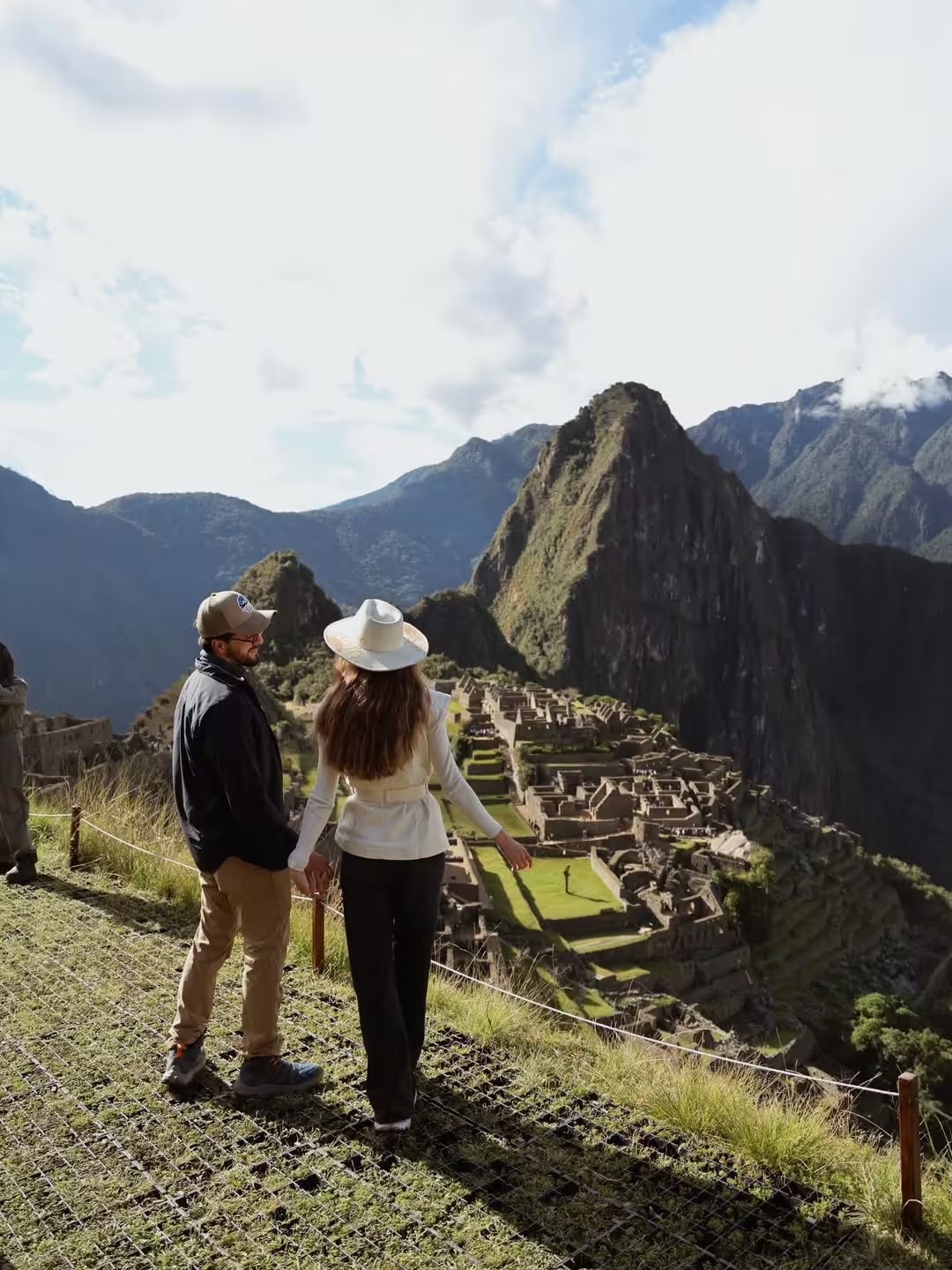
Machu Picchu is exceptional, but it is not Peru's only world-class archaeological site. Peruvian archaeological heritage density is comparable to Italy or Egypt: there are at least five sites as important as Machu Picchu archaeologically, but receiving 5-10% of tourism. This guide describes the five for travellers who have been to Machu Picchu and want to deepen.
Choquequirao — Machu Picchu's "sister"
Choquequirao is 30 km north of Machu Picchu, also built by the Incas, also with monumental architecture. The key difference: 75% of Choquequirao is unexcavated. Vegetation covers most of the site.
Modern discovery (1970s) was late. Today it is a site under research with archaeological teams from National Geographic and National University of San Antonio Abad. Each visit is to a site still being deciphered.
Three highlighted sites within Choquequirao:
Main ceremonial plaza: similar to Machu Picchu's but smaller.
White-llama terraces: terraces decorated with mosaic figures of white stones representing llamas. Unique in the Inca empire.
Lower residential sector: still being excavated. New findings appear yearly.
Access: 2-day walk from Cachora. The walk is demanding (1,500 metre descent and 1,500 metre ascent with Apurímac valley between). Helicopter as return alternative reduces to 1 day with panoramic view. Total cost with guide and premium camp: USD 1,200-2,500 per person.
Kuélap — the "Chachapoyas fortress"
Kuélap is fortress-city of the Chachapoyas culture (6th-15th centuries), pre-Incan, located at 3,000 metres in Amazonas region (northern Peru). Its size (60,000 m²) and monumentality rival Machu Picchu.
Distinctive features of Kuélap:
20-metre perimeter wall: the largest fortification of pre-Hispanic Peru. Made of carved stone without mortar.
More than 400 circular dwellings within the fortress, with conical thatched roofs (some reconstructed as example).
Decorative stone friezes: rhombi and zigzags engraved on dwelling walls. Unique Chachapoyas style.
The Chachapoyas were "warriors of the clouds". Culture distinct from Incas, conquered late (1470). Their population was decimated by smallpox.
Access: flight to Chachapoyas (45 min from Lima), then 1 hour by car to Kuélap. Once there, cable car (installed 2017) ascends the final 1,000 metres. 4-5 hour guided visit. Cost: USD 280-380 per day with guide.
Caral — the oldest civilisation of the Americas
Caral is pyramid-city on Peru's northern coast, 200 km north of Lima. Belongs to Caral-Supe culture, 3,000-1,800 BCE. It is contemporary to Egyptian pyramids, making it the oldest urban civilisation of the Americas and one of the world's five oldest.
The extraordinary:
Six pyramids: main one 18 metres high. Made of flat stones in woven sacks (unique technique for the era).
Sunken circular plaza: 40-metre-diameter religious amphitheatre.
No weapons or war evidence. Caral culture was peaceful for 1,000 years, without military defences or warlike representations. One of few ancient civilisations in this regard.
No writing or ceramics: technologies they had not developed yet built pyramids. Unique case in archaeology.
Caral was declared UNESCO Heritage in 2009.
Access: 4 hours by car from Lima. Half-day guided visit. Generally combined with another Lima day. Cost: USD 180-280 per person with specialised guide.

Chan Chan — the largest mud city of the Americas
Chan Chan, in Trujillo, was capital of the Chimú culture (1200-1470). It was the continent's largest mud city: 28 km² area, 100,000 inhabitants at peak.
Distinctive features of Chan Chan:
Royal citadels: 9 large walled citadels (each Chimú ruler built their own). Most visited is Tschudi Citadel.
Decorative mud friezes: kilometres of walls with low reliefs of fish, sea birds, fishing nets. Maritime aesthetic of the Chimú.
Underground canal system: water from Moche river brought from 50 km away. Notable engineering.
UNESCO Heritage since 1986 (on Endangered List due to climate threats and vandalism).
Access: flight to Trujillo (1h from Lima), then 30 min by car. Half-day guided visit with extension to Huaca de la Luna and Chan Chan in same day. Cost: USD 220-320 per person.
Sipán — the "Peruvian Tutankhamun"
Sipán, in Lambayeque region (northern Peru), is where the Moche royal tomb of "Lord of Sipán" was discovered in 1987: a 1,700-year-old ruler with exceptional funerary trousseau.
The discovery by Walter Alva (Peruvian archaeologist) changed history: it was the first intact Moche royal tomb ever found. Comparable in importance to Tutankhamun in Egypt. Today exhibited at Royal Tombs of Sipán Museum in Lambayeque.
The archaeological site (Huaca Rajada) can be visited, but the experience centre is the museum. The museum is one of Peru's best: modern architecture inspired by Moche pyramids, complete funerary trousseau of Lord of Sipán (gold necklaces, funeral mask, ceremonial garments), and Moche-culture reconstructions with editorial tone.
Access: flight to Chiclayo (1h 15min from Lima), 30 min by car to museum. 3-4 hour guided visit. Cost: USD 180-280 per person with guide.
How to combine these visits in a trip
Three combination recommendations:
For Inca lovers: include Choquequirao in extended Cusco (10-12 total days). Natural complement to Machu Picchu to understand the empire in totality.
For pre-Inca archaeology lovers: 7-8 day northern trip (Lima → Trujillo → Chiclayo → Lambayeque → return) with Chan Chan, Sipán, and Caral. A Peru different from Cusco-Machu Picchu.
For exceptional travellers with three weeks: Lima + Cusco/Machu Picchu (10 days) + Archaeological North (8 days) + Choquequirao or trek (3 days). The "complete archaeological Peru".
Machu Picchu is the postcard. But Peru is unexcavated Choquequirao, Kuélap fortified in clouds, Caral older than the pyramids, Chan Chan with kilometres of friezes, Sipán intact in its royal tomb. Peruvian archaeology is the world's most under-tourist-exploited heritage.
Kada Travel
Why they receive less tourism
Three reasons explain the imbalance:
First, more complex logistics. Choquequirao requires 2-day walk or helicopter (USD 1,200+). Kuélap requires Chachapoyas flight (not group-tour destination). Caral requires 4 hours by car from Lima.
Second, international fame. Machu Picchu is global brand. Other sites are known in archaeological circles but not in mass tourist market.
Third, tourist infrastructure. Machu Picchu has Sanctuary Lodge, El Mapi, Inkaterra. Other sites have functional but not luxury hotels (exception: Hotel del Pilar in Trujillo).
For the bespoke traveller, this absence of mass infrastructure is advantage: more intimate visit, specialised guides with full dedication, real sense of exploration.
Written by Kada Travel Editorial
Frequently Asked
Choquequirao for thematic continuity with Machu Picchu (both Inca) and exclusivity. For more archaeological traveller, Caral for its exceptional antiquity.
Demanding for average traveller: 32 total km with 1,500-metre descent/ascent and altitude between 1,500-3,000 metres. Requires 3+ months prior physical preparation. Return helicopter reduces difficulty.
For pre-Inca archaeology lovers, yes. It is Peru different from Cusco-Machu Picchu, with distinct civilisations (Moche, Chimú, Caral). For travellers preferring nature/Andean culture, extended Sacred Valley is better.
Trujillo: Hotel del Pilar (5*) and Casa Andina Premium. Chiclayo: Casa Andina Premium. Cajamarca: Hotel Costa del Sol. Choquequirao: only premium camps or Cachora hotel. Kuélap: functional but not luxury hotel nearby.
For Choquequirao, yes (geographic compatibility with Cusco). For Caral or Archaeological North, better separate trips (different logistics, opposite regions).
Minimal. These sites generally receive visitors with guide. The regions (Trujillo, Chiclayo, Cajamarca, Amazonas) are safe with standard precautions.
Design Your Journey
Design your bespoke Peru journey
We talk. We listen. Then we design an itinerary that belongs only to you.
Start Planning