Unfolded· 8 min read·10 July 2026
The House That the Stone Remembers
A private visit to one of Arequipa's colonial heritage casonas with a historian of the mestizo baroque — the architecture that exists only here, the art collections that stayed, and the carved sillar facades that took two traditions and produced a third.
By Kada Travel Editorial
Between the sixteenth century and the late eighteenth, the families who built Arequipa — conquistadores and their descendants, the clergy who followed them, the merchants who came after — constructed urban residences on a scale that reflected their wealth and their ambitions. The material was sillar: the white volcanic stone from the Chachani quarries that gave the city its character. The style was baroque: the decorative vocabulary of Counter-Reformation Spain, interpreted by Andean artisans who had their own visual language and who carved it into the stone facades alongside the classical motifs they were hired to produce.
The result is what historians of Peruvian colonial architecture call the estilo mestizo arequipeño — a style that is visually distinct from any other colonial architecture in Peru, and from any colonial architecture elsewhere. It exists in Arequipa and in no other city in the world in this specific form: a baroque structural grammar executed by Andean hands that incorporated serpents, pumas, sun symbols, stylised maize, cactus flowers, and local birds into the pilasters, archways, and facade panels of buildings that were otherwise following European stylistic convention. The Andean artisans were not copying what the Spanish patrons showed them. They were adding to it, in stone, in a vocabulary the patrons may not have entirely understood.
The Casonas
Arequipa's colonial casonas — the grand private houses of the colonial and republican periods — survive in larger number and better condition than in most Peruvian cities. Lima's colonial residential stock was largely destroyed by earthquakes, by urban redevelopment, and by the migration of the wealthy to new districts in the twentieth century. Arequipa's historic centre remained intact: the earthquakes damaged it (major tremors in 1868, 1958, 2001), but the city rebuilt in the same material and the same style each time. The result is a stock of colonial and neoclassical residential architecture that is genuinely continuous with the sixteenth-century city.
Kada curates the visit based on the specific interests of each guest. The two properties most directly relevant to the mestizo baroque tradition are:
Casa del Moral, an eighteenth-century residence now operated as a heritage museum by the Banco Continental. The name comes from the mulberry tree (moral) that has grown in its interior courtyard for centuries. Its principal exterior facade is the most frequently cited example of the mestizo arequipeño style: the carved sillar entrance arch incorporates pumas in profile, serpents wound around the pilasters, stylised cactus and floral forms, and a medallion of the sun — all within a framing system that is structurally Baroque, with classical columns and a broken pediment above the doorway. Interior rooms hold a collection of colonial furniture, maps, and religious art. The courtyard, with the mulberry tree and the proportions of the sillar arcade, is the most serene domestic space in the city.
Mansión del Fundador, a sixteenth-century house approximately fourteen kilometres outside central Arequipa, in the Sachaca/Huasacache district. It is attributed to the period of the city's founding, making it among the oldest surviving private residences in Arequipa. The building has been restored and is now a venue for private events and heritage visits. It lacks the urban bustle of the city-centre casonas and has the quality of a working estate in a volcanic landscape — Misti visible on clear days from the main terrace, vineyards on the property.
The historian Kada works with specialises in the construction history and artistic programs of both properties, with particular depth in the iconographic analysis of the mestizo baroque stone carvings — who carved them, what the Andean motifs mean within the iconographic system they come from, and what it indicates that these motifs appear on buildings commissioned by Spanish Catholic patrons.
The Historian's Frame
The standard approach to the estilo mestizo arequipeño, in guidebooks and most guided tours, treats it as a charming synthesis — Spanish and indigenous, combined. The historian Kada works with has a more specific account.
The Andean artisans who carved the sillar facades of colonial Arequipa were highly skilled stoneworkers in a tradition that predated the Spanish conquest by centuries. The Inca and pre-Inca cultures of the southern Andes had their own architectural vocabulary, their own symbolic system, their own sense of what stone should look like when it was worked by human hands. What happened in colonial Arequipa was not a smooth synthesis but a negotiation, conducted in stone, over decades: patrons who wanted European baroque, craftspeople who brought their own visual system to the commission, and a result that satisfied the patron's formal requirements while preserving the craftspeople's iconographic range.
The pumas on the facade of Casa del Moral are not decorative accidents. The serpents are not filler. The sun motif is not a European sun — it is the Andean inti, depicted with the visual grammar developed in Cusco and disseminated through the southern Andes before the Spanish arrived. These are images with specific meanings in the system that produced them, appearing on a building that was officially a Christian residence in the service of Spanish colonial authority.
The historian walks through the specifics: which motifs are Andean, which are European, which are genuinely hybrid (the combination of a Christian angel with Andean wings, for example), and what the spatial arrangement of the motifs within the facade composition tells us about the visual intelligence of the people who designed and executed the carvings.
The Interior Collections
Colonial casonas in Arequipa hold collections of varying depth. Casa del Moral's collection includes: colonial-era religious paintings from the Cusqueña school (the same workshop tradition as the works in Santa Catalina Convent); colonial maps of Peru and of Arequipa specifically, among them some of the earliest cartographic representations of the Arequipa basin and the Colca valley; colonial furniture in the ebonised and gilt style of the Lima and Cusco workshops; and ceramic pieces of colonial and pre-colonial origin.
The historian contextualises these objects within the domestic life of the families who commissioned them — what having a Cusqueña painting meant for a colonial family in Arequipa (a statement of religious commitment, but also of wealth and cultural aspiration), what the choice of subject within the Cusqueña tradition might indicate about the patron's specific devotions. Colonial collections are frequently misread as purely decorative; the historian's work is to restore the social and religious function of these objects within the system that produced them.
What Kada Arranges
The visit is private — no other groups present. Kada coordinates access with the property's administration in advance. Duration is approximately two hours for a single property, or three hours for a combined visit to Casa del Moral in the city centre and a different property (the combination depends on the guest's specific interests and time available).
For guests whose interest is primarily architectural and iconographic, Casa del Moral is the primary recommendation. For guests whose interest extends to colonial history and the founding period, the Mansión del Fundador provides a longer historical horizon. For guests interested in the religious art specifically, Santa Catalina Convent — visited separately or on the same day — provides the largest and most significant collection in the city.
The historian's time is approximately two hours. Questions that cannot be addressed within the visit can be followed up in writing; the historian is accustomed to this arrangement with serious visitors.
Expert Perspective
"The moment I find most useful when I walk these buildings is when a guest looks closely at the facade carvings and asks whether the pumas are Andean or European. That's the right question. It's the question the buildings themselves are asking, in stone, continuously. The answer is not comfortable — these buildings were built by people who were compelled to be there, doing work that was supervised by people who held power over them, producing images from their own tradition within a form determined by the people who held that power. The mestizo baroque is beautiful. It is also a record of that condition. I think guests who understand both things are seeing the building more completely."
— Katherine Cjuiro, Founder, KADA Travel
A Practical Note
Access hours: The private visit is arranged outside peak visitor hours — typically before 9 AM or after 4 PM — to allow for an uninterrupted experience with the historian. Casa del Moral's regular opening hours begin at 9 AM; Kada coordinates early access with the administration.
Photography: Personal photography is permitted throughout the visit. Flash is not permitted in the painting galleries. Exterior facade photography is unrestricted.
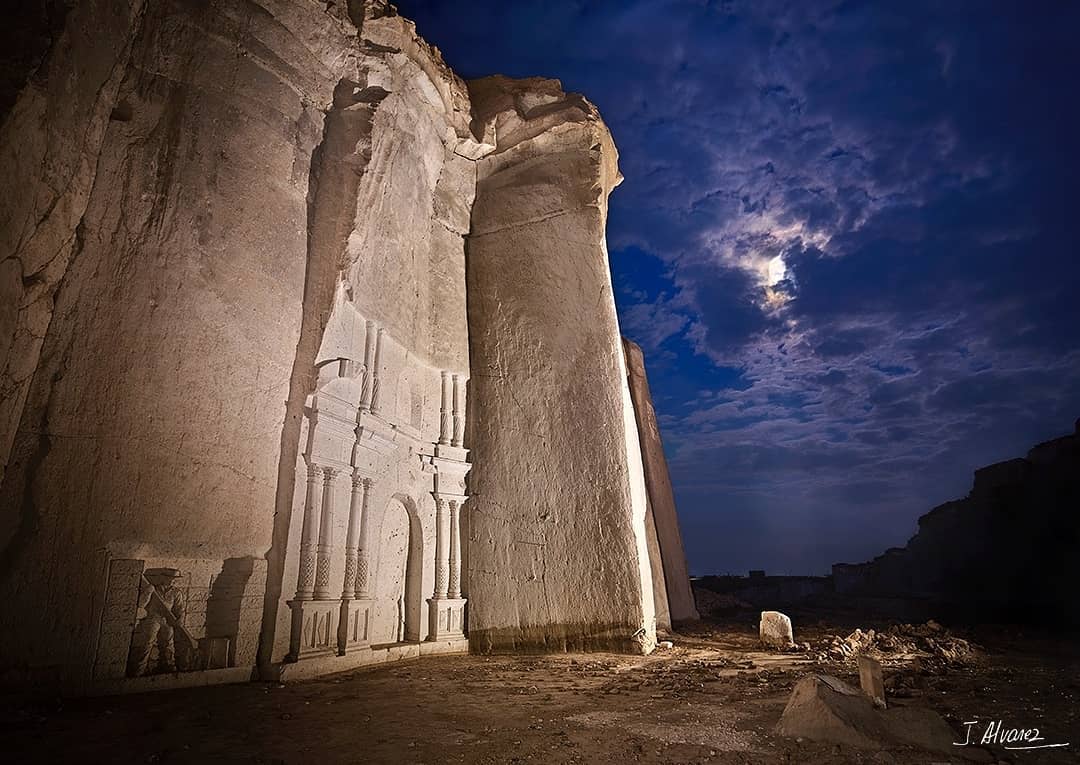
Combined itinerary: The casona visit pairs naturally with the Santa Catalina after-hours experience (same heritage tradition, different scale), with the sillar quarry walk (the material the buildings are made from), or with either of the Colca experiences as part of a longer Arequipa programme.
Getting there: Casa del Moral is in the historic centre, walkable from the Plaza de Armas. The Mansión del Fundador requires transport — approximately 20 minutes from the city centre; Kada provides private vehicle.
Children: The visit is appropriate for children who are interested in history and can sustain a walking visit of approximately two hours. The historian is experienced in adjusting the depth of explanation to the audience.
Written by Kada Travel Editorial
Frequently Asked
The estilo mestizo arequipeño is the colonial architectural style particular to Arequipa, characterised by the incorporation of Andean iconography (pumas, serpents, sun motifs, local flora and fauna) into baroque structural forms executed in sillar. It is most visible in the carved facades of seventeenth and eighteenth-century churches and casonas in the historic centre: Casa del Moral, the facade of La Compañía church, the Portal de San Agustín, and several smaller properties in the streets adjacent to the Plaza de Armas. The style's formal analysis was established by the Peruvian art historian Juan de Dios Salinas Guzmán in the mid-twentieth century; the historian Kada works with has extended and debated this analysis in subsequent scholarship.
The attribution is historical and debated in its specifics. The property's association with the early colonial period is well documented; the extent to which the current structure preserves fabric from the founding period versus later reconstructions is a question the historian addresses directly. Colonial construction in Arequipa was frequently rebuilt after seismic damage; what survives in most cases is the spatial organisation and the sillar material rather than uninterrupted original construction. The Mansión del Fundador is offered as a founding-period property with the appropriate scholarly caveats.
The Cusqueña school was a workshop tradition centred in Cusco that produced religious paintings for export throughout the Viceroyalty of Peru, from the seventeenth through the early nineteenth century. Works appear in Lima, Arequipa, Potosí, and throughout the Andes. The distinguishing features — Andean faces, specific palette, flat decorative backgrounds with gold brocade patterns — are consistent across the production. What varies is the specific iconographic program that different patrons commissioned, which is what the historian's analysis addresses.
Yes, though it requires an early start. The historian recommends a morning visit to Casa del Moral (before the city heats up and before the regular visitors arrive), a midday break for lunch in the city, and an afternoon visit to the Mansión del Fundador. Alternatively, the Mansión can be visited on a separate half-day at any point in an Arequipa programme.
Design Your Journey
Design your bespoke Peru journey
We talk. We listen. Then we design an itinerary that belongs only to you.
Start Planning