Unfolded· 6 min read·5 July 2026
The Canoe Cut From a Single Tree
A private morning with a canoe-builder in a river town along the Loreto waterways, watching a single trunk become the vessel that has moved Amazon river communities for generations.
By Kada Travel Editorial
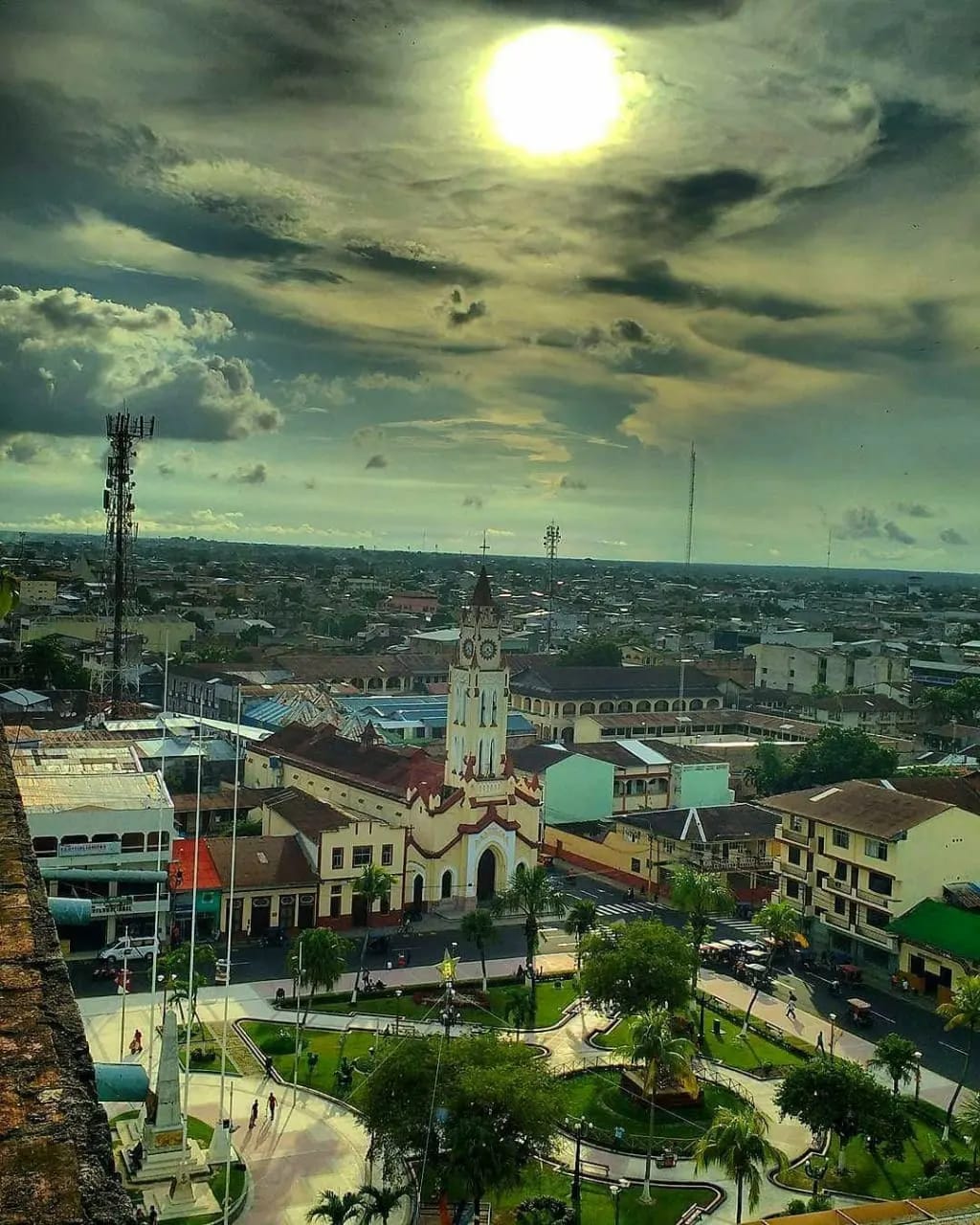
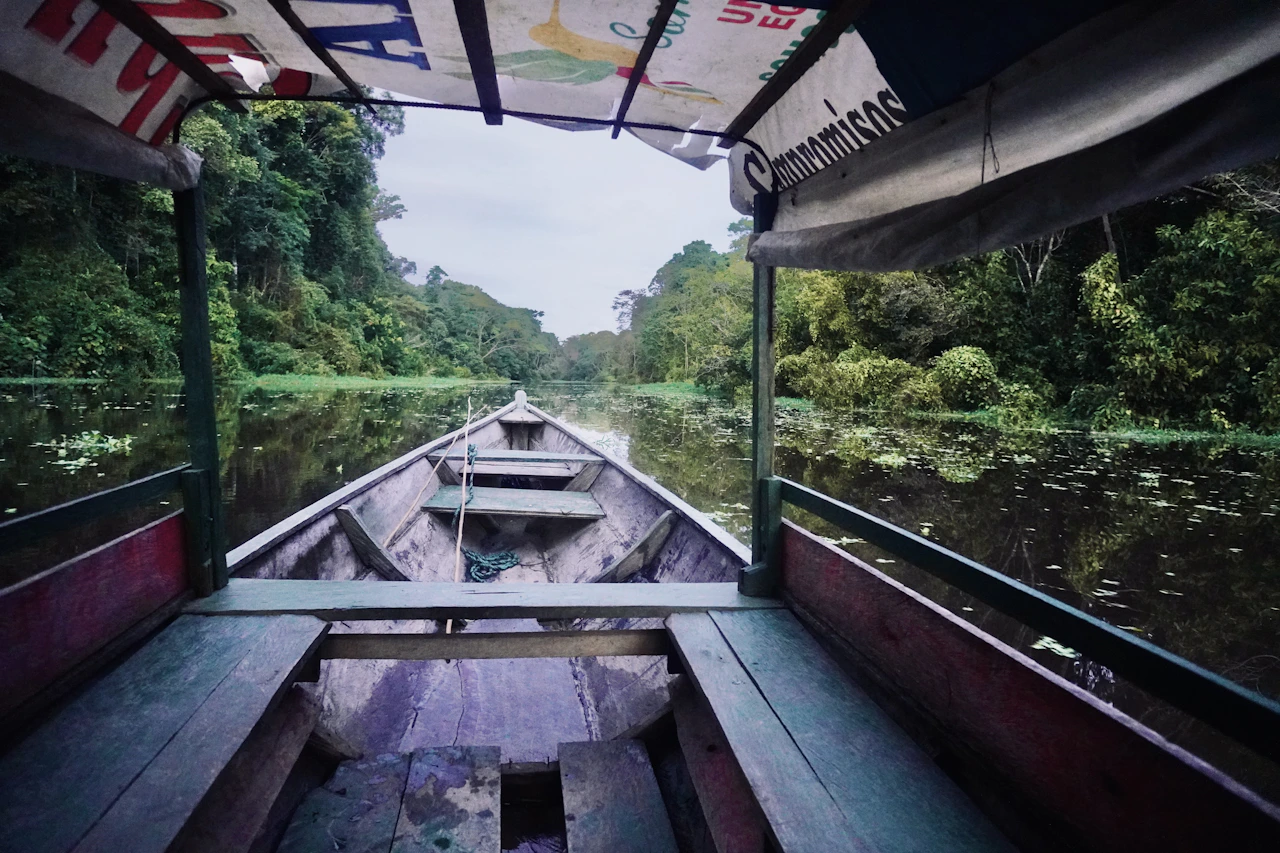
Along the river towns of Loreto, the canoe remains what it has always been for Amazon river communities: not recreation, but the essential vehicle of daily life, connecting isolated settlements strung along waterways with no road access at all. Most of these canoes begin the same way they have for generations — as a single tree trunk, selected, felled, and hollowed by hand into a vessel that will carry a family, their goods, and their livelihood for years.
A Craft Selected by the Forest, Not the Catalogue
Canoe-building begins with selecting the right tree — a species with the right density, straightness, and resistance to water damage, identified by builders whose knowledge of the forest's specific timber properties is considerably more detailed than a general botanical understanding. Once felled, the trunk is shaped and hollowed using a combination of traditional hand tools and, increasingly, some powered assistance, though the fundamental shaping technique — reading the wood's grain, balancing hull thickness against strength and weight — remains a skill passed through direct apprenticeship rather than formal instruction.
A Vessel Still Central to Daily Life
Unlike craft traditions that have shifted toward tourist souvenir production, dugout canoes along these waterways remain genuinely functional, working vessels — the primary transportation for communities without road access, used for fishing, transporting goods to market, and moving between settlements. A canoe-builder's work is, in a very direct sense, infrastructure, not craft in the decorative sense.
What Kada Arranges
We arrange a private morning with a canoe-builder in a river town along the Loreto waterways, walking through the selection, shaping, and finishing process, with the specific stage observed depending on where a canoe currently in progress happens to be. Guests interested in the fuller context can extend this into a conversation about how river transportation and community connectivity function in an area with essentially no road infrastructure.
Expert Insight
"This isn't a demonstration staged for visitors — these builders are making the actual canoes their neighbours will use to get to market next month. We think there's something genuinely grounding about watching a tool this essential get made by hand, the same way it's been made for generations, in a part of the world where the alternative to a canoe isn't a car, it's nothing."
— Gustavo Arenas, Travel Director, KADA Travel
A Practical Note
This experience takes place in a working river town rather than a tourist facility — we brief guests on appropriate conduct and set expectations for a genuine, unstaged working environment rather than a polished demonstration space.
Written by Kada Travel Editorial
Frequently Asked
Depending on the builder and the stage of work, limited hands-on participation is sometimes possible — we confirm this in advance rather than promising it universally.
Days to weeks depending on size and the builder's other obligations — our visit typically observes one stage of an ongoing project rather than a full build compressed into a single morning.
Yes, particularly children curious about tools and craft process.
Full canoes are generally impractical for guests to transport, but some builders produce smaller carved items available for purchase — we can inquire in advance.
Design Your Journey
Design your bespoke Peru journey
We talk. We listen. Then we design an itinerary that belongs only to you.
Start Planning