Unfolded· 7 min read·24 July 2026
The City That Rubber Built and the River Kept
Iquitos — the largest city on Earth unreachable by road, capital of the Peruvian Amazon, and a place that spent thirty years becoming a version of Paris before the tree that funded it was grown elsewhere. A morning with a local historian through the architectural evidence of a boom that ended in 1912 and left everything behind.
By Kada Travel Editorial
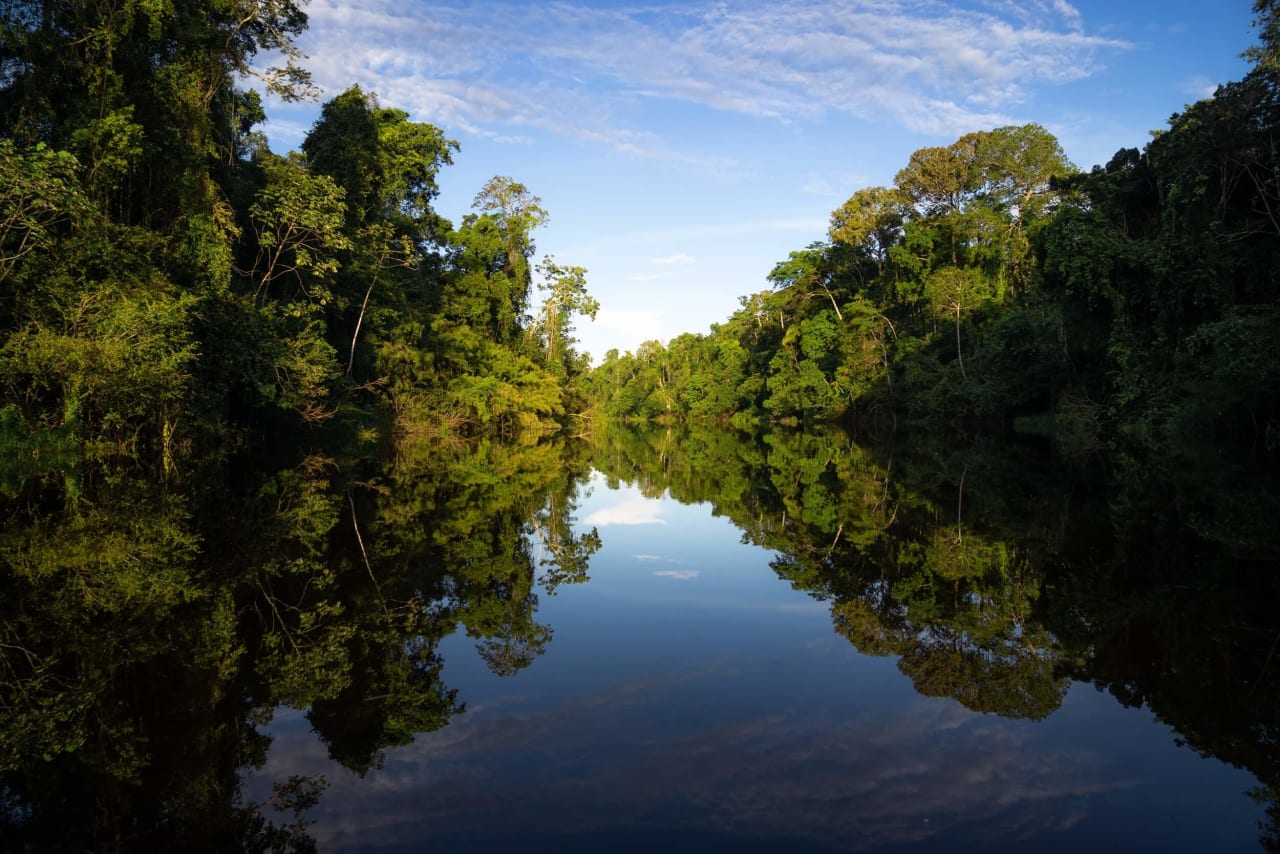
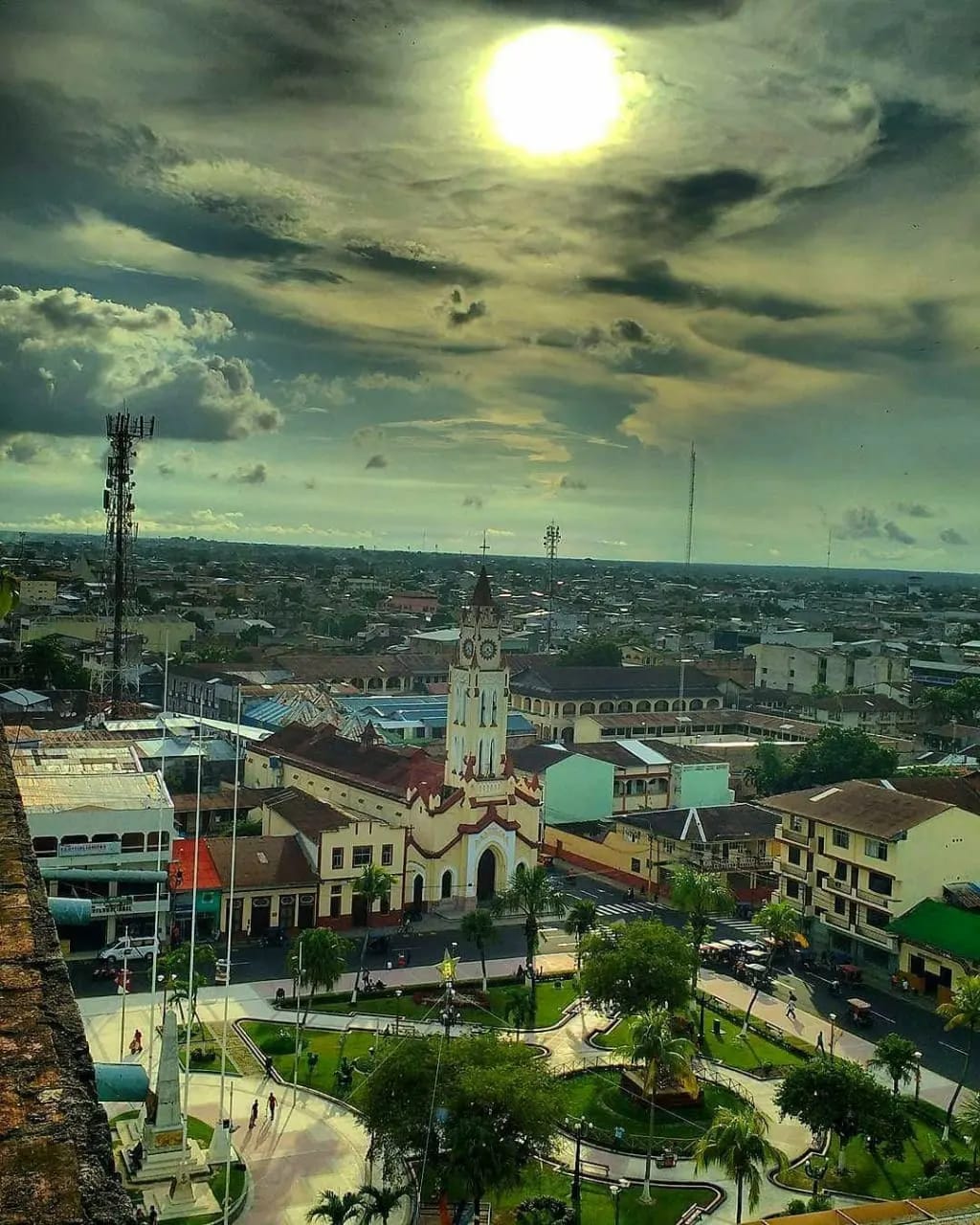
Iquitos has a population of approximately 400,000 people and no road connecting it to the rest of Peru. The capital of the Loreto department, the largest city in the Peruvian Amazon, and the most populous landlocked city in the world accessible only by air or river — Iquitos is a place that the Amazon made and then kept for itself. In the nineteenth century, the rubber barons who accumulated fortunes here sent their shirts to be laundered in London and built mansions tiled with ceramics from Portugal. They paid those sums because they could, briefly, and because the river made the alternative — a road to Lima — logistically impossible. Today the shirts go to the laundry on the corner and the mansions are still there, their Portuguese azulejos faded by a hundred years of equatorial sun, their iron balconies rusting in the wet season humidity that the river never stops generating.
The rubber boom that funded the mansions lasted approximately thirty years, from the 1880s to 1912. The Amazon basin held the world's most productive rubber trees — Hevea brasiliensis — in wild-growing populations accessible by river, and the industrial demand of the nineteenth century's bicycle and then automobile industries meant that the latex those trees produced was worth enough to justify the cost of extracting it from the remote interior of a continent. The fortunes that accumulated in Iquitos, in Manaus, and in Belém were real and, for their moment, staggering. The architecture that expressed those fortunes was not subtle.
Carlos Fermín Fitzcarrald — born in Huacho in 1862, dead in the Urubamba rapids in 1897 at thirty-five — is the most dramatic figure of the Iquitos rubber period, the man whose attempted physical feat of dragging a steamship over an Andean isthmus connecting two river basins inspired Werner Herzog's film and still inspires the local mythology of what ambition looks like when the Amazon is the medium it operates through. Fitzcarrald did not build the most opulent mansion in Iquitos — he died before he could. But he is the character through whom the period's logic becomes legible: the combination of engineering ambition, extractive violence, and genuine geographical innovation that produced the rubber boom's most extreme expressions.
The architecture the boom produced is still there. Most visitors read it as heritage — impressive facades, an Iron House that probably came from a Paris workshop, azulejo tiles from Portugal on walls that face a river that has never connected to Portugal by any road. What the historian Kada works with adds to that reading is the other half of the story: whose labour extracted the latex that paid for the tiles, what the ribereño communities experienced during those thirty years, and why the beauty of the Malecón and the violence of the rubber economy are not separate histories but the same one told from different positions on the river.
What the Boom Left Behind
The Malecón Tarapacá — the waterfront promenade along the Amazon River in the centre of Iquitos — is the most concentrated site of rubber-era architecture in the city. The mansions that line it were built by rubber patrones (barons) who imported their construction materials, their decorative schemes, and their aesthetic references from Europe, because Europe was where the money was going and where the cultural aspiration was aimed. The Portuguese azulejos — the hand-painted ceramic tiles that cover the exterior walls of the most significant mansions — were ordered from Porto and Lisbon, shipped across the Atlantic, up the Amazon, and applied to walls in the Peruvian jungle, where they have remained for more than a hundred years in a climate that destroys most surfaces in far less time.
The azulejos survive because ceramic is one of the few materials the Amazon climate cannot decompose. The iron balconies, the wooden floors, the textile furnishings of the interior rooms — all of these have deteriorated, been replaced, been lost. The tiles remain as the external skin of a decorative programme that was intended to communicate membership in a European-facing cosmopolitan world, applied to walls that looked out over a river that connected to no European city by any road that existed or has existed since.
The Casa de Hierro — the Iron House — is the most frequently cited building of the Iquitos rubber era. It is a structure assembled from prefabricated iron panels, attributed to the workshop of Gustave Eiffel (the attribution is disputed; the building predates the Eiffel Tower by two years and the panels bear certain structural characteristics of Eiffel's ironwork methodology), completed in 1887. The interior is a single room of iron walls and iron floors; the exterior is painted and slightly greenish from the oxidation that the river climate produces. It sits on the corner of the Malecón Tarapacá and the Plaza de Armas, where it has been for a hundred and thirty years, serving different functions across different decades — warehouse, commercial premises, current tourism and cultural space. The building's persistence is the persistence of iron in a climate that dissolves everything else.
The Collapse
The rubber boom ended because the Amazon did not hold a monopoly on the trees it was built on. Henry Wickham, a British botanist and adventurer, collected Hevea brasiliensis seeds from the lower Amazon in 1876 and transported them to Kew Gardens in London, where they were germinated. The seedlings were shipped to Ceylon and Malaya, where plantation rubber — cultivated in organised rows rather than extracted from wild trees scattered across jungle — came into commercial production in the early twentieth century. By 1912, Malaysian plantation rubber was undercutting Amazon wild rubber on every market. The boom collapsed within a decade.
What the collapse left in Iquitos was the built environment of the boom — the mansions, the iron building, the waterfront infrastructure, the street grid of a city that had been growing toward a European urban model and then simply stopped — plus the river. The river did not stop. Iquitos continued to exist as the capital of its river basin, the distribution point for commerce across the Loreto region, and the departure point for access to the Pacaya-Samiria reserve, because the river made it geographically necessary regardless of what happened to the price of rubber.
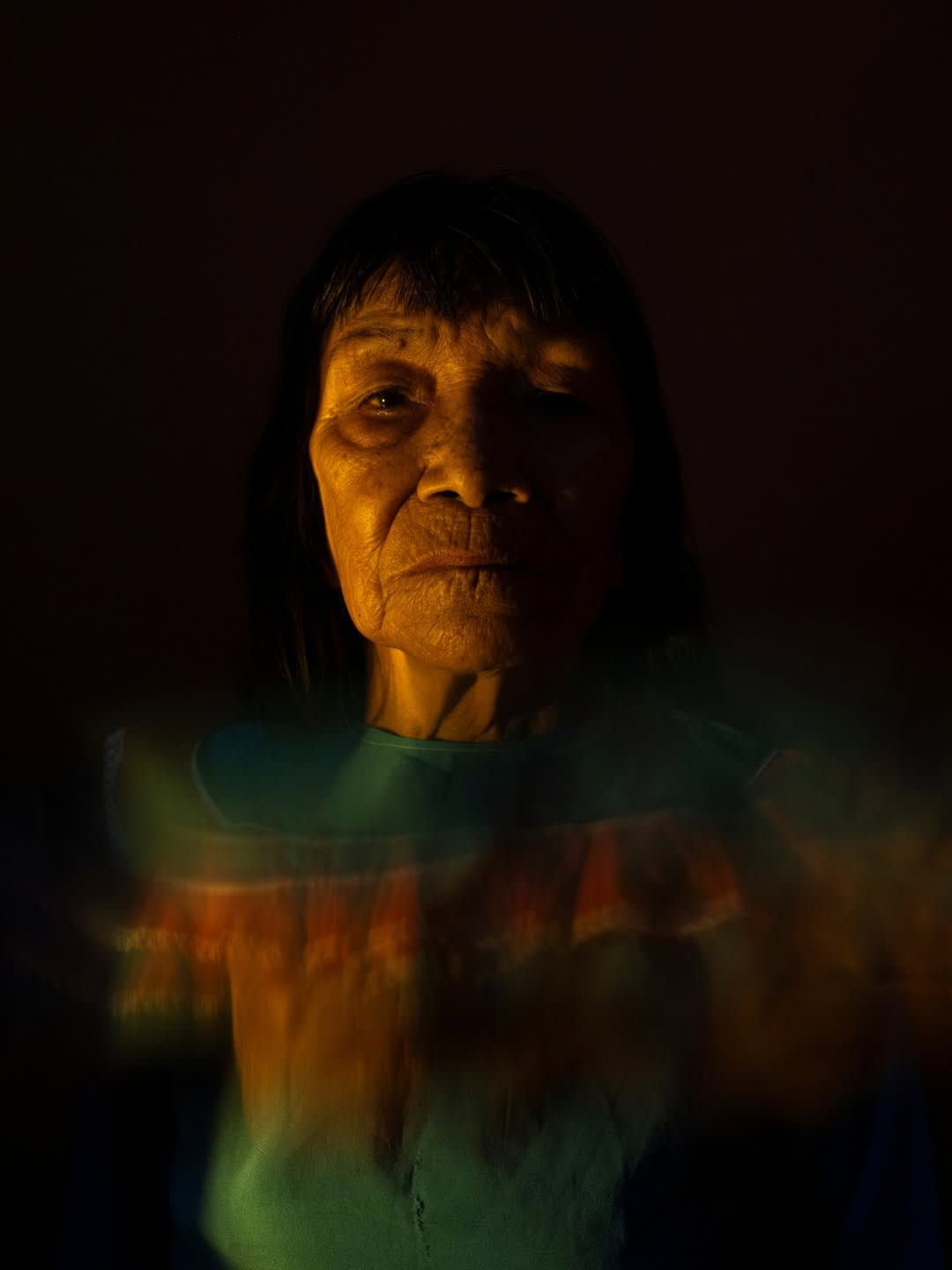
The historian Kada works with in Iquitos frames the boom-bust arc with a specificity that the standard historical summary misses. He is from Iquitos; his family arrived in the region during the rubber period. He traces the period not through the patrones who built the mansions but through the ribereño communities — the river communities, mixed indigenous and settler — whose labour extracted the latex and whose descendants live in the city today. The boom is not heroic from that position, and the historian does not present it as such. It is the story of a raw material that the world wanted, extracted through coerced labour from a region that had no political power to resist the extraction, in a pattern that the Amazonian ecology has experienced in different forms ever since. The azulejos are beautiful. Their beauty is the beauty of what money buys when it does not have to account for how it was made.
What Kada Arranges
The historian Kada works with in Iquitos was born here; his family's connection to the region dates to the rubber period, which gives him an orientation toward the boom that the standard architectural tour does not carry. He traces the period not through the patrones who commissioned the azulejos but through the ribereño communities — the mixed indigenous and settler river communities whose coerced labour extracted the latex and whose descendants make up the majority of the city today. His knowledge of the Malecón buildings includes their commission history and construction materials; it also includes the social and labour history that made the commission possible. The morning he leads is not a heritage walk with a guidebook; it is an argument about what the architecture means from both ends of the economic relationship that produced it.
Morning programme, departing from Hotel Casa Morey or the DoubleTree Iquitos (both positioned in the historic centre). Three hours on foot with the historian — the Malecón Tarapacá, the Casa de Hierro, three or four of the most significant azulejo facades with the historian's commentary on their specific provenance and commission history, and the Plaza de Armas area where the civic architecture of the rubber period sits alongside the church that predates the boom by two centuries.
The programme ends at a riverside restaurant where the historian joins the guest for lunch — a continuation of the conversation in a different register, less formal, where the questions that the morning generated can be explored further. The lunch menu is curated by Kada for Iquitos-specific river cuisine: paiche (the giant arapaima, now farmed sustainably after near-extinction from the twentieth century's unrestricted fishing), camu camu juice, and dishes from the ribereño cooking tradition that the restaurant preserves.
The historian's fluency in the social and labour history of the rubber period — not just the dates and the buildings but the community-level experience of the boom and its aftermath — is the specific quality that makes this a different morning than a self-guided walk with a guidebook.
Expert Perspective
"The Casa de Hierro is always the first question — everyone wants to know if Eiffel really designed it. The honest answer is: probably workshop-associated, not definitively Eiffel himself, and the attribution matters less than the fact that someone in Iquitos in 1887 ordered a prefabricated iron building from Europe and had it shipped up the Amazon to put on the corner of their main square. That is what the rubber boom made possible: a sufficiently distorted economy that this was a rational decision. What I find guests understand in the morning on the Malecón — once they've stood in front of the azulejos and had time to look at them — is that the beauty is real and the violence is real and they are the same story. The tiles came from Portugal. The money that bought them came from the forest. Both of those facts are true."
— Katherine Cjuiro, Founder, KADA Travel
A Practical Note
Heat: Iquitos is consistently hot and humid year-round — daily temperatures between 28°C and 35°C, with humidity above 85%. The historic district walk is an outdoor programme. Morning hours (8:00 AM to 11:00 AM) are the least hot part of the day; the programme is timed accordingly. Light, breathable clothing and sun protection are essential.
Rain: The rainy season in Iquitos (November through March) brings afternoon downpours that are typically brief but heavy. The morning programme is generally completed before the afternoon rain pattern begins. The historic facades and the Malecón are accessible in light rain; the historian carries an umbrella and the programme adapts to conditions.
Accessibility: The Malecón and the Plaza de Armas area are on flat ground and are accessible to guests with mobility limitations. The entire walk is on paved or maintained surfaces. No physical exertion beyond a moderate two-kilometre walk is required.
Combining with Pacaya-Samiria: Kada structures the Iquitos historic programme before embarkation, not after. Two nights in Iquitos — the city programme first, then the cruise — preserves the ecological transition from urban to reserve. The historian's morning contextualises what the river and the reserve mean in the broader history of the region; guests who understand the rubber boom's extractive logic read the Pacaya-Samiria reserve's protection status with more precision than those who arrive at the reserve without that context.
Written by Kada Travel Editorial
Frequently Asked
Iquitos sits in the lowland Amazon basin, surrounded by rivers and seasonally flooded forest. The terrain between Iquitos and the nearest point of the Andean road network — the city of Tarapoto, approximately 600 kilometres to the west — is crossed by multiple major rivers and seasonal flood zones that have made road construction continuously impractical given the maintenance cost relative to the river alternative. Proposals for a road to Iquitos have existed for decades and have not advanced beyond planning stages. The river is the city's infrastructure; flights handle the rest.
Carlos Fermín Fitzcarrald is most famous for the Fitzcarrald Isthmus — the narrow land crossing between the Ucayali and Urubamba river basins that he identified and used to physically drag a dismantled steamship from one river system to the other, opening the interior of the southern Amazon to rubber extraction. The feat is real; it happened in 1894. Fitzcarrald died three years later when his boat capsized in the Urubamba rapids. His story represents the extreme expression of the rubber period's logic: any geographical obstacle could be overcome if the economic incentive was sufficient.
Several of the most significant azulejo facades are on the Malecón Tarapacá and are visible from the street. Some of the buildings are privately owned and not open to interior visits; others have become commercial premises or cultural spaces with variable access. The historian's morning programme focuses on the exterior facades and the urban fabric of the district rather than interior access, which is unreliable. Hotel Casa Morey — a rubber-era mansion converted to a hotel — provides interior experience of the period's architecture to guests who stay there.
After the collapse of rubber prices in 1912, Iquitos continued as the regional capital of the Loreto department. The city's economic base shifted to timber, petroleum (the Loreto region has significant oil deposits), fishing, and increasingly to tourism as Pacaya-Samiria and the broader Amazonian ecotourism sector developed from the 1980s onward. The population grew throughout the twentieth century as the regional centre of a large department with few other urban nodes. The city that the rubber boom built has outlasted the rubber boom by more than a hundred years.
Design Your Journey
Design your bespoke Peru journey
We talk. We listen. Then we design an itinerary that belongs only to you.
Start Planning