Unfolded· 8 min read·23 July 2026
The Men Who Knit
A full day on Taquile with a master weaver — the island where the men have always knitted, where the colour of a hat encodes marital status and the patterns on a belt record the agricultural calendar, and where UNESCO recognised in 2005 what the community had always known: the textile is not craft, it is a language.
By Kada Travel Editorial
On Taquile, the men knit.
This is the fact that most visitors register first and many file as curious without investigating further. In most of the world, knitting is associated with women; on Taquile, it is men's work, and has been for centuries. Boys learn to knit around age eight. Young men knit walking between fields. Married men knit during community meetings. The needles are narrow and the tension is tight — the chullo, the traditional Andean knitted hat, produced by Taquile men has a stitch count that textile analysts have documented at eighty to one hundred stitches per ten centimetres. This is finer than most machine-produced knitwear.
UNESCO recognised the Taquile textile tradition in 2005 as Intangible Cultural Heritage of Humanity. The designation language describes "a communal textile art," but that phrase undersells what it was actually recognising: a complete social information system encoded in fibre and colour, administered by an island community of approximately 2,200 people, in continuous operation for at least four centuries.
The Island
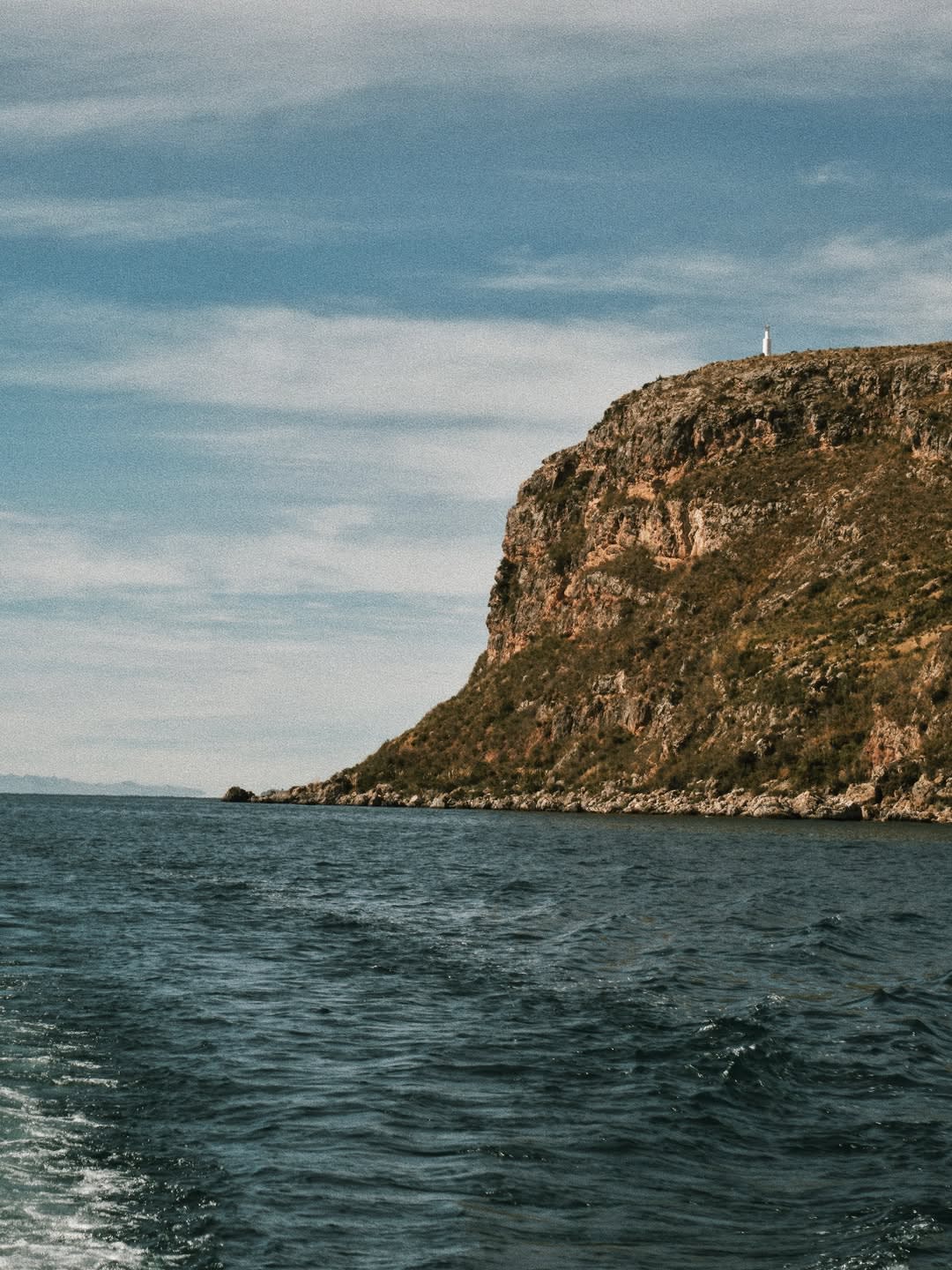
Taquile is 5.5 kilometres long and rises to approximately 4,050 metres at its highest point — above the lake surface itself, which sits at 3,812 metres. The terraced slopes rise steeply from the water, and reaching the central plaza from the main dock requires climbing several hundred stone steps. There are no roads, no vehicles, and no hotels in the conventional sense. The community controls all accommodation — homestays in family houses — and all restaurants, which serve food grown and prepared on the island.
The island is Quechua-speaking. The Taquile community has maintained its cultural distinctiveness from the mainland communities on the Puno shore for centuries. The pre-Inca name of the island is unknown; the Spanish-era name refers to a colonial landowner who briefly held the island before the community purchased it back in 1937. The community has governed itself since.
What the island sells to visitors is what it produces: textiles, cooked food, and the experience of a community that has organised its social life around the lake. Tour boats arrive from Puno carrying groups of fifteen to forty, disembark at the main dock, climb to the plaza, spend forty to sixty minutes at stalls selling textiles, eat a set lunch at one of the community restaurants, and reboard. This is the Taquile that most visitors know.
A full day with a master weaver is another thing.
The Textile as Record
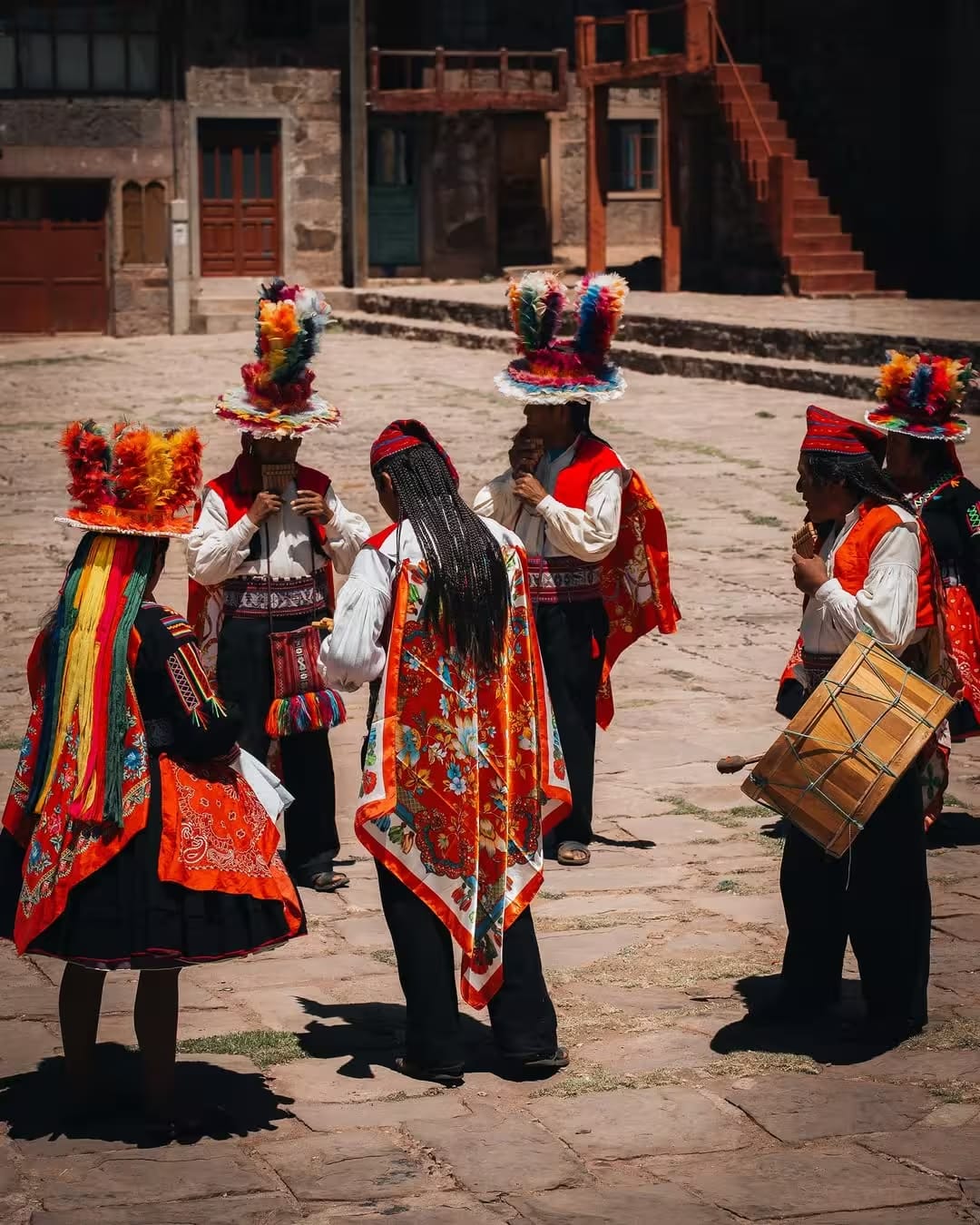
The chullo — the knitted cap with earflaps that is the most visible element of Taquile men's dress — is a social document as much as a garment. The colour combination indicates marital status: unmarried men wear chullos that are red and white; married men wear chullos that are entirely red. The presence of a particular chullo on a man's head is information, legible to anyone on the island who knows the code. The master weaver who works with Kada guests spends time making this explicit — not as ethnographic curiosity but as the operating logic of a system that the island still uses.
The faja — the woven belt worn by both men and women — is more complex. The patterns on the faja are specific to the season, the occasion, and the wearer's position in the community hierarchy. The agricultural calendar — planting, growing, harvest, rest — is encoded in the geometric motifs that run across the belt. The faja of a community authority figure incorporates different elements than the faja of an ordinary adult. Learning to read the faja is, in the community's understanding, learning to read the island.
The lliklla — the rectangular cloth worn by women over the shoulders — adds another layer. The lliklla's colour and pattern indicate the woman's origin within the island and her ceremonial status. A lliklla produced for sale to a visitor is not the same as a lliklla worn as daily dress; the community distinguishes between the two, and the master weaver makes the distinction clear.
The Master Weaver
The master weaver who accompanies Kada visits to Taquile is a community elder whose work has entered textile collections outside Peru. He has been weaving since childhood and has taught the craft to multiple generations of island men. He does not perform a demonstration. He works at his own pace, on his own current project — a faja in progress or a chullo, depending on the season — and explains as he works.
What this looks like in practice: the guest sits beside the weaver, not across from him. The weaver narrates what he is doing — which motif he is working toward, why he chose this particular colour sequence, how the tension of the thread affects the final density of the cloth. The explanation is in Quechua and Spanish, translated by the accompanying guide. The pace is the pace of the weaving, not the pace of a tour.
Guests who want to attempt weaving can. The master weaver is patient with beginners and unsentimental about the results — he will tell a guest if their tension is wrong, and he will undo incorrect rows without ceremony. This is not the edited experience of a craft class. It is the unmediated transmission of a technique to someone who has not grown up with it, which means both the patience and the precision of the teaching are visible.
The Afternoon and the Lake
Lunch is prepared by a family at the community dining house — trout from the lake, quinua soup, potatoes from the island's terraced fields, herbal tea. The menu does not vary significantly because the ingredients do not vary significantly: the island produces what it can grow and catch, and the community restaurants serve that. The plainness of this is itself information about how Taquile has organised its relationship to the lake.
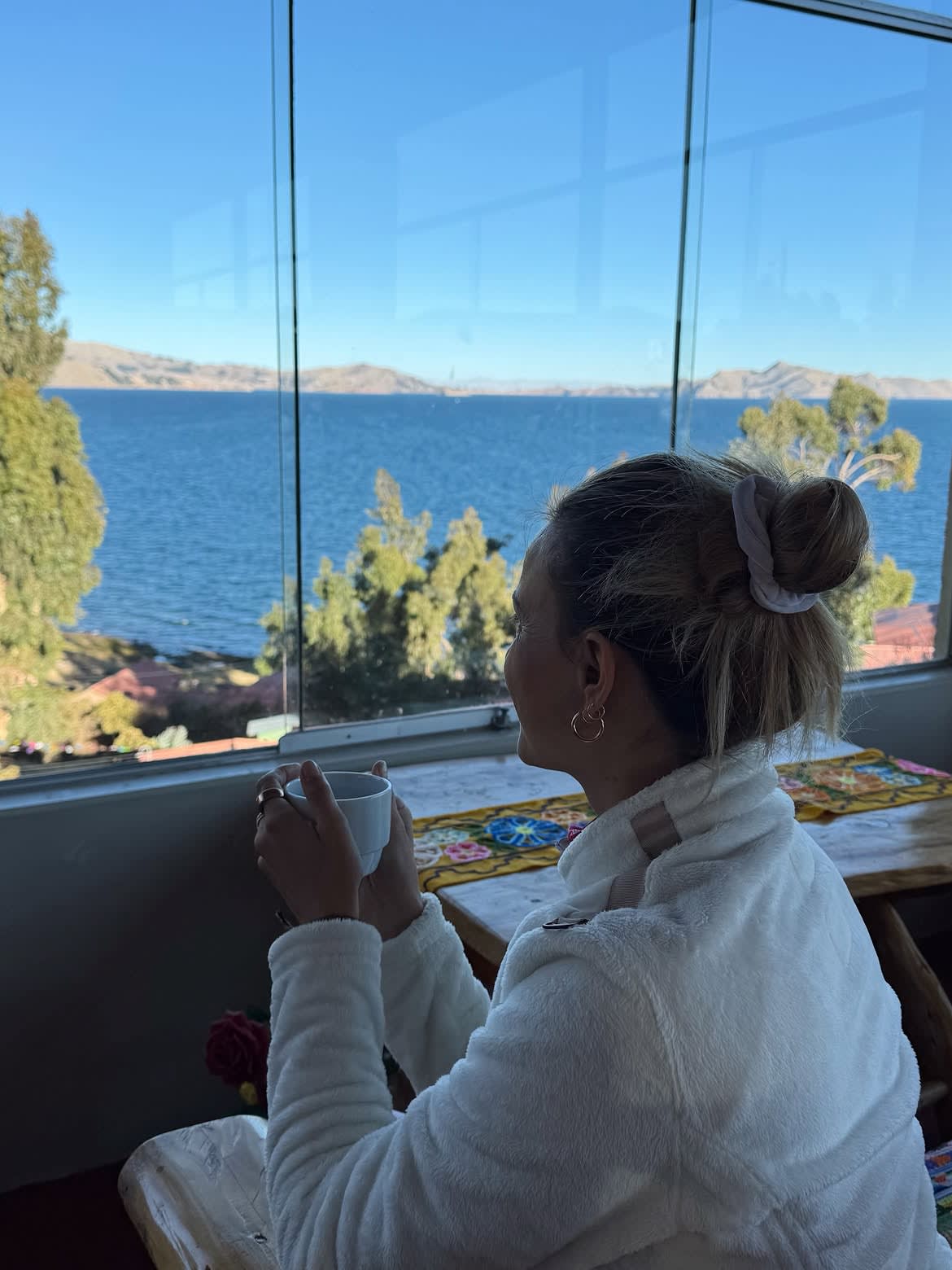
The afternoon, after lunch, belongs to the guest. The master weaver may continue working and talking. The island can be walked — the highest point offers a view of the Titicaca surface unobstructed in all directions, the Bolivian shore visible on clear days to the east, the Puno mainland to the west, other islands to the south. The stone paths between the terraces are old; the terraces themselves are still cultivated.
The return boat departs in the mid to late afternoon, arriving back in Puno before dark. The full day — boat transit, morning with the weaver, lunch, afternoon — is approximately eight hours.
What Kada Arranges
Taquile is reached by boat from Puno. Kada uses a private fast boat rather than the slow community ferries that serve the tour groups — the crossing takes approximately ninety minutes each way. The master weaver arrangement is a longstanding relationship, not a booking made for each visit; the weaver knows what the visit is and how it works.
The community receives payment directly — the cost of the lunch, the weaver's time, and a community fee that contributes to the island's cultural maintenance. There is no intermediary operator between Kada and the community for this visit.
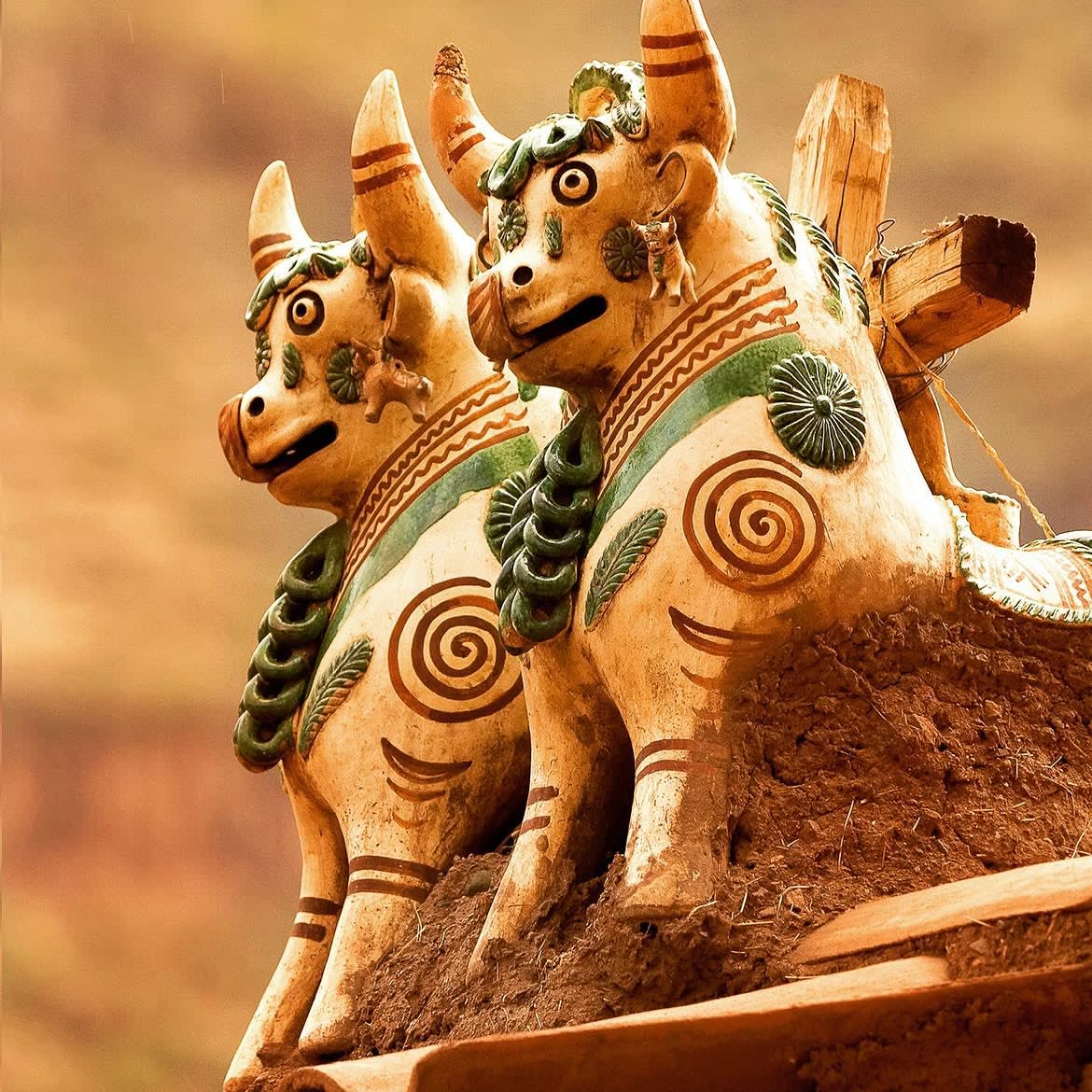
For guests whose interest extends to Andean ceramics alongside textiles, Taquile pairs naturally with the Pucará pottery visit (Article 5) — two complementary explorations of Andean craft as cultural record, approached from different materials and different histories.
Expert Perspective
"The question I hear most often from guests on Taquile is why the men knit and not the women. The honest answer is that we don't know the full history — the practice predates the written records we have, and the island's own oral tradition about its origins is not a single consistent narrative. What I do know is what the men on the island say when you ask them directly: that knitting is skilled work, that it requires attention and knowledge, and that the quality of a man's chullo reflects his intelligence and care. On Taquile, knitting is not the easy thing — it is the thing that requires the most precision. That reversal of what most visitors expect says something true about Taquile that the UNESCO designation, for all its importance, doesn't quite capture."
— Katherine Cjuiro, Founder, KADA Travel
A Practical Note
The climb: The main dock at Taquile requires climbing several hundred stone steps to reach the central plaza. At 3,812 metres lake level — rising to 4,050m at the island's high point — physical exertion requires more oxygen than at sea level. Guests who are not acclimatised should plan this visit for the second or third day of their Titicaca programme. Pace is everything; the climb is manageable at altitude if done slowly.
Textiles for purchase: The island's central plaza has stalls selling community-produced textiles. These are genuine — produced by island community members using traditional techniques. Prices are set by the community cooperative and are not negotiable. A handmade Taquile chullo takes eight to twelve hours to produce; the asking price reflects this. Guests who want to commission work — a specific colour combination, a specific size — should discuss this with the master weaver during the visit; the community fulfils commissions and can arrange international shipping.
Season: Taquile is accessible year-round. The rainy season (December to March) produces rough lake conditions on the ninety-minute crossing; the boat is enclosed and the journey is manageable, but guests prone to motion sickness should take precautions. The dry season (May to October) produces clearer skies and calmer water.
Photography: Photography of community members requires individual permission, facilitated by the guide. In the context of the weaver visit — where the guest sits beside the weaver for several hours — the relationship established makes photography a natural conversation rather than a transaction. The weaver will indicate what he is comfortable with.
Written by Kada Travel Editorial
Frequently Asked
The gendered textile division on Taquile — men knit, women weave on backstrap looms — is specific to the island community and does not map onto Andean textile traditions elsewhere. On the mainland Puno shore and on other islands, the pattern is typically the reverse. The reason for Taquile's practice is not documented in written sources. The island's own understanding is that knitting is skilled work of high value, and that the quality of a man's chullo reflects his intelligence and care. The master weaver will address this question directly if asked.
The chullo is a knitted hat with earflaps, worn across the Andean highlands. The Taquile version is distinguished by its stitch density, its colour coding (the red-and-white versus all-red marital status system), and its double-knitted construction — a reversible fabric with identical pattern on both sides. The word chullo comes from Aymara, suggesting the hat may have originated in the Aymara-speaking communities of the Titicaca basin before spreading northward into Quechua territory. On Taquile, the chullo is a specifically Quechua garment made in the Taquile tradition.
Yes. The master weaver will demonstrate the backstrap loom used for the faja and the knitting needles used for the chullo, and guests can attempt both. The faja requires the backstrap loom setup, which the weaver demonstrates; guests can try the weaving motion with the loom already strung. The chullo knitting can be attempted on narrow needles with a simple stitch sequence. Neither produces a finished piece during the visit — the point is the physical understanding of what the technique requires.
In 2005, UNESCO inscribed the "Taquile and its Textile Art" on the Representative List of the Intangible Cultural Heritage of Humanity. The designation recognised the textile tradition as a living cultural practice embedded in the community's social organisation. The inscription requires that the practice be maintained and transmitted — the community's system of teaching knitting to boys and weaving to girls from childhood is part of what UNESCO was recognising.
Design Your Journey
Design your bespoke Peru journey
We talk. We listen. Then we design an itinerary that belongs only to you.
Start Planning