Unfolded· 6 min read·2 July 2026
The Herd That Grazes at the Edge of the Sky
A morning with an altiplano herding family on the puna above Titicaca — alpaca and llama pastoralism as it has been practised for millennia, before any fibre reaches a loom or a shop.
By Kada Travel Editorial
Nearly every visitor to Peru encounters vicuña and alpaca as finished product — a shawl in a Miraflores boutique, a coat priced for a headline. Fewer encounter the pastoral economy that stands behind all of it: families on the high grasslands above Lake Titicaca who have herded camelids across this same landscape for longer than any documented history extends, in a practice that has changed remarkably little in its fundamentals.
A Herd, Not a Farm
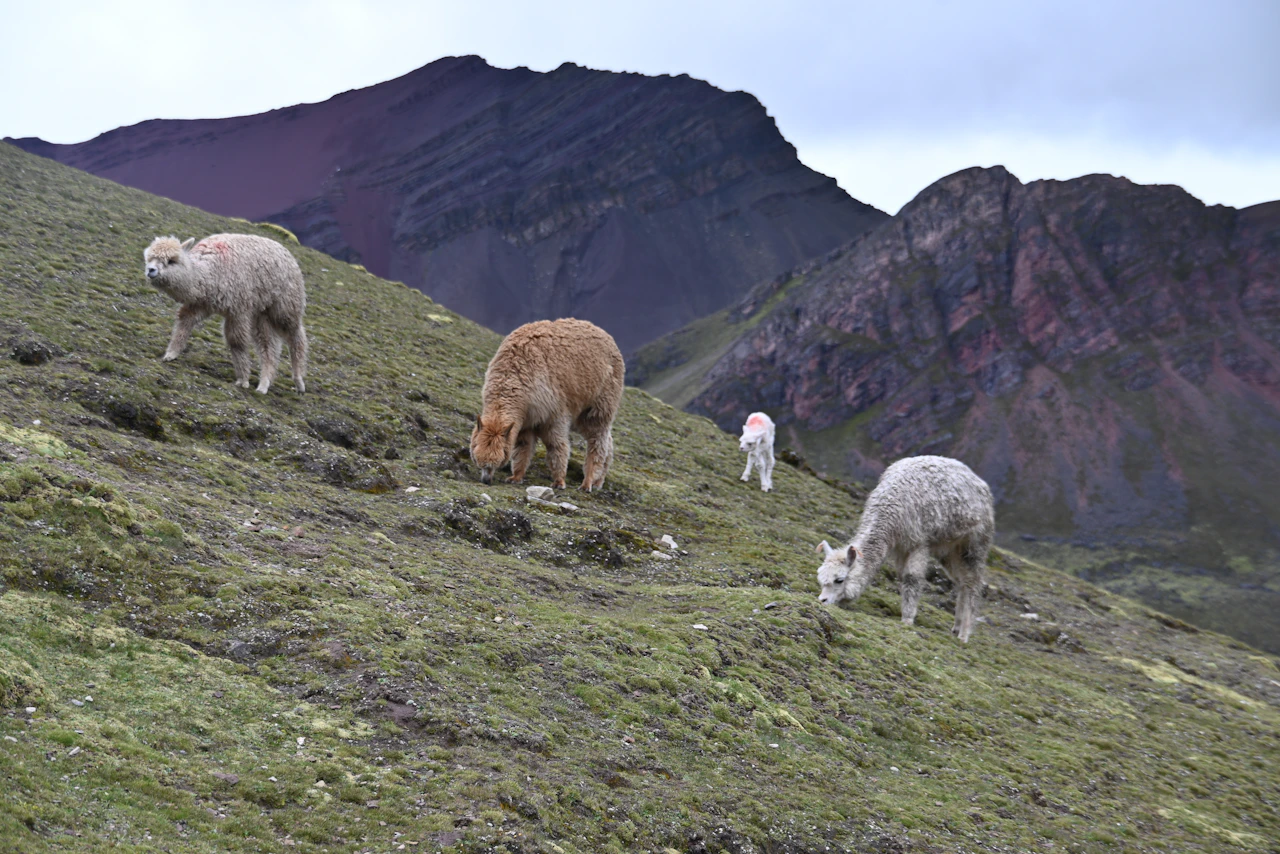
Altiplano herding is not fenced-pasture ranching in the way the word "farm" might suggest to a foreign guest. Families move alpaca and llama herds across open, largely unfenced puna grassland at close to four thousand metres, reading terrain and weather with a precision built from generations of the same work, timing movement around grazing quality, water access, and the harsh temperature swings of an altiplano day that can run from freezing before dawn to warm sun by midday.
Alpaca and llama are related but distinct in both biology and use — alpaca bred primarily for their fine fibre, llama traditionally more central to load-carrying and, in some communities, meat. A herding family typically manages both, and the morning's work moves between them: checking animals, moving the herd to better grazing, and, depending on season, the specific tasks tied to shearing, birthing, or preparation for market.
What the Morning Involves
We arrange time with a herding family on their own land, walking the puna alongside them as they go about an ordinary morning's work rather than staging a demonstration disconnected from the actual rhythm of the day. Guests see how a family reads a herd's condition, how decisions about grazing and movement get made, and, where the season allows, direct contact with the animals themselves in a working context rather than a petting-zoo one.
The conversation extends naturally into what the herding life actually involves economically today — how families balance traditional herding against the fibre market's demands, what a season's shearing yields and where that fibre goes from here (frequently toward the same textile workshops and weavers featured in our other Titicaca and Lima experiences), and how a way of life this old is adapting, or not, to a changing climate at altitude.
What Kada Arranges
We work with a specific family whose land and herding practice we know directly, arranging the visit around whatever the season's actual work happens to be rather than a fixed script — the honest version of the morning changes with the calendar, and we think that variability is part of what makes it real. For guests who want to follow the fibre's full journey, we can pair this with a weaving or textile experience elsewhere in the region, connecting the herd on the puna to the finished cloth.
Expert Insight
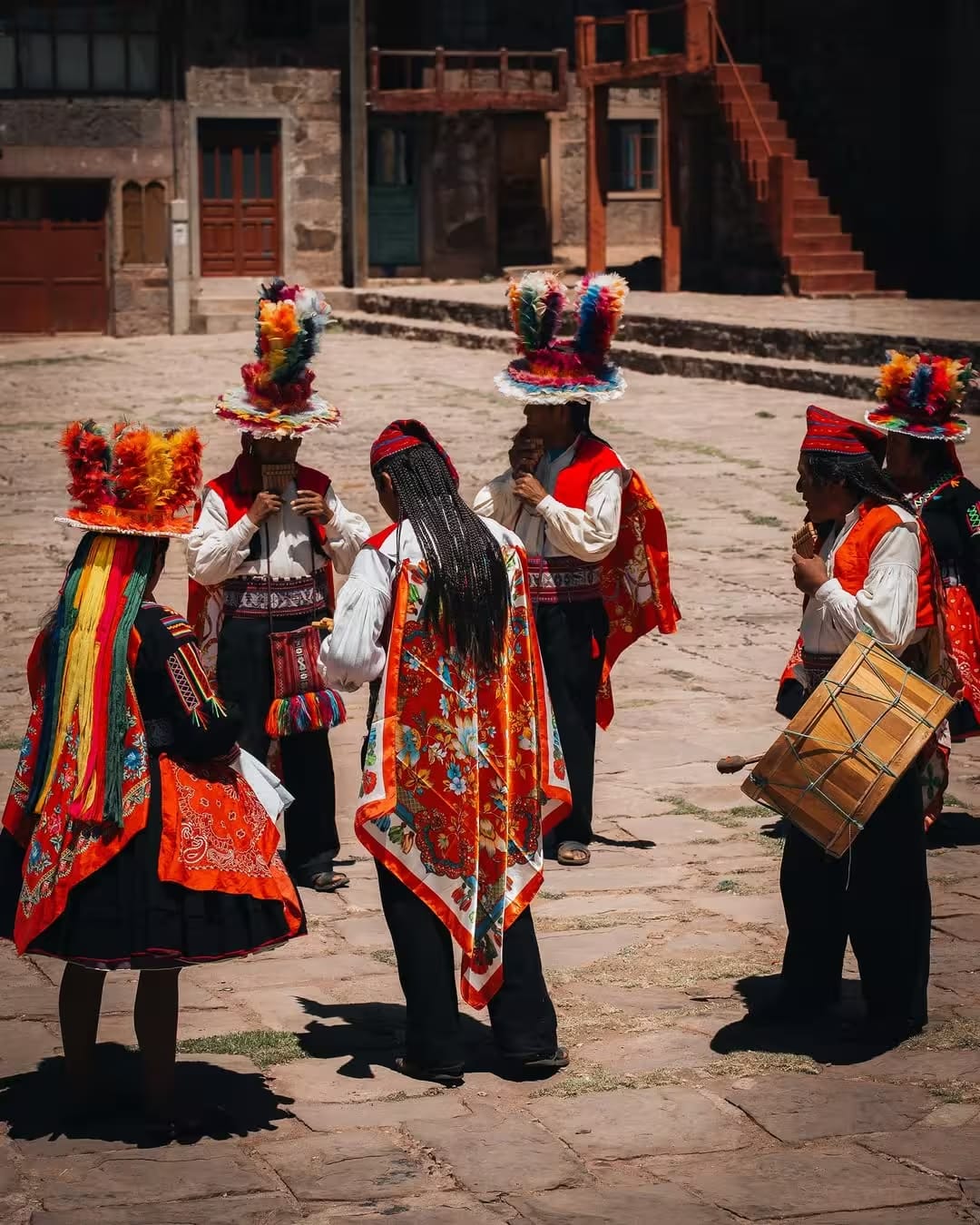
"We think this is the experience that gives the rest of a Titicaca itinerary its foundation — the textiles, the festival costumes, even the wool blankets in a guest's lodge room all trace back to mornings exactly like this one, repeated for longer than anyone can date precisely. Guests who spend a morning with a herding family tend to look at every piece of alpaca they encounter afterwards a little differently."
— Katherine Cjuiro, Founder, KADA Travel
A Practical Note
This experience happens at close to four thousand metres and involves walking on open, uneven grassland — guests should be acclimatised and comfortable with moderate activity at altitude. Weather at this elevation shifts quickly; we recommend layering regardless of how the morning starts.
Written by Kada Travel Editorial
Frequently Asked
Real working time — we do not stage activity disconnected from what the family is actually doing that day, which means the specific tasks vary by season.
Yes, and many herding families are comfortable with children observing and, with guidance, having supervised contact with the animals.
Directly — the fibre this herd produces enters the same supply chain that eventually reaches weavers in Taquile, Puno's own textile workshops, and ateliers as far as Lima. We can build an itinerary that traces this specific thread.
Shearing season (typically austral autumn, though timing varies by family and altitude) offers the most active, visually striking work, but the herding rhythm itself continues year-round and is worth experiencing regardless of season.
Design Your Journey
Design your bespoke Peru journey
We talk. We listen. Then we design an itinerary that belongs only to you.
Start Planning