Unfolded· 7 min read·28 July 2026
The Island Where Dinner Is the Whole Point
A night on Amantaní, the Quechua-speaking island where the only accommodation is a family's spare room — arranged with a single household we know, not a rotation assigned by a tour desk in Puno.
By Kada Travel Editorial
Most visits to Lake Titicaca are built around what can be seen in an afternoon: a boat out, a walk, a boat back. Amantaní refuses that shape. There is no hotel on the island, no restaurant with a menu, no schedule that isn't set by whichever family opens their spare room for the night. The entire experience depends on staying, and staying depends on someone letting you into their house.
We work with one family on Amantaní, not a rotation managed by a tour desk in Puno that assigns guests to whichever household is next in a queue. It is a relationship that has taken years to build carefully, and it means the family knows what a Kada guest expects and we know exactly what the night will actually involve — no surprises in either direction, which matters more on an island with no phone signal and no way to change plans once the boat has left the mainland.
An Island Run on Terraces and Turns
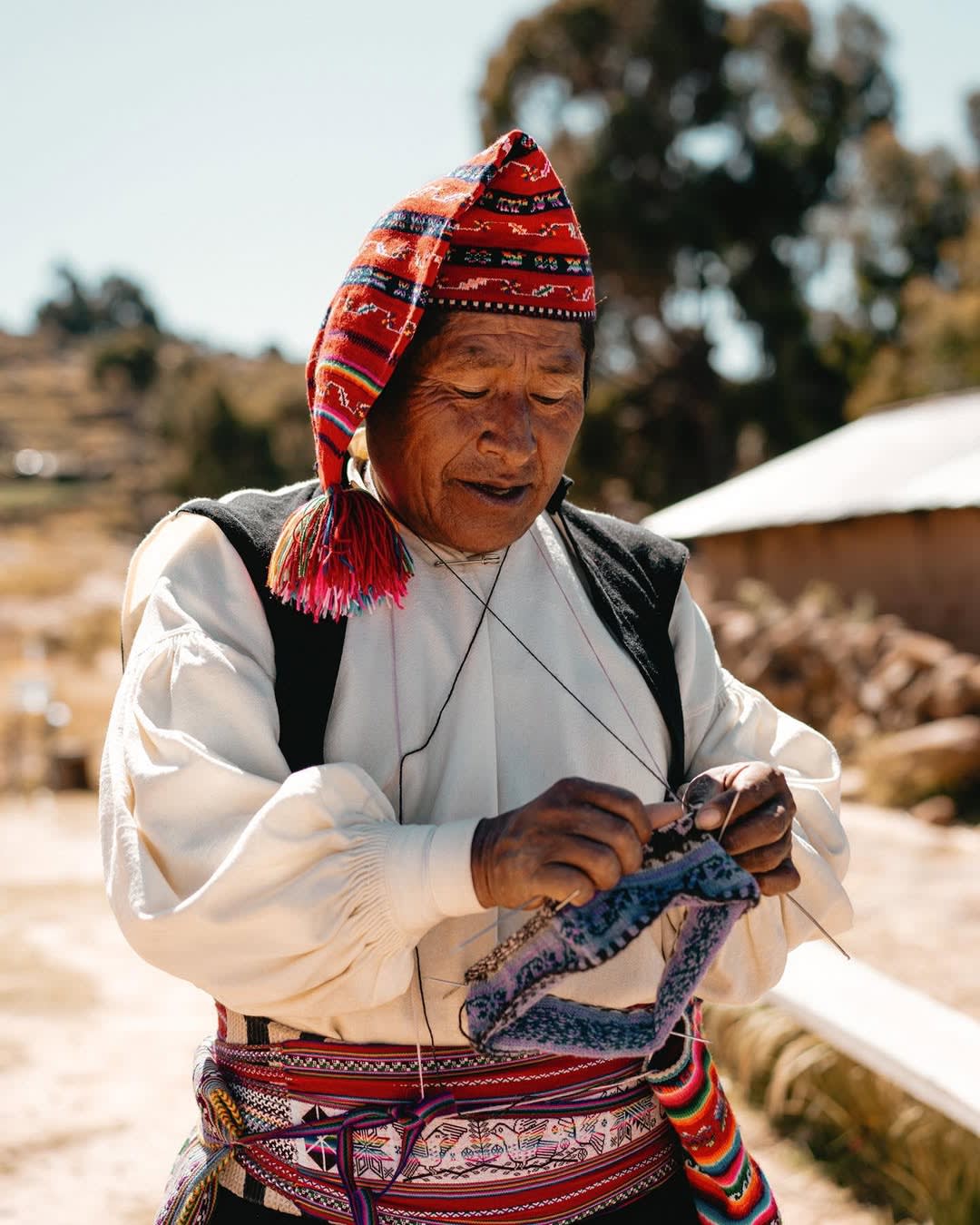
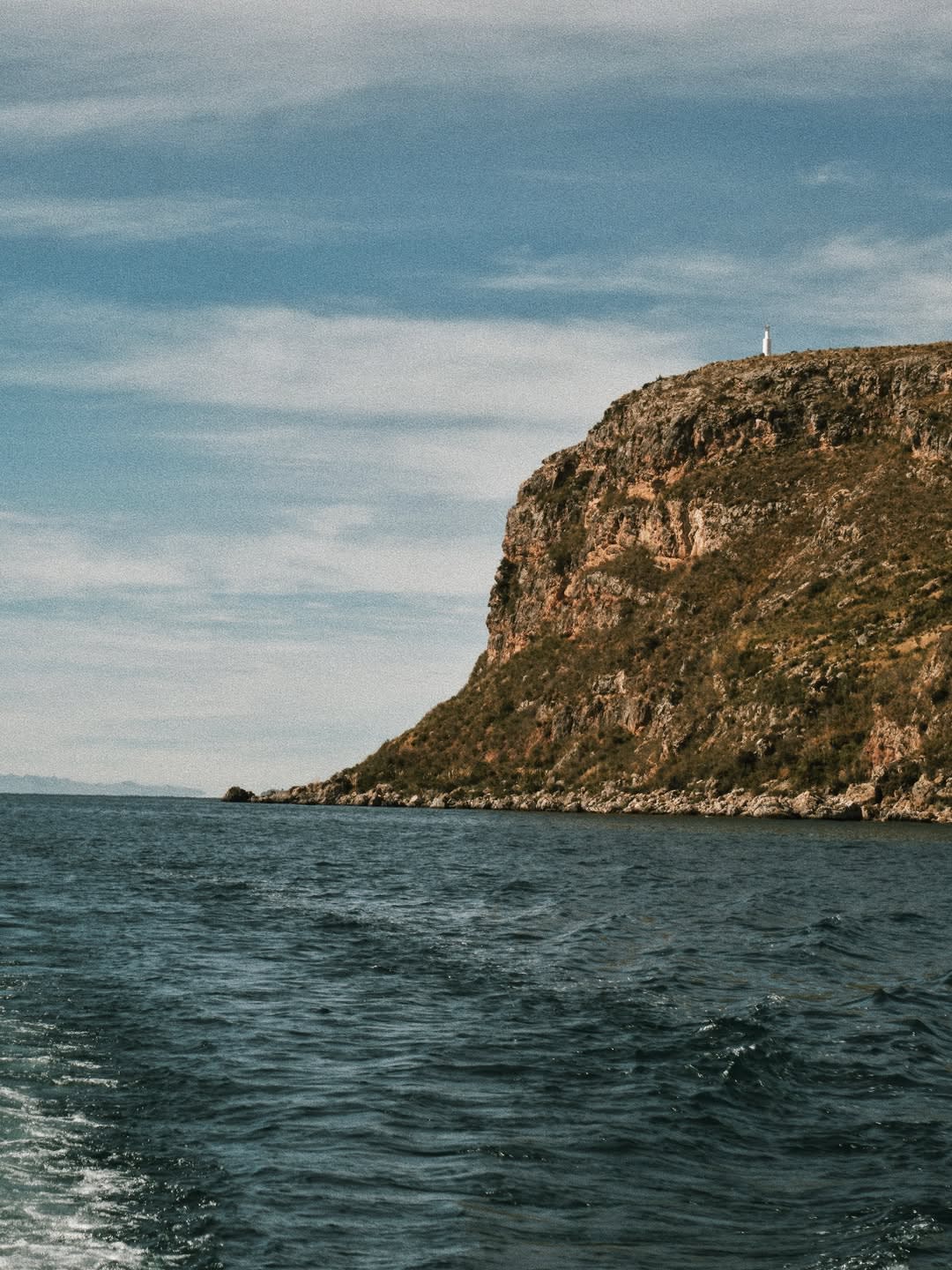
Amantaní rises out of the lake in a series of stone-walled agricultural terraces that its roughly eight hundred Quechua-speaking families still work by hand — potatoes, quinoa, broad beans, and barley, planted according to a communal system of rotation and shared labour (ayni and minka, mutual-aid structures that predate any documentation of them) that has kept the island fed for centuries without depending on the mainland. There are no motor vehicles, and the paths between the island's small hamlets are walked, not driven.
Two hills anchor the island's geography and its ceremonial calendar: Pachatata, the "Father Earth," and Pachamama, the "Mother Earth," each crowned with a pre-Inca temple whose stonework predates the Spanish arrival by centuries. Local families climb one or the other for the January 20th festival that marks the agricultural year, a ceremony guests do not typically see — but the walk itself, on an ordinary evening, at the hour before sunset, is open to us, and it is the single best vantage on the lake that Amantaní offers.
The Evening the Island Actually Runs On
Dinner happens in the family's own kitchen, cooked over a wood or gas stove with whatever the terraces produced that week — a potato soup, often, or a quinoa stew, plain in a way that no restaurant menu would present it, and better for the honesty. Conversation happens in whatever combination of Spanish and Quechua the household is comfortable with; we arrange a guide who can move between the two so nothing is lost to language, but we do not stage the conversation or script what the family says.
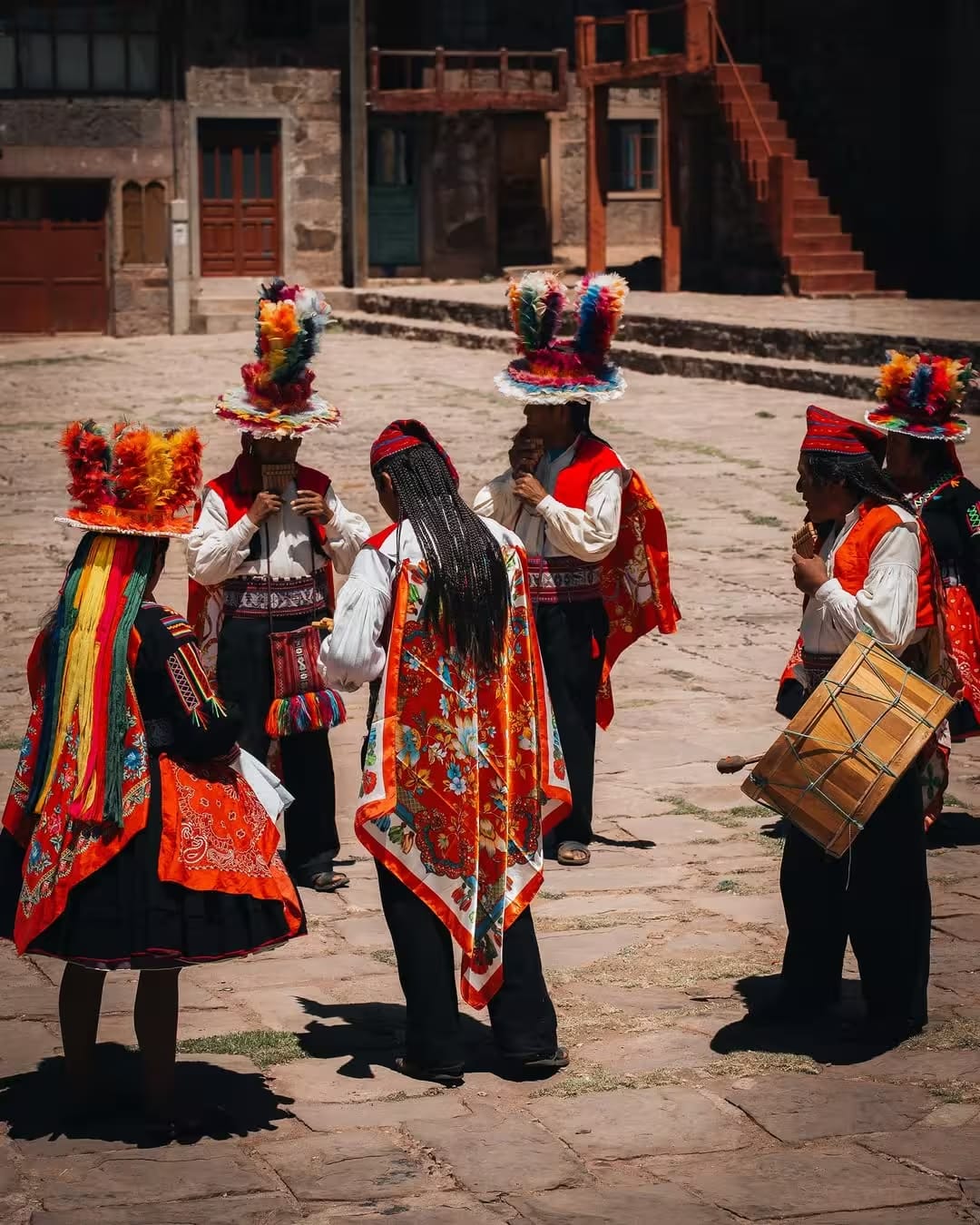
Later, if the household is willing, there is a dance — traditional dress lent to guests, a local band with a handful of instruments, a courtyard or a common room turned briefly into something between a party and a ritual. It is, unmistakably, for visitors in the sense that it would not happen exactly this way if we weren't there. We are honest with guests about that. What it is not is a performance rehearsed for a tour bus; it is the island's own version of hospitality, offered because it is what Amantaní families have decided to share with people who stay the night instead of the afternoon.
What Kada Arranges
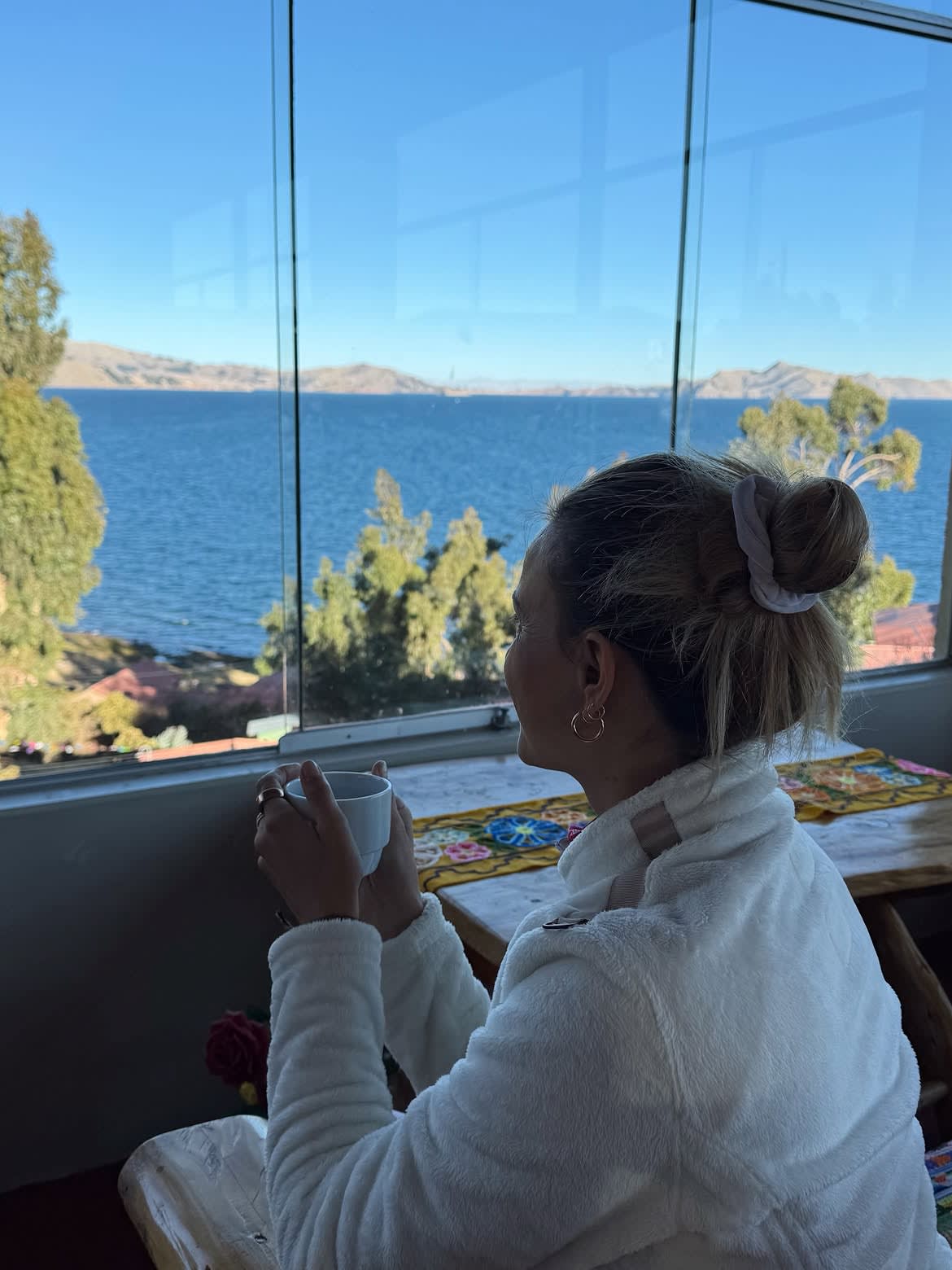
We coordinate the crossing from Puno, the introduction to the family, a Quechua–Spanish guide for the evening if the household's Spanish is limited, and the walk to Pachatata for sunset. We brief guests honestly on what to expect: a simple room, likely without private plumbing, temperatures that drop hard after dark at nearly four thousand metres of altitude, and an evening built around a family's actual routine rather than a curated schedule. For guests who want the intimacy of Amantaní without any of that, we would say plainly that this is not the right experience — and we would suggest Suasi or Anapia instead, where the comfort level is considerably higher and the privacy more complete.
What Amantaní offers instead is proximity to something un-arranged: an island economy still largely running on its own terms, a family whose hospitality is not a line item on someone else's spreadsheet, and a night that ends, usually, with more silence and more stars than most of our guests have experienced anywhere else on a trip through Peru.
Expert Insight
"We are careful about Amantaní because it asks something different of guests than most of what we arrange — comfort is not the point, and we say so before anyone books it. What we protect is the relationship with one family, so that what our guests experience is an actual evening in an actual home, not a performance built for whoever gets off the next boat. The guests who choose it tend to be the ones who remember the trip by this night specifically, years later."
— Isabela Santos, Travel Designer, KADA Travel
A Practical Note
Amantaní sits at close to 3,800 metres of altitude, higher than Puno itself, and nights are cold regardless of season — we advise layering and a proper jacket even in the dry months (May–September). There is no ATM, no shop stocked for tourists, and limited or no phone signal; we brief guests to bring cash for any small gifts to the family and anything they might need that the island does not sell. This is a one-night experience by design — we do not recommend longer stays on Amantaní itself, though it pairs naturally with a second night on Suasi or Anapia for guests who want to contrast the island's working simplicity with a more private, comfortable register.


Written by Kada Travel Editorial
Frequently Asked
Simple, not luxurious — a clean room, blankets provided, but likely without private plumbing or heating beyond what the family's own home has. We are direct about this before booking, and it is the trade-off for an experience that is genuinely un-staged.
No — we provide a guide who moves between Quechua and Spanish, and translates as needed through the evening.
Yes, and it tends to be memorable for them specifically — many Amantaní families have children of their own, and the evening often becomes a shared one across both households.
Suasi and Anapia are private-island experiences with considerably more comfort and privacy, arranged through Kada-vetted lodges rather than a family home. Amantaní is the more immersive, less controlled version — the right choice for guests prioritising authenticity over comfort.
Design Your Journey
Design your bespoke Peru journey
We talk. We listen. Then we design an itinerary that belongs only to you.
Start Planning