Destinations· 9 min read·15 April 2025
Choquequirao, Northern Peru and the Cordillera Blanca: Peru Off the Beaten Path
When Machu Picchu is no longer enough — three regions for the returning traveller.
By Kada Travel Editorial
There is a Peru that does not appear in the standard itinerary. Three regions receiving less than five per cent of international tourism, preserving Inca stones, pre-Inca mummies, snow peaks above six thousand metres, and silences Cusco lost two decades ago. This guide proposes them for travellers who already know classic Peru and return seeking something else.
Choquequirao: Machu Picchu's sister
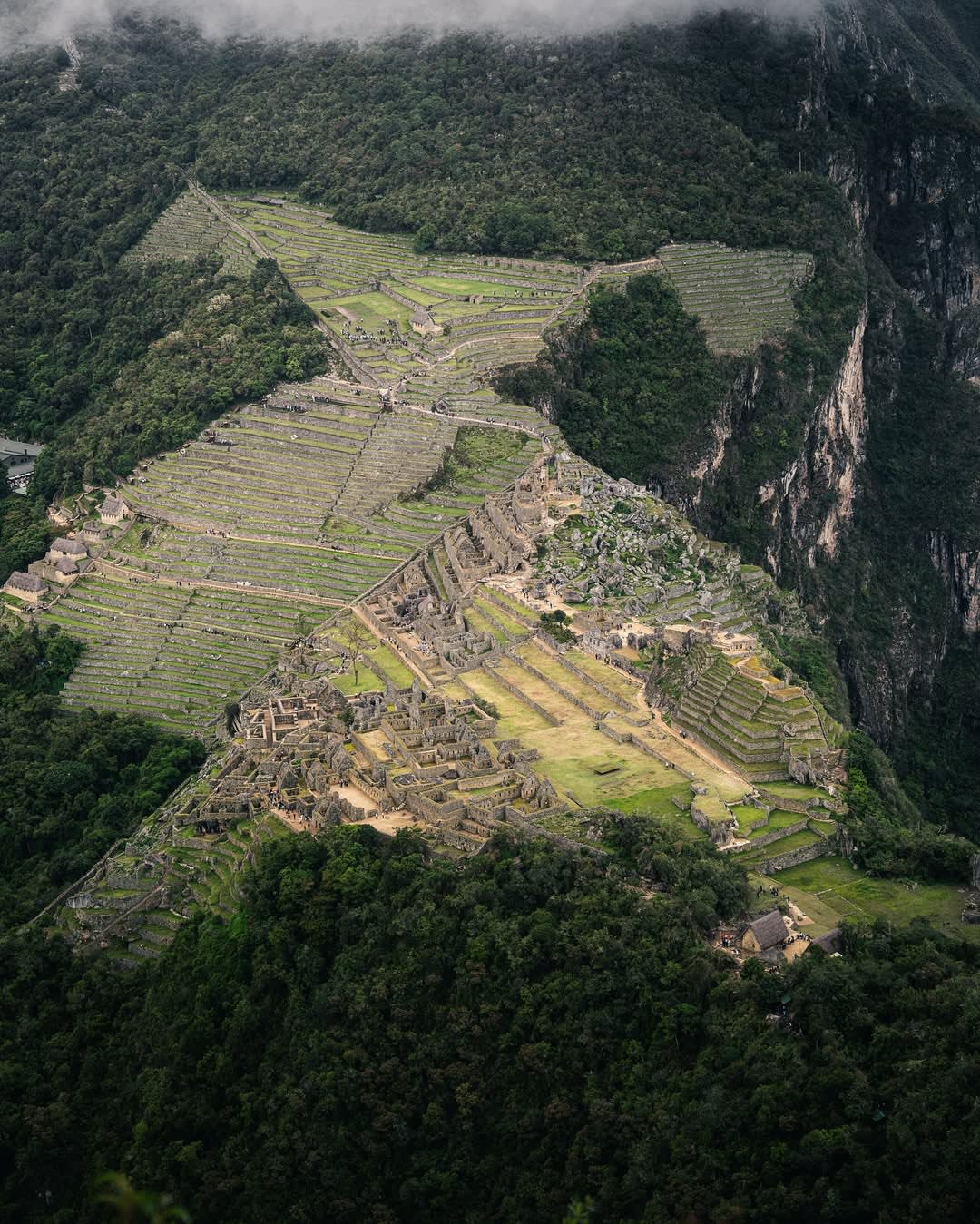
Choquequirao is the Inca site Spanish conquistadors never found. Built during the fifteenth century on an Apurímac valley summit, at 3,085 metres, it was occupied until 1572 when the last rebel Incas surrendered. Hiram Bingham visited in 1909, two years before Machu Picchu, but found it less spectacular and continued searching. That decision defined its future: Machu Picchu became global icon; Choquequirao, remote site only accessible by two-day hike.
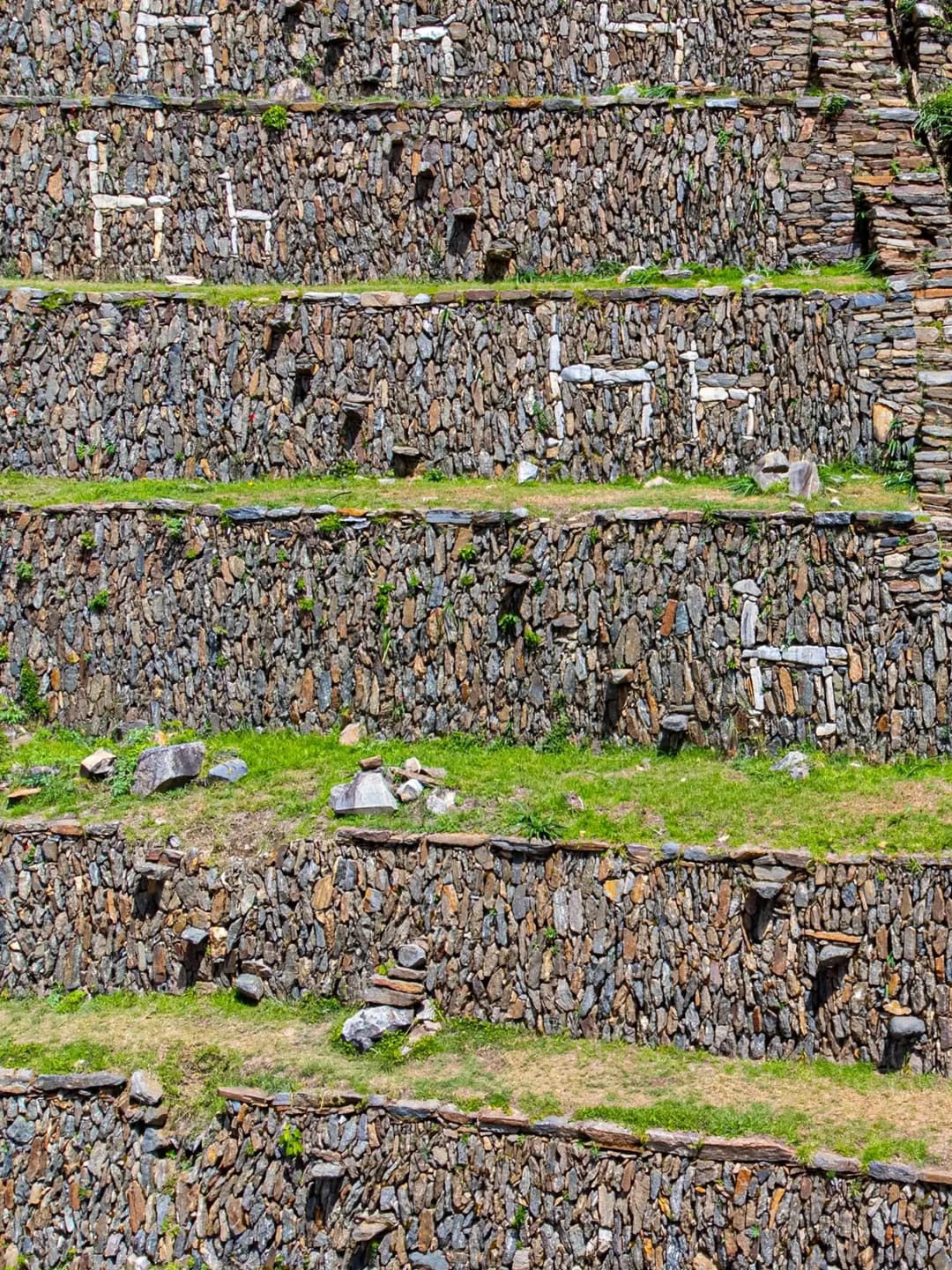
The site has the same structure as Machu Picchu —terraces, ceremonial plazas, hydraulic system— but a third remains unexcavated. The "white llamas" of Choquequirao —llama figures of white stones embedded in dark walls, the only example in Inca architecture— are the site's signature.
Access is the barrier. Two-day hike from Cachora (four hours from Cusco), with 1,500 m descent to the Apurímac and 1,700 m ascent to the site. Camping or basic cabin in Marampata, village an hour and a half from the site. Three days walking, two mountain nights, no affordable luxury. No boutique hotel presence.
There is also a six-day option: Choquequirao on one side, Machu Picchu on the other, connecting the two by Inca trail. One of Peru's most demanding and memorable treks —for the exceptional traveller in high physical condition with two or more weeks in the country.
The Peruvian government announced in 2024 a cable car connecting Cachora to Choquequirao, reducing the trip to one hour. Construction is ongoing and should operate by 2027-2028. When it opens, the site will receive massively and the version still experienced —solitary, earned— will end. For those wanting Choquequirao in its current version, the window is now.
Northern Peru: the Moche route
Northern Peru concentrates the most sophisticated pre-Incaic kingdoms. The Moche culture (200-700 AD) left South America's largest adobe pyramids —Sipán, Sicán, Huaca de la Luna— and a ceramic art UNESCO declared Cultural Heritage. Today the least visited region of classic tourist Peru, making it ideal for the archaeology-curious traveller.
Three cities structure the route: Trujillo (northern capital, 1h flight from Lima), Chiclayo (north of Trujillo, capital of the ancient Moche kingdom), and Cajamarca (in the northern highlands, where Atahualpa was captured and executed by Pizarro in 1532). Each has four to five days of material; the full route requires eight to ten days.
The unmissable site is Sipán: the intact tomb of the Lord of Sipán, discovered in 1987, considered the richest pre-Columbian royal tomb ever found in the Americas. Displayed at the Royal Tombs of Sipán Museum in Lambayeque, alongside another royal tomb (the Priest-Warrior) and archaeological reconstructions. Peru's most impressive museum after the Larco in Lima.
For lodging: Costa del Sol Wyndham Trujillo, Casa Andina Premium Trujillo, and Costa del Sol Wyndham Cajamarca. The offering does not reach Belmond level but is functional and comfortable. The region is ten times cheaper than Cusco-Machu Picchu, which lowers the cost of the full trip.

Cordillera Blanca: the accessible snow peaks
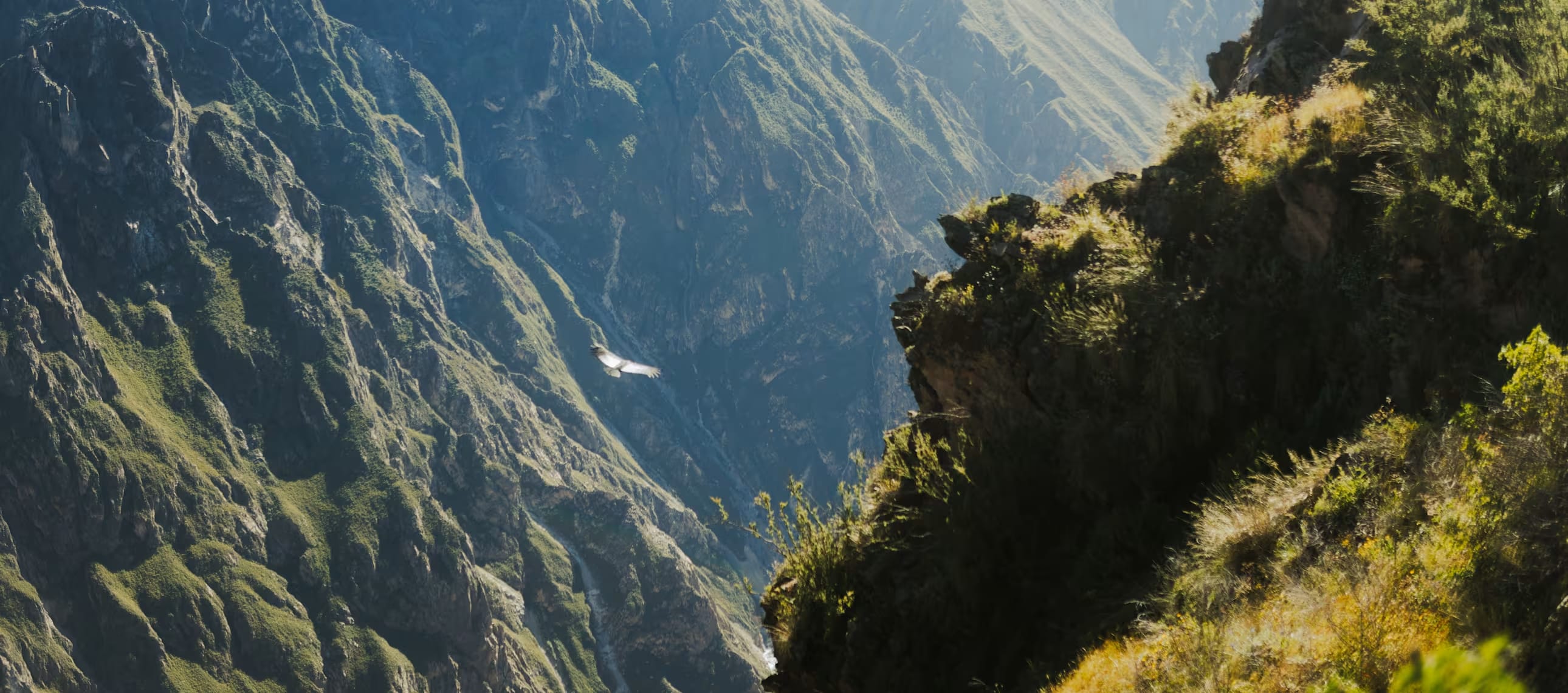
The Cordillera Blanca, in Áncash department, is the tropical mountain chain with most snow peaks above six thousand metres in the world. Thirty-eight summits over 6,000 metres, led by Huascarán (6,768 m, sixth-highest in South America). The landscape is absolute: turquoise lakes of glacial origin, U-valleys carved by ice, hanging glaciers, abundant Andean fauna (vicuñas, vizcachas, condors).
Access is from Huaraz, regional capital, 8 hours by bus from Lima or 1h 5min by flight (Lima-Huaraz). Trekking options are multiple: Laguna 69 (day excursion, accessible to beginners in good shape), Santa Cruz (4-day trek, iconic cordillera landscape), Huayhuash (8-12 days, considered one of the world's ten best treks).
For Huaraz lodging: Andino Club Hotel and Hotel La Joya are the best service options. Luxury offering is limited —Lazy Dog Inn, on the outskirts, is the closest thing to boutique hotel. For the demanding traveller interested in mountaineering, the region is evaluated by landscape, not lodging.
Trekking season is May-September. In rains (November-March), trails turn to mud and many routes close. For photography, June and July are peak —crystal skies over white peaks.
Off-the-beaten-path Peru is not an alternative to classic Peru. It is the Peru that exists outside the tourist corridor running from Cusco to Iquitos. Whoever knows it does not return to the standard circuit.
Kada Travel
How to combine them
Choquequirao is included only in fourteen-or-more-day trips. Northern Peru and Cordillera Blanca can combine with each other (eight to ten total days) without going through Cusco-Machu Picchu —the itineraries we recommend for returning Peru travellers.
For the first Peru trip, introduction to these regions happens after the standard circuit (Lima-Cusco-Machu Picchu) if the trip permits twenty-one days. The formula: ten days classic Peru, three days rest in Lima, eight days in north or Cordillera Blanca. Three-week trip, recommended for those with time and real curiosity.
Written by Kada Travel Editorial
Frequently Asked
Under construction since 2024. Estimated date 2027-2028, subject to typical Peruvian public-works delays.
For archaeology lovers, definitely. Moche sites are the most sophisticated in pre-Hispanic Peru. For general travellers, better on second trip, not the first.
Laguna 69 yes, with good fitness. Santa Cruz and Huayhuash treks, no —they require prior high-mountain experience.
Private car 4h from Cusco to Cachora, two days of trekking with guide and equipment mules. Total: outbound 2 days, site 1 day, return 2 days. Five days.
Yes. LATAM and Sky fly daily Lima-Trujillo (1h), Lima-Chiclayo (1h 15min), Lima-Cajamarca (1h 30min). Land transfers between the three cities are 3-4h.
Limited. Luxury offering is concentrated in the Cusco-Lima-Iquitos corridor. In the north and Cordillera Blanca, international five-star hotels do not exist. For the hotel-valuing traveller, this is a factor.
Design Your Journey
Design your bespoke Peru journey
We talk. We listen. Then we design an itinerary that belongs only to you.
Start Planning