Unfolded· 7 min read·31 July 2026
The Questions the Leaves Answer
A private coca leaf reading with a Q'ero paqo in the Sacred Valley — orientation, not divination; a diagnostic encounter with one of the oldest consultative practices in the Andes.
By Kada Travel Editorial
Divination is the word most guidebooks use. It is the wrong word. What a paqo does with coca leaves is closer to diagnosis — a reading of the specific forces, relationships, and blockages surrounding a person at a specific moment, conducted through a medium the Andean tradition has used for this purpose for longer than the Inca empire existed.
The distinction matters because it changes what a guest brings to the session. Someone expecting fortune-telling brings curiosity about the future. Someone expecting diagnosis brings a specific question about the present. The second is what the practice is designed for, and what it delivers.
The Mesada
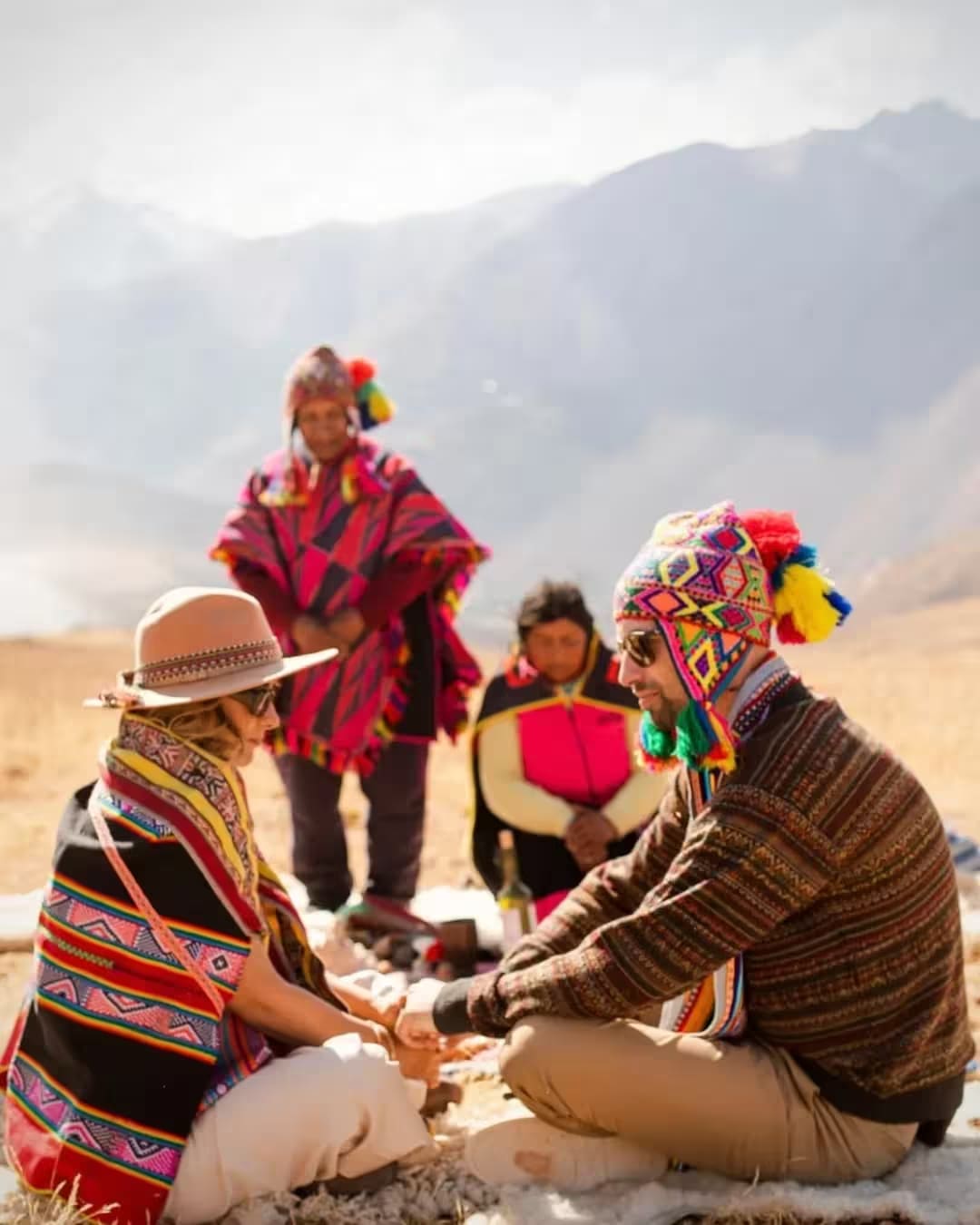
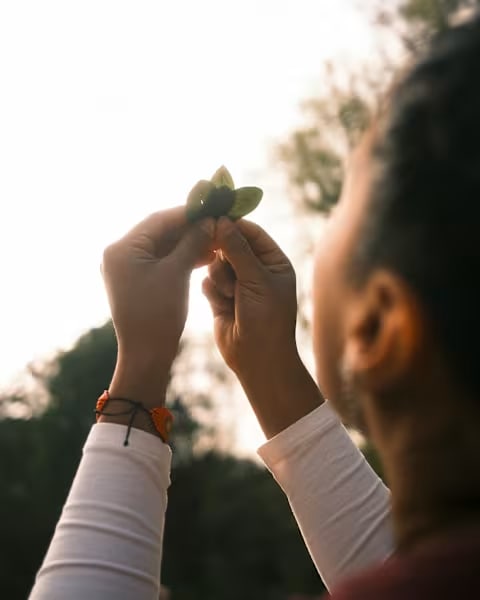
The mesada is both the cloth on which the reading happens and the session itself — the same word for the working surface and the work performed on it. The manta (the woven cloth) is spread on the ground or a low surface; the paqo prepares the space by selecting a k'intu — three perfect coca leaves, held between the fingers of the right hand, blown with intention — as an opening offering. The breath carries whatever the practitioner places in it. The leaves that follow inherit that opening.
Before the reading begins, the paqo listens. Through Jaime Ttito's interpretation, he receives the question or concern the guest brings — not to answer it in advance, but to calibrate the throw. The way the leaves are handled, the specific request placed in the k'intu, the direction of the throw: all of these are adjusted to what the session is for. A reading undertaken without a question is possible; it is also less specific, and specificity is what the practice does well.
The Reading
The paqo throws a handful of coca leaves onto the manta and reads what they produce: which leaves land face up, which face down; where they cluster and where they are isolated; the patterns they form relative to each other and to the edges of the cloth. The reading is not fixed — different practitioners read different aspects, and the same arrangement can be read more than once as the session develops.
Coca is not arbitrary as the medium. In the Andean cosmovision, coca is a sacred plant that grows at the precise altitude interface between the puna and the valley — where different ecological zones and the forces associated with them meet. It is used daily in Andean life: chewed to manage altitude and suppress hunger, offered to Pachamama before planting or before a journey, placed in the bundle of a despacho as the most present and personal element of the offering. The plant's position in Andean ceremony is not symbolic in the abstract sense; it is specific to its ecology, its chemistry, and its history of use.
What a coca leaf reading accesses is not the future. It is the current configuration of forces around the person who brought the question — the relationships that are in movement, the paths that are open or obstructed, the energies that are in accord or in tension. The paqo reads this configuration and describes it; what the guest does with the description is their own.
What Kada Arranges
The mesada runs sixty to ninety minutes. We arrange it in a setting that allows quiet and no interruption — either in a private room in our partner accommodation in the Sacred Valley, or at an outdoor site the paqo selects for the session.
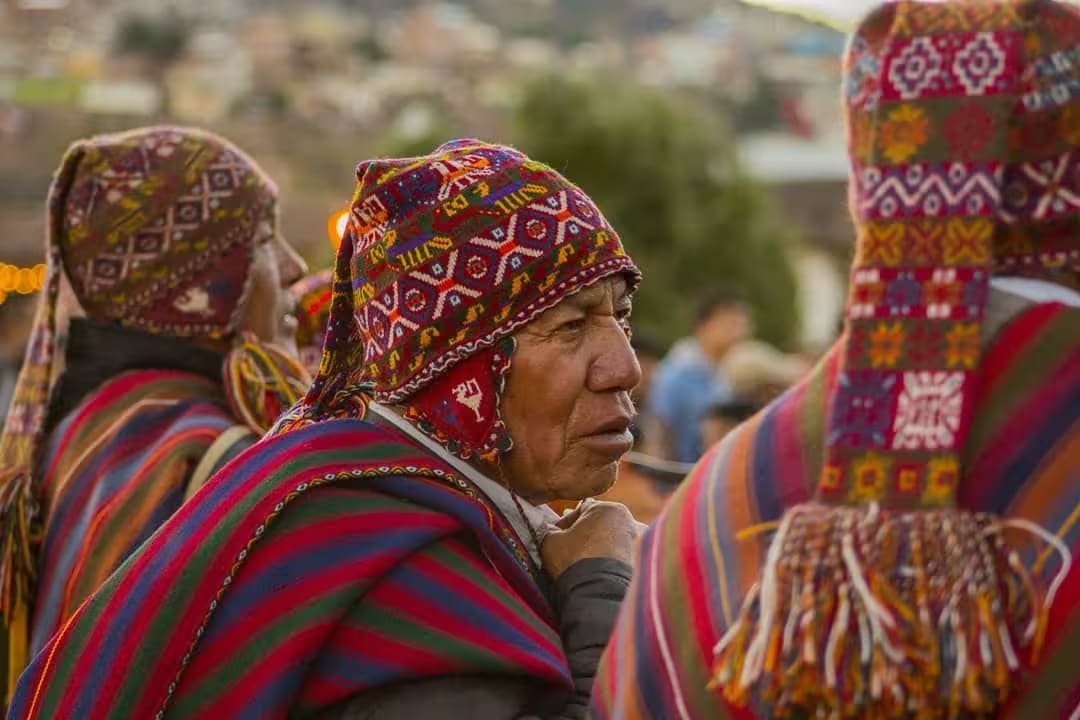
The paqo we work with for the mesada is the same Q'ero elder who performs the despacho ceremony — this is not a separate practitioner but the same person in a different register of his practice. The two sessions are complementary but distinct: the despacho is an offering made on behalf of the participants; the mesada is a reading made for a specific person with a specific question. We can arrange them in sequence during a stay in the Sacred Valley, typically with a day between.
Jaime Ttito provides interpretation both before and during the reading. His role during the session is to translate the paqo's observations without editorializing them — not to soften, elaborate, or explain away what is said. If the reading produces something uncomfortable, Jaime translates it accurately. The guest's response to it is their own.
We ask guests to come with a genuine question — not a test designed to evaluate whether the paqo will produce something verifiable, but something that is actually unresolved in their life. The reading works differently for guests who arrive with that posture. It works less well for guests who arrive as skeptical evaluators, not because scepticism invalidates the practice, but because the quality of presence the reading requires is different from the quality of presence evaluation requires.
Expert Perspective
"The most common mistake foreign guests make before a coca leaf reading is deciding in advance whether they believe in it. That framing closes the session before it starts. What I tell them is: come with a real question — something that is genuinely unresolved — and see what the reading produces. The paqo is not reading your mind. He is reading the leaves, and the leaves respond to the energy of the person who threw them. What I have seen, over many years of translating these sessions, is that the readings which produce the most silence in guests are the ones that named something the guest had not yet named themselves. That is what I mean by diagnosis. Not prediction — recognition."
— Jaime Ttito, Head of Guides & Cultural Interpreter, KADA Travel
A Practical Note
The session works best scheduled for a morning — not after a full day of physical activity or a late evening. A clear head and a genuine question are the only preparation required; no prior knowledge of Andean cosmovision is necessary, and no specific belief system is required or assumed. Jaime's briefing before the session provides all the contextual grounding needed.
The reading is not recorded. Notes taken afterward by the guest are their own; Jaime can help transcribe specific statements the paqo made, if requested, but the session itself is not a document. This is consistent with how the practice is conducted within Q'ero communities: the reading is received, not archived.
Altitude applies to this session as to all others. A minimum of two days in the Sacred Valley before the mesada ensures the quality of presence the practice asks for.

Written by Kada Travel Editorial
Frequently Asked
No belief system is required. What is required is genuine presence and a genuine question. The *paqo* has read coca leaves for people with no familiarity with the cosmovision and for people with decades of study in it; the sessions that produce the most for the guest are the ones where the guest was actually present, not performing the role of either believer or skeptic. Arrive with a question you actually want an answer to, and be open to what comes back.
The *paqo* reads in Quechua and addresses the guest in Quechua. Jaime Ttito interprets into English or Spanish throughout the session. There is no language barrier; the interpretation adds a small time delay to each exchange but does not reduce the quality of the session — Jaime has interpreted hundreds of these readings and knows when to translate immediately and when to allow the *paqo* to continue before interpreting.
The session is not recorded on audio or video. Guests may take written notes, and Jaime can help transcribe specific statements if requested immediately after the session. The practice is not designed to produce a document; it is designed to produce a recognition. We ask our guests to honour this.
The *mesada* is a personal consultative session, structured around a specific question from a specific person. It is designed for adults — not because it is inaccessible to younger guests, but because the kind of question the reading is best suited for requires a certain life complexity. For families travelling with children, we arrange separate introductions to the ceremonial use of coca — the offering, the selection of *k'intu*, the role of the plant in daily Andean life — as a shorter and more observational cultural session.
Design Your Journey
Design your bespoke Peru journey
We talk. We listen. Then we design an itinerary that belongs only to you.
Start Planning