Unfolded· 7 min read·16 July 2026
The Rooms at Dédalo
A curated visit to Barranco's most considered craft space — a republican mansion where each room makes an argument about what contemporary Peruvian making can be.
By Kada Travel Editorial
The difference between craft and souvenir is not price. It is intention. A souvenir is made for the person who did not make it — designed to represent a place to someone who was briefly there. The craft objects that fill the rooms of Dédalo, in Barranco, are made for a different purpose: for the specific weight of a clay that comes from the Lambayeque valley, for the way Amazonian tornillo wood holds a curve, for the relationship between a hand-formed alpaca textile and the cooperative in Puno whose members made it. The objects are made with a specific conversation in mind — between the material and the tradition it comes from — and the visitor is invited into that conversation after the fact.
This is why Dédalo is not a shopping experience in any standard sense, and why we arrange a visit with a curator rather than a map of the rooms.
The Building
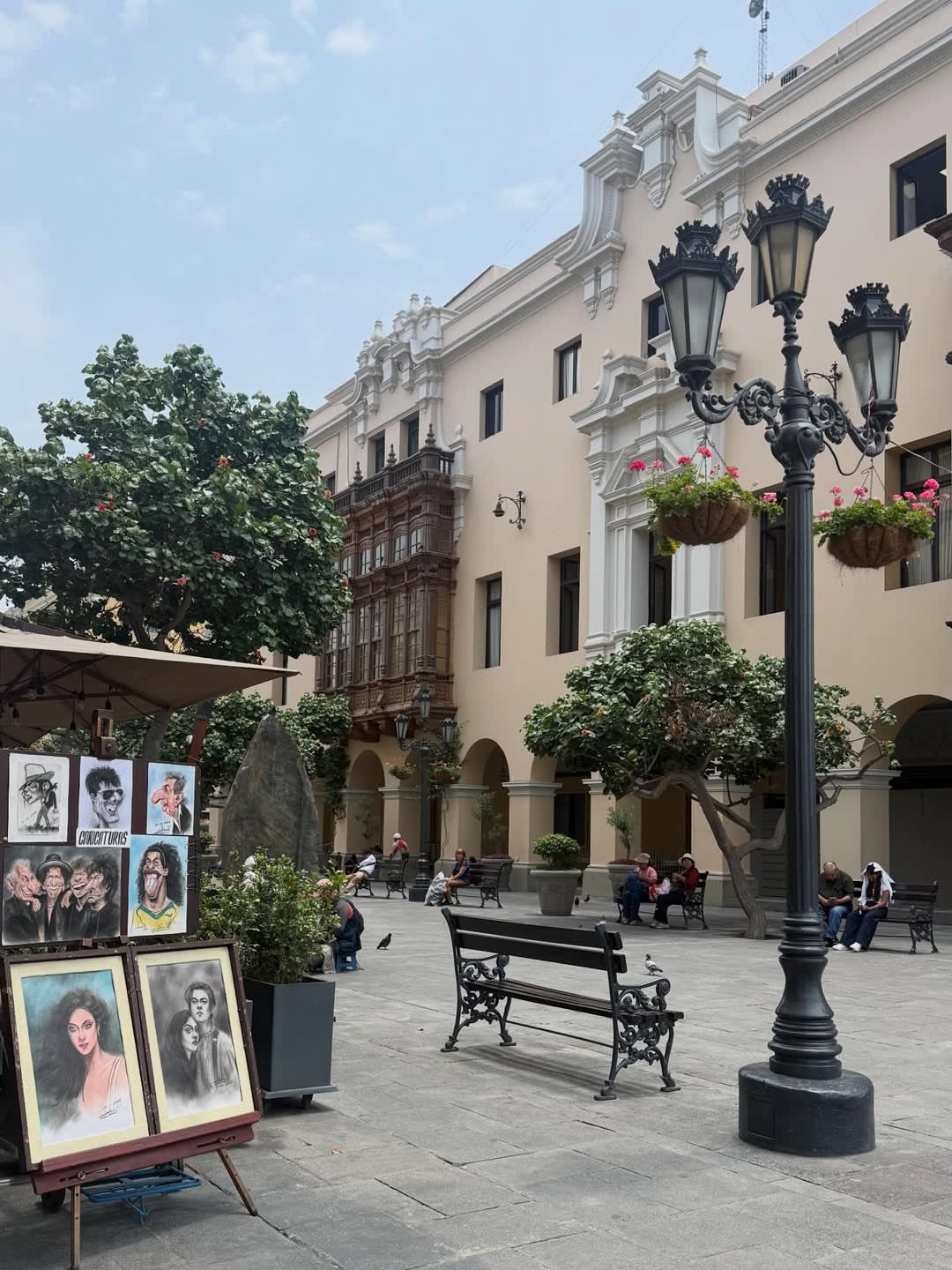
The house at Dédalo is a republican-era mansion — the architectural style Lima's affluent families built in the late nineteenth and early twentieth century, when the city's cultural orientation was toward Paris rather than Madrid, and the buildings that resulted borrowed the French proportion and ornament of the Belle Époque and applied them to Lima's particular urban geometry: high ceilings, internal courtyards, windows proportioned for the coastal light, rooms that open to each other in a sequence that is simultaneously formal and domestic. The structure was not built to be a shop. It was built to be a house, and the objects in it — displayed in rooms rather than on racks, on surfaces rather than shelving systems — are encountered in the spatial logic of a domestic interior.
Barranco acquired this building the way it acquired most of its republican mansions: the family left for a different part of the city, the property passed through intermediate uses, and eventually someone with a specific vision for what the rooms could hold moved in. At Dédalo, the vision is contemporary Peruvian craft understood as a design discipline — not folk art in the ethnographic display sense, but objects made by people whose practice engages with Peru's material and cultural heritage and produces something that neither reproduces it nor ignores it.
The Objects
The rooms are organised by material and practice rather than by price or category in the commercial sense.
The ceramics room holds work by contemporary Peruvian potters whose reference points include the Moche double-spout vessel, the Nazca polychrome tradition, and the colonial earthenware that Lima's kitchens used for three centuries — but whose output is not replica or homage. The forms are contemporary: proportions adjusted for current use, surfaces that interpret rather than reproduce the pre-Columbian colour language, glazes that use Andean mineral pigments in ways the original Moche craftspeople did not imagine because they were working in a different material relationship with the same earth. The distinction between reproduction and interpretation is visible in the objects, and it is the distinction the curator makes legible.
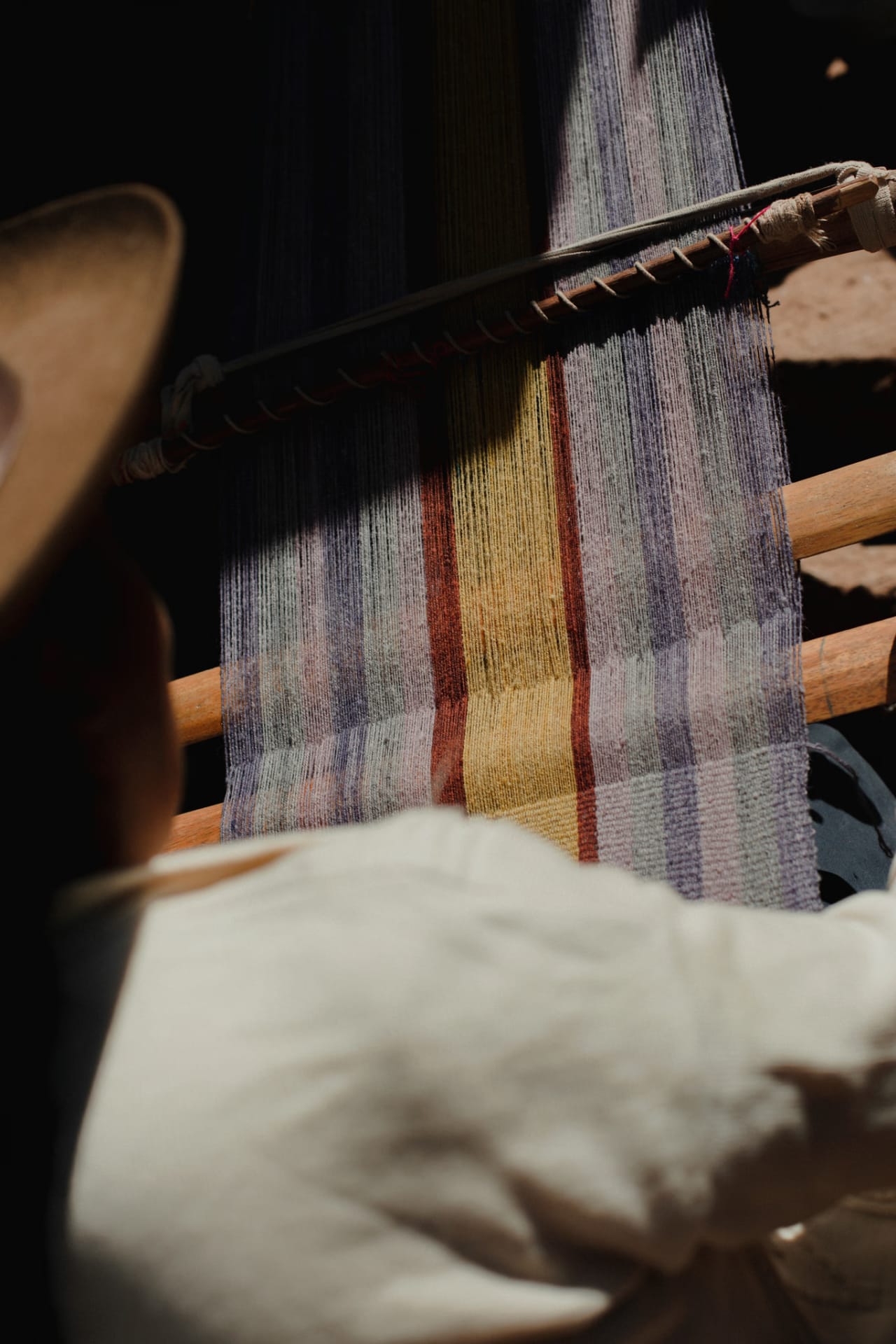
The textile room holds alpaca pieces produced by cooperatives in the Puno highlands — communities on the Titicaca altiplano whose weaving traditions are centuries deep and whose contemporary output is not the tourist-market version of Andean textiles (the bright synthetic-dye pieces that fill the market stalls of Pisac and Aguas Calientes) but the natural-fibre, natural-colour work that the tradition produces when it is not adjusted for export. The colour range of natural alpaca — twenty-two recognised shades from white through fawn, grey, brown, and black, requiring no dye — is visible in these pieces. The textile is the argument.
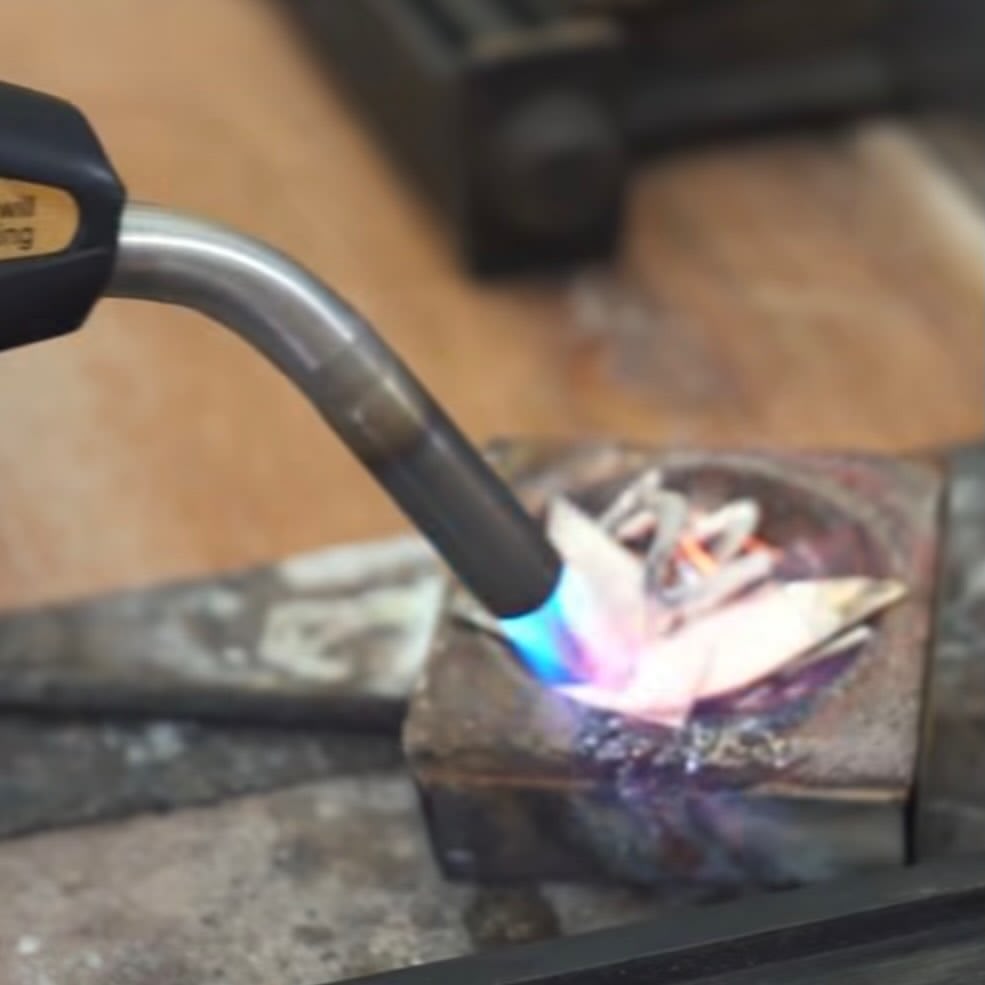
The silver room carries contemporary Peruvian jewellery from designers whose practice ranges from the architecturally geometric to the organically material. Peru's silver-working tradition goes back to the Chimú and earlier; the contemporary practitioners in this room are neither reproducing the pre-Columbian forms nor ignoring them. The pieces are wearable sculpture — objects whose relationship to the body they are designed for is as considered as their visual logic.
The furniture room is where Dédalo's argument about material is most directly stated. The pieces are made from Amazonian hardwoods — tornillo, cedro, huarmi kaspi — worked by craftspeople whose knowledge of the material is ecological as well as technical. These are not exotic woods in the sense of imported luxury; they are the woods that have grown at the base of the Andes for millennia, and that the furniture-makers in this room know specifically — their grain patterns, their response to humidity, their relationship to the tools that shape them.
The Curator's Walk
The rooms at Dédalo can be navigated without context. The objects are coherent on their own terms — the ceramics are visually compelling, the textiles are tactile, the silver is precise. What the curator adds is not a layer of interpretation that the objects require; it is the specific genealogy that makes them more interesting than they already are. A bowl becomes more interesting when you know which valley its clay came from. A textile becomes more interesting when you understand the natural colour's relationship to the breeding practices of the Puno cooperatives. A silver bracelet becomes more interesting when you know what the designer is arguing with.
The curator who accompanies our guests through the rooms is a Lima-based craft historian with direct relationships to several of the makers whose work is in the collection. The walk is not a sales pitch. It is a guided conversation about what the objects in these rooms are doing that the gift shop cannot.
What Kada Arranges
The Dédalo visit is arranged as a private morning session — two to two and a half hours, before the store opens to its general visitorship and the rooms hold their proper quiet. The curator meets our guests at the entrance and walks the rooms in an order calibrated to the guests' specific areas of interest: guests whose primary interest is textile spend more time in the alpaca room; guests whose interest is contemporary design spend more time in the ceramics and silver rooms.
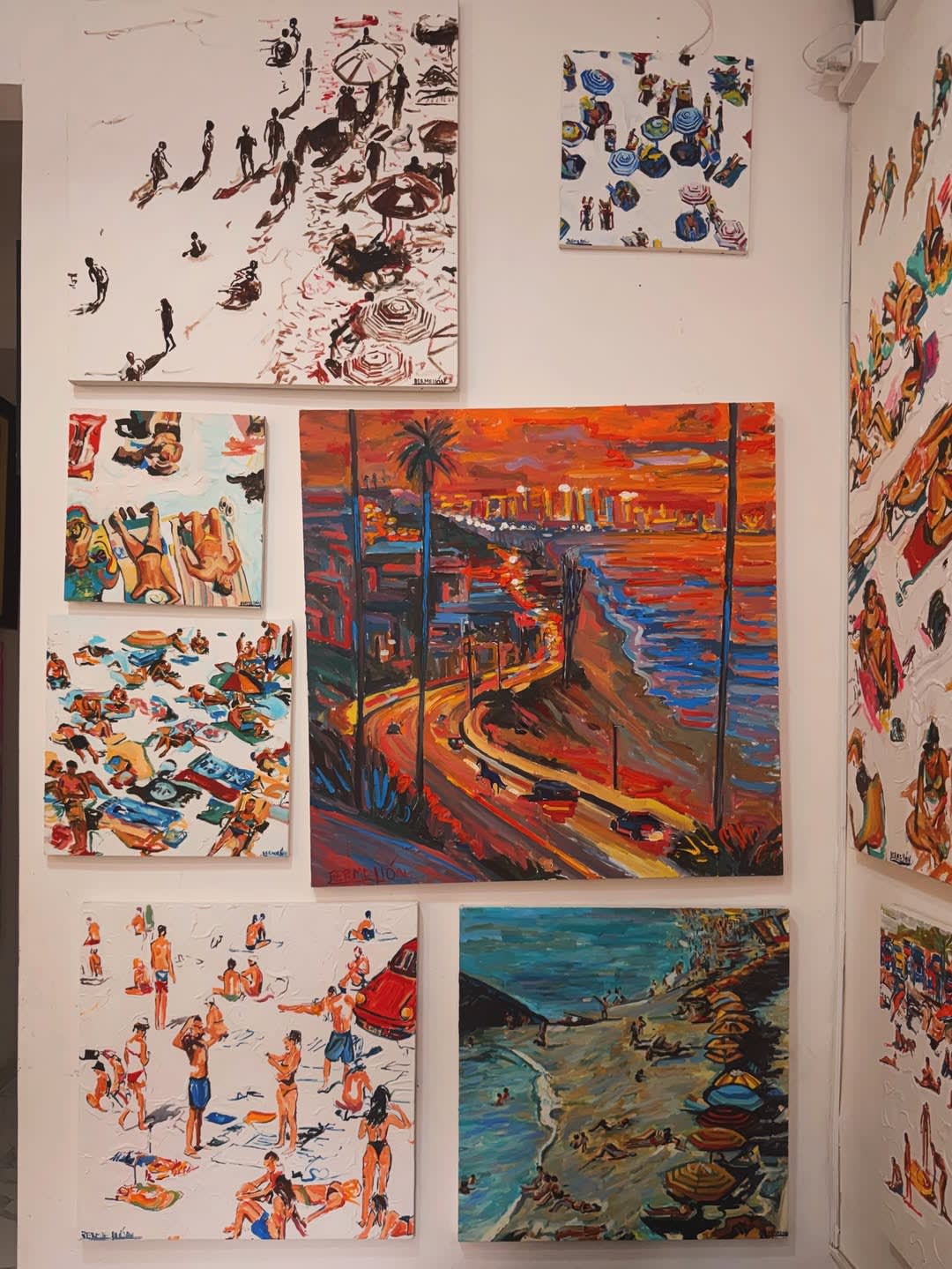
We brief the curator in advance on what our guests have already encountered in their Lima itinerary. Guests who have arranged the private fibre visit in Miraflores and the studio visit in Barranco arrive at Dédalo with a context — the vicuña and alpaca materials already felt, the contemporary art conversation already begun — that makes the objects at Dédalo a continuation rather than an introduction.
Expert Insight
"The question I most want guests to arrive with is the simplest one: 'why does this cost what it costs?' Not as a challenge — as a genuine question. Because the answer, for every single object in these rooms, is interesting. The ceramic's price includes the fuel cost of firing at high altitude, the maker's three years of technical training, and the decision not to use synthetic glaze. Once you understand what the price is made of, the object makes sense in a way that the price tag alone never achieves."
— Isabela Santos, Senior Travel Designer, KADA Travel
A Practical Note
Dédalo is on a Barranco street accessible on foot from the neighbourhood's main boulevard — the walk from the Bajada de los Baños takes less than ten minutes. The building's interior is not climate-controlled in the hotel sense; it is kept at the coastal temperature of Barranco, which is cool year-round but not cold. Comfortable clothing appropriate for a private morning visit is the correct preparation.
Guests who wish to purchase objects during the visit are welcome to do so, and we facilitate any conversation about shipping, insurance, or customs clearance for pieces travelling internationally. Several of the furniture makers offer commissions — pieces built to specific dimensions and wood species after the visit — with delivery timelines of six to ten weeks. For guests returning from Peru via Europe, the timeline typically aligns with the post-trip week when they are looking for reasons to extend the journey in memory.
Written by Kada Travel Editorial
Frequently Asked
Both, without pretending one is the other. The objects are for sale, and the rooms are curated as a gallery space. The distinction Dédalo makes is between craft-as-souvenir (available everywhere in Lima's tourist circuit) and craft-as-practice (available in very few places, of which this is one). Our visit is curated around the latter; what guests purchase, if they purchase, is their own decision.
Dédalo is open to the public during its standard hours, and guests can browse independently. The private morning visit with a curator is what we arrange — the difference is not access to the objects but access to the conversation about them, and the quiet of the building before the general public arrives.
Yes, though the visit tends to reward guests who have some prior interest in material culture — how things are made, where materials come from, what skill costs. Guests who arrived at Lima interested primarily in pre-Columbian history often find Dédalo the most coherent link between that history and contemporary Peru: the same traditions, in different hands, producing different objects for different purposes.
Yes, for ceramics and furniture specifically. Silver commissions depend on the maker's schedule. We facilitate the conversation and the logistics — communication during production, payment, international shipping — so that the commission does not require our guests to manage a cross-continental relationship from scratch.
Design Your Journey
Design your bespoke Peru journey
We talk. We listen. Then we design an itinerary that belongs only to you.
Start Planning