Destinations· 7 min read·16 February 2025
Why Stay in the Sacred Valley Rather Than in Cusco City
Six hundred metres less altitude, better sleep, real gardens — the geographical logic of the considered trip.
By Kada Travel Editorial
The most common error in the Peru itinerary —the one generating most headaches, literally— is staying in Cusco the first night. The Tawantinsuyo capital sits at 3,400 metres above sea level. Travellers landing in the morning after an international flight reach the Cusco hotel with their bodies still on Lima or Madrid time, and suffer altitude in the first twenty-four hours with greater intensity than necessary.
The Sacred Valley, sixty kilometres north and an hour by car, sits at 2,870 metres at its lowest part —Urubamba— and 2,792 in Ollantaytambo. Six hundred metres lower than Cusco. The difference, physiologically, is decisive: the valley feels like a reasonable transition from sea level; Cusco, like a sharp blow. This guide explains why we always recommend sleeping in the valley the first nights, and leaving Cusco for the end of the block.
The physiology, in figures
Air oxygen concentration is the same at any altitude (21%). What changes is barometric pressure: more altitude, less pressure, fewer oxygen molecules per breath. At sea level, pressure is 760 mmHg; in Cusco, 510 —33% less. In the Sacred Valley, 555 —27% less, meaning five to six per cent more oxygen per breath than in Cusco.
For the unacclimatised body, that difference is the line between nocturnal headache and normal sleep. Altitude-sickness symptoms —headache, nausea, fatigue, interrupted sleep— manifest in growing intensity between 2,500 and 3,500 metres. Below 3,000, most healthy adults have no problems. Above 3,500, symptoms are common even in fit people.
The Sacred Valley sits just on the good side of that line. Cusco, just on the bad. The objective, not aesthetic, reason we recommend sleeping in the valley.
The rest argument
Beyond altitude sickness, altitude affects sleep. At 3,400 metres, sleep is more superficial, with more nocturnal awakenings, less REM. The body takes three to four days to fully adapt. For travellers arriving from the coast with jet lag, those three to four days usually coincide with the entire Cusco block of the itinerary.
Staying in the valley solves the problem. The first nights —when the body still drags time-zone shift and adapts to altitude— pass at 2,800 metres, not 3,400. Deep sleep recovers. So does daytime energy. By the time travellers ascend to Cusco at the end of the block (after two to three valley nights), their bodies are already acclimatised and Cusco's altitude feels less.
The aesthetic argument
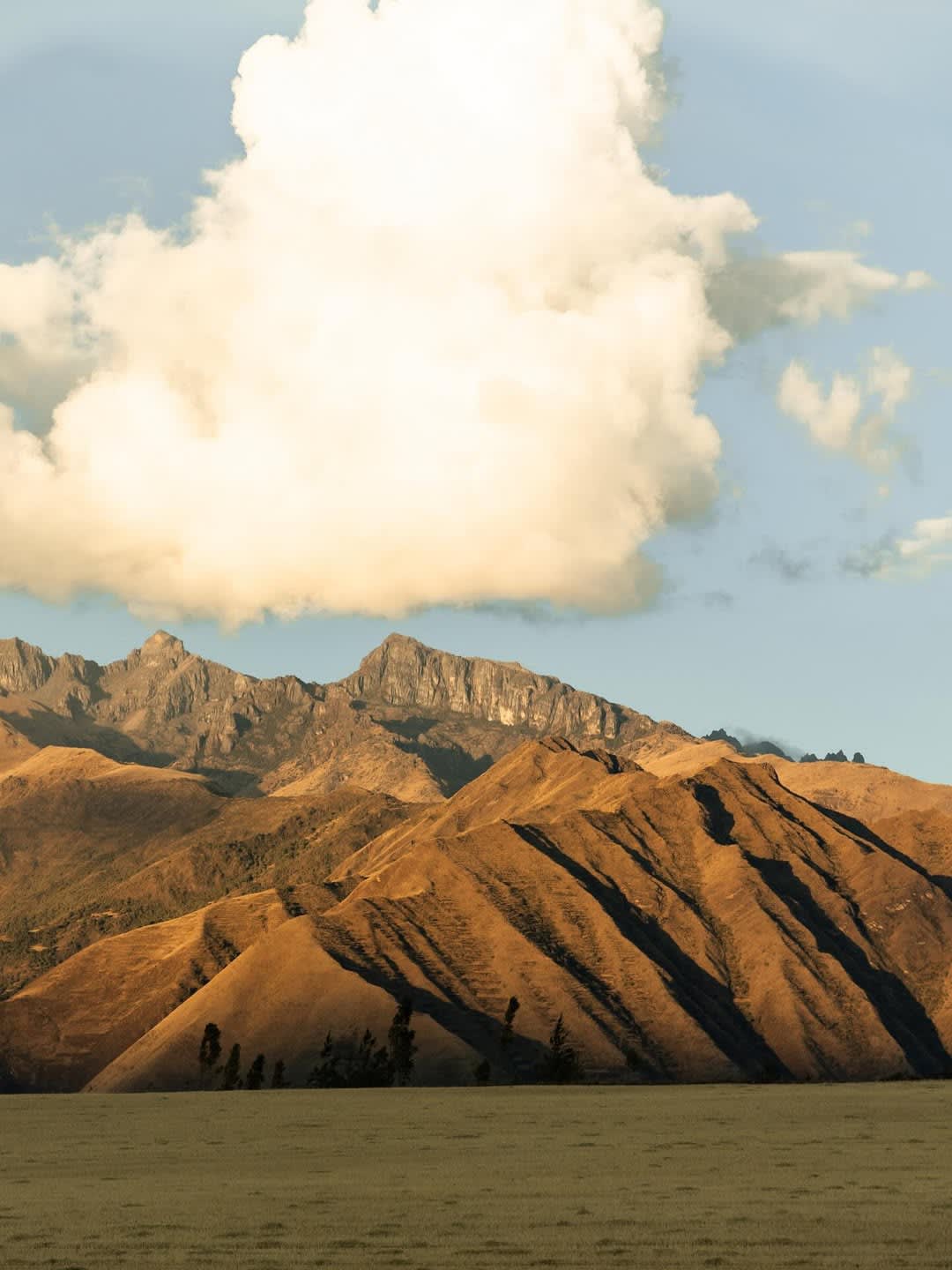
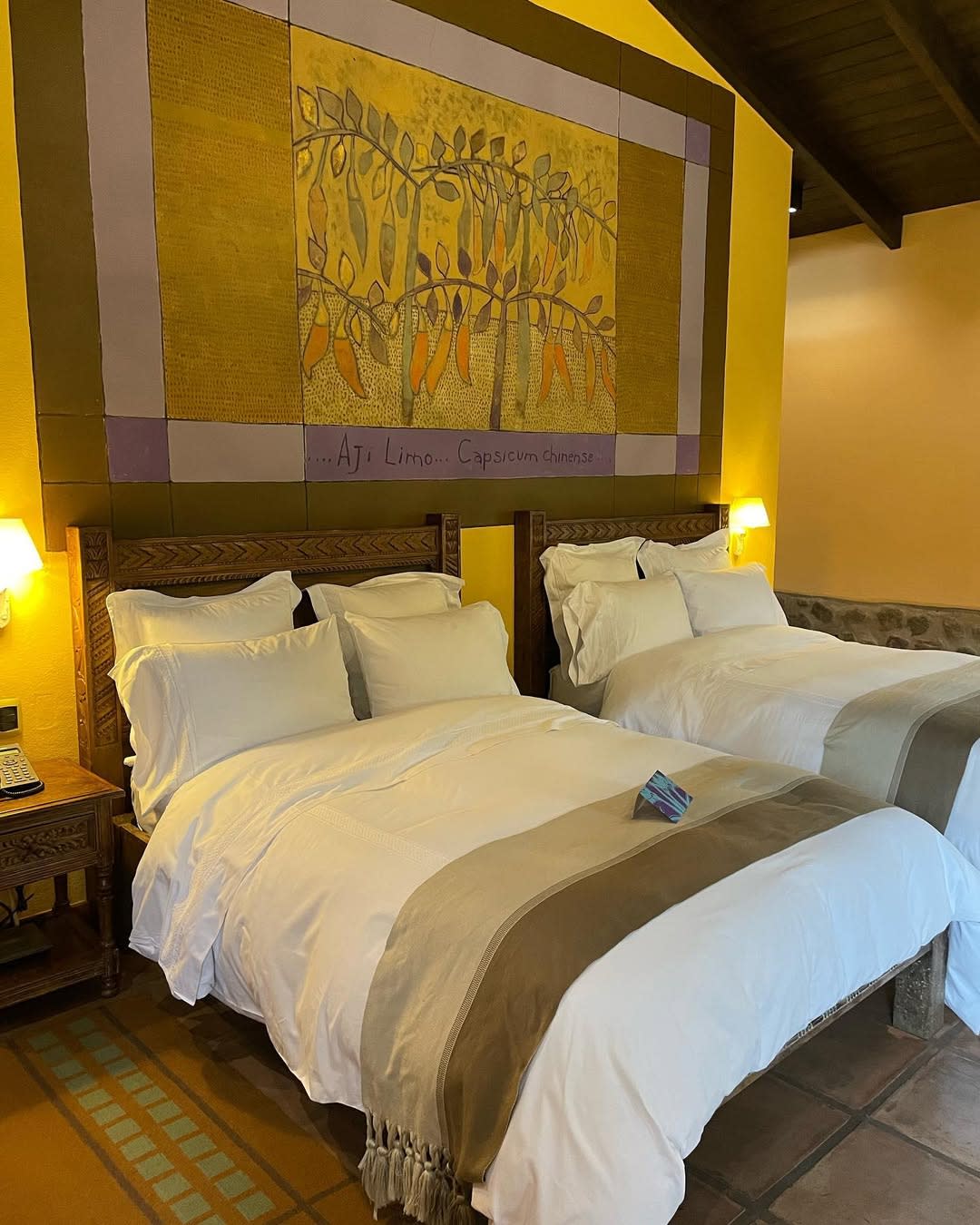
Cusco is city. Beautiful, ancient, dense in history. But city: traffic, noise, narrow streets, constant tourist presence. The Sacred Valley is landscape. Valley boutique hotels —Sol y Luna, Inkaterra Hacienda Urubamba, Tambo del Inka— occupy multi-hectare gardens, with views of six-thousand-metre mountains, no urban noise. The difference is atmospheric and felt from the first minute.
For honeymoon, retreats, time-rich trips, the valley wins without discussion. For urban experiences (museums, markets, top restaurants), Cusco wins. The formula we recommend: two to three valley nights at the start, one to two Cusco nights at the end, with day excursions to Cusco from the valley if visiting without relocating is preferred.
The logistical argument
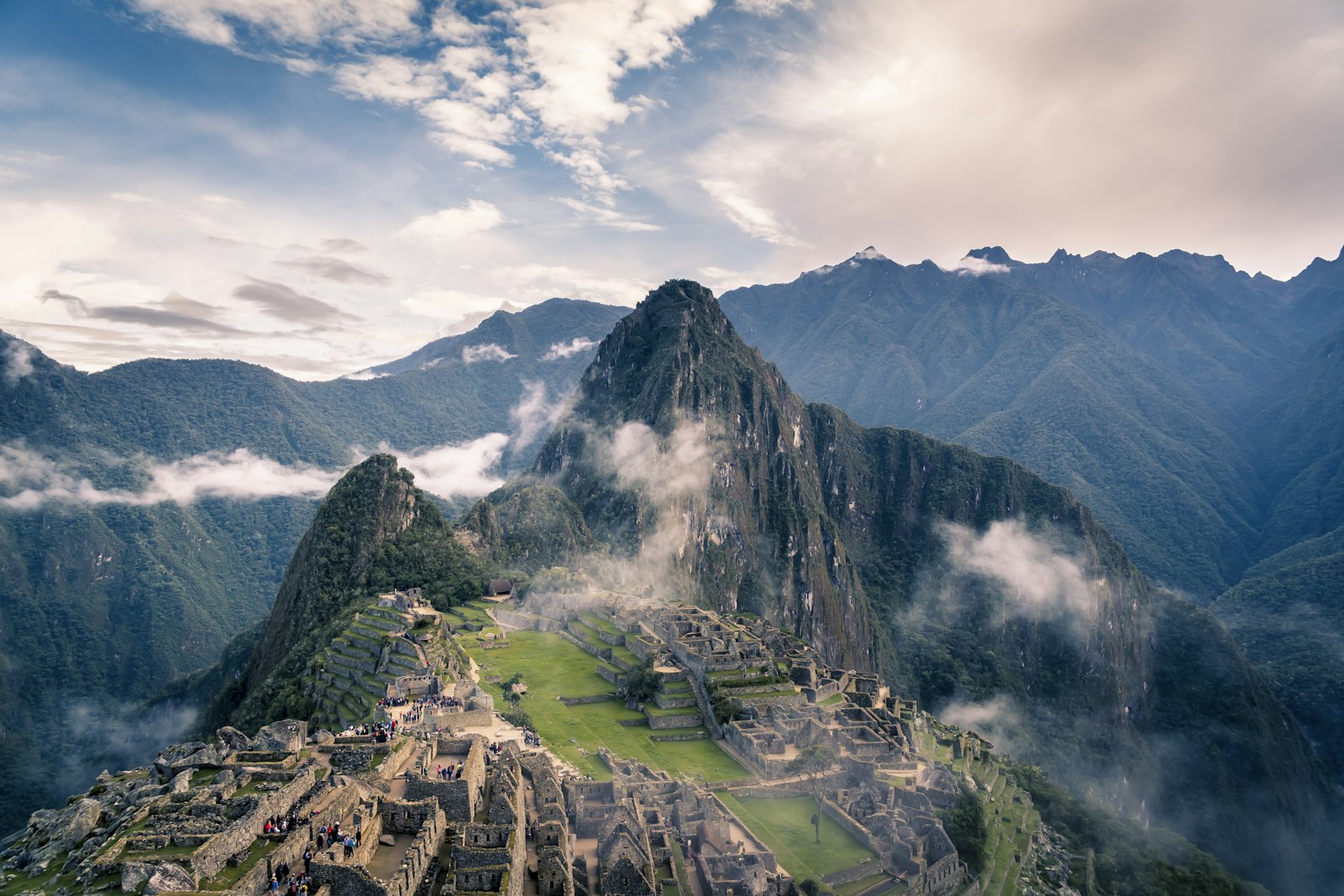
For Machu Picchu, the valley is the more practical base. The train to Aguas Calientes departs from Ollantaytambo (the valley's western end), not from Cusco. Leaving from Cusco means an hour and a half by car at dawn to the station; leaving from the valley, thirty minutes. The difference, on a day that already starts early, matters.
Similarly, valley excursions (Pisac, Maras, Moray, Chinchero) are all thirty to forty-five minutes from the valley hotel. From Cusco, the same excursions add an additional hour and a half each day. Across three to four days, that is six to eight extra hours of driving the valley-staying traveller does not do.
Cusco is the city. The Sacred Valley is the home. The difference between sleeping in one or the other reorganises the entire Peru trip —not just the Andean block.
Kada Travel
The formula we recommend
For the standard Peru traveller —ten to fourteen total days— the distribution that works best is this: one Cusco night on arrival (minimal, only passive acclimatisation with free afternoon and early dinner), three Sacred Valley nights, one Aguas Calientes night, one Cusco night at the end of the block. Total: six nights in the Andean block, with only two in Cusco —but all Cusco experiences accessible.
A valid variation: two Cusco nights at the end (one for rest, one for private urban experiences like dawn market and dinner in a huaca). This version works if the traveller has time and wants city experiences without sacrificing valley rest.
Another variation, less recommended: zero Cusco nights at the start, direct airport-to-valley transfer. Feasible (the drive is one hour, no stops, valley hotels receive at any hour), but you lose the first chance at urban acclimatisation Cusco gives. Recommended only for travellers with prior altitude experience or with late-arriving flights.
When Cusco wins
For travellers with three nights or fewer in the Andean block, Cusco as base may win: the concentration of urban activities (museums, markets, top restaurants) compensates the altitude discomfort. For returning Peru travellers and a week only on Cusco-Valley, the formula may invert: three to four Cusco nights with private urban experiences, two to three valley nights.
For travellers prioritising lower-traffic Saqsayhuamán access, Cusco wins as well: private dawn Saqsayhuamán visits require staying near the city, not in the valley. But these are exceptions. For the first Peru trip, the simple rule is: valley first, Cusco after.
Written by Kada Travel Editorial
Frequently Asked
One hour to Urubamba (Sol y Luna, Tambo del Inka), an hour and fifteen to Ollantaytambo (El Albergue), fifty minutes to Pisac (Aranwa). Private car, no stops. Hotels offer door-to-door transfer.
Yes. Urubamba 2,870, Ollantaytambo 2,792, Pisac 2,972. Cusco 3,400. The difference is 430 to 600 metres. Physiologically equivalent to 5-7% more oxygen per breath.
Definitely. Cusco is its own destination: historic centre, Coricancha, Saqsayhuamán, museums, gastronomy. We recommend one to two day excursions to Cusco from the valley, or one to two Cusco nights at the end of the block.
MIL Centro (Virgilio Martínez), El Albergue (Ollantaytambo), Hawa (Pisac), Mil Sabores (Pisac). Valley restaurants are not lesser than Cusco's; some —like MIL— are superior.
No. The natural formula is: last night in Cusco before the Lima flight. Valley-to-Cusco transfer is forty-five minutes to an hour, manageable the afternoon before the flight.
Technically yes —Cusco flight, direct transfer to valley, subsequent Aguas Calientes departure from valley, return to airport. But you lose the historic centre, Coricancha, San Pedro and urban experiences not replicated in the valley. We recommend skipping Cusco only for travellers who already know the city.
Design Your Journey
Design your bespoke Peru journey
We talk. We listen. Then we design an itinerary that belongs only to you.
Start Planning