Unfolded· 7 min read·8 July 2026
MALI with a Curator
A private walk through Lima's most complete art museum — the collection organised around your questions, not the institution's.
By Kada Travel Editorial
The Museo de Arte de Lima holds 18,000 works and three thousand years of Peruvian art history in a neoclassical palace that was built for a single national exhibition and outlasted the empire that commissioned it. The standard visit allocates ninety minutes and a printed map. The private visit we arrange allocates a curator — someone whose professional work is the wall labels and catalogue essays the public reads without knowing who wrote them — and organises the collection entirely around what our guests actually want to understand.
These are different experiences in kind, not only in duration.
The Building and What It Contains
The Palacio de la Exposición was built in 1872 for Peru's International Exhibition — a national showcase modelled on the great exhibitions of London and Paris, held in a park that Lima has been calling the Parque de la Exposición ever since. The architect was Italian, the stone was local, and the ambition was explicitly viceregal: a building that demonstrated that Lima could produce the same neoclassical grammar as the European capitals it was performing for. The exhibition lasted one season. The building has remained.
MALI — the Museo de Arte de Lima, which occupies the palace — holds its 18,000 pieces in a collection that spans the full arc of Peruvian visual culture: pre-Columbian ceramics and textiles; the colonial baroque that Spanish priests commissioned from indigenous artists who encoded their own cosmology into the Virgin's robe; the republican portraits of Lima's nineteenth-century families; the twentieth-century indigenismo movement that deliberately turned Peruvian art's face away from Europe and toward the Andes; photography; and the contemporary Peruvian voices that are currently generating the most critical attention in international galleries.
Each of these periods requires a different vocabulary to read. The colonial baroque requires knowing what the patron wanted and what the painter produced instead — the two are rarely identical. The indigenismo works require the political history of the 1920s and 1930s, the ideological argument about what it meant to paint an indigenous Andean face at a moment when Peru's criollo elite still ran the country. The contemporary works require the specific genealogy of influence — which artists trained where, which movements they are extending or arguing against. A curator provides all three vocabularies, organised around the period that matters most to the guest.
The Route Through the Collection
The private walk is not a tour of the entire museum. It is a deliberate route — agreed in advance — that spends serious time in the sections that are most relevant to our guests' specific interests, and moves quickly through the rest.
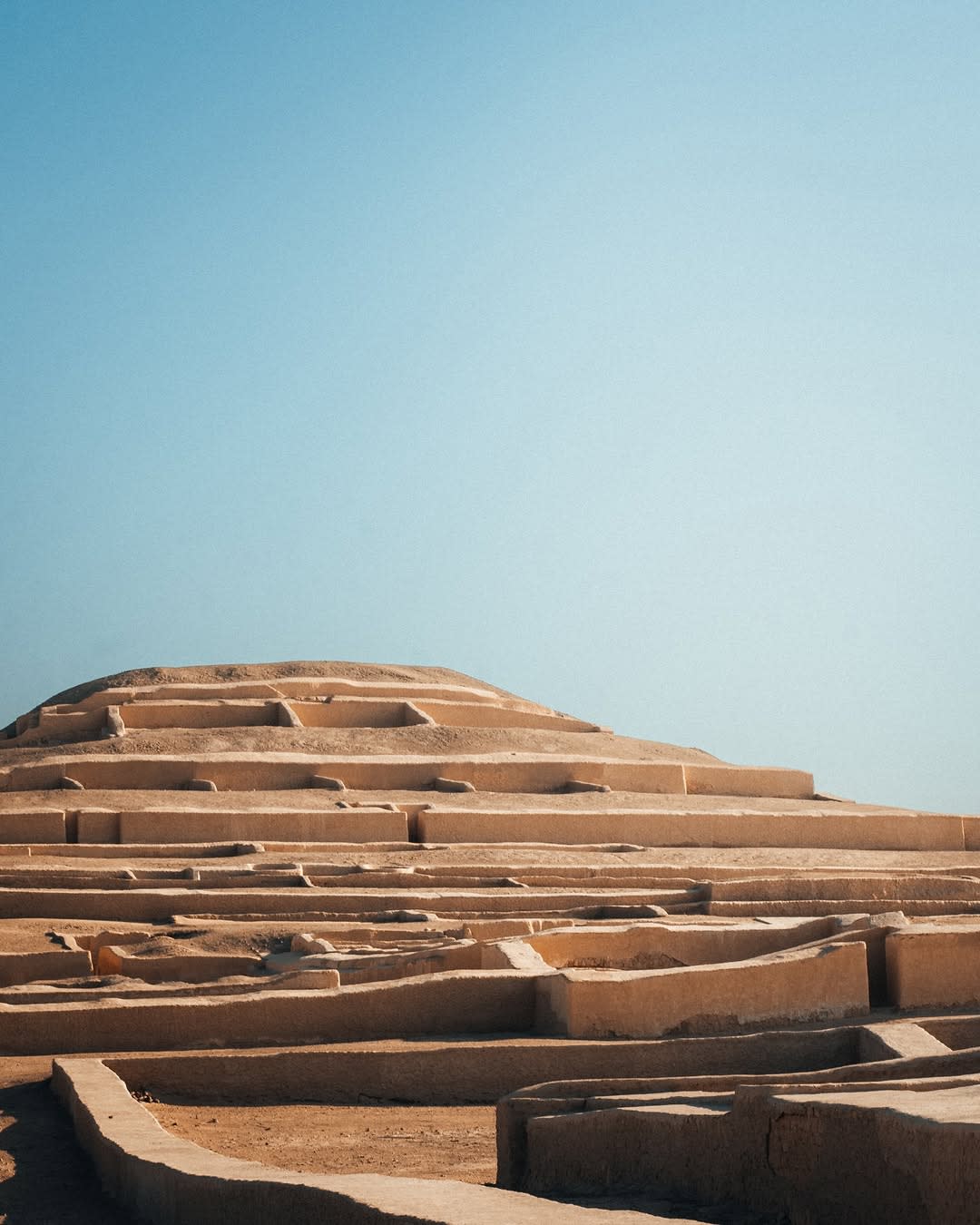
For guests whose primary interest is pre-Columbian culture — arriving at MALI after Pachacamac or after an evening at the Larco — the curators focus on the ceramics collection and the textile archive: the Nazca polychrome pots with their eight-colour slip work; the Chancay gauze pieces that are so finely woven they appear screen-printed; the Wari tapestries whose colour combinations have not been reproduced in mechanical weaving. These are works that connect the archaeological sites to the aesthetic intelligence behind them, and the curator's framing makes that connection precise rather than atmospheric.
For guests whose interest centres on the colonial period, the route moves through the baroque painting collection — Lima School canvases from the seventeenth and eighteenth centuries, a tradition produced by indigenous and mestizo artists working from Spanish iconographic programmes and adjusting them, with remarkable subtlety, to include Andean botanical and cosmological elements. The Virgin who holds chirimoya leaves. The Christ figure whose skin tone shifts depending on the light source. These details are present in the paintings and absent from the labels; the curator is how they become visible.
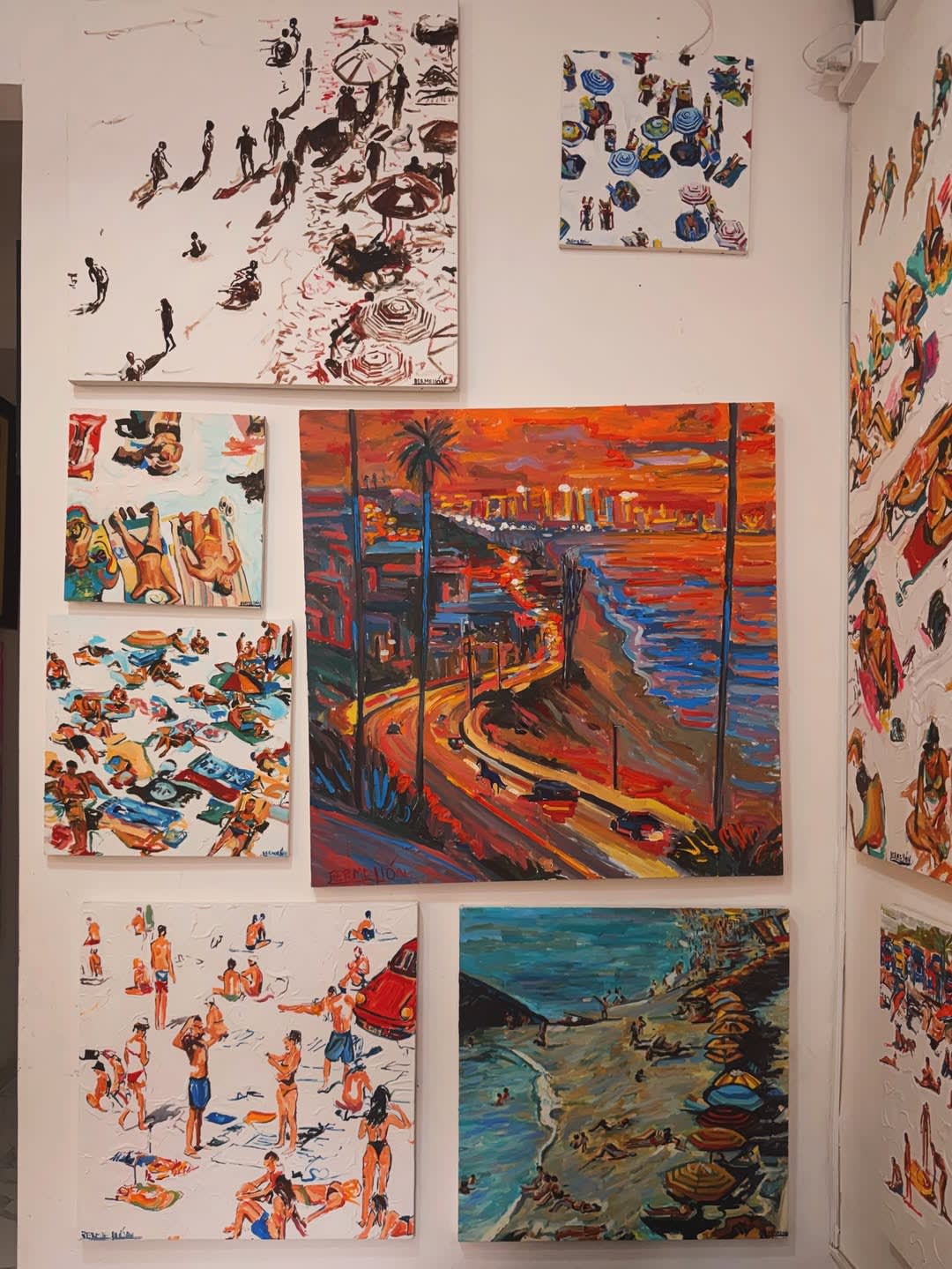
For guests with a specific interest in contemporary Peruvian art — those who have also arranged the studio visit in Barranco — the route begins at the twentieth-century indigenismo works and moves forward chronologically into the collection's contemporary holdings: the artists who emerged from Peru's post-Shining Path cultural recovery, whose work processes the violence and isolation of the 1980s and 1990s through visual strategies that the international market is only beginning to contextualise.
The Salón Prado
The private walk closes in the Salón Prado.
The Salón Prado is not on the standard visitor map. It is a room within the Palacio de la Exposición that MALI uses for events and private functions — a high-ceilinged formal salon with the proportions of the 1872 building and a particular quality of silence that the public galleries, with their ambient audio guides and organised groups, do not produce. Access requires prior arrangement through the museum, which we secure as part of the visit.
Champagne is served at a table in the Salón while the curator continues the conversation begun in the galleries — but at the pace the room allows, which is different from the pace a gallery route allows. This is where the specific questions arrive: the ones that require a longer answer than a guided stop permits, the ones about what it means to conserve a pre-Columbian textile in a coastal climate, the ones about what the curator's own research is currently pursuing. The room is quiet enough to hear them properly.
What Kada Arranges
The MALI visit is a formal programme of the museum — private visits with curatorial staff and access to the Salón Prado are available through prior institutional arrangement. We coordinate the visit as part of a Lima itinerary, briefing the curator in advance on our guests' specific areas of interest so the route is built accordingly rather than defaulted to a standard walk.
Where relevant, we also arrange access to the conservation department — the working laboratory where MALI's conservation staff treat damaged ceramics, stabilise textiles, and conduct ongoing research into the specific chemical signatures of pre-Columbian pigments. This access is not standard even on private visits and requires additional coordination; we request it for guests with professional backgrounds in conservation, archaeology, or material culture for whom the technical dimension of the collection is as interesting as the aesthetic one.
For guests building a Lima art itinerary across several days, the MALI visit pairs specifically with the Larco at night and the studio visit in Barranco: three different registers of Peruvian visual culture — archive, institution, living practice — that together produce a coherent argument about what this city has been making.
Expert Insight
"The thing that changes in a private visit is not the objects — it's the pace. In the colonial gallery with a standard tour, you get four minutes at a painting that took a year to make and contains twenty decisions worth examining. With a curator and no one behind you, you can stand there for twenty minutes, and by minute fifteen something in the painting opens that was not visible before. That's what the private visit is actually selling: the time to look properly."
— Isabela Santos, Senior Travel Designer, KADA Travel
A Practical Note
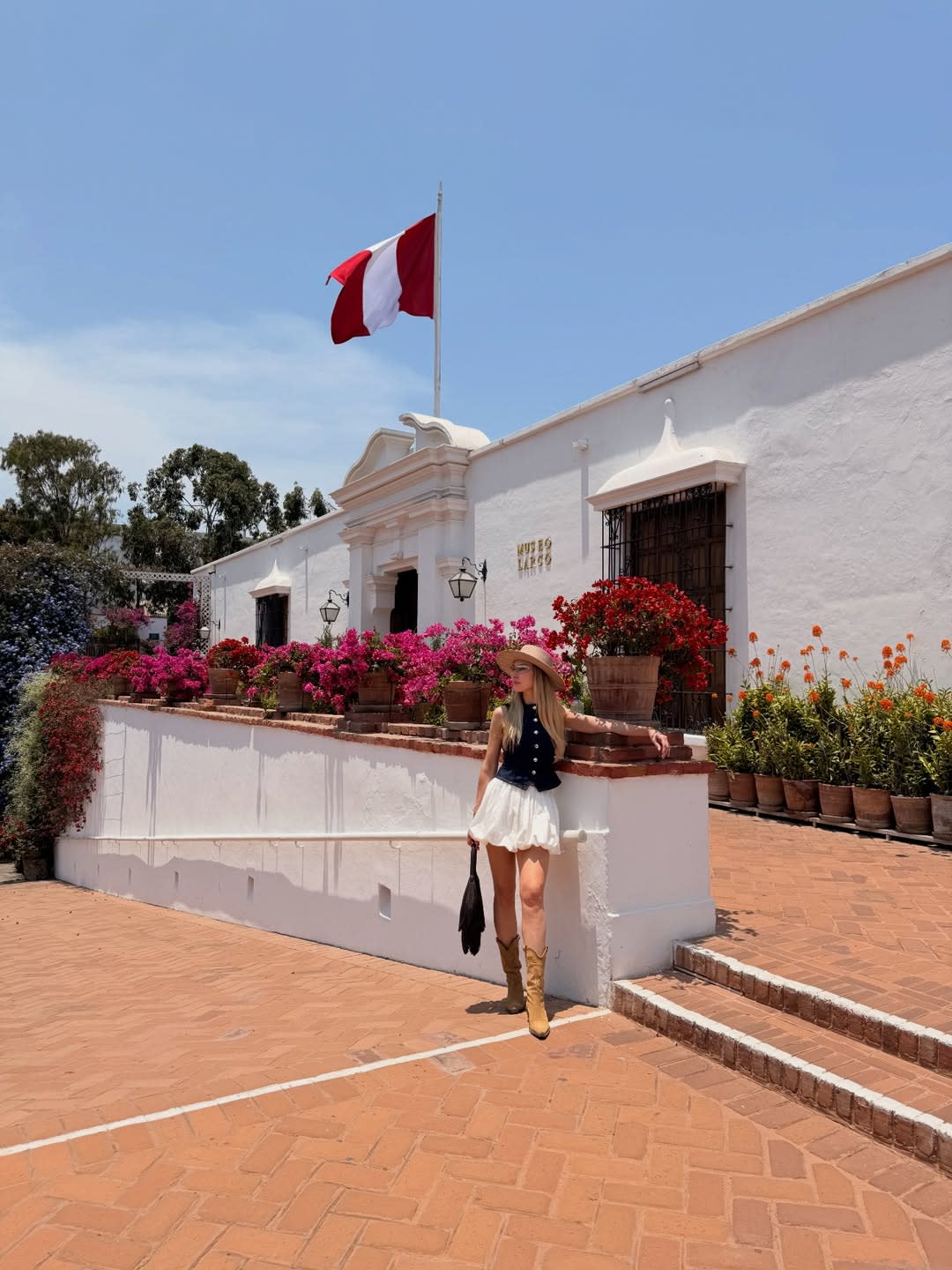
The Parque de la Exposición, where MALI is located, is a working public park in the Pueblo Libre district of central Lima — not the manicured garden of a tourist zone, but a functioning city park with families, students, and the ambient noise of a Lima afternoon. The contrast between the park and the interior of the Palacio de la Exposición — cool stone, high ceilings, the particular quiet of a large building that has been doing the same thing for a hundred and fifty years — is part of arriving at the museum. We recommend arriving on foot from the Metropolitano bus station at Plaza Grau rather than by taxi: the ten-minute walk through the park is how the building's scale first becomes apparent.
The private visit runs approximately two and a half hours including the Salón Prado session. We position it either in the mid-morning, before the museum's group visits begin, or in the late afternoon, when the light through the Palacio's western windows is at its most useful.
Written by Kada Travel Editorial
Frequently Asked
We brief the curator in advance with our guests' specific areas of interest. If a guest has strong interest in the colonial baroque and none in contemporary art, the route allocates ninety minutes to the former and moves quickly through the latter. If their primary interest is the twentieth-century indigenismo movement and how it connects to the Andes, the route builds around that. The conversation about priorities happens when we are designing the Lima itinerary, not at the museum entrance.
Yes, by prior arrangement. We request this specifically when our guests have a professional or research-level interest in the material dimension of the collection — conservation science, textile archaeology, pigment analysis, ceramic restoration. It is not standard even on private visits, and we do not request it for guests whose interest is primarily aesthetic. When it is appropriate, it is among the most unusual access the city offers.
Yes. The MALI visit works as a cultural history session rather than an art appreciation one. Guests who come for the colonial history, for the pre-Columbian material connection to Pachacamac or the Larco, or for the political history of the indigenismo movement consistently find it more rewarding than they expected. The objects are a medium, not a destination.
At least three weeks, and preferably when we are designing the Lima itinerary. The curator's availability, the Salón Prado access, and the conservation department visit (where applicable) each require separate institutional confirmation. We do not arrange same-week private visits to MALI.
Design Your Journey
Design your bespoke Peru journey
We talk. We listen. Then we design an itinerary that belongs only to you.
Start Planning