Destinations· 9 min read·18 January 2025
What to Do in Cusco Beyond Machu Picchu
Saqsayhuamán, the Coricancha, the South Valley villages and the Cusco that deserves its own days.
By Kada Travel Editorial
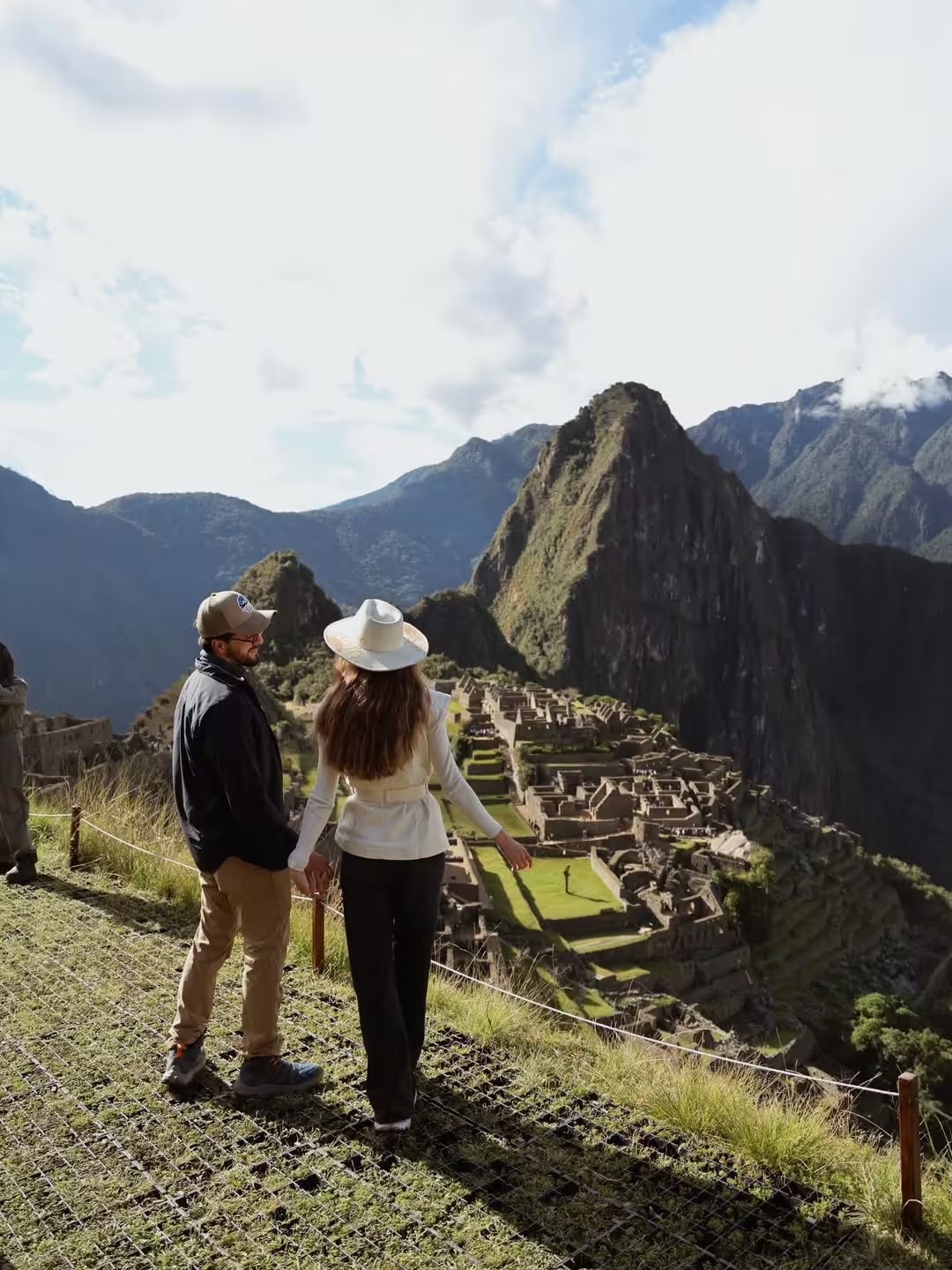
There is a way of looking at Cusco that turns it into a stopover before Machu Picchu: that of someone who lands Monday, rests Tuesday, leaves Wednesday for Aguas Calientes and flies to Lima Thursday. Total: two nights and a constant rush against altitude. The version standard itineraries promote and the one we lose most by recommending. Cusco deserves three days of its own, and this guide proposes how to build them.
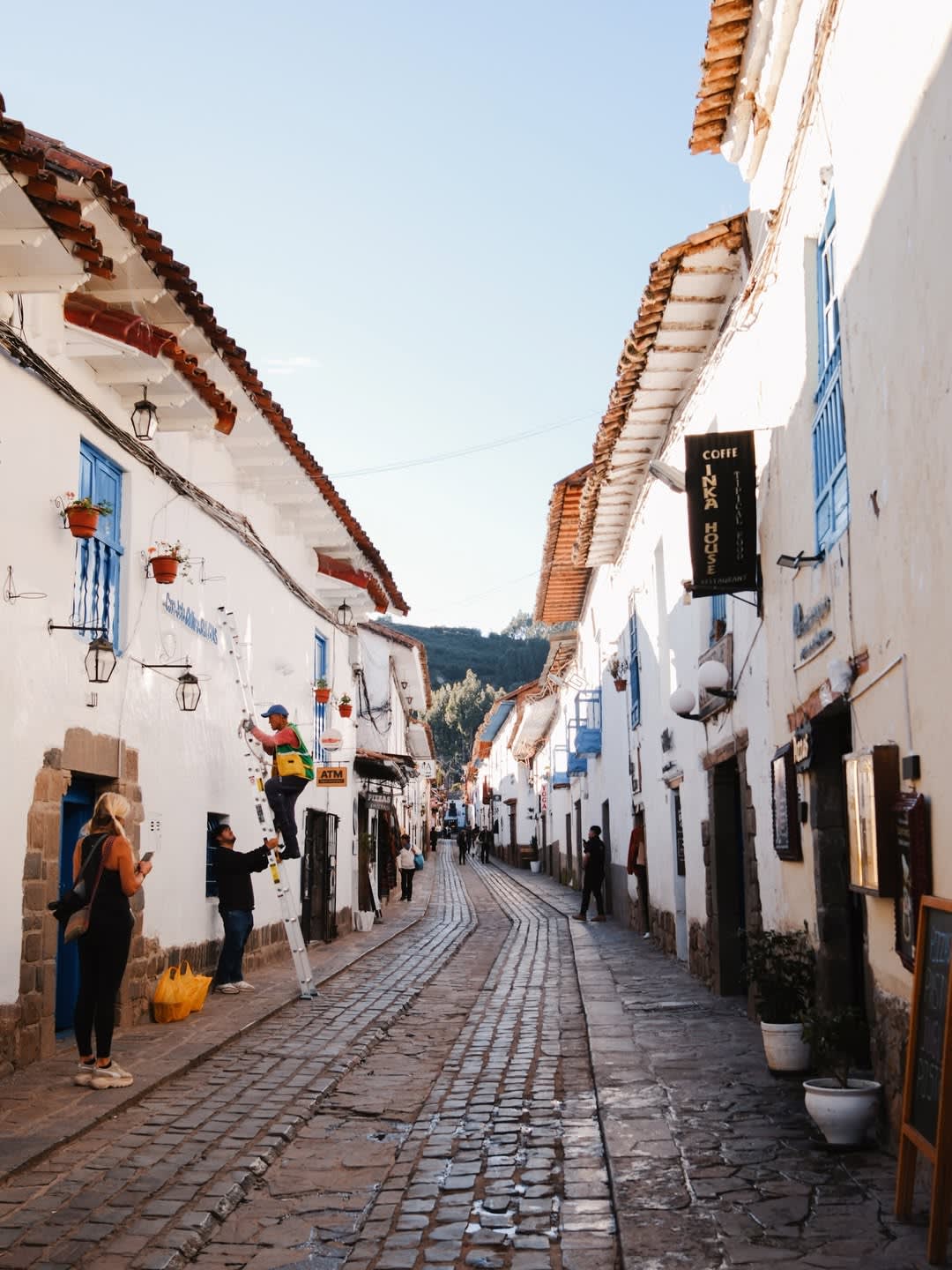
The argument is geographical and cultural. Cusco is the only city in Peru —and possibly in South America— where you walk on six centuries of continuous history. Every street in the centre has Inca foundations. Every colonial church sits atop a pre-Hispanic temple. The archaeological density exceeds that of any Latin American colonial city, Mexico included. Skipping this reading to rush to Machu Picchu is, in editorial terms, reading the last page of the book without reading the previous chapters.
The four Inca sites in the surroundings
Saqsayhuamán, Tambomachay, Qenqo and Puca Pucara form the so-called "upper circuit" of Cusco. The four are fifteen minutes by car from the centre and visited in a full morning or afternoon, depending on weather.
Saqsayhuamán is the most impressive complex. Three zigzagging walls of megalithic stones —some 120 tons, fitted without mortar to millimetric tolerance— built by the Incas in the fifteenth century atop earlier fortresses. Exact function still debated: defensive (as Spanish chronicler Garcilaso de la Vega held), ceremonial (Salazar, Pizarro), or both. A ninety-minute archaeological-guide visit orders the reading.
Tambomachay, fifteen minutes higher up, was the Inca bathhouse: four fountains of sacred water still flowing, fed by a spring the Incas channelled with hydraulic precision. Small but very photogenic. Twenty minutes.
Qenqo —"zigzag" in Quechua— is a subterranean temple carved into natural volcanic rock. Stairs down to the interior, ceremonial chamber with stone altars, exit through tunnels. Thirty minutes.
Puca Pucara —"red fortress", for the stone's sunset colour— was the fortress-checkpoint on the Inca road to Pisac. Thirty minutes.
The four are visited with the Cusco tourist ticket (USD 38, valid ten days, also covering the Sacred Valley). We recommend private car with guide, not group tour: group tours spend twenty minutes at each and cover all four in four hours; privately, four hours can become five with lunch en route.
The centre: from Coricancha to the Cathedral
The historic centre is walked in a morning, but a professional guide changes the reading. We always recommend a three-hour private tour with archaeology specialist.
The Coricancha —the Inca Sun Temple, Tawantinsuyo's most sacred sanctuary, partially preserved beneath the sixteenth-century Dominican convent— is the first stop. Façade is colonial; inner base is Inca, with perfectly fitted granite walls. The room of the planets, the room of the rays, the sacred fountain. Forty-five minutes with guide.
The Cusco Cathedral, atop Kiswar Kancha (the temple of Inca Wiracocha), is colonial South America's largest. Its Lord of the Earthquakes —processed annually since the 1650 earthquake— is Peru's most venerated religious image. The Cuzco mestizo-school painting, with its blend of Christian and Indigenous iconography (the Last Supper with cuy and chicha, El Greco with Indigenous faces), is a unique example in viceregal South American art. One hour.
Loreto Street —the alley beside the Cathedral— preserves Cusco's most perfect Inca wall: 118 linear metres of grey granite blocks fitted without mortar. The famous "twelve-angled stone" sits at the corner. The street is the best visual introduction to Inca engineering. Fifteen minutes.
The Museum of Pre-Columbian Art (MAP), three blocks from the Plaza de Armas, is the best condensed version of the Larco collection. Small rooms, curated pieces, cinematic lighting. Forty-five minutes.

The South Valley: the other route
Almost nobody does the South Valley. And almost everybody should. Four sites south of Cusco, in a one-day private-car route, complete the valley's archaeological reading.
Tipón, thirty minutes south, is the empire's most sophisticated agricultural site. Twelve terraces with still-functional underground irrigation, ceremonial fountains, medicinal-herb gardens. An hour and a half.
Pikillaqta, fifty minutes south, is Cusco's only preserved pre-Inca city: the administrative centre of the Wari culture, four hundred years before the Incas. Walled city with orthogonal streets, grain stores, temples. Occupied and later incorporated by the Incas in the twelfth century. One hour.
Andahuaylillas, an hour south of Cusco, holds the church known as the "Sistine Chapel of the Andes": seventeenth-century baroque mural painting on every temple surface, layered combining Christian and Indigenous iconography. Recently restored, open to public with forty-minute guided visit. The most complete example of viceregal Cusco painting in its original context.
The full South Valley is done in a day: nine AM departure, lunch at La Casa de Pinkuylluna in Andahuaylillas, return to Cusco by afternoon. We recommend this excursion for day three of the Cusco block, before going up to the Sacred Valley.
Cusco is not understood by reading only the centre. The Tawantinsuyo capital is completed by its peripheries —Saqsayhuamán above, Tipón below, the Wari a thousand years earlier.
Kada Travel
The private cultural experiences
Three private cultural experiences justify an extra Cusco night.
San Pedro Market at dawn, mentioned in other guides. The difference between five thirty AM —when produce arrives and stalls go up— and nine —when tour groups take over— is radical. An hour with chef Florencia Aragón followed by lunch at her home turns a quick-visit market into a lesson in Andean cooking.
Private visit to a master weaver's workshop in Chinchero or Patabamba, Quechua communities an hour from Cusco. Masters still spin by hand, dye with plants and cochineal, and weave patterns that codify Andean mythology. Two hours with a master, buying directly from the producer (prices are a tenth of tourist-shop ones).
Private dinner at the Coricancha or Saqsayhuamán, coordinated by Kada under special Ministry of Culture permit. Cusco's most exclusive experience, mentioned in the hotels guide. Torch light, table for few, private chefs of the Valley.
How to build three days
Day one: acclimatisation. Hotel arrival, coca tea, rest until four, short walk on the Plaza de Armas, early dinner at Cicciolina or Map Café. No tour, no pretension.
Day two: private historic centre in the morning (Coricancha, Cathedral, Loreto Street, MAP), lunch at Marcelo Batata, afternoon at the surrounding Inca sites (Saqsayhuamán prioritised), sunset in San Cristóbal with city view, dinner at Map Café.
Day three: full South Valley with private car (Tipón, Pikillaqta, Andahuaylillas), lunch en route, afternoon return. Private hotel dinner.
Travellers with four nights add: day four, San Pedro Market at dawn, lunch at MIL Centro (includes Sacred Valley transfer), continuation to the valley hotel. The complete version: the Peru traveller already understands half of Cusco before boarding the train to Machu Picchu.
Written by Kada Travel Editorial
Frequently Asked
Minimum two nights (one for acclimatisation, one for historic centre). Optimal three (add South Valley). For the returning traveller, four to five nights with private experiences.
Yes. USD 38, valid ten days, grants access to 16 sites between Cusco city, surroundings and Sacred Valley. Saqsayhuamán alone costs USD 22; the ticket pays from the first visit.
Morning, until eleven. After eleven the sun is strong (radiation at 3,400m), groups fill the churches, and Inca-wall light flattens. Best archaeological light is between 8 and 10:30 AM.
For Saqsayhuamán and the Coricancha, yes, indispensable. The difference between a general guide and one with archaeological training is radical: the first recites dates, the second explains construction techniques, ceremonial function, and current academic hypotheses.
For lovers of viceregal art, absolutely. For general travellers, worth a forty-minute visit within a South Valley tour. As an isolated visit, it does not compensate the one-hour drive.
Three nights Cusco-Sacred Valley, one Aguas Calientes, one Cusco return. The usual distribution: one Cusco night at start (acclimatisation), two Sacred Valley, one Aguas Calientes, one Cusco return at the end.
Design Your Journey
Design your bespoke Peru journey
We talk. We listen. Then we design an itinerary that belongs only to you.
Start Planning