Unfolded· 7 min read·14 July 2026
The Long Table in the Valley
A private dinner at one of the Sacred Valley's colonial haciendas — where the setting is four centuries of Andean land history, the menu is Kada's own design, and the evening has nothing to do with the hotel dining room.
By Kada Travel Editorial
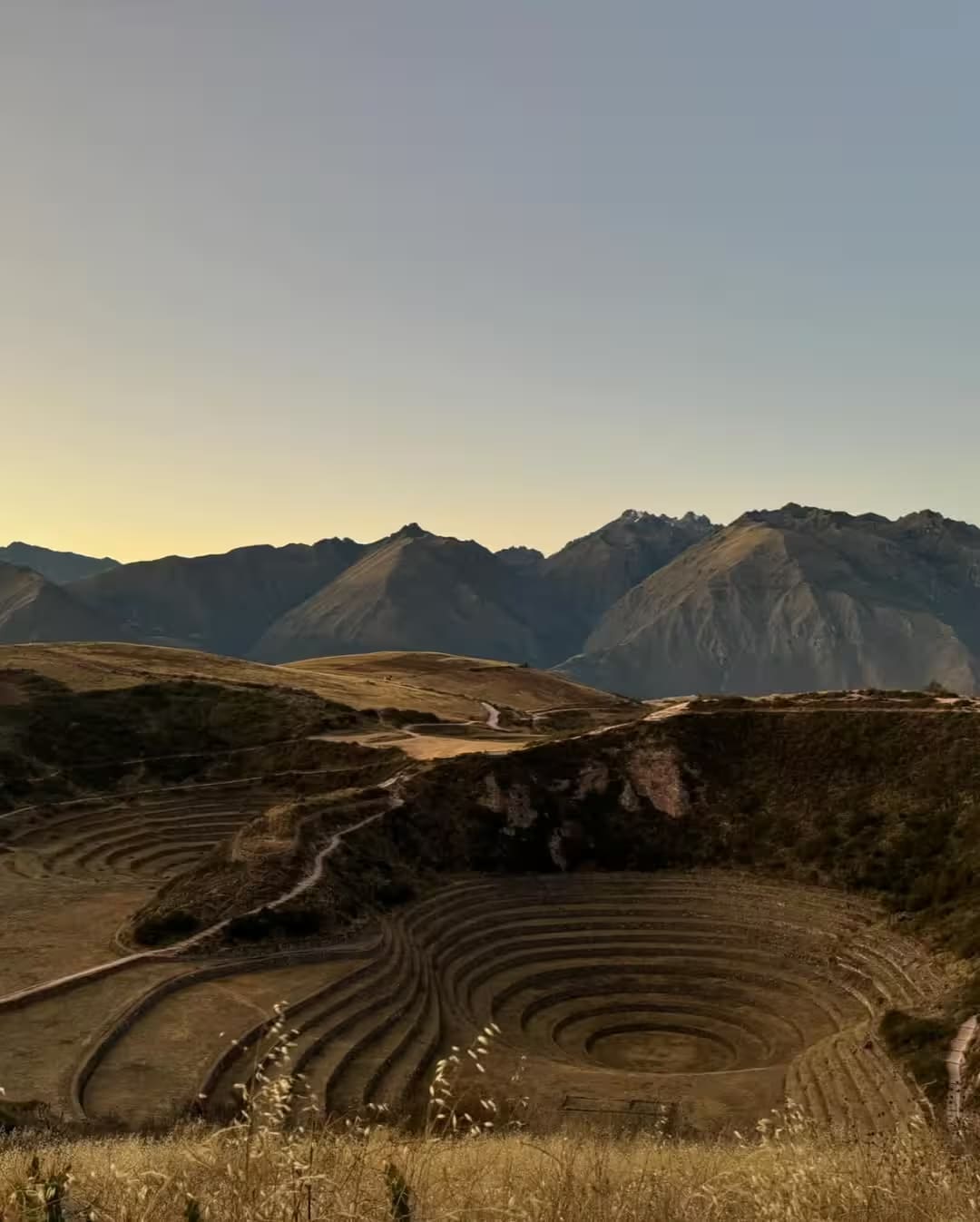
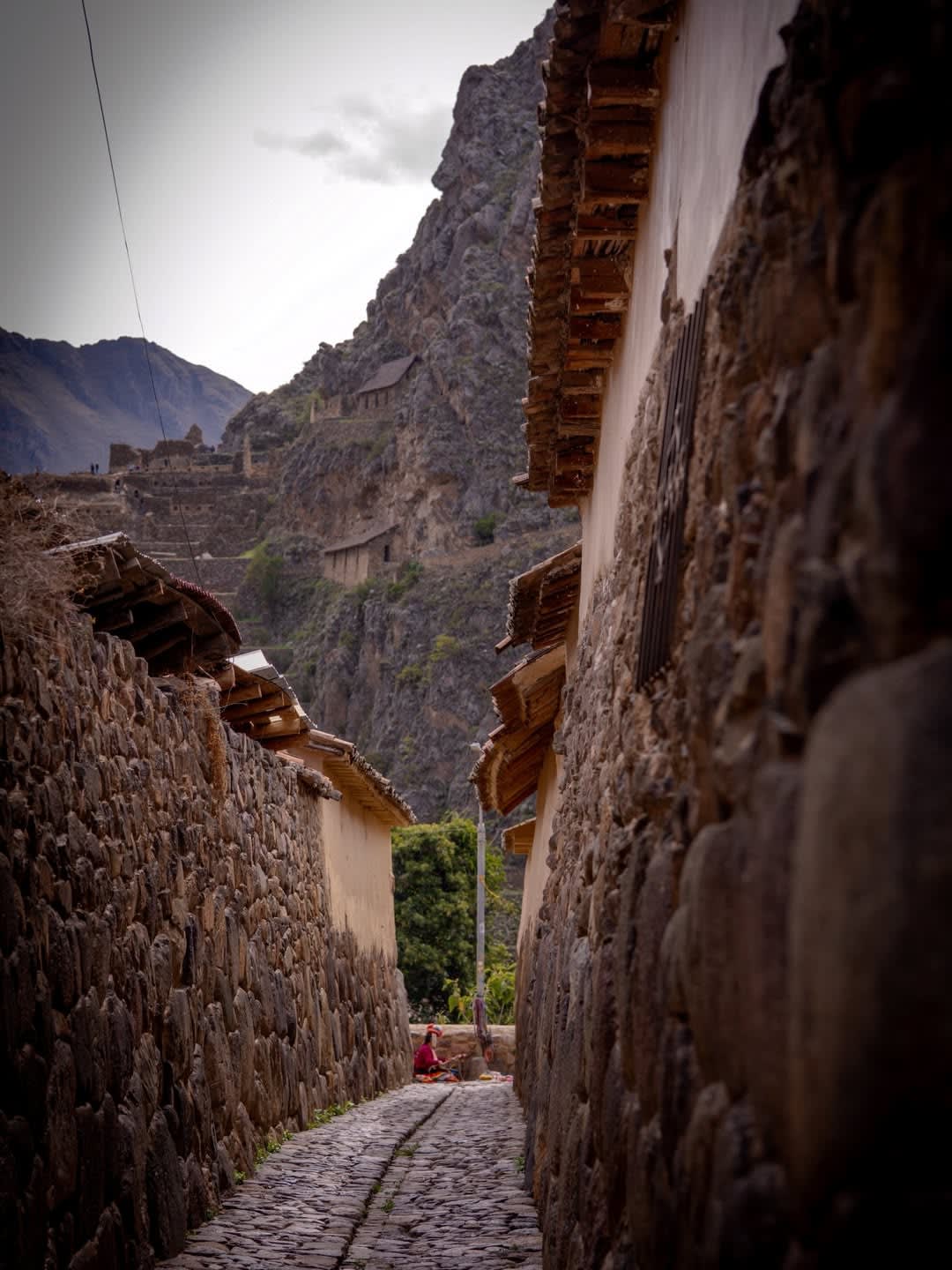
The Sacred Valley's haciendas are not hotels that happened to be built in a beautiful valley. They are the successors to the colonial land-grant system that organised this territory for three centuries after 1532 — the encomienda and hacienda structures that converted Inca agricultural installations into Spanish agricultural estates, working the same land with the same Andean communities under a different hierarchy. The stone buildings of Sol y Luna, of Inkaterra Hacienda Urubamba, of Hacienda Huayoccari above Urubamba carry the physical memory of that history in their walls: Inca foundations at the base, colonial adobe above, twentieth-century restoration at the roof. The gardens they contain have been worked continuously since before any European knew this valley existed.
When Kada arranges a private dinner at one of these properties, we are using the venue as it should be used: as an architecture for an evening. The hacienda provides the setting. The dinner is ours.
This distinction is not a marketing claim. It is the practical description of how the meal is designed and executed. The menu is not the hotel's standard dinner programme with better wine. It is a menu developed specifically for this group on this evening, drawing on the specific produce available in the Sacred Valley in the season of the visit, designed with a chef selected for their knowledge of this ingredient base. The table — the cloth, the vessels, the Cusqueño textile runners, the candleholders — is physically set by our own team. The wine is Peruvian, selected for the specific menu. The chicha de jora that opens the evening is from a local producer we know. These are decisions, not defaults.
The Properties
Sol y Luna is the most intimate of the main valley haciendas in its relationship between built structure and garden. The casitas and the main building sit within a garden that has been planted and maintained with personal attention over decades, and the outdoor spaces — the terrace facing the mountain, the section of lawn enclosed by low stone walls — offer dining settings that are, in the dry season, among the most naturally composed in the valley. The property is managed by a Belgian family whose investment in the kitchen garden and the cooking programme is their own rather than delegated to a hotel group's food and beverage formula. For a dinner of two to six guests in a garden setting, Sol y Luna provides a scale and intimacy that larger properties cannot replicate.
Inkaterra Hacienda Urubamba occupies a larger property at a point in the valley where the surrounding Inca agricultural terraces are visible in most directions. The building is the restored colonial hacienda structure with terracing visible above; the working kitchen garden on the property produces a portion of what the kitchen uses, and the position of the main terrace at the junction of the garden and the agricultural land gives dinner in that space an argument about provenance that most fine-dining settings cannot make. For groups of six to twelve, and for occasions when the agricultural landscape should be visually present during the meal, Inkaterra provides the right frame.
Hacienda Huayoccari is a private property in the hills above Urubamba — not a commercial hotel but a hacienda that has been in the same family for generations and is available for private events through a long-standing relationship with Kada. The collection of colonial and pre-Columbian objects that furnishes the house is a serious one; the table set in the main sala or on the upper terrace commands a view of the valley that is, in the late afternoon light, among the most considered in the region. Huayoccari is not publicly listed for events; access is through our arrangements with the family. For guests who want the experience of dining in a private home rather than a hospitality venue, it is the only option in the valley that genuinely provides it.
The choice of property for a specific dinner depends on the group's itinerary, the size of the group, and what we know about what each property can provide on the date in question. We make a recommendation rather than presenting a list of equivalent options.
The Dinner
Menu development begins two to three weeks before the visit. The starting point is a brief conversation: what the guests have already eaten in Peru at that point in the itinerary, what they want to encounter on this specific evening, whether the occasion has a particular character — a birthday, an anniversary, a closing dinner before Lima and departure — and what the season in the Sacred Valley makes available.
From that conversation, we commission the menu. The structure is typically four courses: an opening that draws on highland herbs and tubers — the muña, the huacatay, the native potato varieties that appear in no commercial context — followed by a trout course using trucha from the Sacred Valley rivers, a main of Andean beef or lamb from the valley farms, and a dessert built around the highland fruits: chirimoya, lucuma, the local berry varieties that have no English name. The menu is specific to this evening and does not repeat.
The wine is Peruvian. The Ica valley's best producers make bottles worth taking seriously, and the specific selection for a given dinner depends on what is available in the current vintage and what pairs with the menu. We do not default to international wine because international wine at a table in the Sacred Valley is a failure of attention. Chicha de jora — the fermented corn drink that is the ancestral beverage of this valley — serves as the pre-dinner aperitivo, in ceramic cups, before the table.
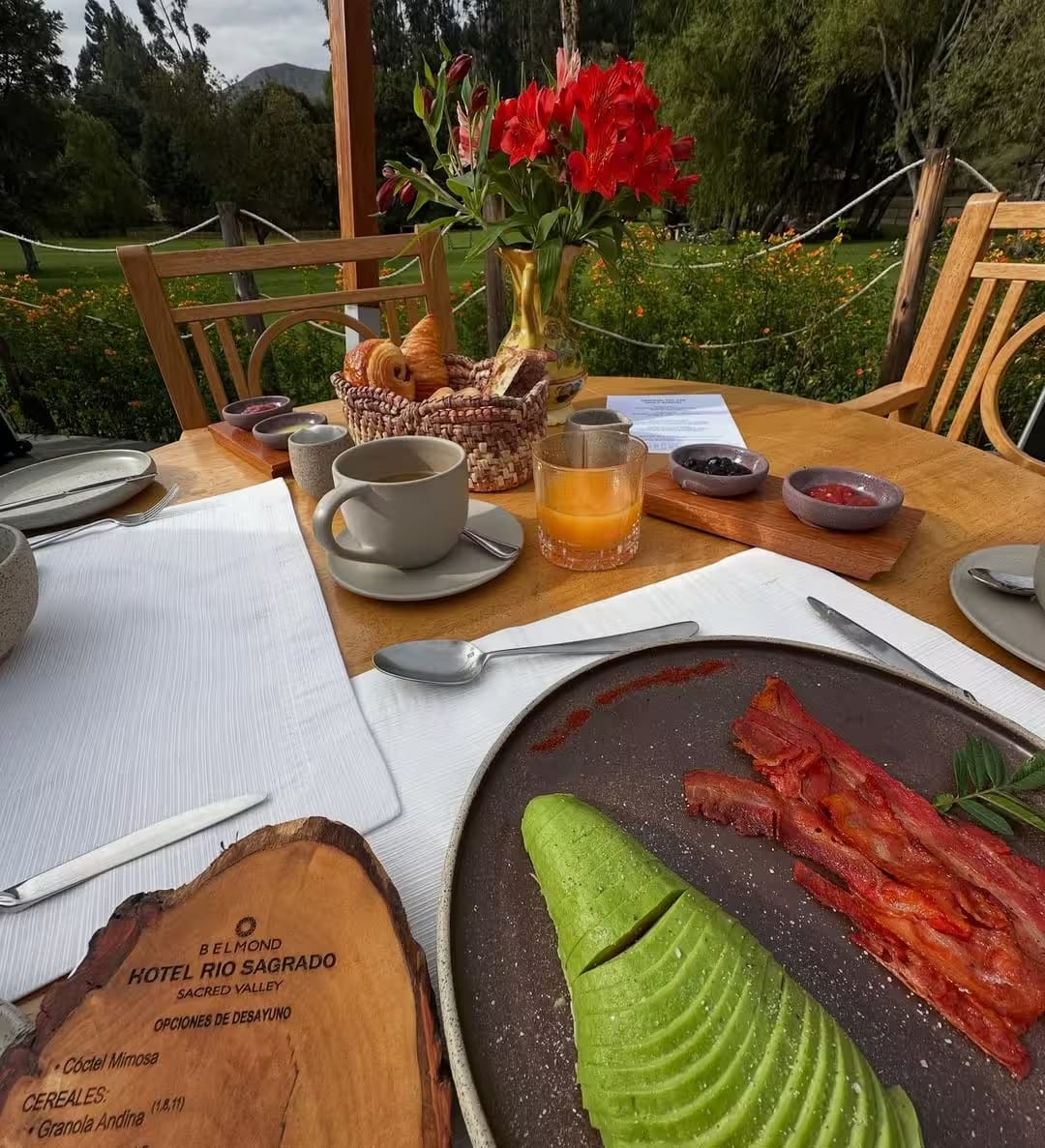
The table is set by our team. The cloth is a neutral linen; the Cusqueño textile runners — hand-woven, from a cooperative we know — provide the colour and pattern specific to this region. The candleholders, the water vessels, the serving pieces are our selection. The hotel's kitchen provides the cooking infrastructure and the building; the dinner is our design.
What Kada Arranges
Planning begins three weeks before the visit: menu development with the chef, property confirmation, table equipment logistics, wine procurement. Execution involves a Kada team member managing the table and service sequence alongside the chef working from the hacienda kitchen. The evening runs approximately three to three and a half hours from the arrival aperitivo to the final course.
The practical group range is two to twelve. For smaller groups — two to four — the format is closest to a private dinner at a well-appointed friend's table, with the service present but unobtrusive and the conversation allowed to run without the rhythm of a restaurant. For larger groups, up to twelve, the long-table format with the Cusqueño runners produces a visual effect specific to this place — the valley visible, the mountain above, the textile on the table — that a restaurant setting cannot manufacture.
We work with a small number of chefs in the Sacred Valley whose knowledge of the highland ingredient base is specific and whose consistency is established. The selection for a particular evening depends on availability and the menu brief; the chef choice is ours, and we choose based on who is best suited to what the evening requires.
Expert Perspective
"Every element of the hacienda dinner is a decision we make. The property, the chef, the menu, the table — none of it defaults to what the hotel already has. What I want for our guests at this point in the itinerary is an evening that contains, in its totality, the best argument we can make for why the Sacred Valley is where they should be. The view from the hacienda terrace is part of that argument. The chicha in the first cup is part of it. The food on the table, using the specific produce of this valley in this season, is part of it. The design of the table itself — the cloth from a cooperative we know, the candlelight on the Inca-period stone of the hacienda wall — is part of it. What the hacienda provides is the setting. What we provide is the intention behind the evening."
— Daniel Ramos, Co-Founder & CEO, KADA Travel
A Practical Note
The outdoor component of the hacienda dinner is weather-dependent. The Sacred Valley dry season — May through October — offers consistent evening conditions in the gardens and on the terraces; the shoulder months can be managed with a covered backup; the wet season requires full indoor planning from the start. We design outdoor elements with a weather contingency built in, and the backup option is discussed at the planning stage so guests are not surprised by a last-minute change.
The valley floor is at approximately 2,800 metres. Standard Sacred Valley altitude adaptation applies: guests who have been in the region for two to three days are fully functional at a dinner table; guests arriving from Lima directly should not schedule the hacienda dinner as their first evening in the valley.
Transfers to and from the dinner are arranged by Kada. For Cusco-based guests, the return drive from the valley — typically departing the hacienda between 9:00 and 10:00 PM — runs on a well-lit road and takes approximately forty-five minutes. We provide transport in both directions.
Written by Kada Travel Editorial
Frequently Asked
Yes. For guests whose itinerary includes a Sacred Valley night, the hacienda dinner is naturally arranged at their accommodation property, or at a neighbouring property with the return as a short trip. For Cusco-based guests who want to extend the evening into an overnight, we arrange the accommodation as part of the same programme. This is the format most guests prefer when logistics allow: the dinner without the night drive.
The private events at Huayoccari are arranged case by case through our relationship with the family. For small groups — two to eight — the format is a dinner at the family's table; for larger events, the terrace provides outdoor space for a different configuration. The minimum lead time is four weeks; for peak-season dates (June–August), six to eight weeks. The property is not publicly listed and its availability in a given month depends on the family's own calendar, which we confirm before presenting it as an option.
Yes — the menu is designed from the outset with the group's requirements, not adapted from a standard plan. The highland ingredient base is naturally rich in vegetables, grains, and animal proteins that accommodate most dietary requirements without compromising the meal's character. We collect dietary information at the booking stage and the chef develops the menu around it.
Three things: the menu is developed for this specific group on this specific evening rather than drawn from a standing programme; the table is physically set by our team rather than by the hotel's standard service configuration; and the chef has been selected and briefed by us, not assigned by the hotel's food and beverage operation. The result is an evening designed with a specific curatorial intention — what we want our guests to experience at this point in their journey — rather than the property's general standard.
Design Your Journey
Design your bespoke Peru journey
We talk. We listen. Then we design an itinerary that belongs only to you.
Start Planning