Unfolded· 6 min read·31 July 2026
The Reed Cut Into an Instrument
A private morning with a siku maker in Puno, Peru's folkloric-music capital, learning how a length of cane becomes the panpipe that has carried Andean melody for millennia.
By Kada Travel Editorial
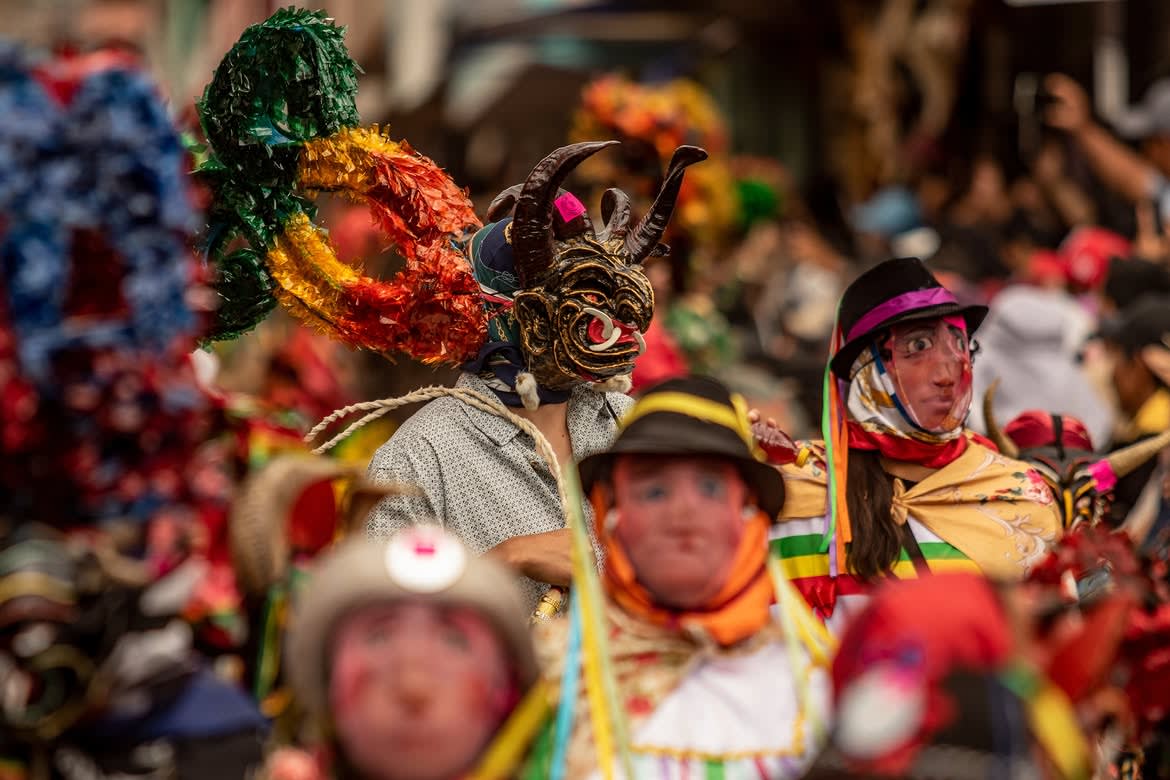
Puno carries an official title few visitors know about before they arrive: Capital of Peruvian Folklore, formally recognised for the density and vitality of its musical and dance traditions, of which Candelaria is only the most visible expression. Underneath that recognition sits a quieter, daily practice — instrument making, and specifically the siku, the Andean panpipe whose sound is close to a shorthand for the entire altiplano.
An Instrument Built to Be Played by Two
The siku's construction is straightforward in principle and demanding in execution: lengths of cane, cut and tuned to precise pitches, bound together in graduated rows. What makes the instrument distinctive is not the construction alone but the traditional playing method — sikuri ensembles typically split the full scale across two interlocking sets of pipes, played by two musicians in tight call-and-response, each holding only half the notes needed for a complete melody. Neither musician can play the tune alone; the music exists only in the coordination between them.
This performance structure is generally understood to reflect a broader Andean principle of complementarity — paired opposites that only function as a whole together, a concept that runs through Andean cosmology well beyond music. A craftsman explaining the siku's construction tends to explain this principle alongside it, because the two are not really separable.
A Craft Tied to a Calendar
Sikus are made for specific registers and specific occasions — different sizes and tunings for different festivals, different ensembles, different altitudes of sound. A maker working through the year is, in effect, building toward Puno's festival calendar, Candelaria chief among them, timing production around the demand for specific ensembles preparing their performances.
What Kada Arranges
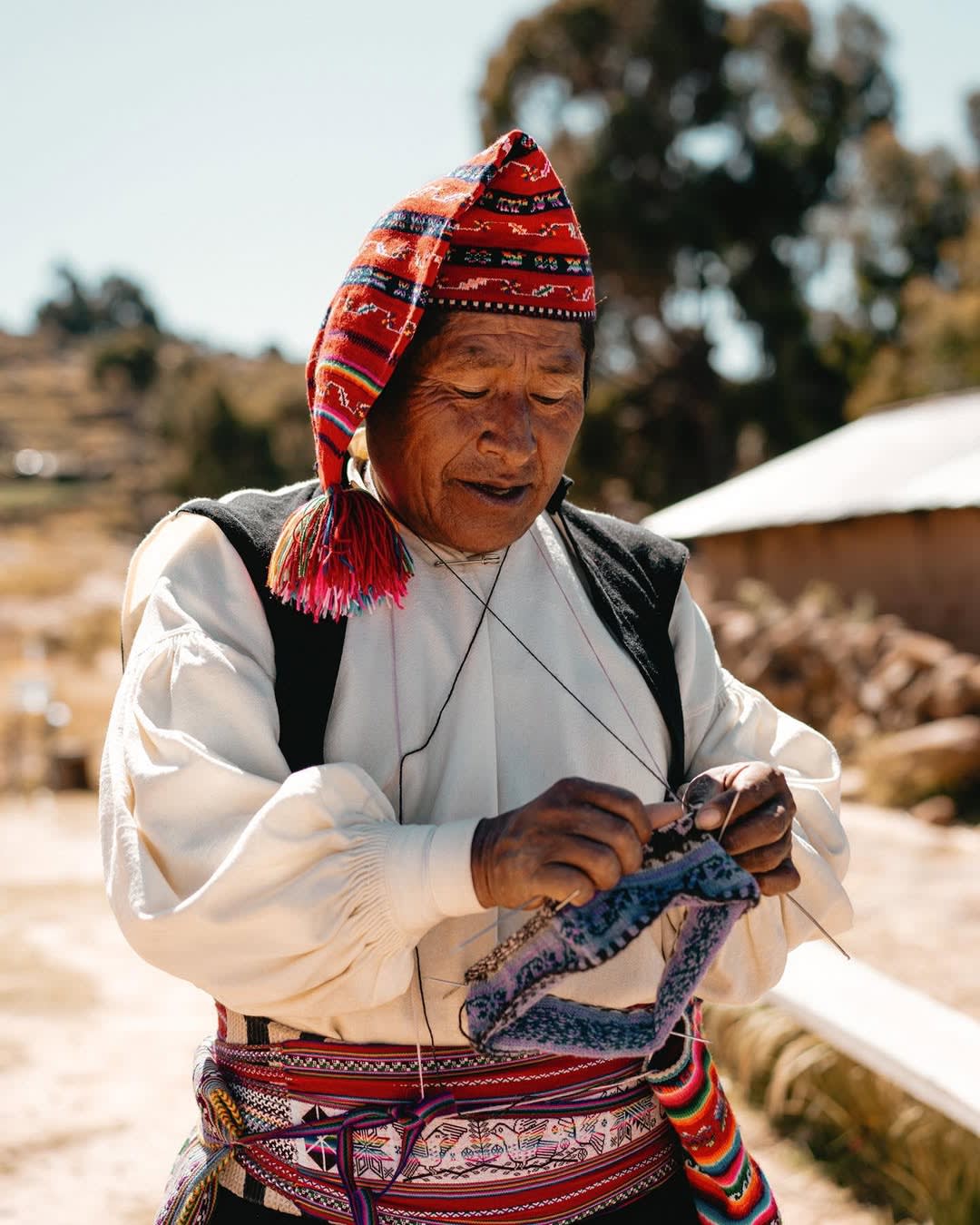
We arrange a private morning with a siku maker in his own workshop, walking through the selection and preparation of cane, the tuning process, and the binding technique that holds a finished instrument together. Where the maker is also a player — common, since the craft and the performance tradition are closely linked — we ask for a demonstration of the call-and-response playing method, occasionally with a second musician if one is available, so guests hear directly what the construction is actually for.
Expert Insight
"You can explain complementarity as an abstract Andean concept, or you can hand a guest one half of a siku scale and watch them realise, immediately and physically, that they cannot make the tune happen alone. We generally do the second. It tends to land considerably harder than the lecture version."
— Isabela Santos, Travel Designer, KADA Travel
A Practical Note
This experience depends on a specific craftsman's schedule, particularly during the run-up to Candelaria in January and early February when demand for instruments peaks and a maker's time is genuinely scarce — we recommend booking well ahead for a February visit. Finished instruments can be purchased directly from the maker.
Written by Kada Travel Editorial
Frequently Asked
Yes, informally — most makers are happy to let guests attempt a few notes, though the call-and-response technique takes real practice to execute well.
Closely — siku ensembles are central to much of Candelaria's processional music, and this visit adds useful context for guests attending the festival.
Roughly ninety minutes to two hours, depending on the depth of conversation and whether a playing demonstration is included.
Yes, directly from the maker, at a fair price reflecting the time and skill involved.
Design Your Journey
Design your bespoke Peru journey
We talk. We listen. Then we design an itinerary that belongs only to you.
Start Planning