Destinations· 11 min read·1 February 2025
The Sacred Valley: A Five-Day Guide in Boutique Hotels
Pisac, Ollantaytambo, Maras, Chinchero — and why five days in the valley are fewer than they seem.
By Kada Travel Editorial
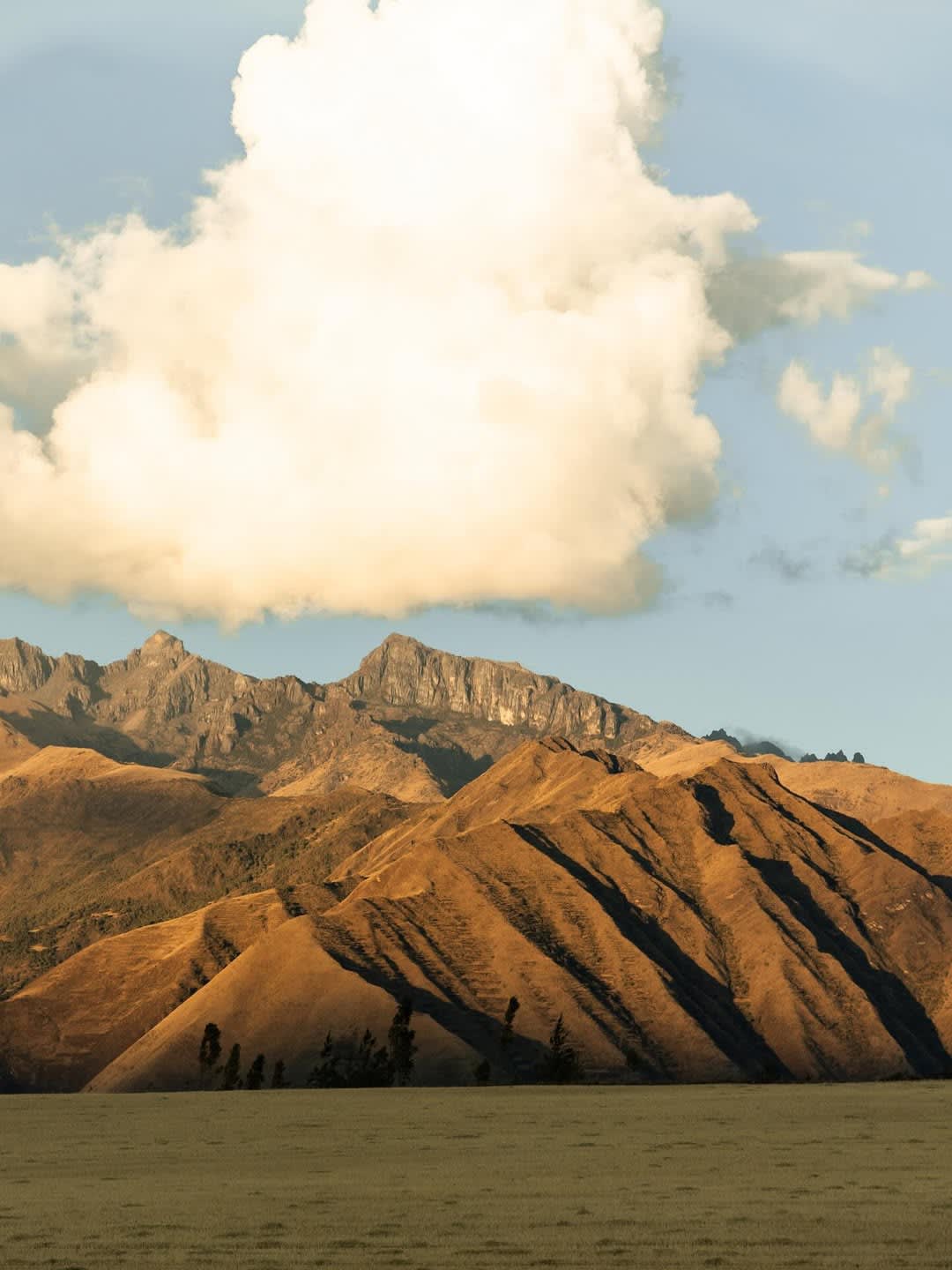
The Sacred Valley of the Urubamba is the Andean corridor the Incas chose as their pantry, ceremonial paradise and summer residence. Sixty kilometres long, an altitude oscillating between 2,800 and 3,000 metres —six hundred metres lower than Cusco, which the body feels—, a river snaking between six-thousand-metre mountains, agricultural terraces in continuous use since the eighth century. The region holds more Inca sites per square kilometre than any other zone of Peru, and at the same time offers the kindest altitude for the coast-coming traveller.
This guide proposes five days in the Sacred Valley, not as transit to Machu Picchu but as destination. The reason is geographical: the valley deserves its own days. The reason is strategic: five days in the valley reorganises the entire Peru trip —you acclimatise better, sleep better, arrive at Machu Picchu better prepared.
Day one: arrival and acclimatisation
Day one arrives from Cusco by private car. Departure from Velasco Astete airport or the Cusco hotel toward midday, stop at the Taray viewpoint for the first valley view, arrival at the Sacred Valley hotel by two PM. Altitude has dropped from 3,400 metres (Cusco) to 2,870 (Urubamba) in an hour of descent —a difference the body immediately appreciates.
The afternoon is dedicated to passive acclimatisation: hotel pool, coca tea, short garden walk. The common error is arriving with energy and wanting to hike the first day. The valley altitude is lower than Cusco's but still Andean; the body needs twenty-four hours to adapt to the oxygen change, even coming from Cusco. Early dinner at the hotel restaurant, sleep before eleven.
Day two: Pisac
Day two begins in Pisac, the village at the valley's eastern end. If Sunday, market at nine and Quechua mass at eleven (see dedicated guide). On other days, ascent to the Pisac archaeological site: an Inca citadel atop the hill, with three sectors —residential Q'allaqasa, ceremonial Intihuatana, and Tankanamarka cemetery, the largest in Peru with five thousand tombs.
The site is reached by private car on the new road (thirty minutes), or walked via the traditional Inca ascent (two and a half hours, five hundred metres of elevation, not advisable for the unacclimatised). We recommend arriving between nine and ten AM, before midday heat. Two-hour archaeologist-led visit. The site has the particularity of offering the best panoramic view of the Sacred Valley: from the ceremonial sector you see the whole gorge, the stepped terraces, the river below.
Then lunch at Mil Sabores on the Pisac plaza (traditional Cusco cuisine with local produce) or at the La Casona de Yucay hotel. In the afternoon, return to the hotel with a stop at Mary Romoacca's textile workshop (Calle Lima 35, Pisac), one of the few Quechua weavers still working with pre-Columbian technique and natural dye.
Day three: Maras and Moray
Day three is dedicated to the Maras and Moray complex. Hotel departure at nine, arrival at Moray by nine thirty. Moray is the Inca agricultural laboratory: a system of concentric amphitheatre-shaped terraces, each level with a different microclimate —the Incas built them to experiment with high-altitude crops, simulating different ecological tiers in a single place. The temperature difference between upper (3,500m) and lower (3,350m) levels is three to five degrees Celsius. Ninety-minute visit with agronomist guide.
Moray to Maras is twenty minutes. The Maras salineras are three thousand evaporation pools on a hillside, in continuous use since the sixth century. Each pool belongs to a Maras-community family, harvesting salt by hand since pre-Inca times. The guided visit allows descending among the pools (with permit), seeing the harvest process, and buying salt directly from the producer.
Lunch at MIL Centro, Virgilio Martínez's restaurant on the Moray archaeological site. Reserve three months ahead. The six-hour tasting menu (including a tour of the restaurant's medicinal garden) is the most considered gastronomic experience in the Sacred Valley, comparable to the world's best tables. Approximately USD 350 per person.
In the afternoon, return to the hotel for rest. If energy remains, visit the Chinchero textile workshop —the CTTC centre— thirty minutes from the hotel.
Day four: Ollantaytambo and Chinchero
Day four splits between the valley's two best-preserved colonial towns. Ollantaytambo, at the western end, is the only Inca city still inhabited with its original layout: streets, walls and houses are the same the Incas built in the fifteenth century. The Ollantaytambo archaeological site, on the hill dominating the town, holds the fortress with six pink monoliths of forty tons each, transported from a quarry on the other side of the river —impossible to explain how, given available technology.
Two-hour guided visit at nine AM. Lunch at El Albergue (at the train station to Aguas Calientes itself, restaurant with produce from the Randall family's garden). If the traveller continues to Aguas Calientes that day, this lunch is the last meal before the train.
Chinchero, thirty minutes from Ollantaytambo, is the village of weavers and the valley's oldest colonial church. The Chinchero church (seventeenth century) is built atop an Inca palace; the interior baroque mural was painted by Cusco-born Diego Cusi Huaman in 1700. Forty-five-minute visit. Then the CTTC textile workshop with demonstration of the full process: spinning, natural dye with plants and cochineal, backstrap loom. Direct purchase from the producer closes the day.
Day five: departure or continuation
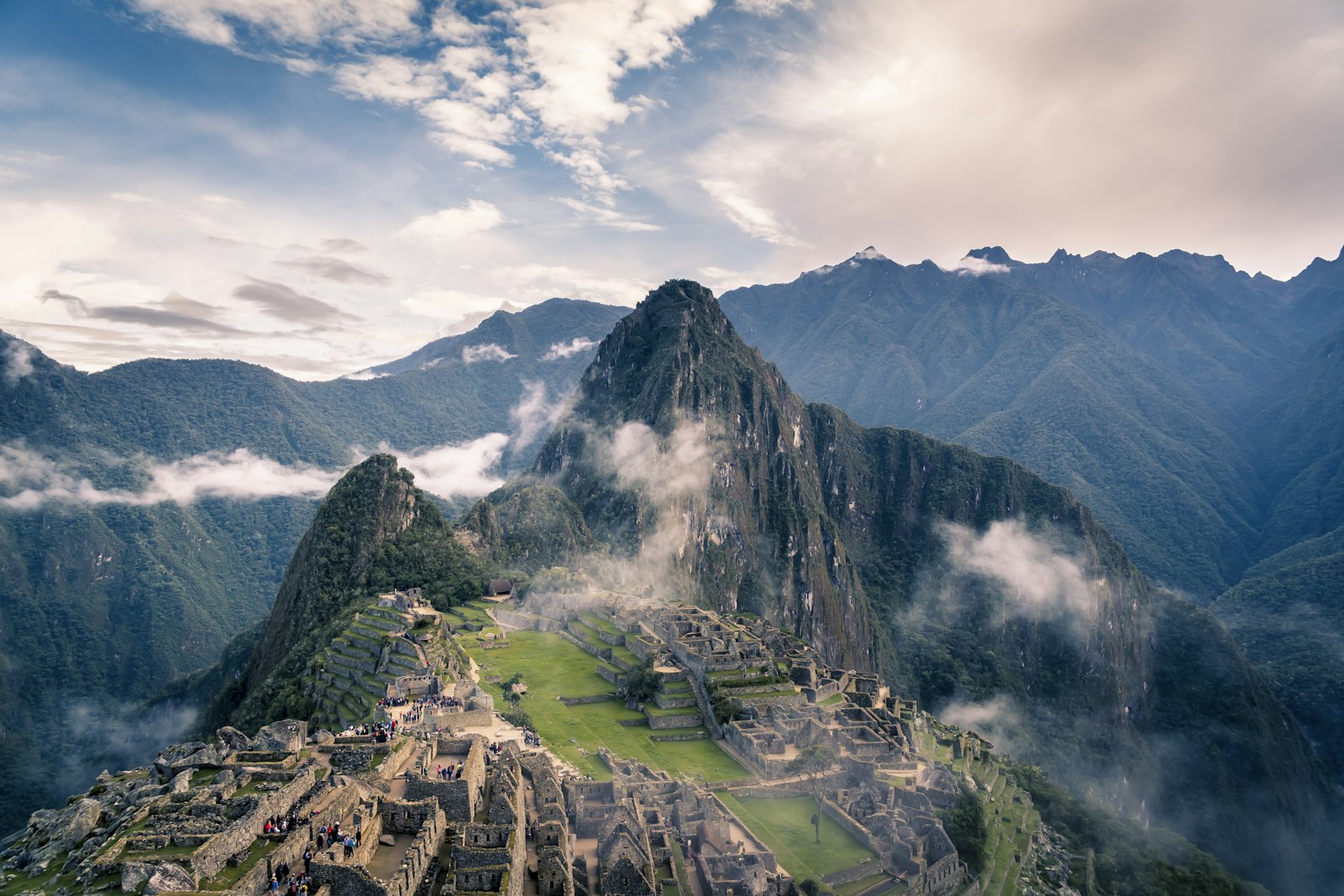
Day five depends on the trip. For those continuing to Machu Picchu: hotel departure to Ollantaytambo, morning train (Vistadome or other), Aguas Calientes arrival, site ascent. For those returning to Cusco before continuing to Lima: free morning with late breakfast, midday departure to the airport.
An alternative we recommend for day five —for those not continuing to Machu Picchu that day— is the Humantay lagoon excursion: three-hour circular hike at 4,200 metres, turquoise glacial lake ringed by snow peaks. Full-day excursion, sunset return to the hotel. Recommended only for acclimatised travellers in good physical condition.
The valley hotels
Four boutique hotels define the Sacred Valley offering.
Sol y Luna Relais & Châteaux, on the outskirts of Urubamba, is the most considered. Forty-three independent casitas in five-hectare gardens, two restaurants, spa with Andean treatments, equestrian school with Peruvian Paso horses. The atmosphere is restored rural mansion. Recommended for honeymoon and for travellers valuing isolation.
Explora Valle Sagrado, in Urquillos, is the contemporary version: fifty minimalist-design rooms, daily-excursion programme included (guided hikes, cultural visits, cycling), all-inclusive rates. The hotel for the active traveller wanting to go out every day.
Inkaterra Hacienda Urubamba, in a restored colonial hacienda, is the intermediate option. Thirty-six rooms, organic garden supplying the restaurant, astronomical observatory for clear nights. Recommended for families.
Tambo del Inka, A Luxury Collection Resort & Spa, in Urubamba, is the international option with its own train station (daily services to Aguas Calientes). One hundred and twenty-eight rooms, heated indoor pool, two restaurants. The own train station simplifies Machu Picchu day logistics.
The Sacred Valley is not transitional between Cusco and Machu Picchu. It is the room where the Incas truly lived, where they planted, where they built their best stones. Cusco was ceremony. The valley was home.
Kada Travel
How to decide how many days
Three nights is the minimum: one for acclimatisation, one for Pisac-Maras-Moray, one for Ollantaytambo-Chinchero. The condensed version most standard itineraries offer.
Five nights is the optimal: it adds a full day of rest (pool, spa, reading) and an optional excursion day (Humantay, Salinas with lunch, master workshop). The version we recommend for honeymoon and time-valuing travellers.
One week is for the returning Peru traveller who knows the site: it combines the valley with day hikes (short Salkantay, Sinakara), or with extended cultural experiences (week of weaving in Chinchero, yoga retreat). The luxury-escapist version.
Written by Kada Travel Editorial
Frequently Asked
For acclimatisation: Sacred Valley (lower, greener, better rest). For urban experiences: Cusco. The formula we recommend: one Cusco night at start, two to three Valley nights, one Aguas Calientes, one Cusco return at the end.
The Cusco train runs to Ollantaytambo and continues to Aguas Calientes. For staying at valley hotels, private car is more practical. For reaching Machu Picchu from the valley hotel, the train is the option.
Yes. Three thousand pools on a hillside, system in continuous use since the sixth century, communal ownership. Short visit (45 minutes) but visually iconic. Combinable with Moray.
Approximately USD 350 per person, including the six-hour tasting menu and the medicinal-garden tour. Reserve three months ahead. Lunch only, not dinner.
Inside hotels, yes. Walking between villages after sunset is not done —not for personal security but because public lighting is scarce and roads are narrow. Dinners are always at the hotel or with transfer.
Between 8°C and 22°C depending on the day. May to October is dry with sunny days (18-22°C) and cold nights (5-8°C). November to March is rainy season with cool cloudy afternoons. Valley altitude (2,800-3,000m) moderates climate compared to Cusco.
Design Your Journey
Design your bespoke Peru journey
We talk. We listen. Then we design an itinerary that belongs only to you.
Start Planning