Unfolded· 6 min read·29 July 2026
Fifteen Saints, One Square
Private, well-positioned access to Corpus Christi in Cusco — fifteen parish saints processed into the Plaza de Armas in one of the Andes' most significant religious festivals, fused with pre-Columbian ritual roots.
By Kada Travel Editorial
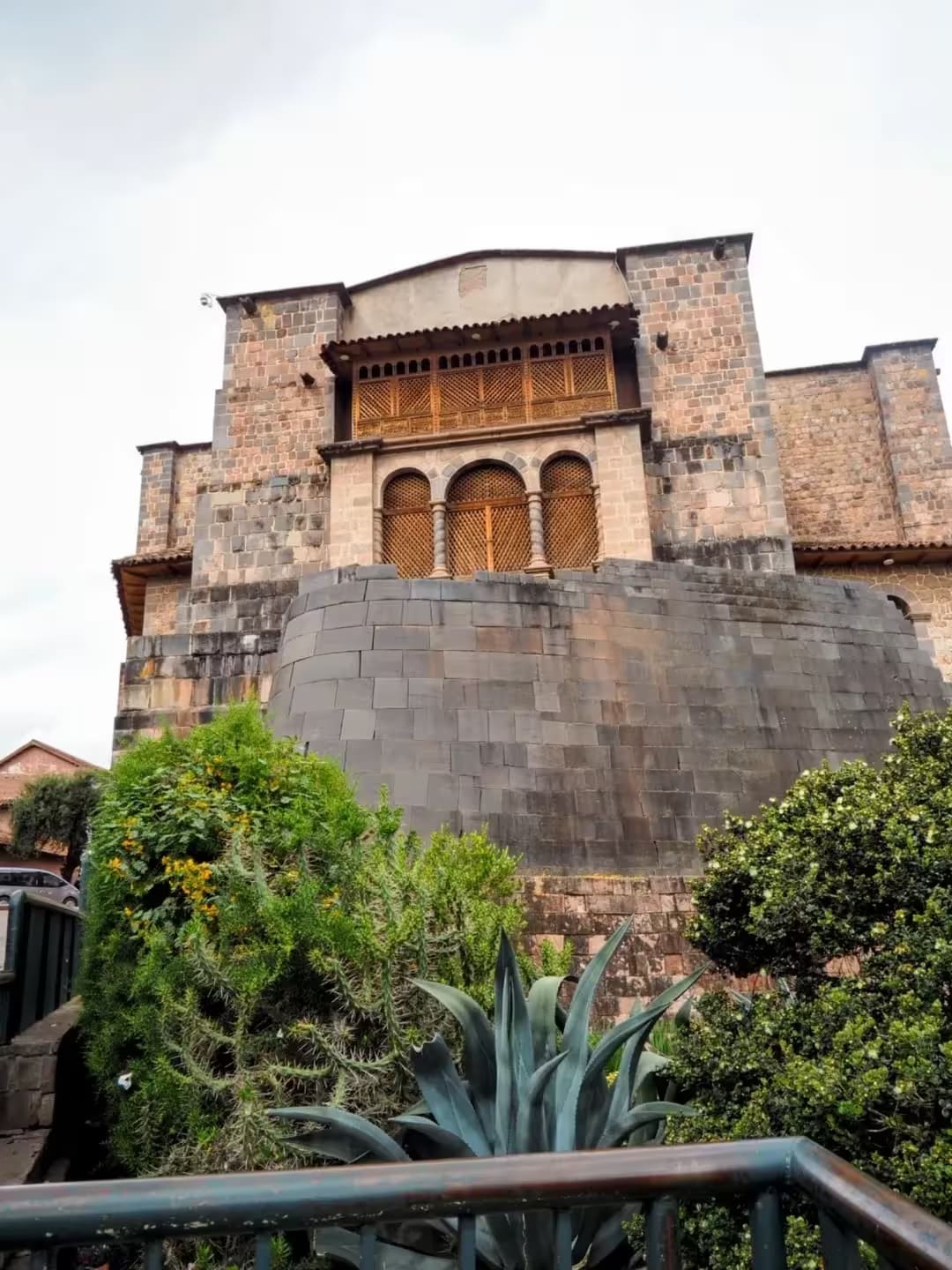
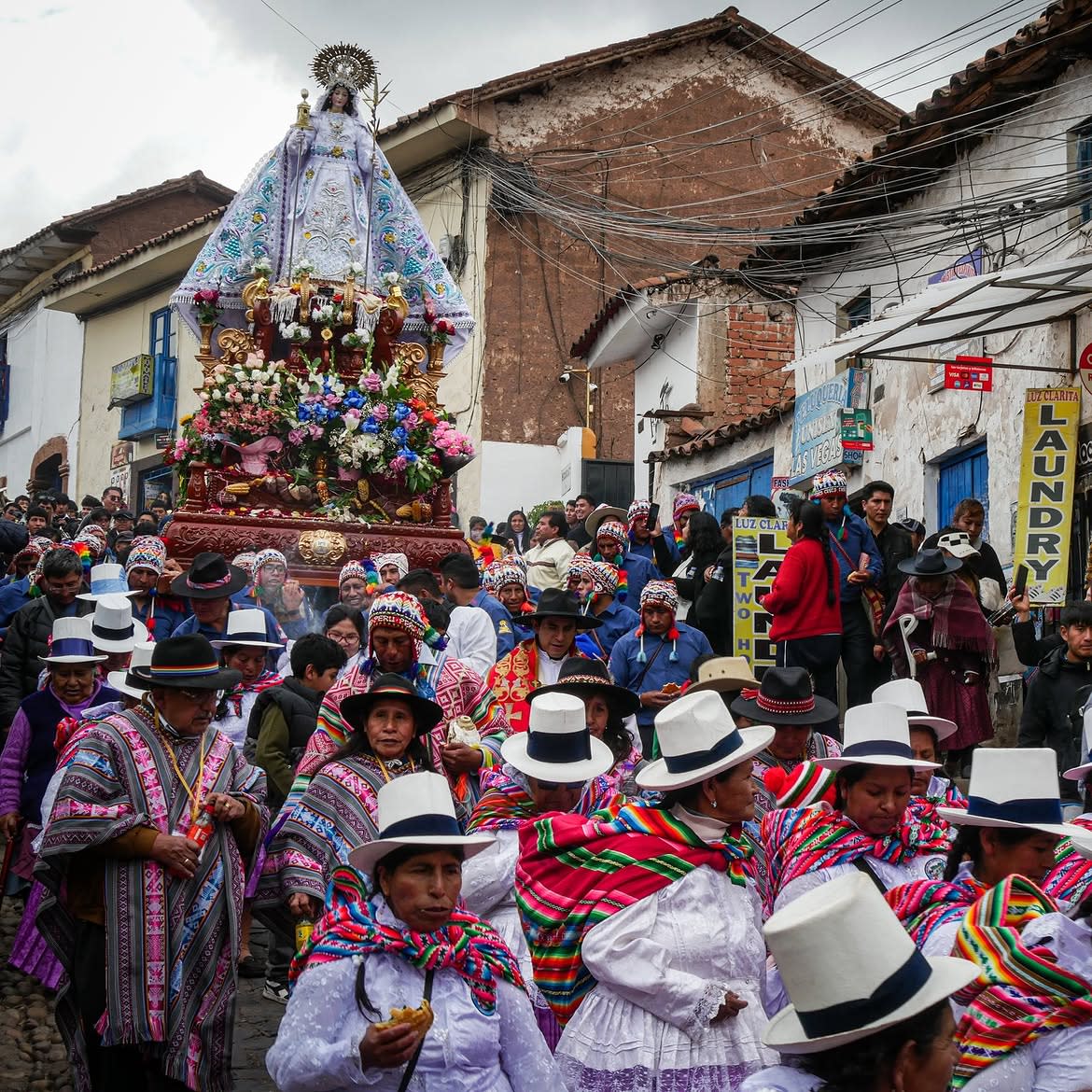
Each June, roughly a week after Inti Raymi's better-known solstice spectacle, Cusco's Plaza de Armas fills with a different kind of procession: fifteen statues of Catholic saints and virgins, each belonging to a different parish across the city, carried on elaborately decorated platforms into the plaza for Corpus Christi — one of the most significant religious festivals in the Andean Catholic calendar, and one considerably less known to international visitors than Inti Raymi despite its comparable scale and significance.
A Festival Built on Two Layers of History
Corpus Christi's Catholic framework — celebrating the Eucharist — sits atop an older Inca practice: the ceremonial procession of royal mummies and huacas (sacred objects) into Cusco's central plaza during the Inca festival of Inti Raymi season, a tradition Spanish colonial authorities suppressed but whose structural shape scholars generally understand to have influenced how Corpus Christi came to be celebrated in Cusco specifically, distinct from how it's marked elsewhere in the Catholic world. The result is a festival that reads, to those who understand its layered history, as considerably more than a standard Catholic observance — a genuine syncretic tradition carrying pre-Columbian ritual structure inside a colonial religious form.
What Actually Happens
Each of the fifteen participating saints arrives from its home parish in procession, converging on the cathedral and plaza over the course of the festival's central days, with the saints remaining on display inside the cathedral for a period before their return processions to their respective parishes. The processions themselves are genuinely major civic events — dense crowds, extensive decoration, and specific traditional foods associated with the festival, most notably chiriuchu, a cold dish combining a wide range of ingredients specifically prepared for this occasion.
Why Positioning Matters
As with Cusco's other major festivals, a visitor without local knowledge experiences Corpus Christi as an overwhelming, difficult-to-parse crowd event. With the right positioning and a guide able to identify which saint represents which parish and explain the specific significance of each procession, the festival becomes considerably more legible — and considerably more moving, once the layered Inca-Catholic history behind the tradition is properly understood.
What Kada Arranges
We arrange positioning for the main processions and cathedral viewing, timed around the festival's specific calendar (which shifts year to year relative to Easter), paired with a guide who can explain both the Catholic and pre-Columbian layers of the tradition. We can also arrange a chiriuchu tasting as part of the experience, connecting the festival's ceremony to its specific culinary tradition.
Expert Insight
"Corpus Christi gets a fraction of the international attention Inti Raymi does, and we think that's a mistake — the layered history here, Inca ritual structure surviving inside a Catholic festival for five centuries, is genuinely one of the most interesting things happening in Cusco each June. We like showing guests the festival most visitors never even hear about."
— Katherine Cjuiro, Founder, KADA Travel
A Practical Note
Corpus Christi's exact dates shift year to year based on the Catholic liturgical calendar (roughly late May to mid-June) — we confirm current dates well in advance. Crowds are significant during the main processions; we brief guests accordingly.
Written by Kada Travel Editorial
Frequently Asked
Corpus Christi is a Catholic festival with deep pre-Columbian ritual roots, distinct from Inti Raymi's more directly reconstructed Inca ceremony — both are major Cusco festivals, and guests visiting in June can often experience both within the same trip.
Dates shift year to year based on the Catholic calendar, typically falling in late May or June — we confirm exact dates as the visit approaches.
We can arrange a tasting of this traditional festival dish as part of the experience, on request.
Yes — the experience is presented as cultural and historical, accessible regardless of a guest's own religious background or lack thereof.
Design Your Journey
Design your bespoke Peru journey
We talk. We listen. Then we design an itinerary that belongs only to you.
Start Planning