The Table· 10 min read·8 June 2026
Where to Eat in the Sacred Valley: The Complete List
MIL, Huayoccari, Sarapampa, Hawa, El Huerto, Wayra, El Albergue — eleven addresses, from Pisac to Ollantaytambo.
By Kada Travel Editorial
The Sacred Valley has an advantage Cusco city lacks: space. Colonial haciendas turned restaurant, hotel lodges with their own gardens, a bistro at a century-old train station. This is the complete list —eleven addresses, from Pisac to Ollantaytambo— of where to eat in the valley, including MIL, which deserves to be here as much as in any Cusco list.
MIL Centro
Chef Virgilio Martínez's (Central, Lima) restaurant on the Moray archaeological site: six-hour tasting menu based on the valley's altitudinal tiers, seventy-five per cent endemic ingredients gathered within a 30km radius. Three-month reservation, lunch only. USD 350 per person. Full coverage in our Best Cusco Restaurants guide.
Hacienda Sarapampa
In Pisac, a three-generation family farm dedicated to Cusco giant corn: three-to-seven-course experiential lunch combining a crop visit with farmhouse cooking and colonial family recipes. Advance reservation, small groups. USD 45-70 per person.
Hacienda Huayoccari
Between Pisac and Urubamba, a hundred-year-old Spanish hacienda run by the same family: homemade Peruvian food served in rooms with colonial wood carvings and viceregal pottery, view of the Urquillos valley, private collection of pre-Inca and Inca artefacts. Personal welcome from a family member. USD 40-60 per person.
El Huerto, Belmond Hotel Río Sagrado
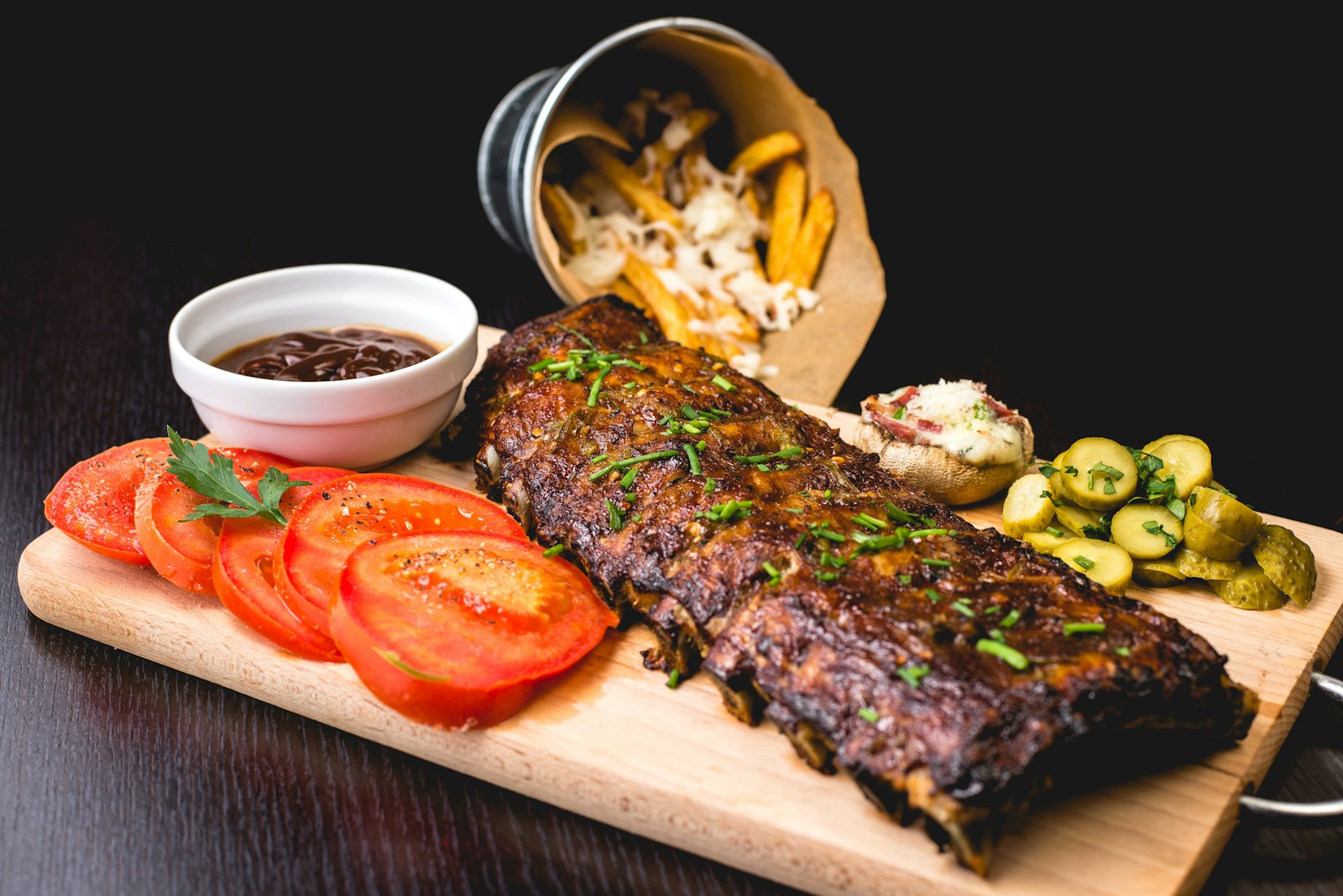
In Urubamba, riverside, the Belmond Río Sagrado's restaurant transforms Andean crops from its own garden and local producers into contemporary Peruvian cooking, served in a riverside garden. Open to non-guests with reservation. USD 40-65 per person.
Hawa, Tambo del Inka
At the Tambo del Inka hotel (Urubamba), novo-Andean cooking with organic ingredients from its own greenhouse —includes the option of touring the greenhouse and picking ingredients before the meal. Formal format, menu with river ceviche, grilled alpaca and vegetarian options. USD 45-70 per person.
Tunupa Valle Sagrado
Hacienda-style buffet restaurant on the Urubamba riverbank, with gardens, llamas and alpacas on the grounds, live folk trio. Extensive buffet —from sushi to alpaca and quinoa soup— the usual stop for day tours through the valley. USD 25-35 per person.
Huacatay
In Urubamba, the valley's most consistent contemporary cooking project outside Moray: garden with outdoor tables, seasonal menu with local produce, modern technique without MIL's experimental scale. USD 30-50 per person.
Wayra, at Sol y Luna
The Sol y Luna hotel's restaurant combines contemporary Peruvian dinner with a thirty-minute Peruvian paso-horse show. Especially recommended for families with children. USD 45-70 per person with show included.
El Tinkuy, Sonesta Posada del Inca Yucay
Reference panoramic buffet for large groups: Peruvian and international cooking, live stations, valley-view terrace. Efficient lunch stop within an Ollantaytambo, Chinchero or Moray tour, not a destination dinner. USD 25-35 per person.
Seasons, Aranwa Sacred Valley
In Yucay, the Aranwa hotel's main restaurant in a restored colonial-hacienda setting, with garden or fireplace-hall dining options. Wide Peruvian and international menu, good option for guests preferring not to leave the hotel. USD 30-45 per person.
El Albergue, Ollantaytambo
In the original 1925 Ollantaytambo train-station building, El Albergue's restaurant works with its own organic garden and farm: fresh pasta made in view, valley trout, alpaca steak, live Andean harp music. Café Mayu, on the same platform, serves coffee and snacks for travellers heading to the Machu Picchu train. USD 20-35 per person.
The Sacred Valley has an advantage Cusco city lacks: space. Each of these restaurants is built around a view —Inca terraces, snow peaks, its own garden, the river. The landscape is part of the menu as much as the dish.
Kada Travel
Which to choose, by moment
For the most ambitious gastronomic experience: MIL Centro. For historic hacienda with family welcome: Huayoccari or Sarapampa. For contemporary cooking without MIL's reservation window: Huacatay or El Huerto. For a night with cultural spectacle: Wayra. For group lunch during a tour: El Tinkuy or Tunupa. For the last meal before the Machu Picchu train: El Albergue.
How to combine it
Three to four valley nights are enough for a reasonable selection: lunch at Sarapampa or Huayoccari on a Pisac route day, dinner at Huacatay or El Huerto, dinner with show at Wayra another night, Tunupa or El Tinkuy as a tour stop, and El Albergue on the day of the Machu Picchu train. MIL requires reservation two to three months ahead —arrange it as soon as dates are confirmed.
Written by Kada Travel Editorial
Frequently Asked
MIL is in Moray, within the Sacred Valley —geographically not Cusco city— but is a must-book for any traveller combining both destinations. It appears in both lists because it belongs to both.
No, Wayra and Hawa accept external reservations, subject to availability.
Huayoccari or El Huerto, for the intimate hacienda and garden setting, without Wayra's show format or Tunupa's volume.
Three to four are enough for a reasonable selection of six to seven addresses. Covering all eleven requires more time or several trips.
It's in the train-station building, a ten-minute walk from the town centre.
Design Your Journey
Design your bespoke Peru journey
We talk. We listen. Then we design an itinerary that belongs only to you.
Start Planning