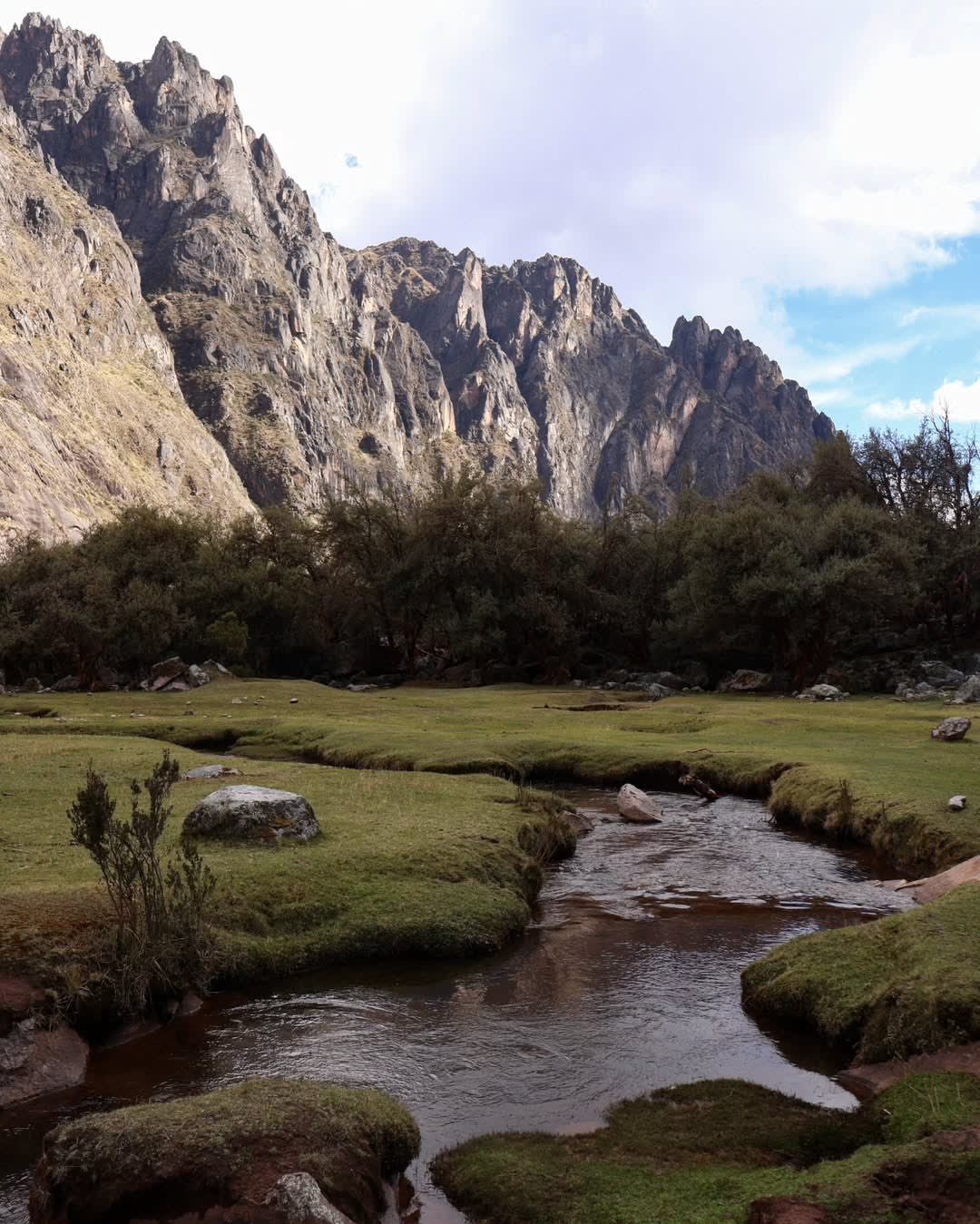
The Lares Trek to Machu Picchu
What makes Lares different
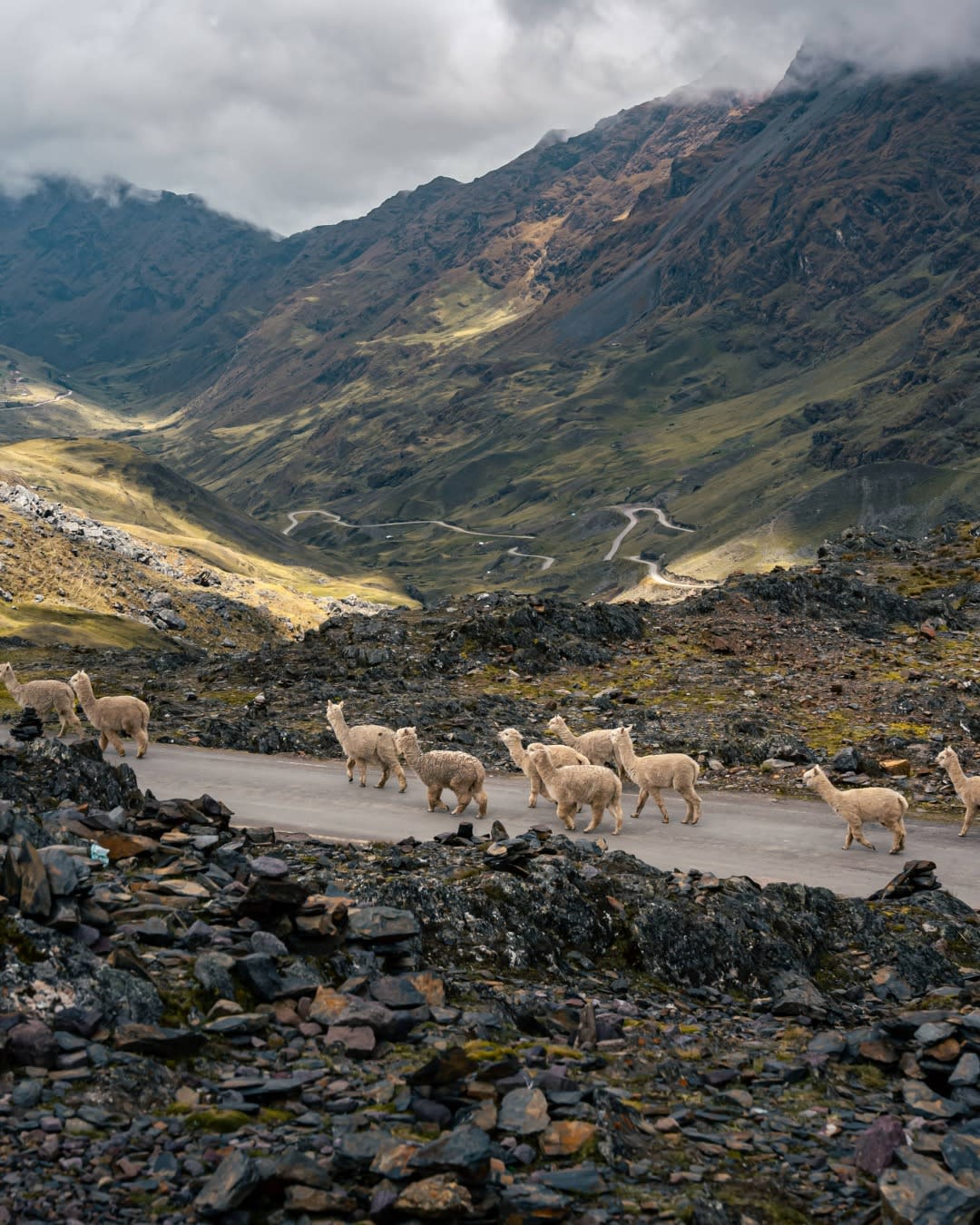
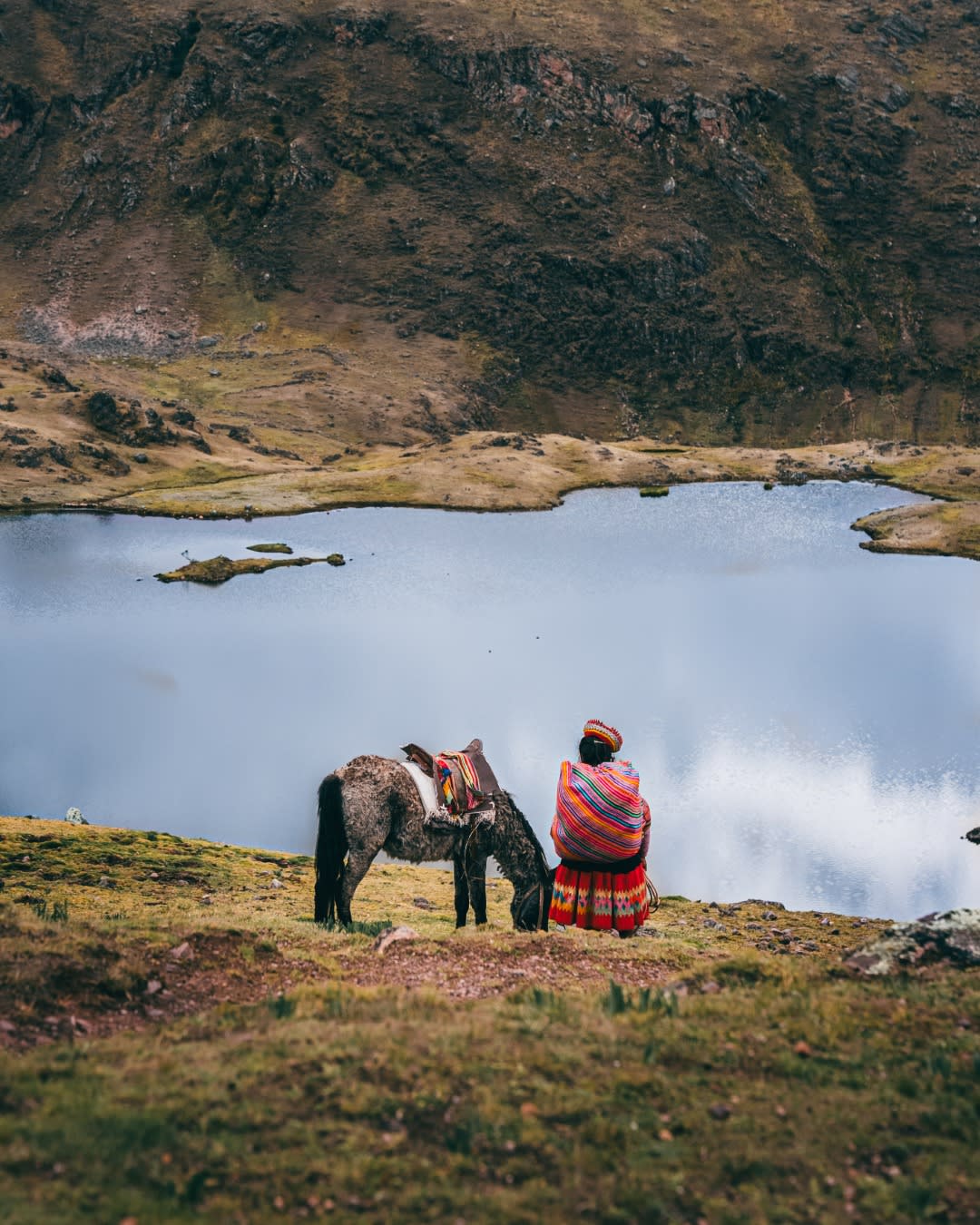
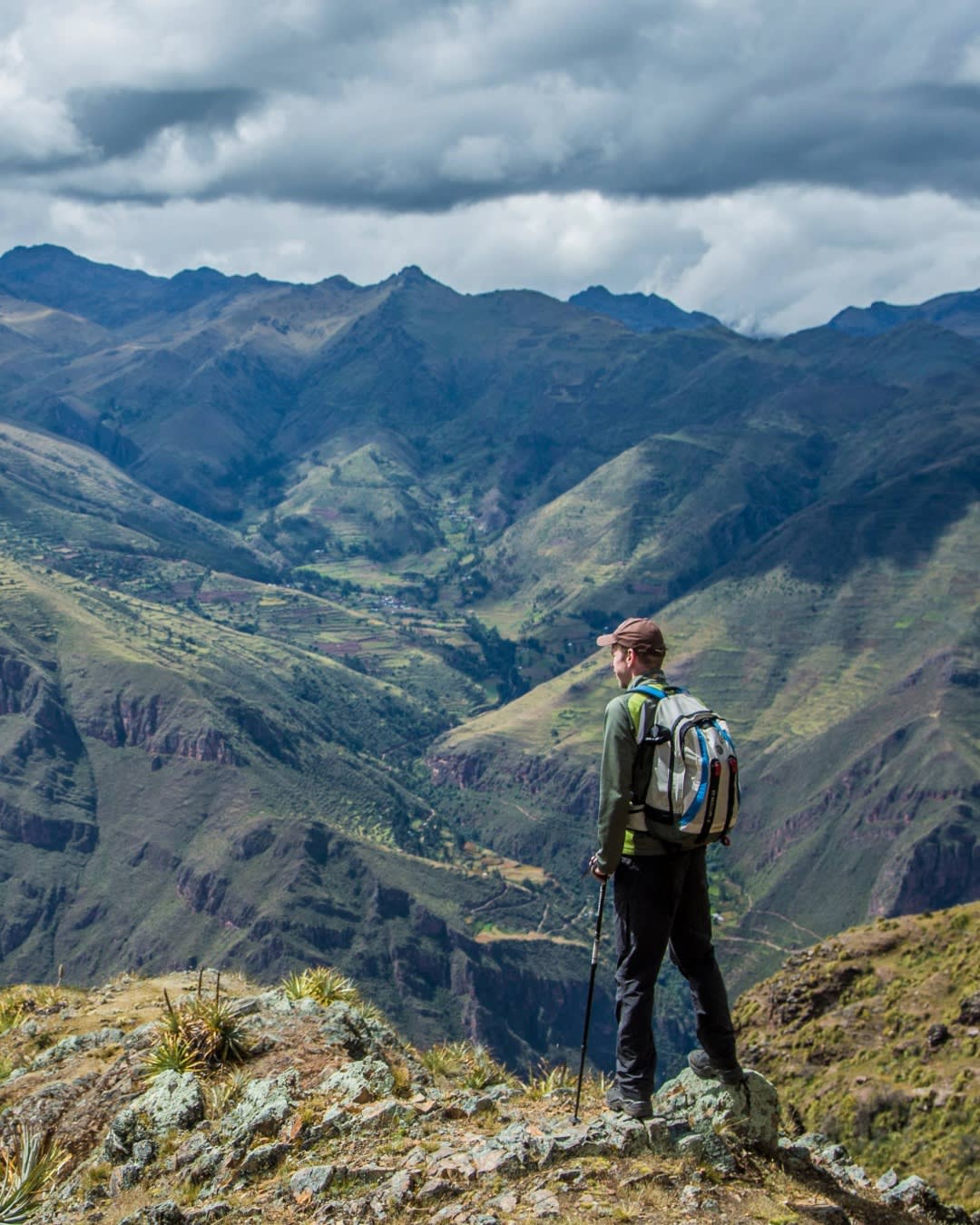
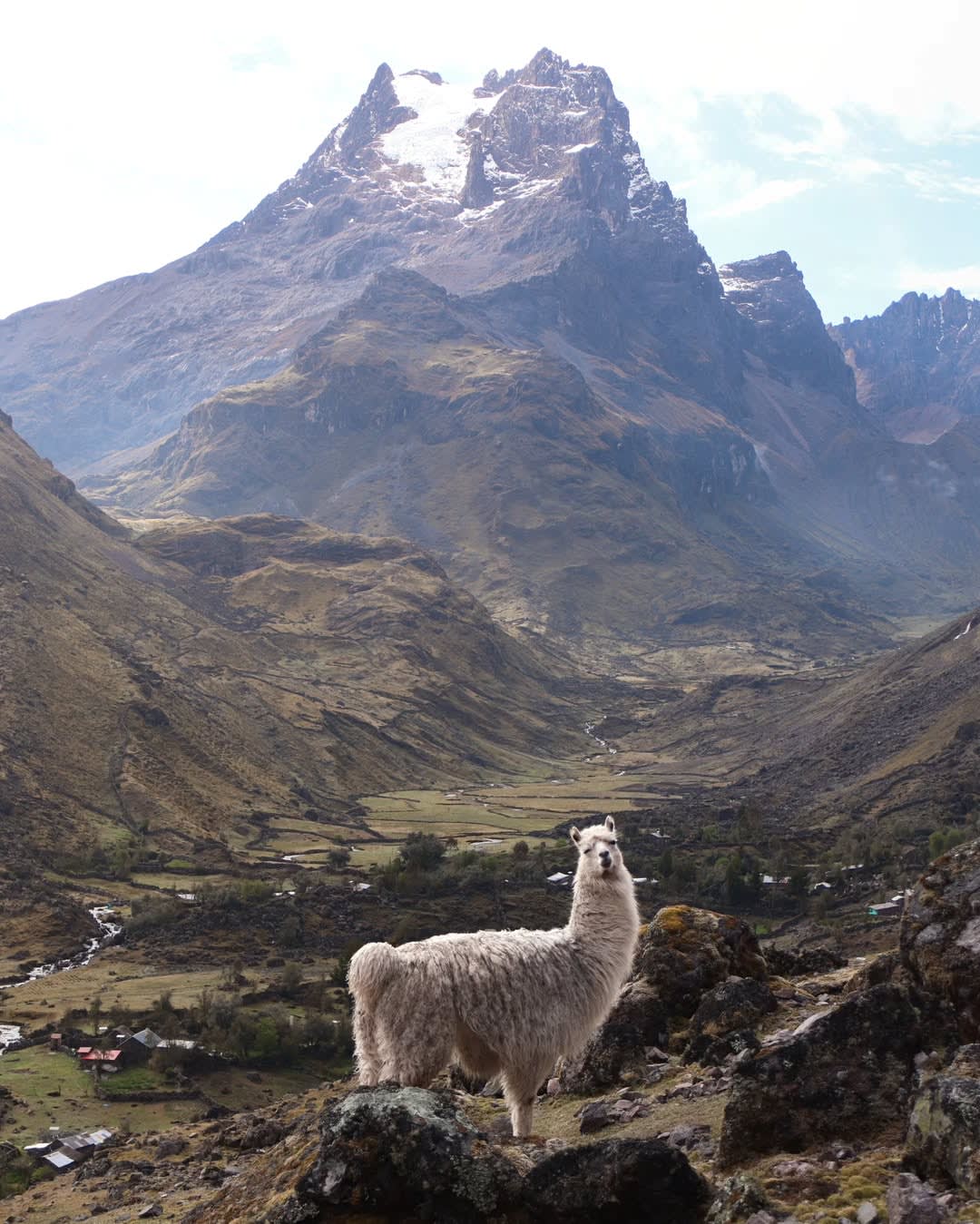
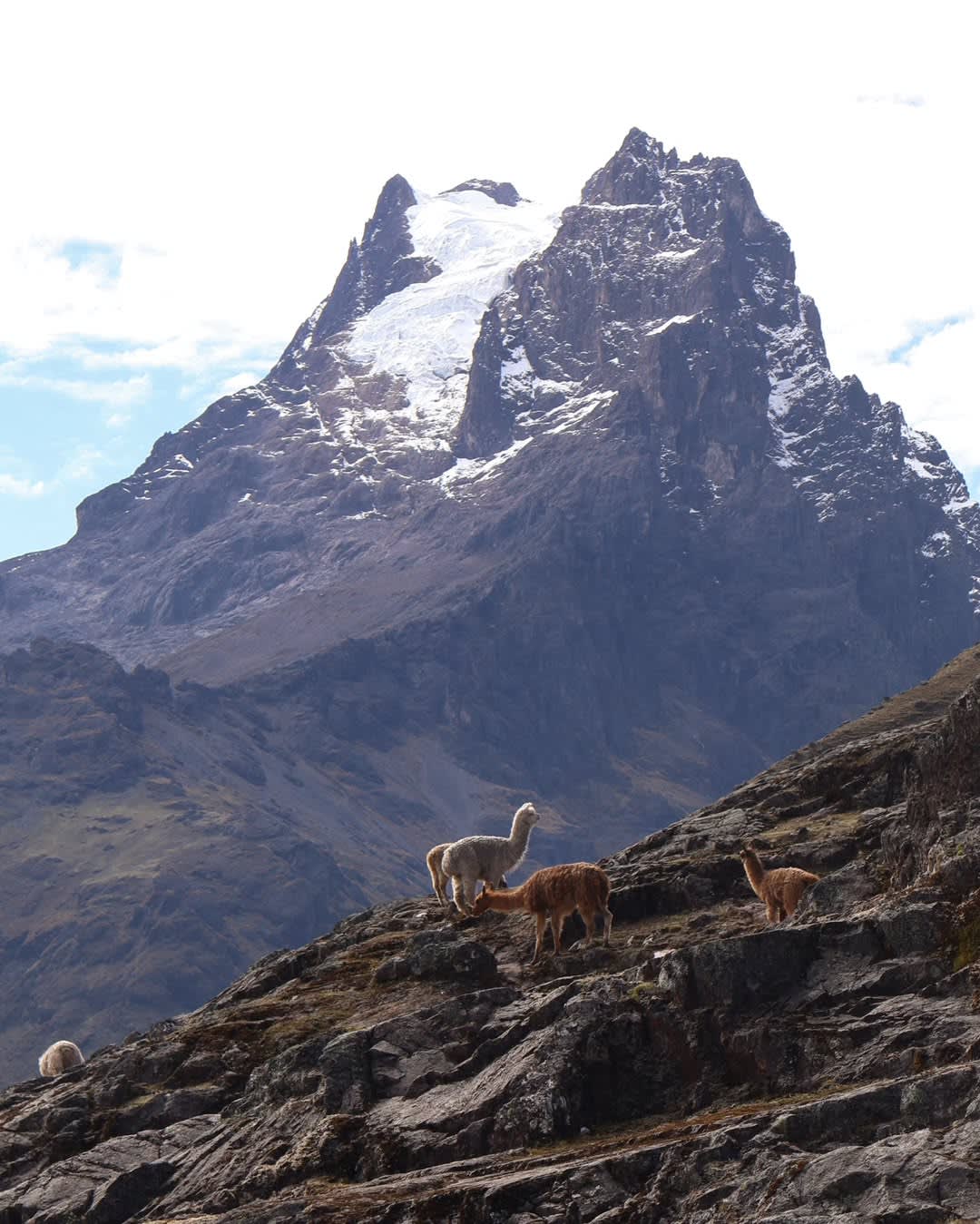
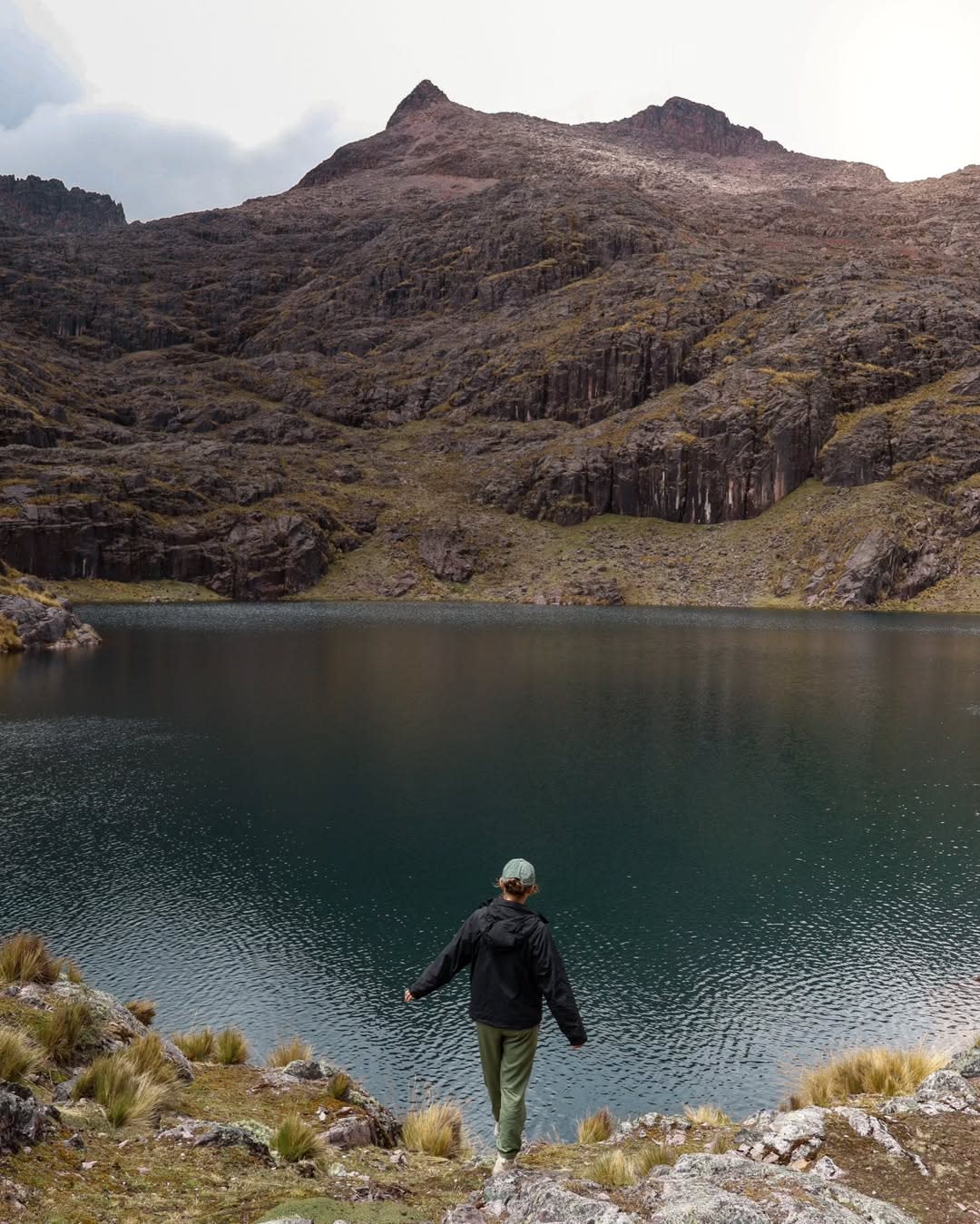
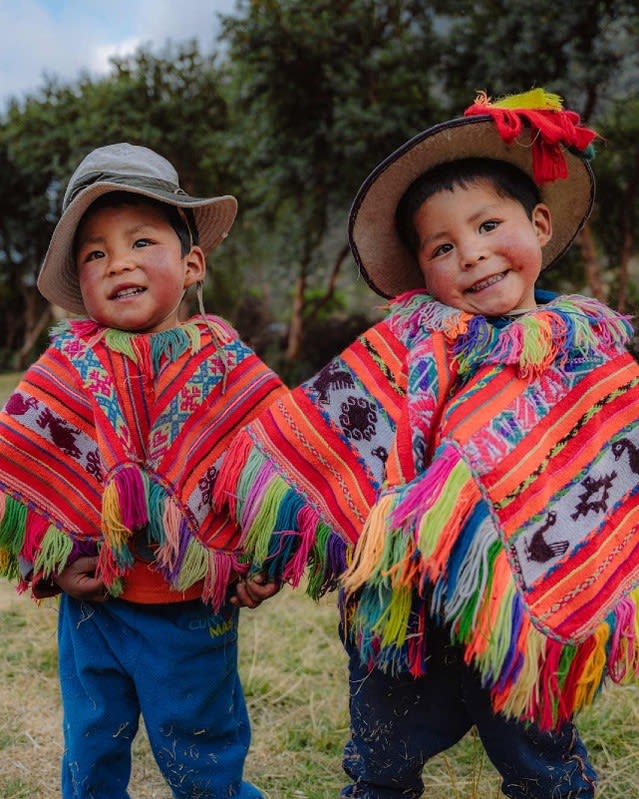
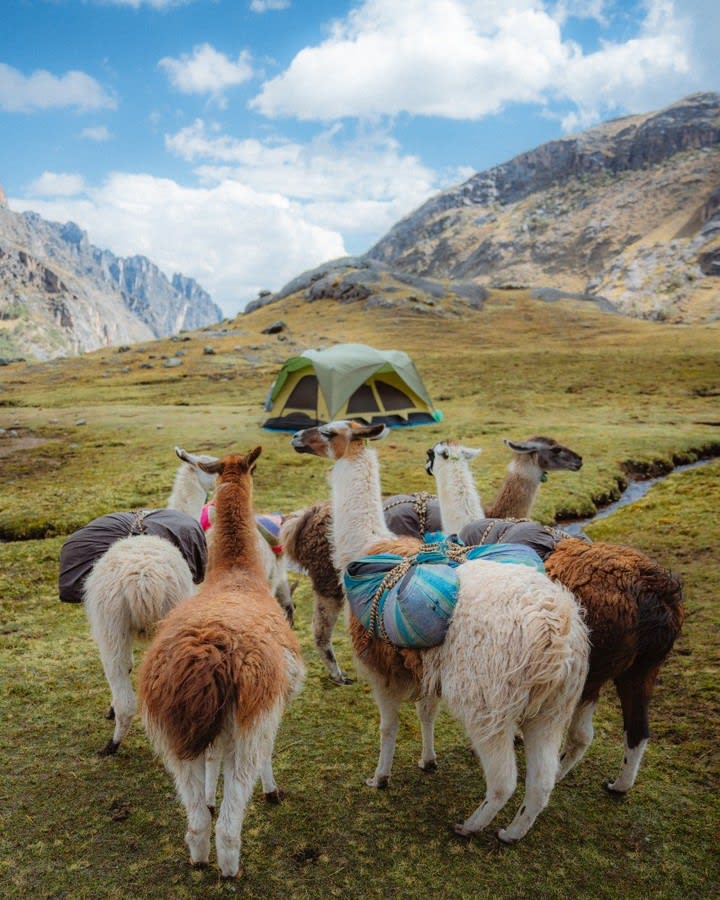
The Lares trek crosses a region of the Andes where Quechua-speaking communities still wear the textiles their grandmothers wove, where alpacas outnumber tourists by an order of magnitude and where the centrepiece of an afternoon is just as likely to be a weaving family inviting you in as a peak above 4,000 metres. Unlike the Inca Trail or the Salkantay, the destination here is not a stone city or a snow-capped apu — the destination is a way of life still in motion. The Lares thermal springs, smelling of sulphur and wet stone, mark the start of the route and become, by the end, a kind of homecoming.
Who we send here
We recommend the Lares to travellers more interested in human geography than physical geography: those who want the trek to teach them something about the Andean present rather than only the Andean past. The trail is gentler than Salkantay and quieter than the Inca Trail proper, with three to four hours of walking on most days and ample time at high-altitude villages. Machu Picchu still finishes the journey, reached by train from Ollantaytambo, but most travellers leave Lares describing the people they met before they describe the citadel.
- Approximately 33 km over four days, finishing by train to Machu Picchu
- Maximum altitude approximately 4,400 m at Ipsaycocha Pass
- Visits to weaving communities and an opening day at the Lares thermal springs
- Lower foot traffic than the Inca Trail or Salkantay
This guide is part of our Inca Trail to Machu Picchu series.