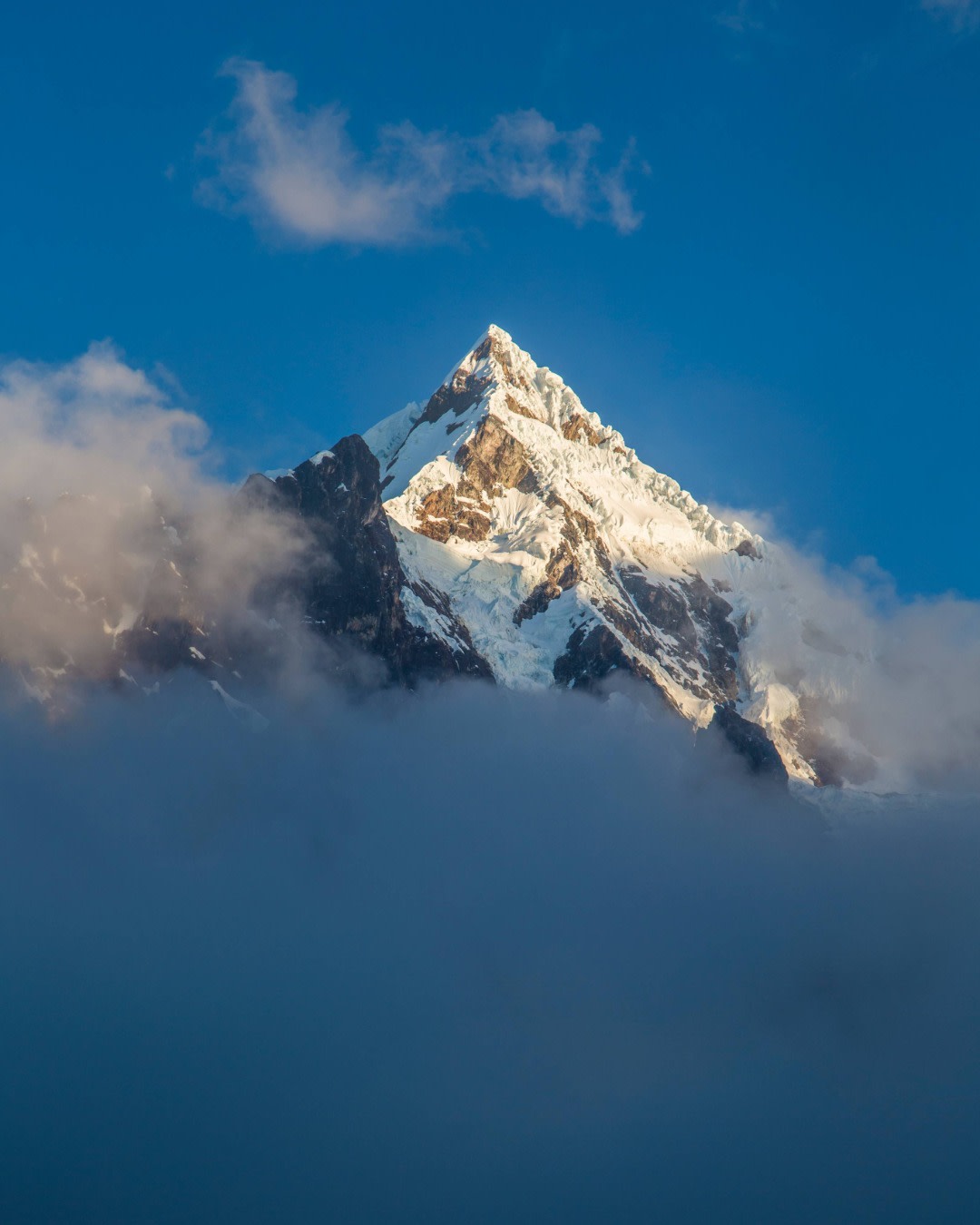
The Salkantay Trek to Machu Picchu
Why this trek instead of the Inca Trail
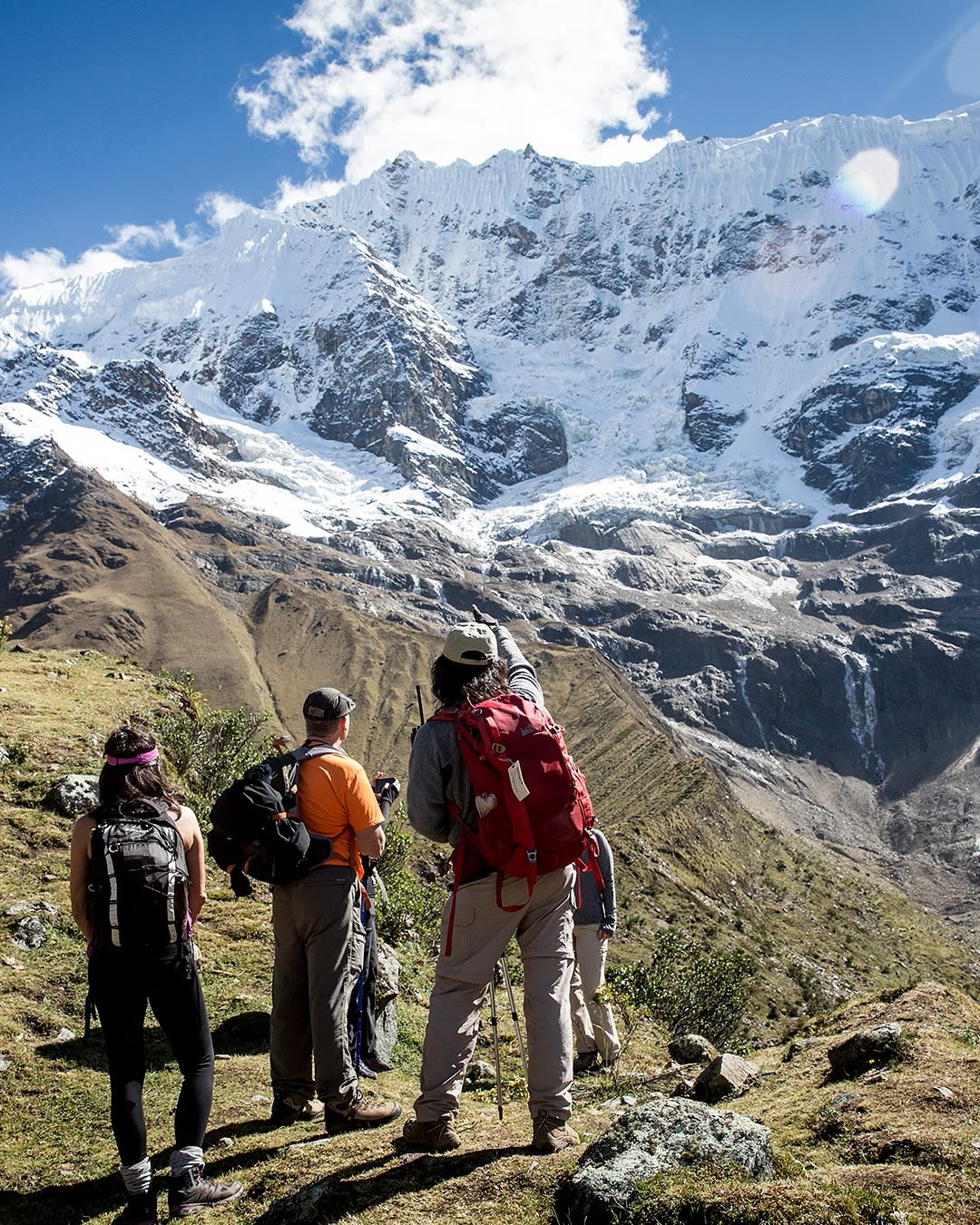
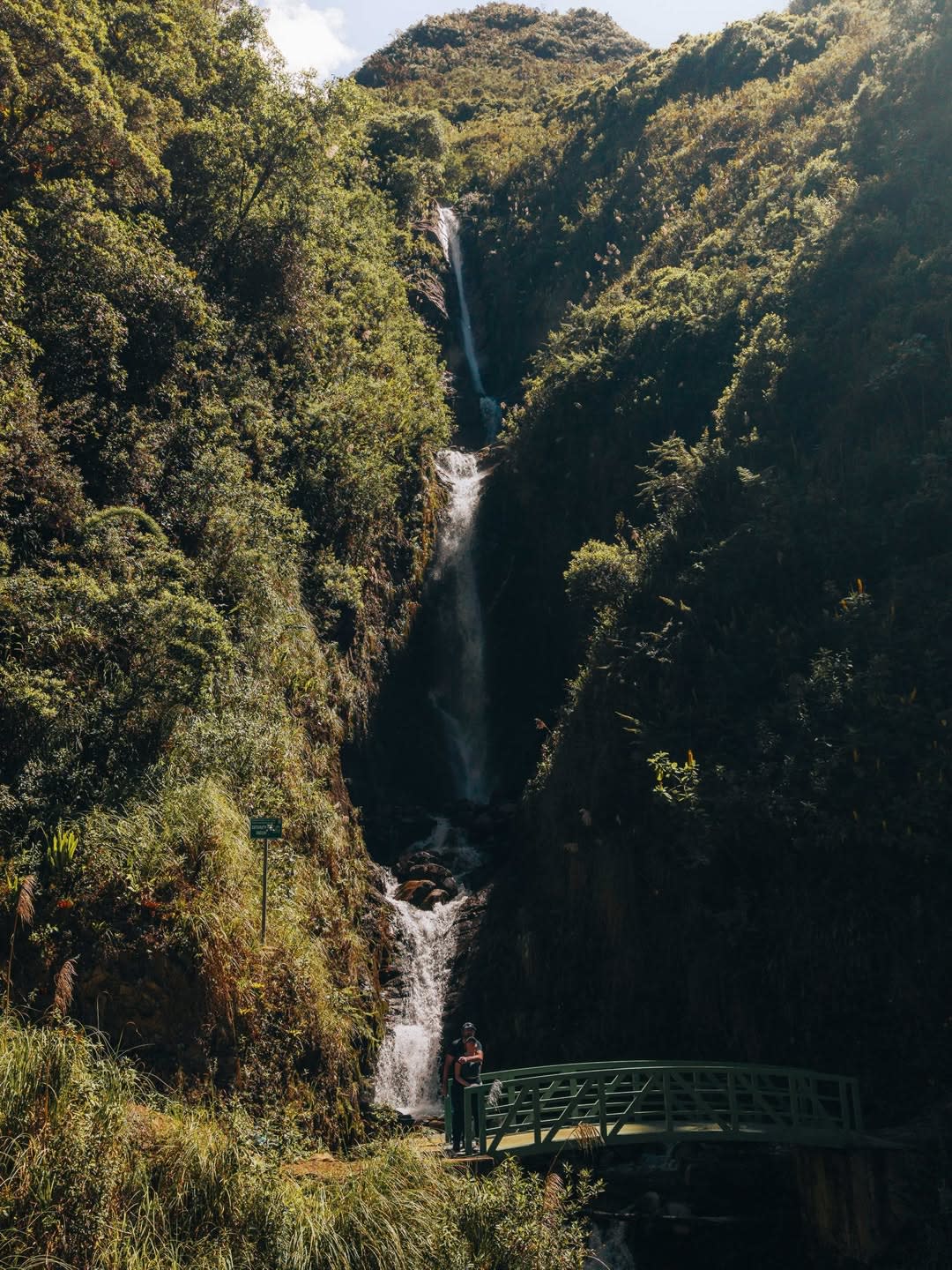
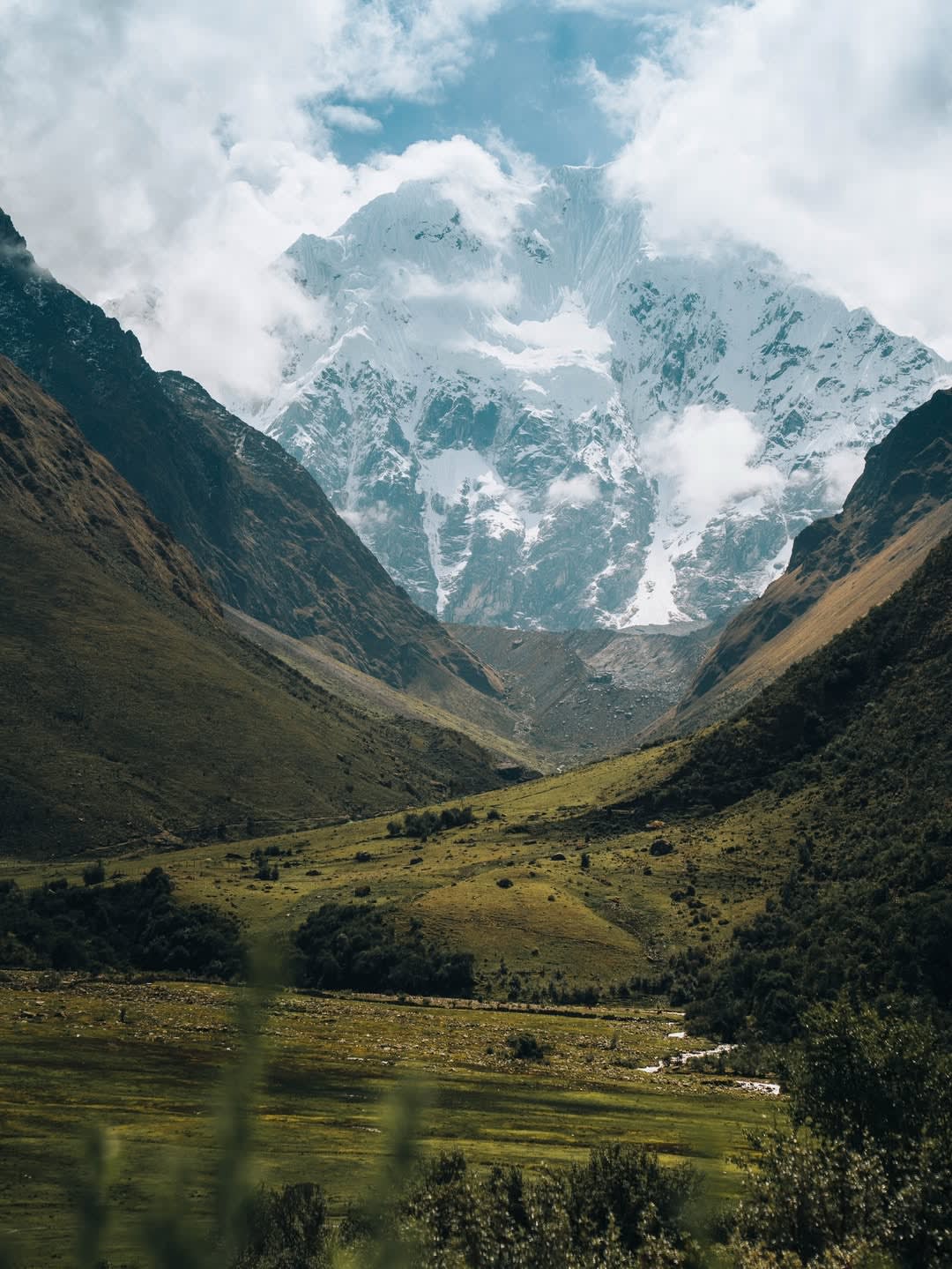
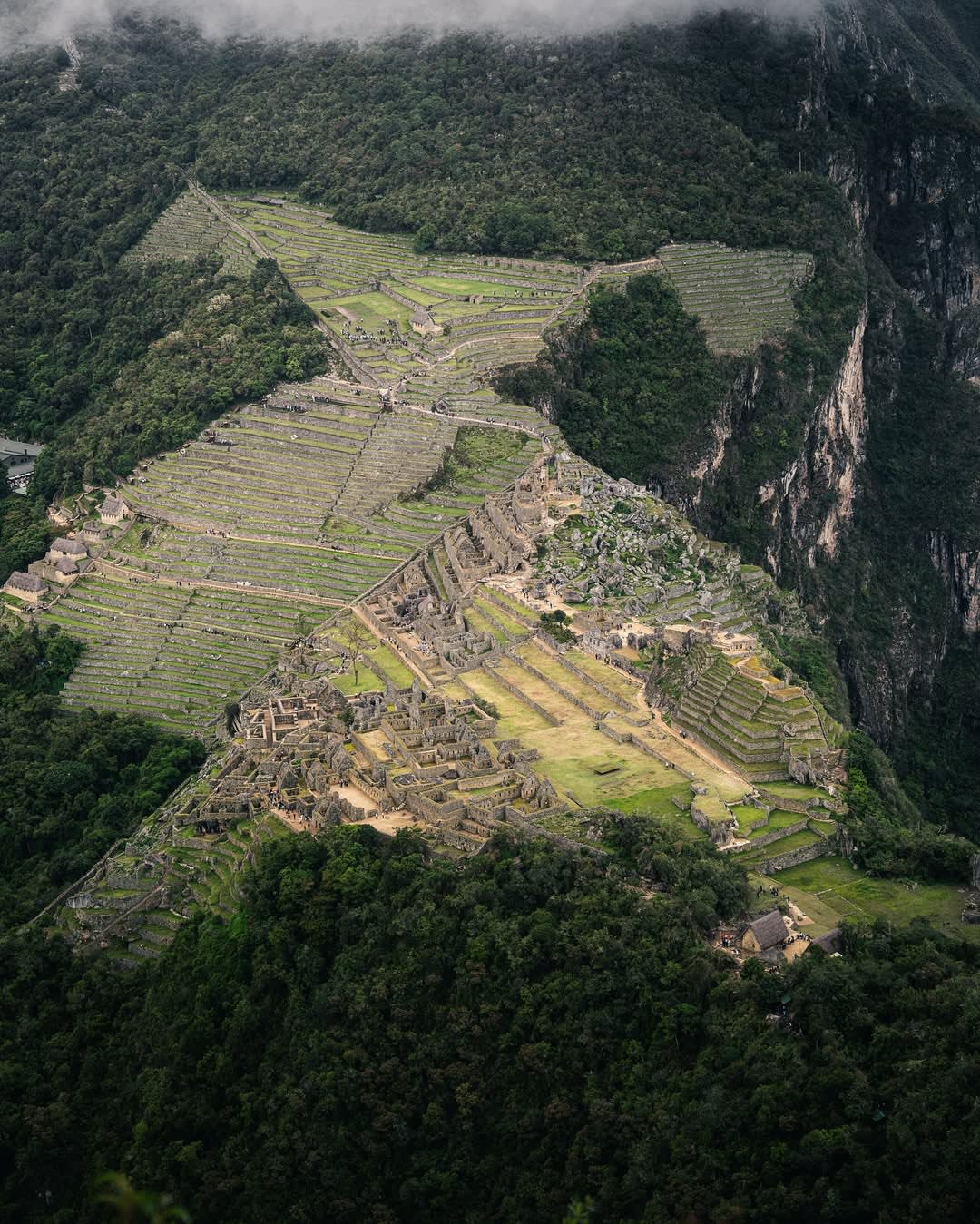
The Salkantay does not pretend to be the Classic Inca Trail and is the better for it. Where the Inca Trail walks toward a citadel, the Salkantay walks across an apu — the Andean term for a mountain spirit, in this case the snow-capped 6,271-metre Apu Salkantay that watches over the entire route. The trek crosses five distinct ecosystems in five days: alpine glacier, treeless puna, cloud forest, jungle and finally the Urubamba river basin. Not every traveller will reach Machu Picchu through the Sun Gate, but every traveller on the Salkantay arrives understanding the geography of the place in a way no train passenger ever will.
Where it earns its reputation
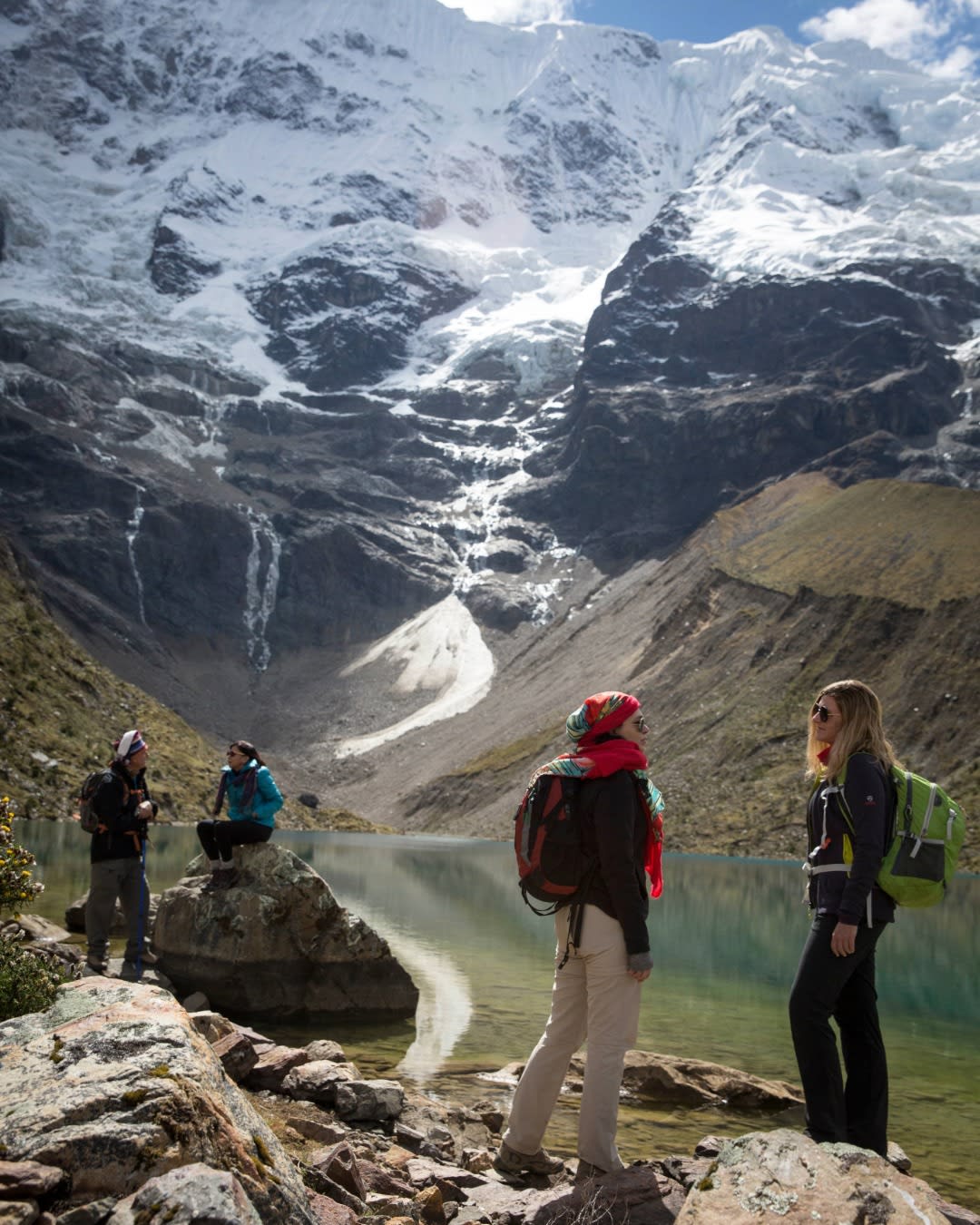
The second day, with the crossing of Salkantay Pass at 4,630 metres, is among the most demanding single days of any commercial trek in Peru — and also among the most rewarding, with the apu directly above and a full descent into cloud forest by sundown. The trail has no permit cap, which means we can book it on shorter notice than the Classic, and the camping is more remote than the Inca Trail by design. We recommend it for trekkers in good condition who want the physical and emotional weight of an Andean crossing without the foot traffic of the original.
- Approximately 60 km over five days, finishing by train to Machu Picchu
- Maximum altitude 4,630 m at Salkantay Pass, beneath the apu of the same name
- Five distinct ecosystems traversed: glacier, puna, cloud forest, jungle, river
- No permit cap — bookable with shorter lead times than the Classic Inca Trail


This guide is part of our Inca Trail to Machu Picchu series.